
Understanding the rhythms of time is crucial, especially when planning a trip to a vibrant and sprawling destination like California. For travelers and residents alike, knowing when the clocks “spring forward” and “fall back” due to Daylight Saving Time (DST) can significantly impact travel logistics, daily routines, and the overall enjoyment of the Golden State’s myriad attractions. From coordinating flights and hotel check-ins to maximizing daylight for sightseeing and outdoor adventures, the bi-annual time shift is more than just a minor inconvenience – it’s a factor that shapes experiences across California’s diverse landscapes. This guide delves into the specifics of DST in California, exploring its implications for travel, accommodation, and the distinct lifestyle that defines this iconic state.

Understanding Daylight Saving Time in California: The Basics
Daylight Saving Time is a practice observed in many parts of the world, including the United States, where clocks are adjusted forward by one hour in the spring and backward in the fall. The primary rationale historically has been to make better use of natural daylight, particularly in the evening, with reported benefits ranging from energy conservation to increased opportunities for outdoor recreation. In California, this tradition is firmly embedded in the calendar, dictating the shift in daylight hours for roughly eight months of the year.
Spring Forward: Ushering in Longer Days
The transition into Daylight Saving Time, affectionately known as “spring forward,” occurs on the second Sunday in March. At precisely 2:00 AM Pacific Standard Time, clocks are advanced by one hour to 3:00 AM Pacific Daylight Time. This means that on this particular weekend, most of us “lose” an hour of sleep. However, the trade-off is immediately noticeable: evenings become brighter, with sunset occurring an hour later than it would under Standard Time.
For travelers, this shift signals the beginning of extended opportunities. Imagine having an extra hour of daylight to explore the bustling streets of San Francisco or to soak in the vibrant beach scene in Santa Monica. It’s a boon for tourism, encouraging longer visits to attractions, leisurely outdoor dining, and a generally more relaxed pace for evening activities. The longer daylight hours are particularly appealing for those planning road trips along scenic routes like Big Sur or venturing into national parks like Yosemite National Park, allowing for more exploration before dusk.
Fall Back: Reclaiming the Hour
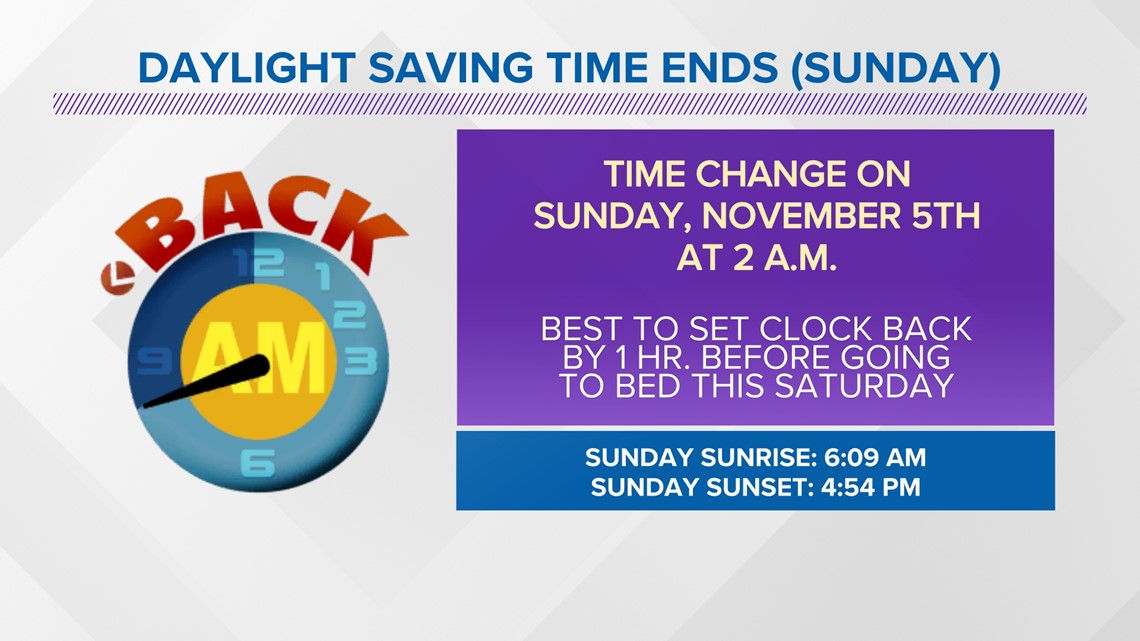
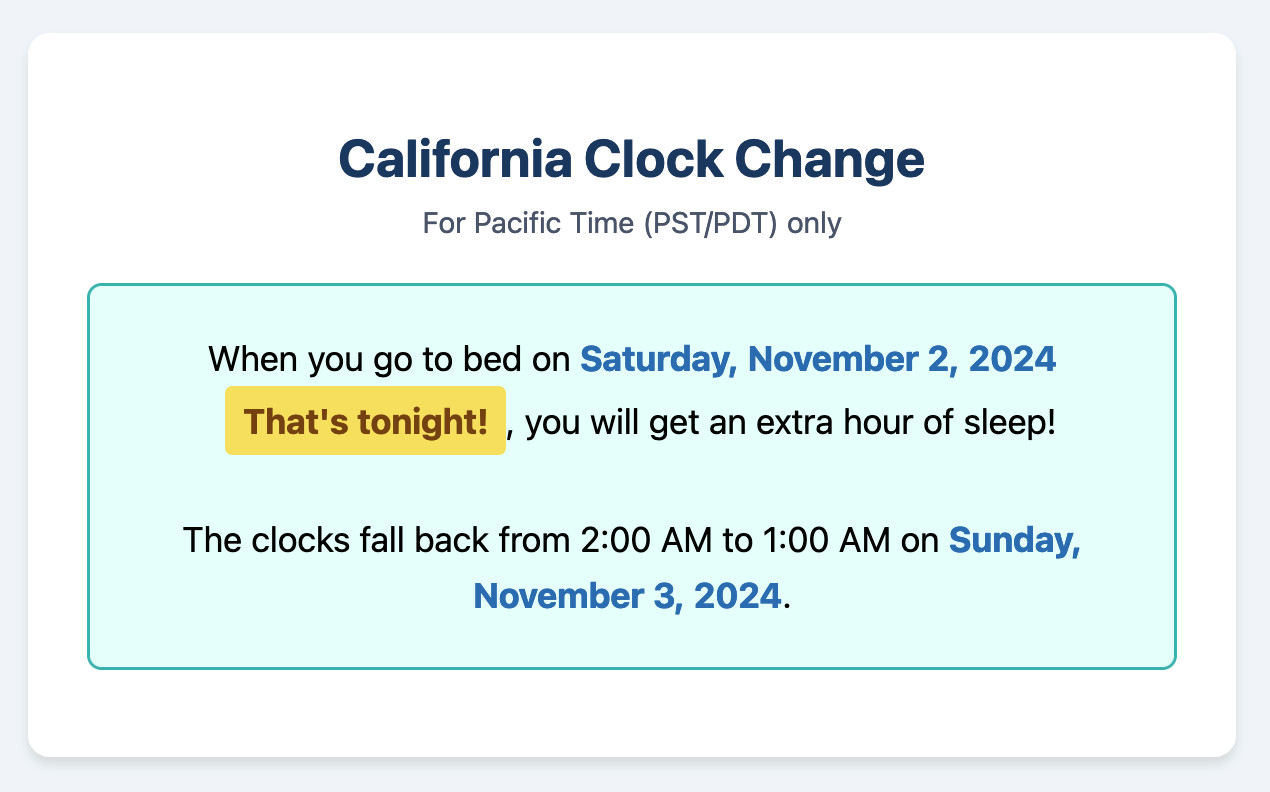
Conversely, the end of Daylight Saving Time, or “fall back,” takes place on the first Sunday in November. On this day, at 2:00 AM Pacific Daylight Time, clocks are set back one hour to 1:00 AM Pacific Standard Time. This grants everyone an extra hour in their day, often translating to an additional hour of sleep on Sunday morning. While welcome for rest, it also means sunsets arrive earlier.
This change marks a shift in how one might plan their days in California. The earlier dusk encourages a different kind of experience, perhaps focusing more on indoor attractions, cozy dining, or enjoying the lively nightlife that cities like Los Angeles and San Diego offer. For those on a family trip, planning activities to conclude before early evening becomes more important. While the shorter daylight hours might seem limiting, they usher in a distinct autumnal ambiance, perfect for enjoying harvest festivals in Napa Valley or winter sports near Lake Tahoe as the seasons progress.
The History and Rationale Behind DST in California
The observance of Daylight Saving Time in the United States has a history dating back to World War I, although it was not uniformly adopted nationwide until the Uniform Time Act of 1966. California, like many states, has adjusted its stance over the decades. In 2018, California voters passed Proposition 7, which gave the state legislature the power to change DST by a two-thirds vote, potentially allowing California to adopt year-round Daylight Saving Time if permitted by federal law, or even revert to year-round Standard Time.
The rationale behind DST continues to be debated. Proponents cite energy savings (though modern studies offer mixed results), reduced traffic accidents, and economic benefits from extended evening shopping and recreational activities. Critics, however, point to negative health impacts from disrupted sleep patterns, especially in the spring, and argue that the initial energy-saving goals are no longer significant. Regardless of the ongoing discourse, for now, California remains committed to the bi-annual time adjustments, making it essential for anyone traveling to or living in the state to be aware of these dates.
Navigating the Time Shift: Implications for Travel and Accommodation
For visitors to California, particularly those on a carefully planned itinerary, the shift to or from Daylight Saving Time can introduce unexpected complexities. From ensuring smooth travel connections to managing hotel check-ins, being proactive about the time change is key to a seamless and stress-free experience.
Travel Planning and Flight Schedules
One of the most critical areas impacted by DST is travel planning, particularly regarding flights and ground transportation. While airlines and train services generally account for the time change in their published schedules, passengers must remain vigilant. When the clocks “spring forward” in March, a flight scheduled to depart at 8:00 AM might feel like 7:00 AM to your body, and conversely, an early morning flight after the “fall back” in November could feel even earlier.
For international travelers or those with connecting flights, especially if crossing time zones or into neighboring countries like Mexico, the implications can be even more pronounced. A miscalculation of an hour could lead to missed connections, delays in rental car pickups at major airports like Los Angeles International (LAX) or San Francisco International (SFO), or even a lost day of your itinerary. Our travel guides always emphasize checking and re-checking all flight, train, and bus schedules in the weeks leading up to the time change. Furthermore, ensure that all your digital devices, which typically auto-adjust, are indeed updated, and manually adjust any analog clocks you might rely on. This meticulous approach helps avoid any last-minute surprises and ensures your journey through California remains on track.
Hotel Stays and Accommodation Logistics
The time change also has tangible effects on hotels, resorts, apartments, and villas across California. While most modern accommodation providers have automated systems that handle the clock adjustments, human elements and guest experiences still need consideration. Standard check-in and check-out times, typically around 3:00 PM and 11:00 AM respectively, remain fixed, but their perception can shift. For instance, after springing forward, an 11:00 AM check-out might feel an hour earlier than usual, potentially catching guests off guard if they haven’t adjusted their internal clocks.
Hotels and resorts also manage a variety of services and amenities that operate on schedules. Restaurant breakfast times, spa appointments, concierge services, and shuttle departures all need to align with the new time. While staff are well-versed in these adjustments, guests should always confirm timings, especially if they have pre-booked services or have tight itineraries. For those enjoying long-term stays in serviced apartments or private villas, the responsibility often falls more squarely on the occupant to ensure all their personal devices and home appliances are updated. Proactive communication with your accommodation provider can help clarify any ambiguities and guarantee a smooth stay, whether you’re enjoying a luxury resort experience in Palm Springs or a cozy boutique hotel in Napa Valley.
Adjusting to the New Time: Practical Tips for Tourists
Even a one-hour time shift can disrupt one’s circadian rhythm, akin to a mild form of jet lag. For tourists, who are often already adjusting to new environments, climates, and activities, this can lead to temporary fatigue or disorientation. When “springing forward,” the loss of an hour can make early morning starts feel more difficult, while “falling back” might cause some to wake up too early.
To mitigate these effects and ensure your California experience remains energizing, consider these tips:
- Gradual Adjustment: A few days before the shift, try adjusting your bedtime by 15-20 minutes each night.
- Sunlight Exposure: Seek natural light in the morning after springing forward, and ensure sufficient darkness in the evening. This helps reset your body clock.
- Hydration and Light Meals: Staying well-hydrated and avoiding heavy meals close to bedtime can aid in better sleep.
- Plan Buffer Time: Schedule slightly less packed itineraries for the day immediately following the time change, allowing flexibility for rest or slower transitions.
- Family Travel: For families traveling with young children, whose sleep patterns are often very sensitive, a gradual adjustment is even more crucial. Incorporate quiet time or naps into your schedule to help them adapt.
By consciously addressing the time change, you can minimize its impact and fully immerse yourself in California’s diverse offerings.
Maximizing California’s Daylight: Experiences and Lifestyle
The annual clock changes, particularly the “spring forward,” significantly influence how visitors and locals experience California’s vibrant outdoor lifestyle and world-renowned attractions. The extended daylight hours unlock new possibilities for exploration, entertainment, and a deeper appreciation of the Golden State’s natural beauty and cultural offerings.
Exploring Iconic Landmarks with Extended Daylight
One of the most immediate and appreciated benefits of Daylight Saving Time is the gift of extra evening light. This allows for prolonged exploration of California’s iconic landmarks and attractions, enhancing the overall tourist experience. Imagine capturing a breathtaking sunset view over the Golden Gate Bridge without rushing, or enjoying a leisurely stroll down the Hollywood Walk of Fame as the city lights begin to twinkle, all while still feeling like it’s early evening.
Theme parks like Disneyland Resort and Universal Studios Hollywood often extend their operating hours during peak seasons, coinciding with DST, allowing guests more time for rides, shows, and dazzling evening parades. Nature enthusiasts visiting Yosemite National Park or exploring the stunning coastline of Big Sur can embark on longer hikes, enjoy extended picnics, and witness wildlife during twilight hours, activities that would be cut short under standard time. Photographers, too, especially benefit from the “golden hour” stretching further into the evening, providing ample opportunities for stunning shots of California’s diverse landscapes and cityscapes. This extra hour isn’t just about more time; it’s about richer, more relaxed, and often more memorable experiences.
Embracing California’s Diverse Lifestyle
California’s lifestyle is synonymous with outdoor living, and Daylight Saving Time plays a crucial role in enhancing this. From the beaches of San Diego and Santa Monica to the mountain trails of Lake Tahoe and the vineyards of Napa Valley, the state offers an unparalleled array of activities. The longer evenings during DST mean more time for surfing lessons, beach volleyball, al fresco dining, or simply enjoying a sunset cocktail.
For families on vacation, the extended daylight provides more flexibility for evening activities without disrupting young children’s bedtimes too severely. Budget travelers can take advantage of the natural light to explore more, potentially saving on evening entertainment costs, while luxury travelers can indulge in prolonged vineyard tours followed by gourmet dinners under the stars. Business travelers also benefit, as the longer evenings offer more opportunities for networking events, client dinners, or simply unwinding after a day of meetings in cities like Sacramento or Los Angeles. The added daylight truly amplifies the Golden State’s appeal, fostering a vibrant atmosphere for both leisure and business.
Seasonal Considerations for Your California Trip
While California boasts pleasant weather year-round, the nuances of DST can subtly influence the best time to visit certain regions. Spring and summer, during DST, offer the longest days, making them ideal for exploring the coast, national parks, and metropolitan areas when outdoor activities are at their peak. Destinations like Palm Springs thrive in the cooler fall and winter months, but even there, understanding the shift in daylight hours is beneficial for planning golf rounds or desert hikes.
For fall travelers, post-“fall back” means earlier sunsets, which can be advantageous for enjoying the cozy ambiance of mountain towns or the festive holiday lights that begin to appear in cities. It encourages a shift towards evening entertainment, exquisite dining experiences, and cultural events. Conversely, if your itinerary heavily relies on daylight-dependent activities, planning your trip during the spring and summer months when DST is in effect will allow you to maximize your time and fully embrace the quintessential California experience.
The Ongoing Debate: The Future of DST in California
The conversation around Daylight Saving Time is never truly settled, and California is no stranger to this ongoing debate. While the state currently adheres to the bi-annual clock change, discussions about its future are frequent, with potential legislative actions that could significantly alter the status quo.
Proposition 7 and the Push for Permanent Time
In 2018, California voters approved Proposition 7, which repealed the state’s existing DST law and granted the state legislature the power to either adopt year-round Daylight Saving Time or year-round Standard Time, provided it aligns with federal law. This move reflected a growing sentiment among residents and policymakers that the practice of changing clocks twice a year might be outdated or even detrimental.
The primary argument for adopting permanent Daylight Saving Time centers on the perceived benefits of extended evening daylight year-round, which could further boost tourism, outdoor recreation, and overall quality of life. Proponents suggest it could reduce energy consumption (though this is debated) and potentially decrease seasonal affective disorder. Conversely, moving to permanent Standard Time would mean earlier sunrises in winter but also much earlier sunsets in summer, which might not be popular in a state that prides itself on outdoor evening activities. The federal law, specifically the Uniform Time Act, requires states to choose between DST and Standard Time, but not permanent DST without an act of Congress. Therefore, California’s ability to implement permanent DST hinges on federal approval, a topic that continues to gain traction in Washington.
Potential Impacts of a Permanent Time Shift on Travel and Tourism
Should California eventually adopt a permanent time standard, whether DST or Standard Time, it would introduce a new dynamic for travel and tourism. If year-round Daylight Saving Time were enacted, visitors would consistently enjoy later sunsets, particularly beneficial for summer travel and maximizing time at attractions like the Golden Gate Bridge or Disneyland Resort. This consistency could simplify travel planning and enhance the perception of California as an eternally sun-kissed destination, especially for those seeking to maximize their experiences during a family trip or luxury travel escapade.
However, permanent DST would also mean later sunrises in winter, potentially impacting early morning business meetings in Sacramento or early outdoor activities in colder regions. Conversely, a shift to permanent Standard Time would mean earlier sunsets throughout the year, especially noticeable in summer, potentially shifting the focus of tourism towards morning activities or indoor cultural experiences. While the specifics of any future change remain uncertain, it’s clear that the choice would profoundly influence the lifestyle, tourism patterns, and operational logistics for every segment of California’s vibrant economy, requiring adjustments from hotels, resorts, tour operators, and travelers alike.
Conclusion
The biannual clock changes in California, while seemingly minor, play a significant role in shaping the travel, accommodation, and lifestyle experiences throughout the state. From the extended daylight hours that enhance exploration of iconic landmarks during “spring forward” to the cozy ambiance that accompanies earlier sunsets after “fall back,” understanding these shifts is essential for both residents and visitors.
Whether you’re meticulously planning a dream vacation to Los Angeles, embarking on an adventurous road trip through Yosemite National Park, or managing a busy business stay in San Francisco, being aware of when the clocks change can help you optimize your itinerary, avoid logistical hiccups, and truly immerse yourself in the Golden State’s diverse offerings. By proactively adjusting your schedule, confirming travel arrangements, and embracing the nuances of each season, you can ensure that your time in California is as memorable and seamless as the state itself. As the debate around the future of Daylight Saving Time continues, for now, the rhythm of the clocks remains an integral part of the California experience.
LifeOutOfTheBox is a participant in the Amazon Services LLC Associates Program, an affiliate advertising program designed to provide a means for sites to earn advertising fees by advertising and linking to Amazon.com. Amazon, the Amazon logo, AmazonSupply, and the AmazonSupply logo are trademarks of Amazon.com, Inc. or its affiliates. As an Amazon Associate we earn affiliate commissions from qualifying purchases.