
The question of distance between two major metropolises often sparks curiosity, especially when those metropolises are as distinct and dynamic as Dallas and Fort Worth, Texas. These “sister cities,” while sharing proximity, offer vastly different experiences, catering to diverse traveler preferences. Understanding the physical separation is the first step in appreciating the unique character of each and planning a journey that captures the essence of the Dallas-Fort Worth metroplex.
The Direct Route: Mileage and Time
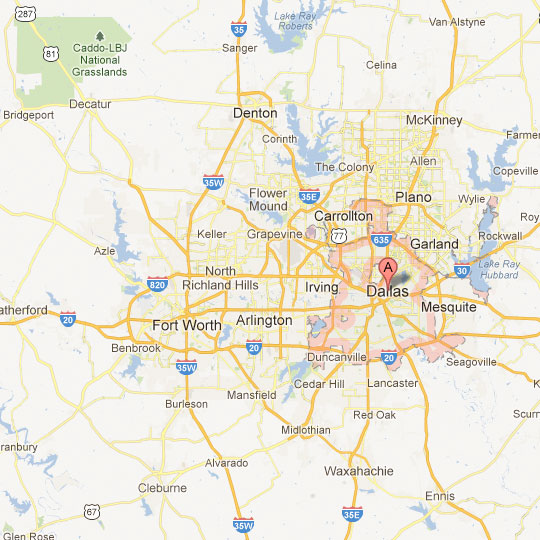
The most direct distance between the downtown cores of Dallas and Fort Worth is approximately 32 miles. This translates to roughly a 35- to 45-minute drive under normal traffic conditions. However, “normal traffic conditions” in the DFW metroplex can be a fluid concept. Rush hour, weekend events, or unexpected roadwork can easily extend this travel time, sometimes doubling it.
Driving Considerations
When planning to drive between the two cities, several factors come into play:
- Major Arteries: The primary route connecting Dallas and Fort Worth is Interstate 30 (I-30). This major highway offers a relatively straightforward path, though it can become congested. Alternate routes, such as US Highway 183 (SH 183) or State Highway 114 (SH 114), can be considered, especially if originating or ending in specific parts of either city.
- Traffic Patterns: Morning commutes generally see heavier traffic heading west into Fort Worth and east into Dallas. Evening commutes reverse this trend. Weekends can also present challenges, particularly around major event venues or popular entertainment districts. Real-time traffic applications are invaluable for navigating these fluctuations.
- Parking: While driving might be the most flexible option, parking in the dense urban centers of both Dallas and Fort Worth can be an additional consideration. Downtown areas offer numerous parking garages and street parking, but costs can add up, and availability may vary.
Beyond the Car: Alternative Transportation
For travelers seeking alternatives to driving, the Dallas-Fort Worth metroplex provides several options, each with its own advantages and travel times.
Public Transit: The Trinity Railway Express (TRE)
The Trinity Railway Express (TRE) is the commuter rail line that directly connects downtown Dallas and downtown Fort Worth. This is often the most stress-free way to traverse the distance, especially for those who prefer not to contend with traffic or parking.
- Route and Schedule: The TRE operates a consistent schedule throughout the week, with more frequent service during peak commute hours. The journey typically takes approximately 55 minutes to an hour, depending on the specific stops and schedule.
- Stations: The Dallas station is conveniently located at Union Station, a major transportation hub in the heart of the city. The Fort Worth terminus is at the Fort Worth Intermodal Transportation Center (ITC).
- Benefits: Riding the TRE offers a chance to relax, read, or enjoy the passing scenery without the pressures of driving. It’s also an eco-friendly and cost-effective option.

Ride-Sharing Services
Services like Uber and Lyft are readily available in both Dallas and Fort Worth. They provide a door-to-door convenience, similar to a taxi, and can be a viable option for those who wish to avoid the responsibility of driving or the fixed routes of public transit.
- Cost and Time: The cost will fluctuate based on demand, time of day, and distance. Travel time will be similar to driving oneself, influenced by traffic conditions. It’s advisable to check the app for estimated fares and arrival times before booking.
- Flexibility: Ride-sharing offers ultimate flexibility in terms of pickup and drop-off locations, allowing travelers to reach specific destinations within either city without needing to transfer to local transit.
Exploring the Space Between: A Journey, Not Just a Destination
The 32-mile stretch between Dallas and Fort Worth is not an empty void; it’s a landscape dotted with other notable communities, attractions, and points of interest that can transform a simple transit into an exploration.
Key Communities and Stops Along the Way
- Arlington: Situated almost perfectly between the two cities, Arlington is a significant destination in its own right. It’s home to major entertainment complexes, including Six Flags Over Texas, Hurricane Harbor, and the impressive AT&T Stadium, home of the Dallas Cowboys. The Texas Live! entertainment district offers dining and nightlife. If planning a stop, allocate ample time to experience these attractions.
- Grand Prairie: Another city nestled in the heart of the metroplex, Grand Prairie offers a variety of family-friendly attractions, including the Joe Pool Lake for outdoor recreation, the Epic Indoor Waterpark, and the Traders Village, a large flea market.
- Other Notable Areas: Depending on the chosen route, travelers might pass through or near communities like Bedford, Euless, and Hurst, collectively known as the “Mid-Cities.” These suburbs offer their own local dining and shopping experiences.
Creating an Itinerary
The proximity of Dallas and Fort Worth makes it incredibly feasible to experience both cities within a single trip, even a single day, though a deeper appreciation requires more time.
- Day Trip: A day trip is best served by selecting a few key highlights in each city and using the TRE or a ride-sharing service to minimize travel hassle. For instance, one could explore the Dallas Arts District and Klyde Warren Park in the morning, then take the TRE to Fort Worth for an afternoon stroll through the Stockyards National Historic District.
- Multi-Day Exploration: For a more immersive experience, dedicating several days allows for deeper dives into the distinct cultures of each city. Dallas often appeals to those seeking a modern, cosmopolitan vibe, with its towering skyscrapers, upscale shopping districts like NorthPark Center, and world-class museums. Fort Worth, conversely, embraces its Western heritage, offering a more laid-back, authentic Texan atmosphere centered around the Stockyards and the renowned Cultural District with its impressive museums like the Kimbell Art Museum and the Modern Art Museum of Fort Worth.
The Traveler’s Perspective: Why This Distance Matters
The 32-mile span between Dallas and Fort Worth is more than just a number; it represents the physical manifestation of two distinct identities within a shared metropolitan area. Understanding this distance is crucial for any traveler aiming to optimize their visit.
- Planning Base: Deciding whether to stay in Dallas or Fort Worth as a base depends heavily on the traveler’s primary interests. Those drawn to urban sophistication, cutting-edge dining, and high-end shopping might prefer Dallas. Conversely, visitors seeking a taste of the Old West, a more relaxed pace, and genuine cowboy culture will find Fort Worth more appealing.
- Day Trips: The short distance makes day trips between the cities incredibly practical. A visitor based in Dallas can easily spend a day exploring the Fort Worth Stockyards and the Cultural District without feeling rushed, and vice-versa. This flexibility is a significant advantage for travelers wanting to experience the full spectrum of what the DFW area has to offer.
- Logistical Considerations: For business travelers attending meetings in both cities, or families with diverse interests, the manageable distance simplifies logistics. It allows for strategic planning of itineraries, ensuring that travel time between appointments or activities doesn’t become an impediment to productivity or enjoyment. The efficient connectivity, whether by road or rail, ensures that the geographical separation never feels like a barrier to experiencing the richness of both Dallas and Fort Worth.