
The Native American Sun Dance is a profound spiritual ceremony deeply rooted in the traditions of various Indigenous nations across North America, including those within South Dakota. For travelers seeking to respectfully engage with and understand Indigenous cultures, timing a visit to coincide with this sacred event requires careful consideration, respect, and prior research. Unlike a scheduled public festival, the Sun Dance is an intensely personal and communal spiritual undertaking, and public access or observation is often limited or requires specific permissions. Understanding when these ceremonies typically occur, and how to approach them with proper reverence, is crucial for any traveler hoping to appreciate this vital aspect of Native American life.

Understanding the Sacred Tradition of the Sun Dance
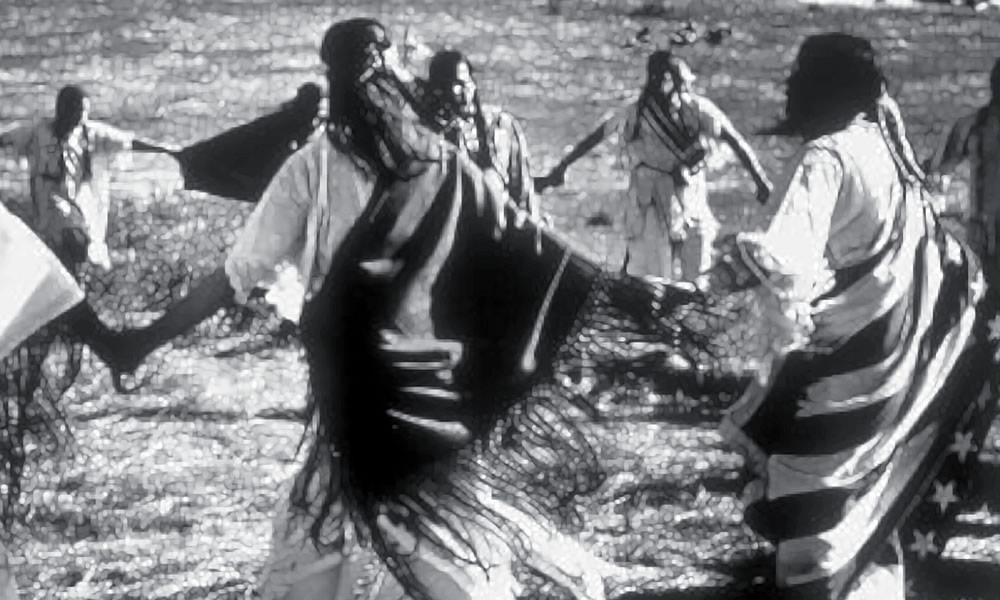
The Sun Dance is one of the most significant and ancient spiritual ceremonies for many Plains Indigenous peoples, including the Lakota, Dakota, and Nakota people, whose ancestral lands include much of what is now South Dakota. This ceremony is a prayer for renewal, health, and a vibrant future for the community and all living things. It is a powerful act of sacrifice, often involving fasting, prolonged dancing, and sometimes, ritual piercing, undertaken by individuals to offer their suffering for the well-being of their people and the world. Its significance cannot be overstated; it is a spiritual anchor, a reaffirmation of cultural identity, and a communal gathering that strengthens tribal bonds.
A Glimpse into its Spiritual Significance
The core of the Sun Dance revolves around sacrifice, prayer, and renewal. Participants commit to a vow, often made during times of crisis or for personal or communal healing. The ceremony typically takes place over several days, centered around a sacred pole and an arbor. Dancers abstain from food and water, engaging in continuous movement and prayer under the intense summer sun. The piercing, while perhaps the most visible and often misunderstood aspect to outsiders, is a deeply personal and voluntary act of offering, symbolizing a direct connection to the creator and a profound commitment to one’s vows. For the Lakota, it is known as Wi Wacipi, translating to “Sun Gaze Dance,” emphasizing the dancers’ focus on the sun as a representation of the Creator’s power. It is a time for introspection, vision-seeking, and communal solidarity.
The Diverse Forms Across Nations
While sharing fundamental principles, the Sun Dance varies in specific rituals and expressions among different Indigenous nations. Each tribe has its own distinct protocols, songs, dances, and symbolic elements, reflecting their unique histories, languages, and spiritual understandings. For instance, the specific types of offerings, the duration of the ceremony, the adornments of the dancers, and the sacred narratives associated with the practice can differ. Travelers interested in specific tribal practices should be aware that the information gleaned about one nation’s Sun Dance may not entirely apply to another. In South Dakota, the ceremonies largely follow the traditions of the Oceti Sakowin (Seven Council Fires of the Lakota, Dakota, and Nakota people), but even within these groups, specific bands and communities will have their own revered customs.
Timing Your Visit: The Sun Dance Season in South Dakota
Determining the exact dates for a Sun Dance in South Dakota as a non-participant is challenging, primarily because these are not public spectator events. They are sacred, private ceremonies. However, understanding the general timeframe is essential for travel planning.
General Period and Factors Influencing Dates
The Sun Dance ceremonies are traditionally held during the summer months, typically from late June through August. This timing aligns with the longest days of the year, symbolizing the sun’s maximum power and influence, and often coincides with the traditional gathering seasons when resources were abundant. The exact dates for a specific community’s Sun Dance are determined by spiritual leaders and community elders, often influenced by lunar cycles or specific tribal calendars, rather than fixed Gregorian calendar dates. These dates are usually announced relatively close to the event, as they are not set for the convenience of external visitors but for the spiritual readiness of the participants and community.
Specific Reservations and Communities
In South Dakota, Sun Dances occur on various reservations, including the Pine Ridge Indian Reservation, Rosebud Indian Reservation, Cheyenne River Sioux Reservation, Standing Rock Indian Reservation, and others. Each reservation or district within it may host its own Sun Dance. It is important to remember that these are distinct sovereign nations with their own governance and cultural practices. Travelers should not assume that permission or information obtained from one reservation applies to another.
Respectful Inquiry and Information Gathering
For travelers hoping to learn more or potentially witness aspects of a Sun Dance from a respectful distance, direct and respectful inquiry is paramount. Contacting tribal cultural offices or reputable Native American cultural centers on the respective reservations well in advance is the most appropriate first step. However, it’s crucial to understand that access for non-Indigenous individuals, especially non-participants, is often restricted or heavily managed. Many communities prefer to keep these sacred ceremonies private. If an opportunity for observation is granted, it comes with strict expectations of reverence, silence, and adherence to specific rules, often including prohibitions on photography, note-taking, or disruptive behavior. A non-intrusive approach that prioritizes respect for the community’s spiritual practice over personal curiosity is always recommended.

Preparing for a Respectful Travel Experience
Traveling to Native American lands, especially with the intent to engage with sacred ceremonies like the Sun Dance, demands a heightened level of preparation and cultural sensitivity. It is an opportunity for learning and respect, not for tourism in the conventional sense.
Etiquette and Cultural Sensitivity
The foremost rule for any visitor is respect. Understand that you are a guest on sovereign land. Always ask for permission before entering sacred grounds, participating in any activity, or taking photographs. Dress modestly and conservatively, especially if attending any portion of a ceremony where visitors are allowed. Avoid alcohol and drugs, and maintain a quiet, respectful demeanor. Be prepared to remove hats or sunglasses, and listen intently to any instructions given by elders or ceremony leaders. The Sun Dance is not entertainment; it is a prayer. Approach it with the solemnity and reverence it deserves. Be aware that specific spiritual protocols, such as offerings of tobacco or gifts for those providing guidance, may be appropriate if you are granted access or seek specific information.
Observational Guidelines
If, by rare invitation, you are permitted to observe any part of a Sun Dance, adhere strictly to all guidelines provided. This often includes designated viewing areas, restrictions on photography, videography, or audio recording, and prohibitions against talking, pointing, or gesturing. Maintain a low profile and understand that your presence is a privilege, not a right. The focus should always be on supporting the community’s sacred work, not on personal experience or documentation. It is vital to prioritize the spiritual integrity of the ceremony over any personal desire for a unique travel photograph or story.
Logistical Considerations for Attendees
Travelers planning to visit tribal lands in South Dakota should be prepared for rural conditions. Accommodation options may be limited, so booking well in advance, possibly in nearby towns off the reservation, is advisable. Services like gas stations, restaurants, and grocery stores may be sparse. Researching the specific reservation you plan to visit for local amenities is crucial. Always respect private property and speed limits. Support local Native American businesses where possible, such as craft stores, art galleries, or restaurants, to contribute positively to the local economy. Ensure your vehicle is reliable, as distances between towns can be significant.
Beyond the Ceremony: Exploring Native American Culture in South Dakota
While the Sun Dance is a focal point of spiritual life, South Dakota offers numerous other avenues for travelers to learn about and appreciate Native American culture and history throughout the year.
Tribal Lands and Cultural Centers
Visiting tribal cultural centers is an excellent way to gain insight into the history, art, and contemporary life of the Lakota, Dakota, and Nakota people. The Cultural Heritage Center in Pierre houses extensive collections. On reservations, institutions like the Oglala Lakota College on the Pine Ridge Indian Reservation often have cultural departments or museums open to the public. These centers provide invaluable context and education, allowing travelers to understand the richness and resilience of Indigenous cultures without imposing on sacred, private ceremonies. They offer a structured and respectful environment for learning, often featuring exhibits on traditional arts, history, and current community initiatives.
Other Indigenous Events and Attractions
Throughout the summer and fall, many Native American communities host public powwows. Unlike the Sun Dance, powwows are social gatherings and celebrations of culture, open to the public and featuring vibrant dance competitions, drumming, singing, and artisan markets. These events are excellent opportunities for respectful cultural immersion. Travelers can also visit sites of historical significance, such as the Crazy Horse Memorial in the Black Hills, which offers a cultural center and museum dedicated to Native American heritage. The interpretive programs at Badlands National Park also often provide insights into the Lakota relationship with the land. Always check specific event schedules and visitor guidelines for any public gatherings.
Sustainable and Ethical Engagement
When traveling to South Dakota’s tribal lands, strive for sustainable and ethical engagement. This means purchasing authentic crafts directly from Native American artists, supporting tribal enterprises, and learning about contemporary issues facing Indigenous communities. Your travel can be a force for good by contributing to local economies and fostering cross-cultural understanding. Always approach with humility, an open mind, and a genuine desire to learn, recognizing the deep history and ongoing vitality of Native American cultures in the region.
LifeOutOfTheBox is a participant in the Amazon Services LLC Associates Program, an affiliate advertising program designed to provide a means for sites to earn advertising fees by advertising and linking to Amazon.com. Amazon, the Amazon logo, AmazonSupply, and the AmazonSupply logo are trademarks of Amazon.com, Inc. or its affiliates. As an Amazon Associate we earn affiliate commissions from qualifying purchases.