
The allure of two distinct yet complementary Southern cities often sparks a question for travelers: How far is Dallas from New Orleans? This query is more than just a geographical one; it’s the first step in planning an unforgettable journey, bridging the sophisticated urban landscape of Texas with the vibrant, soulful rhythm of Louisiana. Whether you’re dreaming of jazz-infused nights, historic architecture, or the distinct flavors of Creole cuisine, understanding the distance is key to unlocking the experiences that await you.
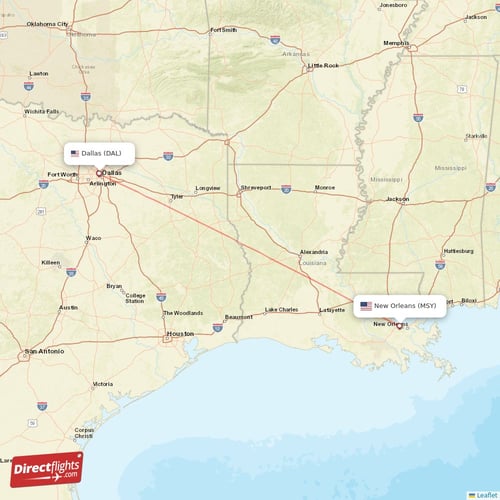
The distance between Dallas and New Orleans is approximately 500 miles, or around 800 kilometers, depending on your chosen route. This mileage translates to a drive of roughly 7 to 8 hours, a journey that can be easily managed over a single day or broken up with an overnight stop to explore charming towns along the way. For those seeking quicker transit, flying offers an alternative, with direct flights typically lasting about 1 hour and 20 minutes. This accessibility makes the trip a popular choice for weekend getaways, longer vacations, or even business travel, connecting two significant hubs in the American South.
Planning Your Journey: Routes, Travel Times, and Considerations
Embarking on the drive from Dallas to New Orleans offers a chance to witness the evolving landscapes of the Gulf Coast region. The most common and direct route typically involves taking Interstate 20 East out of Dallas, which will eventually merge with or lead you towards Interstate 49 South in Louisiana. You’ll then continue on I-49 South before connecting to Interstate 10 East, the final stretch that will guide you directly into the heart of New Orleans.
This primary route is well-maintained and offers numerous opportunities for pit stops. You’ll pass through various towns and cities, each with its own unique character. For instance, a stop in Shreveport, Louisiana, could offer a glimpse into the state’s casino and entertainment scene, while passing through areas closer to the Atchafalaya Basin provides a stark contrast with its bayous and rich natural beauty.
The estimated driving time of 7 to 8 hours is a realistic figure for uninterrupted travel under normal conditions. However, several factors can influence this duration. Road construction, particularly along the busy I-10 corridor, can cause significant delays. Peak travel times, such as during holiday weekends or when major events are happening in either city, can also lead to increased traffic congestion, extending your journey. It’s always advisable to check real-time traffic updates before and during your drive.
Considerations for your road trip extend beyond just time. Fuel stops are readily available along the interstates, but it’s wise to keep your tank at least half full, especially if you plan to travel during off-peak hours or through less populated stretches. Dining options range from fast-food chains to local eateries; planning your meal stops can enhance the travel experience. Some travelers opt to break up the drive, and a popular overnight stop might be found in a city like Alexandria or Baton Rouge, allowing for a more relaxed pace and a chance to explore a bit more of Louisiana‘s interior.
For those prioritizing speed, flying is the most efficient option. Dallas is served by two major airports: Dallas/Fort Worth International Airport (DFW) and Dallas Love Field Airport (DAL). New Orleans is served by Louis Armstrong New Orleans International Airport (MSY). Numerous airlines offer direct flights between these cities, with travel time typically around 1 hour and 20 minutes. When factoring in travel to and from airports, security checks, and potential flight delays, the total travel time can be comparable to a leisurely drive, but it eliminates the stress of navigating unfamiliar roads and allows for more time to be spent at your destination.
Exploring the Distance: Travel Options and Experiences
The journey between Dallas and New Orleans can be as much a part of the vacation as the destination itself, offering a spectrum of travel options to suit different preferences and budgets. Understanding these options allows you to tailor your trip from the outset, maximizing your enjoyment and minimizing any potential travel-related stress.
Driving: A Scenic Sojourn Through the South
The road trip is arguably the most popular way to travel between Dallas and New Orleans. It offers unparalleled flexibility, allowing you to set your own pace, make spontaneous stops, and truly immerse yourself in the changing scenery. As mentioned, the primary route via I-20 E and I-49 S leading to I-10 E is straightforward and well-signed. The approximately 500-mile journey can be completed in a single day, but for a richer experience, consider breaking it up.
Louisiana‘s heartland offers many points of interest. A potential overnight stop in Alexandria could lead to exploring the Kent House Plantation, a significant historical site. Further south, Baton Rouge, the state capital, beckons with its impressive Louisiana State Capitol building and the historic Old Louisiana State Capitol. These cities provide a taste of Louisiana‘s culture and history that might be missed on a direct drive.
If your interests lean towards the natural world, the drive offers glimpses of the unique Louisiana landscape. While the I-10 route bypasses the deepest parts of the Atchafalaya Basin, you’ll still see evidence of the cypress swamps and bayous that define the region. For those with more time and a spirit for adventure, detours to explore specific areas of the Atchafalaya National Heritage Area can be immensely rewarding, offering opportunities for swamp tours and wildlife spotting.
When planning your driving itinerary, remember to budget for fuel, food, and potential lodging if you opt for an overnight stay. Car maintenance is also crucial; ensure your vehicle is in good condition for the drive, with attention paid to tires, brakes, and fluid levels.
Flying: Swift Transit to the Big Easy
For those who prefer to maximize their time in New Orleans, flying is the most efficient option. As previously noted, Dallas/Fort Worth International Airport (DFW) and Dallas Love Field Airport (DAL) serve as departure points, connecting to Louis Armstrong New Orleans International Airport (MSY). The flight itself is short, typically around 1 hour and 20 minutes.
Booking flights in advance is generally recommended, especially during peak travel seasons or holidays, to secure the best fares and availability. Airlines that commonly operate this route include American Airlines, Southwest Airlines, and others, offering multiple daily flights.
Upon arrival at MSY, you have several options to reach your accommodation in New Orleans. Taxis and ride-sharing services are readily available. The RTA Airport Express bus also provides a cost-effective public transportation option, taking you directly to the French Quarter and downtown areas. Alternatively, many hotels offer shuttle services or can arrange airport transfers.
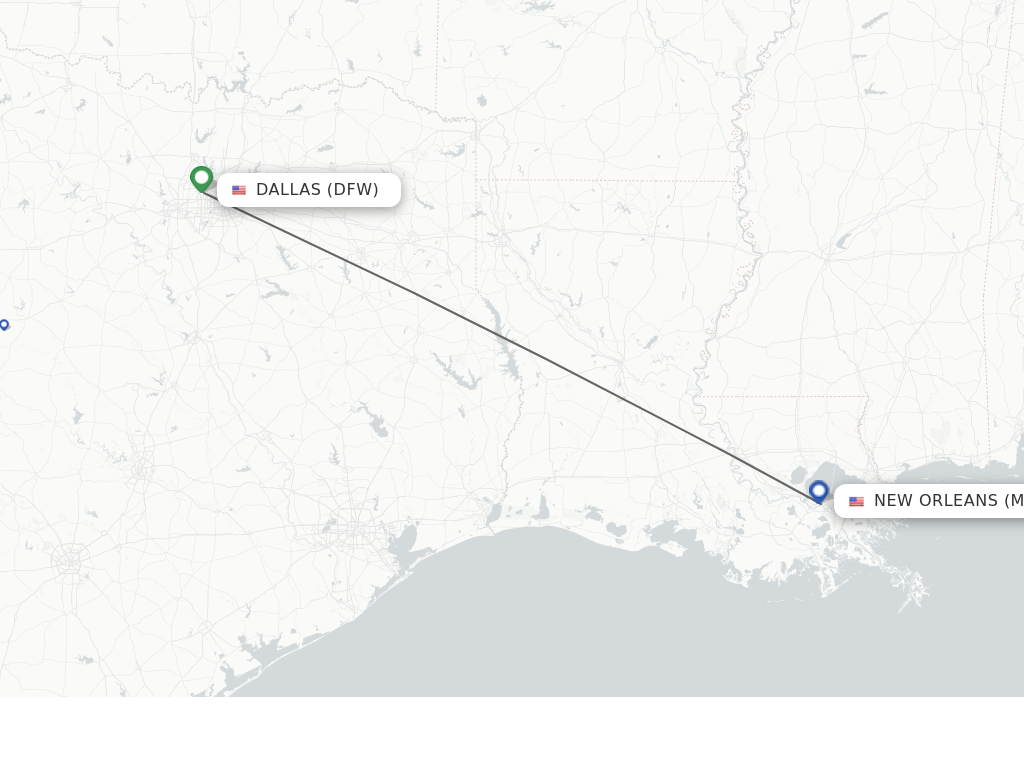
While flying is faster, it’s important to factor in the time and cost associated with getting to and from the airports, baggage check, and security screening. However, for a short trip or when time is of the essence, the speed and convenience of air travel make it an attractive choice.
Other Travel Modes: Bus and Train
While driving and flying are the most prevalent modes of transport, it’s worth mentioning that bus and train services also connect Dallas and New Orleans, albeit with significantly longer travel times.
Companies like Greyhound operate bus routes between the two cities. This option can be more budget-friendly than flying or driving, especially for solo travelers. However, bus journeys are considerably longer, often exceeding 10-12 hours, making it a choice for those who do not mind extended periods of travel or are on a very tight budget.
Amtrak also offers train service between Dallas and New Orleans, often referred to as the “Sunset Limited” route. While offering a more comfortable and scenic experience than a bus, train travel is also lengthy, typically taking around 11-13 hours. This mode is ideal for travelers who enjoy the journey itself, appreciate the ability to move around during transit, and want to experience the changing American landscape at a more leisurely pace. Booking train tickets in advance is also advisable for better pricing and seat selection.
Navigating Your Destination: From Arrival to Exploration
Once you’ve made the journey from Dallas to New Orleans, the adventure truly begins. The city, renowned for its vibrant culture, historic architecture, and unparalleled culinary scene, offers a wealth of experiences for every type of traveler. Whether you arrived by car, plane, bus, or train, understanding how to navigate New Orleans will enhance your stay.
Getting Around New Orleans: Local Transportation
New Orleans has a distinct charm that is best experienced at a walking pace, especially in historic neighborhoods like the French Quarter and the Garden District. However, for longer distances or to cover more ground, the city offers several transportation options.
The New Orleans Regional Transit Authority (RTA) operates an extensive network of streetcars and buses. The iconic streetcar lines, such as the St. Charles Avenue Line and the Canal Street Line, are not only a practical way to get around but also a scenic attraction in themselves, offering glimpses of charming homes and bustling streets. Purchasing a Jazzy Pass can be a cost-effective way to utilize these services for multiple rides over a day or several days.
Taxis and ride-sharing services like Uber and Lyft are widely available throughout the city, providing convenient door-to-door transportation. For a more unique experience, consider pedicabs or bicycle rentals, especially for exploring areas like the French Quarter or along the Mississippi Riverfront.
If you drove to New Orleans, be aware that parking in the French Quarter can be challenging and expensive. Many visitors opt to park their cars at their accommodation and rely on public transport or walking within the central areas.
Accommodations: From Boutique Hotels to Historic Homes
New Orleans boasts a diverse range of accommodations, catering to every taste and budget. For those seeking the quintessential New Orleans experience, staying in a historic hotel within or near the French Quarter is highly recommended. Options range from grand establishments like the Hotel Monteleone with its famous Carousel Bar, to charming boutique inns offering intimate settings and personalized service.
The Garden District, known for its magnificent antebellum mansions, offers a more tranquil and luxurious experience. Here, you might find upscale hotels or elegant bed and breakfasts nestled amidst lush gardens and oak-lined streets. For travelers seeking apartment-style living or longer stays, various serviced apartments and vacation rentals are available throughout the city, offering more space and amenities like kitchens.
Resorts can also be found, particularly on the outskirts or along the coast, providing amenities such as pools, spas, and fine dining. Budget travelers will find numerous hostels and affordable hotels, particularly in areas outside the immediate tourist hotspots. When choosing your accommodation, consider its proximity to the attractions you wish to visit and its accessibility to public transportation. Reading reviews from previous guests can provide valuable insights into the quality of service, cleanliness, and overall atmosphere of any given establishment.

Embracing the Local Culture and Cuisine
New Orleans is a city that lives and breathes its culture, and this is most evident in its music, art, and, of course, its food. The French Quarter is the pulsating heart of this cultural phenomenon, with live jazz music spilling out of clubs on Frenchmen Street and along Bourbon Street. Beyond the French Quarter, neighborhoods like Marigny and Treme are steeped in musical history and offer authentic local experiences.
The culinary landscape of New Orleans is legendary. No visit is complete without indulging in classic dishes such as gumbo, jambalaya, po’boys, and beignets. From fine dining establishments helmed by world-renowned chefs to casual oyster bars and vibrant food markets like the French Market, there’s something to tantalize every palate. Exploring the diverse culinary scene is an adventure in itself, offering a delicious insight into the city’s Creole and Cajun heritage.
Beyond food and music, New Orleans is rich in history and landmarks. Take a stroll through the historic French Quarter, marvel at the intricate ironwork balconies, and visit iconic sites like Jackson Square and St. Louis Cathedral. A streetcar ride to the Garden District offers a chance to admire the stunning architecture and manicured gardens. For a deeper dive into the city’s past, consider visiting museums like The National WWII Museum or taking a guided tour to learn about its unique history and traditions. The proximity of Dallas to New Orleans makes it an accessible destination for experiencing this captivating blend of history, culture, and flavor.
LifeOutOfTheBox is a participant in the Amazon Services LLC Associates Program, an affiliate advertising program designed to provide a means for sites to earn advertising fees by advertising and linking to Amazon.com. Amazon, the Amazon logo, AmazonSupply, and the AmazonSupply logo are trademarks of Amazon.com, Inc. or its affiliates. As an Amazon Associate we earn affiliate commissions from qualifying purchases.