
Embarking on a journey to a new destination often involves a myriad of preparations, from booking flights and accommodations to planning your daily itinerary. Amidst these crucial details, one element frequently overlooked, yet profoundly important for a seamless travel experience, is understanding the local time zone. For those setting their sights on the vibrant desert city of Tucson, Arizona, this knowledge becomes particularly unique and valuable.
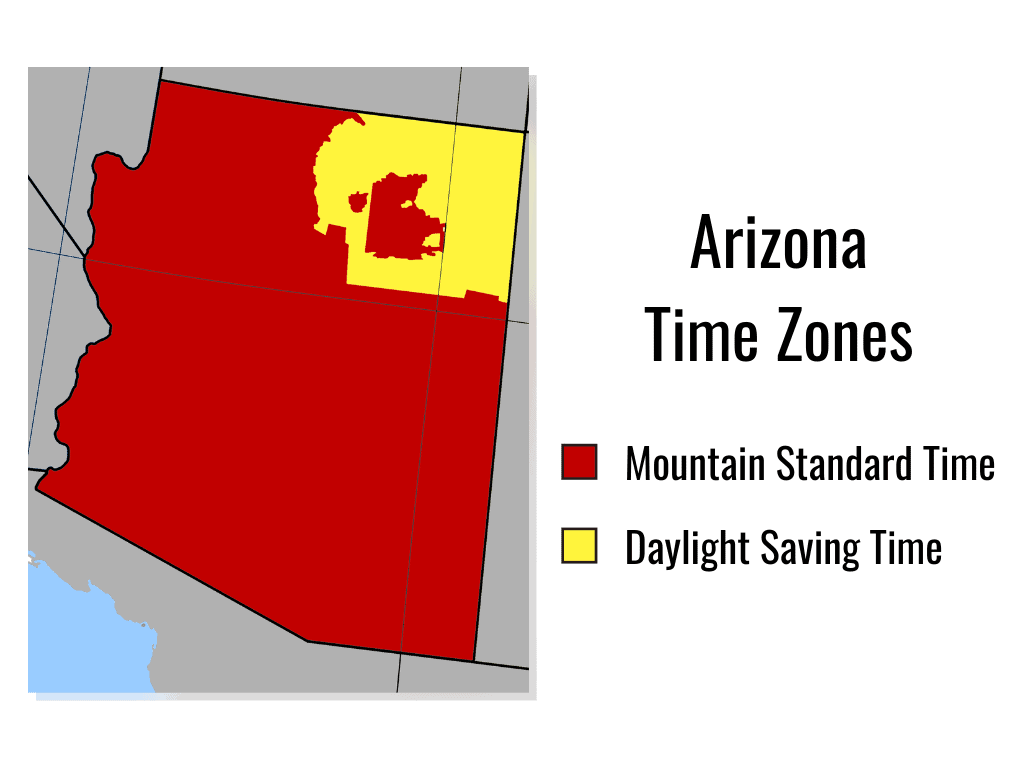
To cut straight to the chase: Tucson, Arizona, observes Mountain Standard Time (MST) year-round. What makes this distinctive, and a key point for any traveler, is that the state of Arizona (with one notable exception) does not observe Daylight Saving Time (DST). This singular approach to timekeeping has fascinating implications for scheduling, travel logistics, and how you experience your visit to the Old Pueblo. Whether you’re flying in from across the country, coordinating with business partners, or simply trying to catch a desert sunrise, grasping Tucson’s temporal rhythm is fundamental to maximizing your trip. This guide will delve into the specifics of Tucson’s time zone, its practical ramifications for travelers, and how to effortlessly navigate the time differences that might arise.
Understanding Arizona’s Unique Time Zone Status
The concept of a fixed time zone might seem straightforward, but Arizona stands apart with its consistent adherence to Mountain Standard Time throughout the year. This distinction is vital for anyone planning to visit Tucson or any other part of the state.
Mountain Standard Time All Year Round
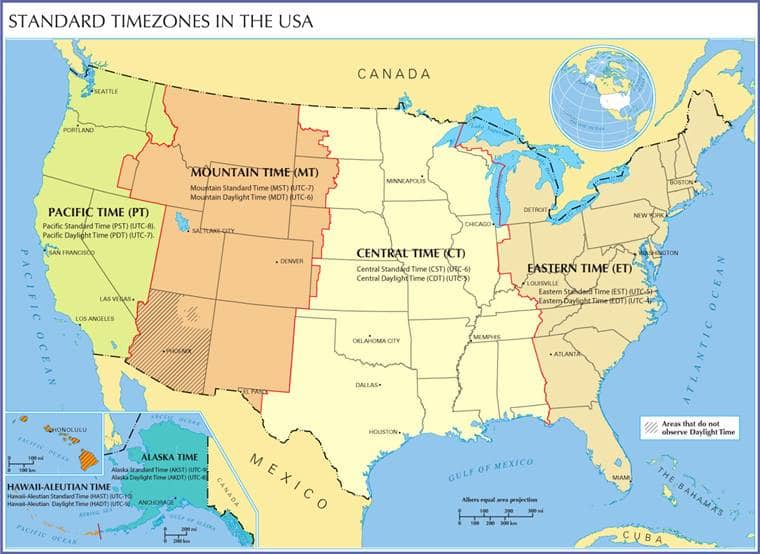
Mountain Standard Time (MST) is defined as UTC-7, meaning it is seven hours behind Coordinated Universal Time. While most of the United States and many other countries adjust their clocks forward an hour in the spring for Daylight Saving Time and back an hour in the fall, Arizona largely chooses not to participate in this biannual ritual. This decision dates back to 1968, driven by the desire to avoid adding an hour of daylight to the already scorching summer evenings, where temperatures can regularly exceed 100°F (38°C). The reasoning was simple: extending daylight into the evening would mean more hours of intense heat, driving up energy consumption for air conditioning. By staying on MST, Arizona effectively has an earlier sunset during the summer months compared to states observing DST in the Mountain Time Zone, making evenings slightly cooler and more bearable.
For travelers, this consistent approach translates into simplified planning. You don’t have to worry about the “spring forward” or “fall back” changes affecting your schedule within Arizona itself. The time remains predictable, offering a stable reference point for all your activities, from dining reservations to hiking excursions. This uniformity can be a welcome relief for those accustomed to the seasonal time shifts.
The Exception: Navajo Nation
While the vast majority of Arizona remains on Mountain Standard Time year-round, there is one significant exception: the Navajo Nation. This sovereign tribal land, which spans parts of northeastern Arizona, New Mexico, and Utah, does observe Daylight Saving Time. This means that during the DST period, typically from March to November, the Navajo Nation switches to Mountain Daylight Time (MDT), which is UTC-6.
This distinction is crucial for travelers who plan to explore areas within or bordering the Navajo Nation, such as visiting Monument Valley or other stunning tribal parks. A simple drive across the reservation boundary could mean an immediate one-hour time change. It’s advisable to be aware of your exact location and confirm local times when making plans within these areas to avoid missing tours, appointments, or simply getting confused about when to show up. For most visitors focusing solely on Tucson and its immediate surroundings, this exception won’t directly impact their trip, but it’s an important piece of knowledge for broader Arizona exploration.
Practical Implications for Travelers to Tucson
Understanding Tucson’s unique time zone status goes beyond mere trivia; it has tangible effects on various aspects of your travel. From coordinating your journey to managing your internal clock, these implications are worth considering for a stress-free visit.
Planning Flights and Itineraries
One of the most critical areas impacted by Arizona’s non-observance of Daylight Saving Time is flight planning. When you book a flight to Tucson, departure and arrival times are typically listed in the local time of each airport. This can lead to confusion if you’re traveling from a state that does observe DST. For instance, if you depart from California during summer, when it’s on Pacific Daylight Time (PDT, UTC-7), and fly to Tucson (MST, UTC-7), you might notice there’s no time difference between the two locations during that period. This is a common source of surprise, as Tucson is generally one hour ahead of California during the standard time period.
Conversely, if you travel in winter, California will be on PST (UTC-8), meaning Tucson will be one hour ahead. Always double-check your tickets and any connecting flights, ensuring you’re aware of the precise time difference at your departure and arrival points, especially around the DST changeover dates (March and November). Utilizing reliable time zone converter apps or websites before and during your trip can prevent missed connections or early arrivals.
Scheduling Activities and Appointments
Beyond flights, managing your daily schedule in Tucson requires a similar awareness. Whether it’s a pre-booked desert tour, a spa appointment, a dinner reservation, or a business meeting, everything operates on local Mountain Standard Time. If you’re coordinating with friends, family, or colleagues back home who are in DST-observing regions, remember that the time difference will fluctuate seasonally. What might be a two-hour difference in winter could become a three-hour difference in summer, or vice versa, depending on where they are.
For example, a 9 AM meeting in Tucson during summer (when many states are on DST) would be 12 PM on the East Coast (EDT), 11 AM in the Central Time Zone (CDT), and still 9 AM in Los Angeles (PDT). Clearly communicating the time zone of reference is key to avoiding confusion and ensuring everyone is on the same page.
Adjusting to the Time Difference (Jet Lag)
While Tucson’s time zone might not involve extreme shifts for most domestic travelers, any time zone change can disrupt your body’s natural rhythm. The phenomenon known as “jet lag” can manifest as fatigue, irritability, and difficulty sleeping. When traveling to Tucson, particularly from the east, you’ll be gaining time, which is generally easier to adjust to than losing time.
To minimize the effects of jet lag, consider gradually adjusting your sleep schedule a few days before your trip. Stay hydrated, avoid excessive caffeine and alcohol, and try to expose yourself to natural light upon arrival in Tucson to help reset your internal clock. Embrace the local pace; early morning activities might feel more natural after traveling west, while late evenings can be enjoyed without feeling rushed. The consistent nature of Tucson’s time zone means once you’ve adjusted, you won’t have to worry about another time shift during your stay, simplifying your adaptation process.
Comparing Tucson’s Time Zone with Major US Cities
To further illustrate the practicalities for travelers, let’s look at how Tucson’s time compares to several other major U.S. cities, keeping Arizona’s year-round MST in mind.
During Standard Time Periods (Winter)
During the colder months, roughly from early November to mid-March, most of the U.S. is observing Standard Time.
- Tucson (MST, UTC-7) vs. New York (EST, UTC-5): Tucson is 2 hours behind New York. If it’s 10 AM in New York, it’s 8 AM in Tucson.
- Tucson (MST, UTC-7) vs. Chicago (CST, UTC-6): Tucson is 1 hour behind Chicago. If it’s 10 AM in Chicago, it’s 9 AM in Tucson.
- Tucson (MST, UTC-7) vs. Los Angeles (PST, UTC-8): Tucson is 1 hour ahead of Los Angeles. If it’s 10 AM in Los Angeles, it’s 11 AM in Tucson.
These are typical winter differences that travelers from these regions would experience.
During Daylight Saving Time Periods (Summer)
From mid-March to early November, most of the U.S. observes Daylight Saving Time. This is where Tucson’s consistent MST creates unique shifts.
- Tucson (MST, UTC-7) vs. New York (EDT, UTC-4): Tucson is 3 hours behind New York. If it’s 10 AM in New York, it’s 7 AM in Tucson.
- Tucson (MST, UTC-7) vs. Chicago (CDT, UTC-5): Tucson is 2 hours behind Chicago. If it’s 10 AM in Chicago, it’s 8 AM in Tucson.
- Tucson (MST, UTC-7) vs. Los Angeles (PDT, UTC-7): During DST, Tucson and Los Angeles are on the same time. This is a critical point for travelers from the Pacific Time Zone. If it’s 10 AM in Los Angeles during summer, it’s also 10 AM in Tucson. This temporary alignment simplifies cross-border communication and travel during those months.
These comparisons highlight the dynamic nature of time differences when Daylight Saving Time is observed in other regions, emphasizing the need for travelers to verify current times.
Maximizing Your Travel Experience in Tucson
Beyond just understanding the numerical difference, Tucson’s unique time zone status also subtly influences the rhythm and opportunities of your visit, impacting everything from optimal activity times to experiencing local culture.
Leveraging Consistent Daylight
The year-round adherence to Mountain Standard Time means that the relative timing of sunrise and sunset in Tucson feels consistent without the artificial shift of DST. In the summer months, while other states “spring forward” and enjoy later sunsets by the clock, Tucson’s sunsets occur “earlier” relative to those DST-observing areas. This translates into slightly cooler evenings beginning sooner, which can be a blessing for those looking to enjoy outdoor activities after the intense daytime heat. Early mornings are typically glorious and the coolest part of the day, perfect for hiking in the Saguaro National Park or cycling.
During the winter, the consistent MST means sunsets will be earlier than in areas observing DST, but still offer ample daylight for afternoon explorations. Tucson is renowned for its spectacular sunsets, painting the desert sky with an array of vibrant colors. Knowing that the time won’t suddenly jump an hour allows for precise planning to catch these daily natural spectacles, whether from a mountain overlook or a patio restaurant. The stable schedule also contributes to a feeling of predictability and ease, allowing travelers to settle into the local pace without unexpected temporal adjustments.
Local Rhythm and Culture
The absence of Daylight Saving Time in Arizona has, over time, subtly shaped the local rhythm and lifestyle of cities like Tucson. Businesses and attractions operate on a consistent schedule throughout the year without needing to adjust for time changes. This contributes to a sense of stability and makes it easier for travelers to adapt to the local flow.
During the warmer months, many locals embrace the “early bird” philosophy, getting outdoor chores and activities done in the cooler mornings before the midday sun becomes too intense. Evenings, while still warm, become prime time for social gatherings, dining al fresco, and enjoying the desert night sky. The consistent time zone reinforces this natural adaptation to the desert climate, allowing visitors to quickly understand and integrate into the city’s comfortable, unhurried pace. Embrace this rhythm; plan your more strenuous activities for early mornings, enjoy leisurely afternoons indoors, and savor the beautiful, consistent evenings that Tucson offers.

Conclusion
The question “What is the time zone in Tucson, Arizona?” leads to an answer that is both simple and uniquely insightful for any traveler. Tucson proudly operates on Mountain Standard Time (UTC-7) throughout the entire year, steadfastly opting out of Daylight Saving Time like most of Arizona. This consistent approach simplifies planning within the state but introduces dynamic time differences with other regions of the U.S. that observe DST.
For your next adventure to Tucson, remember to factor in this crucial detail when booking flights, scheduling activities, and communicating with those outside Arizona. By understanding the nuances of Tucson’s time zone, you can navigate your travel logistics with confidence, adjust to the local rhythm seamlessly, and fully immerse yourself in the vibrant culture and breathtaking landscapes that make the Old Pueblo such an exceptional destination. Armed with this knowledge, your journey to Tucson is set to be as smooth and enjoyable as the desert’s timeless beauty.
LifeOutOfTheBox is a participant in the Amazon Services LLC Associates Program, an affiliate advertising program designed to provide a means for sites to earn advertising fees by advertising and linking to Amazon.com. Amazon, the Amazon logo, AmazonSupply, and the AmazonSupply logo are trademarks of Amazon.com, Inc. or its affiliates. As an Amazon Associate we earn affiliate commissions from qualifying purchases.