
The vibrant energy of Miami and the motorsports allure of Daytona are two iconic draws in the Sunshine State, each offering a distinct Florida experience. For many travelers, the question isn’t just about the distance between these two captivating destinations, but also about how to best bridge the gap and make the most of their journey. Whether you’re planning a road trip to catch the thunder of engines at Daytona International Speedway, or aiming to soak up the sun on Miami Beach before heading north, understanding the travel options is key. This guide will delve into the specifics of the journey, offering insights into travel times, routes, and considerations that will help you navigate from the pulsing heart of South Florida to the speedway capital of the world.

The Direct Distance and Driving Experience
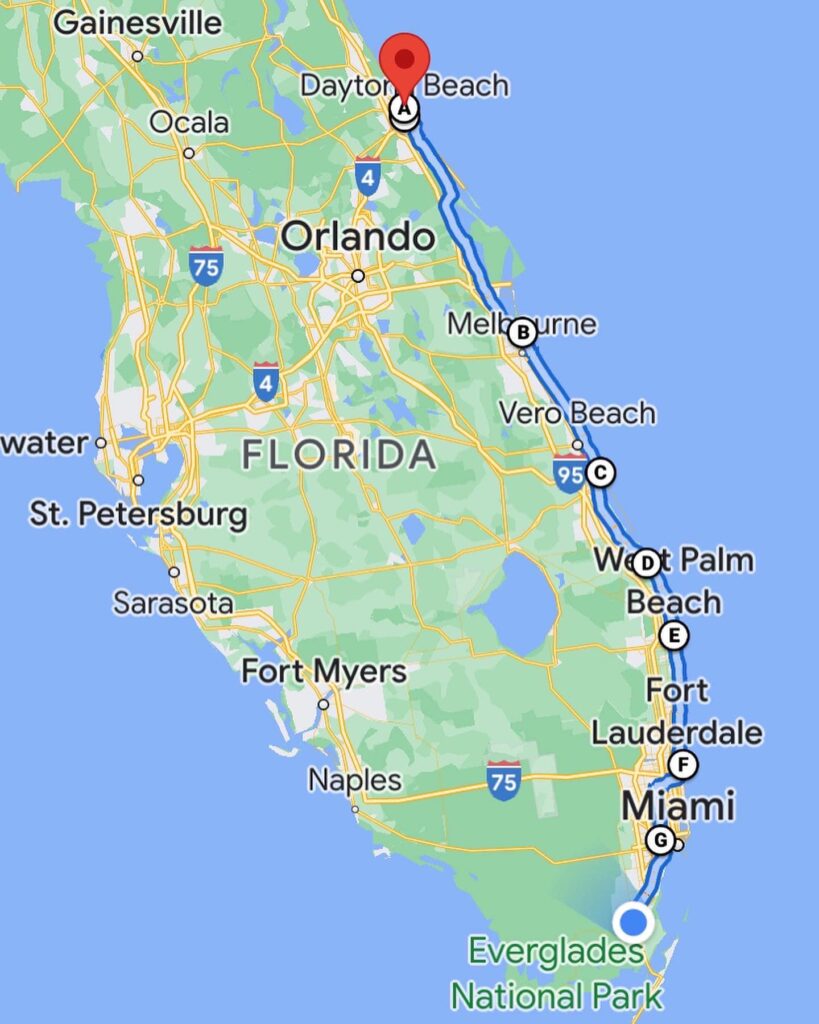
The most common and often the most flexible way to travel between Daytona and Miami is by car. The direct distance is approximately 260 miles (around 418 kilometers), a figure that translates into a manageable road trip for most. This journey predominantly takes place along Florida’s extensive highway system, with Interstate 95 (I-95) serving as the primary artery.
Navigating the Route: I-95 Southbound and Northbound
For those embarking on the drive from Miami to Daytona, the route is straightforward. You’ll primarily be heading north on I-95. This interstate is well-maintained and offers a consistent driving experience, though it’s important to be aware of potential traffic, especially as you pass through or near major urban centers like Fort Lauderdale, West Palm Beach, and Orlando (if you opt for a slightly different, though not necessarily longer, route that skirts the city).
Conversely, if your starting point is Daytona and your destination is Miami, you will be traveling south on I-95. The considerations regarding traffic and potential delays remain the same.
Estimated Driving Times
The estimated driving time for the roughly 260-mile journey is typically between 3.5 to 4.5 hours. However, this is a best-case scenario and does not account for stops or unforeseen circumstances. Factors that can significantly influence your actual travel time include:
- Traffic Congestion: I-95 is a major thoroughfare, and traffic can become heavy, particularly during peak commuting hours, holiday weekends, or around major events in either city or along the route.
- Road Construction: As with any active highway system, there can be ongoing road work that leads to lane closures and slowdowns.
- Weather Conditions: Florida can experience sudden, intense thunderstorms. Heavy rain can reduce visibility and necessitate slower driving speeds.
- Stops: Most drivers will want to make at least one or two stops for gas, snacks, or a restroom break. These can easily add 30 minutes to an hour to your total travel time.
To get the most accurate real-time estimate, it’s always advisable to use a GPS navigation app like Google Maps or Waze shortly before you depart. These apps constantly update traffic conditions and can suggest alternative routes if necessary.
Choosing Your Departure Time
Strategically choosing your departure time can make a significant difference. For instance, leaving Miami early in the morning, before the main rush hour, can help you bypass some of the initial congestion. Similarly, departing Daytona in the late morning or early afternoon might allow you to avoid the afternoon commute as you approach Miami.
Alternative Travel Options: Flights and Buses
While driving is the most popular method, other transportation alternatives exist, each with its own set of advantages and disadvantages.
Flying: The Fastest, But Not Direct
For those seeking the absolute quickest transit, flying might seem like the obvious choice. However, it’s important to note that there are no direct commercial flights between Daytona Beach International Airport (DAB) and Miami International Airport (MIA) or Fort Lauderdale-Hollywood International Airport (FLL).
This means any flight option would involve at least one layover, typically in a major hub city like Atlanta or Charlotte. The total travel time, including getting to and from airports, security checks, boarding, flight time, and baggage claim, can easily exceed the driving time. For example, a flight itinerary might look like this:
- Travel to DAB (allow 1-2 hours).
- Airport security and waiting (allow 2-3 hours).
- Flight duration with layover (can be 5-8 hours or more).
- Travel from MIA or FLL to your final destination in Miami (allow 1-2 hours).
Given these factors, flying is generally not the most efficient or cost-effective method for this particular inter-city travel within Florida.
Bus Services: A Budget-Friendly Choice
Several bus companies, such as Greyhound and FlixBus, offer services between Miami and Daytona. This option is often the most budget-friendly and can be a good choice for solo travelers or those who don’t mind a longer, more relaxed journey.
The bus route typically follows I-95 and the travel time can range from 5 to 7 hours, depending on the number of stops and the specific route taken by the bus company. While this is considerably longer than driving, it allows passengers to sit back, relax, and avoid the stresses of driving and parking.
When considering bus travel, it’s important to check the specific schedules and station locations. Greyhound stations are often located in central areas, while FlixBus may have stops at various points.
Making the Most of Your Journey: Stops and Attractions Along the Way
The drive between Daytona and Miami isn’t just about covering distance; it’s an opportunity to experience more of what Florida has to offer. The route, primarily along I-95, passes through or near several interesting towns and attractions that can break up the journey and add a touch of adventure.
Heading Northbound from Miami: Exploring Central Florida
If you’re driving from Miami to Daytona, you’ll have a chance to explore a diverse range of landscapes and attractions.
- Fort Lauderdale: Known as the “Venice of America,” Fort Lauderdale boasts beautiful beaches, a charming Riverwalk, and a thriving arts scene. A brief stop here could include a stroll along the beach or a boat tour of its famous canals.
- West Palm Beach: This upscale city offers elegant shopping on Worth Avenue, beautiful gardens like the Mounts Botanical Garden, and the Norton Museum of Art. It’s a sophisticated stop for a leisurely lunch or a cultural immersion.
- The Treasure Coast: As you move further north, you’ll pass through the Treasure Coast, an area rich in maritime history and natural beauty. Towns like Vero Beach and Stuart offer charming downtown areas and opportunities for watersports.
- Melbourne and the Space Coast: This region is famous for its connection to space exploration. A visit to the Kennedy Space Center Visitor Complex is a must for space enthusiasts, offering a fascinating glimpse into the history and future of space travel. Melbourne itself offers a pleasant downtown and access to beautiful beaches.
- Orlando (Slight Detour): While not directly on I-95, a slight westward detour can take you to Orlando, the theme park capital of the world. If you have extra time and a passion for rollercoasters and magical experiences, a stop at Walt Disney World Resort or Universal Orlando Resort could be an unforgettable addition to your trip, though it will add significant time to your journey.
Heading Southbound from Daytona: Coastal Charms and Natural Wonders
For those traveling from Daytona to Miami, the journey south offers its own set of compelling detours.
- St. Augustine: The nation’s oldest continuously inhabited European-established settlement, St. Augustine, is a historical gem. Explore the ancient Castillo de San Marcos, wander through the charming cobblestone streets, and soak in the rich colonial history. This is a highly recommended stop for history buffs.
- Ponce Inlet: Just south of Daytona, Ponce Inlet is home to the Ponce de Leon Inlet Lighthouse, the tallest lighthouse in Florida, offering panoramic views of the coastline. It’s a great spot for birdwatching and enjoying the ocean breeze.
- Titusville and the Canaveral National Seashore: This area offers a more natural and less developed coastal experience. The Canaveral National Seashore provides pristine beaches, opportunities for kayaking, and is a prime location for watching rocket launches from Cape Canaveral.
- Kennedy Space Center Visitor Complex: As mentioned earlier, this is a significant attraction for anyone interested in space. If you missed it on the northbound journey, it’s an excellent stop on your way south.
- Viera and Melbourne: These areas offer pleasant parks and a chance to experience a more suburban Florida vibe before reaching the bustling southern cities.
When planning any stops, remember to factor in the additional time required for the detour and exploration. Using navigation apps can help you estimate driving times between these points of interest.
Planning Your Accommodation and Activities
Whether your primary destination is Daytona or Miami, or you plan to spend time exploring both, securing suitable accommodation and planning activities is crucial.
Accommodation Options in Daytona
Daytona Beach is renowned for its association with motorsports, but it also offers a wide range of accommodation options to suit various budgets and preferences.
- Hotels and Motels: From budget-friendly motels along Atlantic Avenue to more upscale hotels offering oceanfront views, there’s a plethora of choices. Many hotels cater to race fans, especially during major events like the Daytona 500.
- Resorts: For those seeking a more luxurious experience, several resorts offer amenities like swimming pools, spa services, and fine dining.
- Vacation Rentals: Apartments and villas can be a great option for families or groups, providing more space and the convenience of a full kitchen.
When visiting during major race events, booking accommodation well in advance is highly recommended due to increased demand.
Accommodation Options in Miami
Miami is a global metropolis, and its accommodation scene is as diverse and vibrant as the city itself.
- Luxury Hotels and Resorts: South Beach and the Miami Design District are home to world-class luxury hotels and resorts, offering unparalleled service and stunning ocean views.
- Boutique Hotels: For a more unique and intimate experience, Miami offers a range of stylish boutique hotels, often found in neighborhoods like Wynwood or Brickell.
- Apartments and Vacation Rentals: Popular platforms offer numerous apartments and villas, particularly in areas like Miami Beach, Sunny Isles Beach, and downtown Miami, providing flexibility for longer stays or family vacations.
- Budget-Friendly Stays: While Miami can be expensive, more affordable options can be found in areas slightly outside the prime tourist zones, or through budget hotel chains.
Activities and Attractions
Both Daytona and Miami offer a wealth of activities:
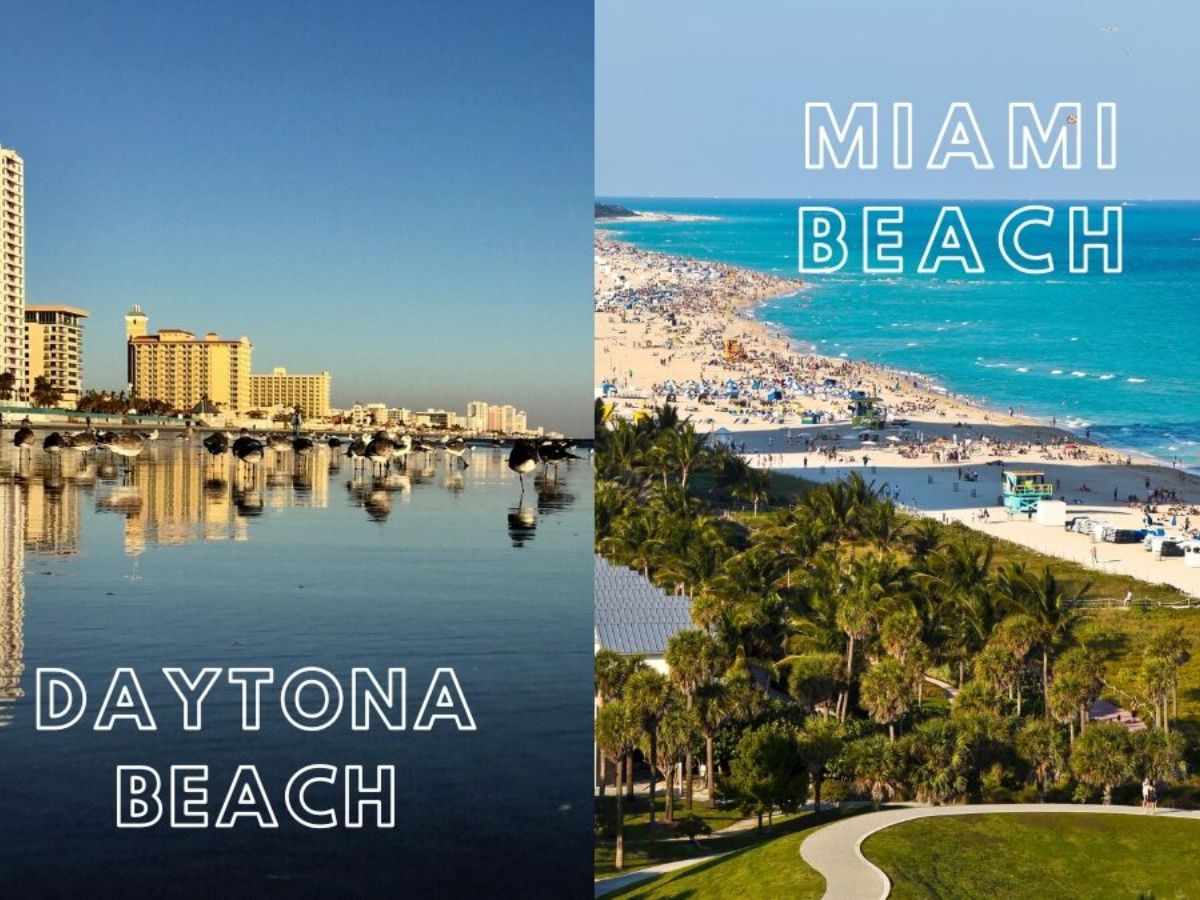
- In Daytona: The absolute must-visit is the Daytona International Speedway, where you can take tours and learn about the history of NASCAR. Beyond racing, Daytona Beach itself is a famous drive-on beach, offering a unique experience. The Daytona Beach Boardwalk provides amusement park thrills, while the Ponce Inlet Lighthouse offers historical insights and scenic beauty. For nature lovers, the Tomoka State Park is a peaceful retreat.
- In Miami: The iconic Miami Beach and the Art Deco historic district are essential. Explore the vibrant street art in Wynwood, enjoy world-class dining and shopping in Brickell, and immerse yourself in the rich Cuban culture of Little Havana. For art and history enthusiasts, the Vizcaya Museum & Gardens and the Pérez Art Museum Miami are excellent choices.
By understanding the distance, transportation options, and the potential for exciting detours, you can craft a memorable travel experience between the electrifying atmosphere of Daytona and the cosmopolitan allure of Miami.
LifeOutOfTheBox is a participant in the Amazon Services LLC Associates Program, an affiliate advertising program designed to provide a means for sites to earn advertising fees by advertising and linking to Amazon.com. Amazon, the Amazon logo, AmazonSupply, and the AmazonSupply logo are trademarks of Amazon.com, Inc. or its affiliates. As an Amazon Associate we earn affiliate commissions from qualifying purchases.