
The passing of a loved one is an inherently difficult time, fraught with emotional challenges. Amidst the grief, families often find themselves navigating complex legal and financial matters, with “probate” frequently emerging as a central concern. In California, understanding what probate entails is crucial for anyone involved in estate planning or for those who become executors or beneficiaries of an estate. Far from a simple process, probate in California is a court-supervised procedure that validates a will (if one exists), inventories the deceased person’s assets, pays off their debts and taxes, and ultimately distributes the remaining assets to the rightful heirs or beneficiaries. This article demystifies the probate process in California, shedding light on its complexities, timelines, and the strategies available to mitigate its impact.

Understanding the Basics of Probate in California
At its core, probate is the legal process of proving the validity of a will and overseeing the administration of an estate. The primary goals are to ensure that the deceased person’s wishes (as expressed in their will) are carried out, that all legitimate creditors are paid, and that assets are transferred to the correct beneficiaries in an orderly and legally compliant manner. In California, the process is governed by the California Probate Code, which outlines specific rules and procedures that must be followed.
What Triggers Probate?
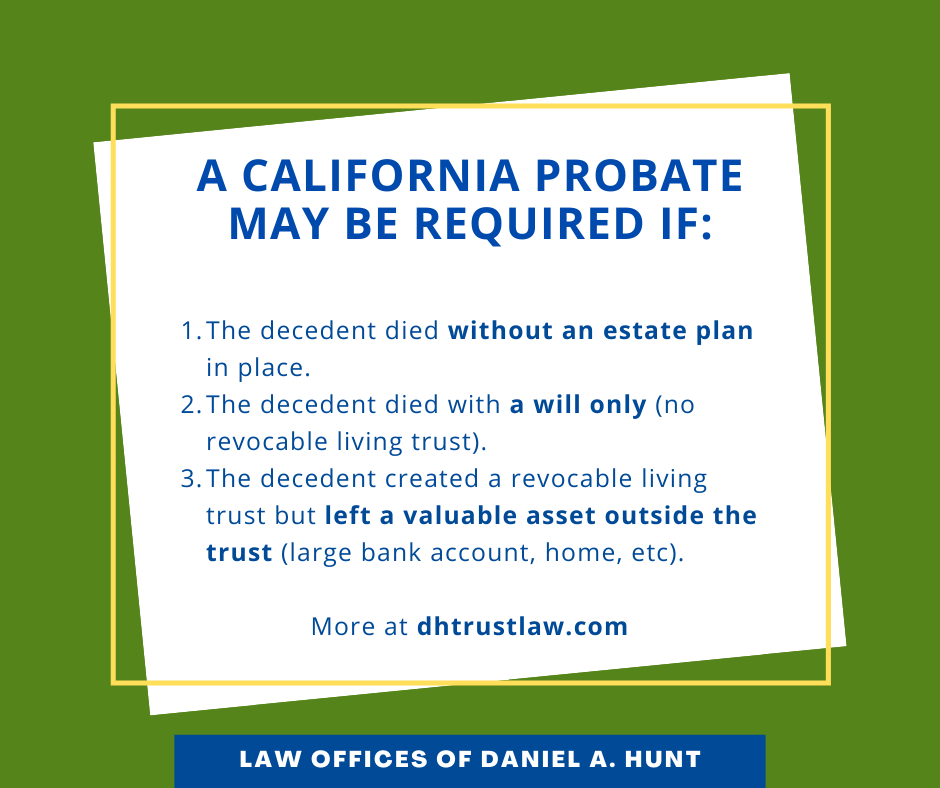
Probate is generally triggered when a person dies owning assets solely in their name, without a designated beneficiary or a mechanism for automatic transfer (like a living trust or joint tenancy). If a person dies with a valid will, they are said to have died “testate,” and the will dictates how their assets should be distributed. If they die without a will, they are said to have died “intestate,” and California’s laws of intestate succession will determine who inherits their estate. Even with a will, probate is often necessary to legally validate the will and ensure its provisions are executed correctly.
Key Players in the Probate Process
Several key individuals play distinct roles in the California probate process:
- The Decedent: The person who has died.
- The Petitioner: The individual who initiates the probate process, typically the named executor in the will or a close family member if there is no will.
- The Executor/Administrator: This is the personal representative of the estate. If there is a will, the person named to manage the estate is called the executor. If there is no will, or if the named executor is unable or unwilling to serve, the court appoints an administrator. This individual is responsible for collecting assets, paying debts, and distributing the estate.
- Beneficiaries/Heirs: Beneficiaries are individuals named in a will to receive assets. Heirs are those who inherit under California law when there is no will.
- The Probate Court: The branch of the Superior Court in California that oversees the probate process, ensuring all steps comply with legal requirements.
- Creditors: Individuals or entities to whom the deceased person owed money.
The California Probate Process: Step-by-Step
The probate process in California can be lengthy and complex, typically involving several distinct stages. Understanding these steps can help prepare families for what lies ahead.
Initial Steps: Filing the Petition
The process begins when the petitioner files a “Petition for Probate” with the Superior Court in the county where the deceased resided. This petition asks the court to formally appoint an executor (if there’s a will) or an administrator (if there’s no will). The will, if it exists, is submitted along with the petition. A hearing date is set, usually several weeks after the initial filing.
Notifying Heirs and Creditors
Once the petition is filed, notice of the probate hearing must be properly given to all legal heirs, beneficiaries named in the will, and potential creditors. This is typically done through mail and, in some cases, by publication in a local newspaper. Creditors are given a specific period (usually four months from the date of appointment of the executor/administrator) to file claims against the estate. The executor/administrator is responsible for evaluating these claims and paying valid ones.
Inventorying and Appraising Assets
A critical phase involves identifying, inventorying, and appraising all assets of the deceased’s estate. This includes real estate, bank accounts, investment portfolios, personal property (jewelry, art, vehicles), and business interests. Professional appraisers may be hired for significant assets like real estate or valuable collectibles. An “Inventory and Appraisal” form is filed with the court, listing all assets and their values at the date of death.
Paying Debts and Taxes
After assets are identified and valued, the executor/administrator must pay all valid debts, funeral expenses, and administrative costs of the estate. This also includes any federal or state income taxes, as well as potential estate taxes (though federal estate tax only applies to very large estates, and California does not have its own estate or inheritance tax). Assets may need to be sold to cover these obligations.
Distributing Assets
Once all debts, taxes, and expenses are paid, the executor/administrator requests court approval to distribute the remaining assets to the beneficiaries or heirs according to the will or California intestate succession laws. A final accounting of all financial transactions during probate is also submitted to the court for approval. After court approval, the assets are distributed, and the estate is formally closed.
When Is Probate Necessary (and When Is It Not)?
Not every estate in California requires formal probate. There are specific thresholds and types of assets that can bypass this process, saving time, money, and emotional stress for families.

Assets Subject to Probate
Generally, only assets owned solely by the deceased person, without a designated beneficiary, are subject to probate. These typically include:
- Real estate held solely in the deceased’s name or as a tenant in common.
- Bank accounts, investment accounts, and brokerage accounts held solely in the deceased’s name without a payable-on-death (POD) or transfer-on-death (TOD) designation.
- Personal property such as vehicles, jewelry, artwork, and household furnishings.
- Business interests owned solely by the deceased.
Common Probate Avoidance Strategies
Many individuals proactively plan their estates to minimize or avoid probate. Some effective strategies include:
- Living Trusts: This is one of the most popular methods in California. Assets transferred into a living trust avoid probate because the trust, not the individual, owns them. A successor trustee can then distribute the assets according to the trust’s terms without court intervention.
- Joint Tenancy with Right of Survivorship: Assets held in joint tenancy (e.g., real estate, bank accounts) automatically pass to the surviving joint owner upon the death of one owner, bypassing probate.
- Beneficiary Designations: Life insurance policies, retirement accounts (401(k)s, IRAs), and certain bank/brokerage accounts allow for direct beneficiary designations (POD/TOD). These assets transfer directly to the named beneficiaries outside of probate.
- Community Property with Right of Survivorship: In California, married couples can hold community property with a right of survivorship, allowing the asset to pass to the surviving spouse without probate.
- Small Estate Affidavit: California law provides for a simplified procedure for estates valued at less than a certain amount (currently $184,500 as of 2023, excluding certain assets). This allows heirs to collect assets without formal probate.
The Role of Legal Counsel and Typical Timelines
Given its complexities, navigating probate in California often necessitates professional guidance.
Navigating Probate with an Attorney
While it is possible to handle probate without an attorney, it is generally not recommended, especially for estates of significant value or those with contentious heirs or complex assets. A probate attorney can:
- Prepare and file all necessary court documents.
- Advise the executor/administrator on their legal duties and responsibilities.
- Handle communication with beneficiaries and creditors.
- Represent the estate in court hearings.
- Ensure compliance with all California Probate Code requirements, minimizing the risk of errors or delays.
The fees for probate attorneys and the executor/administrator are set by California statute and are based on the gross value of the probate estate.
How Long Does Probate Take in California?
The duration of probate in California can vary significantly depending on the estate’s complexity, court caseloads, and whether any disputes arise. A straightforward, uncontested probate might take 9-18 months. However, if there are challenges to the will, disputes among heirs, or complex assets that are difficult to value or sell, the process can easily stretch for two years or more. Factors such as a slow court system, difficulty locating heirs, or issues with creditors can also prolong the timeline.
Implications and Why Planning Matters
The impact of probate extends beyond mere legal formalities. It carries significant financial and emotional implications for surviving family members.
Costs Associated with Probate
Probate is not a free process. The costs can substantially reduce the inheritance received by beneficiaries. These costs typically include:
- Court filing fees: Mandated fees to initiate and process the probate case.
- Publication fees: Costs associated with legally notifying creditors.
- Appraisal fees: Charges for professional appraisers to value estate assets.
- Executor/Administrator fees: Statutory fees paid to the personal representative for their services.
- Attorney fees: Statutory fees paid to the probate attorney.
- Miscellaneous administrative expenses: Such as bond premiums, certified copies, and property maintenance costs.
In California, statutory fees for both the attorney and the executor are calculated as a percentage of the gross value of the probate estate (before debts are paid), which can be substantial. For example, on an estate valued at $1,000,000, the statutory attorney fees alone would be $23,000, plus an equal amount for the executor, totaling $46,000 before other costs.
The Importance of Estate Planning
Understanding the intricacies and potential drawbacks of probate in California underscores the vital importance of proactive estate planning. By creating a comprehensive estate plan, individuals can:
- Avoid or minimize probate: Through tools like living trusts and appropriate beneficiary designations, assets can bypass the costly and time-consuming probate court process.
- Ensure wishes are honored: A well-drafted will or trust clearly articulates how assets should be distributed, preventing disputes among family members.
- Reduce taxes and expenses: Strategic planning can minimize estate taxes (if applicable) and probate costs, preserving more of the estate for beneficiaries.
- Appoint fiduciaries: Designate trusted individuals to manage financial affairs (through a Durable Power of Attorney) and make healthcare decisions (through an Advance Healthcare Directive) if incapacitated.
- Provide for minor children: Appoint guardians for minor children and establish trusts to manage their inheritance until they reach a responsible age.
In conclusion, while “What Is Probate In California?” may seem like a purely legal question, its implications profoundly affect the financial well-being and lifestyle security of individuals and their families. Navigating the California probate system can be a daunting experience, but with proper understanding and proactive estate planning, much of its burden can be mitigated, allowing families to focus on healing rather than legal complexities.
LifeOutOfTheBox is a participant in the Amazon Services LLC Associates Program, an affiliate advertising program designed to provide a means for sites to earn advertising fees by advertising and linking to Amazon.com. Amazon, the Amazon logo, AmazonSupply, and the AmazonSupply logo are trademarks of Amazon.com, Inc. or its affiliates. As an Amazon Associate we earn affiliate commissions from qualifying purchases.