
For travelers seeking a dramatic contrast to the glittering lights of the Las Vegas Strip, the vast, otherworldly landscapes of Death Valley National Park offer an unforgettable escape. While seemingly worlds apart in their offerings, these two iconic destinations in the American Southwest are surprisingly close, making a combined trip not just feasible but highly recommended for those looking to experience both urban excitement and unparalleled natural beauty. The question “How far is Death Valley National Park from Las Vegas?” is a common one, and understanding this proximity is key to planning an epic adventure.
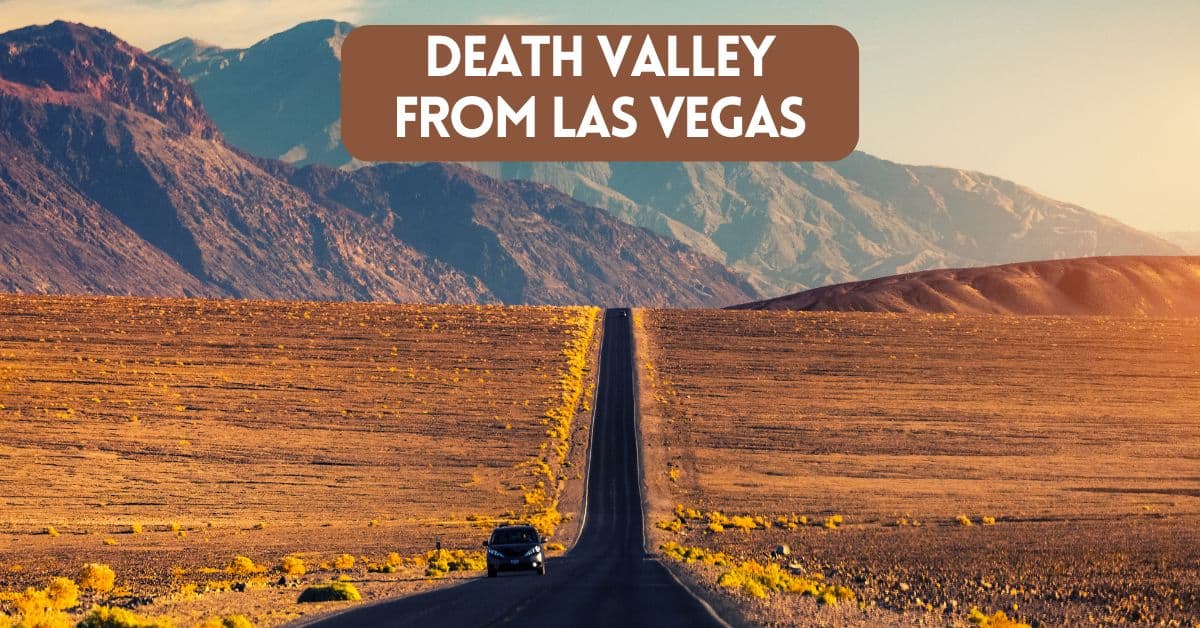
Generally, the distance from Las Vegas, Nevada, to the heart of Death Valley National Park in California is approximately 120 to 140 miles (193 to 225 kilometers), depending on your specific starting point in Las Vegas and your intended entry point or destination within the sprawling national park. This translates to a relatively straightforward drive of about 2 to 2.5 hours without significant stops. This manageable distance positions Death Valley National Park as an ideal day trip or an overnight extension for visitors based in Las Vegas, offering a convenient transition from the hustle and bustle of city life to the profound tranquility and stark majesty of the desert.
The Journey: Distance, Drive Time, and Scenic Routes
The drive from Las Vegas to Death Valley National Park is more than just a means to an end; it’s an integral part of the experience, traversing diverse desert landscapes that hint at the geological wonders ahead. Understanding the different routes and what to expect ensures a smooth and enjoyable journey.
The Direct Route and Essential Prep
The most common and direct route typically involves heading west out of Las Vegas on Blue Diamond Road (NV-160) towards Pahrump, Nevada. From Pahrump, you continue west on CA-178, which eventually leads you directly into the park, often near the Furnace Creek area, home to the visitor center and key attractions. This route is well-maintained and provides a relatively quick passage, clocking in at around 120 miles and roughly two hours of driving.
Another popular option involves taking US-95 North from Las Vegas towards Beatty, Nevada. From Beatty, you can take NV-374 southwest, which crosses the California state line and merges with CA-190, leading you into the eastern side of Death Valley National Park near Stovepipe Wells Village. This route is slightly longer, closer to 140 miles, but offers different perspectives of the Mojave Desert.
Regardless of the chosen path, essential preparation is paramount. Ensure your vehicle is in good condition, as services are extremely limited within the park. Fill up your gas tank in Pahrump or Beatty before entering the park, as gas prices inside Death Valley National Park are significantly higher. Most importantly, carry plenty of water – far more than you think you’ll need – especially during warmer months. Temperatures in Death Valley National Park can be extreme, and dehydration is a serious risk. Snacks, sun protection (hats, sunscreen, sunglasses), and a good map (as cell service is spotty to non-existent) are also crucial.
Alternative Scenic Pathways
While the direct routes are efficient, adventurous travelers might consider slightly longer, more scenic options. For instance, combining a trip to Death Valley National Park with a visit to the historic mining town of Rhyolite or the ghost towns scattered along the way can enrich the experience. These routes, though adding a bit more mileage and time, offer a deeper dive into the region’s rich history and unique character. Travelers could even loop through areas like Shoshone, California, for a different perspective on the park’s southern entrance, though this would typically be part of a multi-day itinerary.
Exploring Death Valley: A Natural Landmark Wonderland
Once you arrive, Death Valley National Park unfolds as a geological marvel, a land of extremes and breathtaking beauty that captivates visitors with its vastness and unique features. As one of the largest national parks in the contiguous United States, it’s a paradise for nature enthusiasts and photographers alike.
Must-See Sights and Experiences
Death Valley National Park boasts an impressive array of iconic landmarks and attractions, each offering a distinct facet of the park’s dramatic landscape:
- Badwater Basin: The lowest point in North America at 282 feet (86 meters) below sea level. Here, salt flats stretch as far as the eye can see, forming surreal polygonal patterns. It’s an essential stop for its unique geological significance and stunning photo opportunities, particularly at sunrise or sunset.
- Zabriskie Point: Famous for its eroded badlands formed by the ancient Furnace Creek Lake. The vibrant hues of the sediment layers are especially captivating during the golden hours of dawn and dusk, offering panoramic views.
- Dante’s View: Perched at 5,475 feet (1,669 meters) above Badwater Basin, this overlook provides a breathtaking, expansive vista of the entire southern end of Death Valley National Park. On a clear day, you can see both the highest and lowest points in the contiguous United States: Mount Whitney and Badwater Basin.
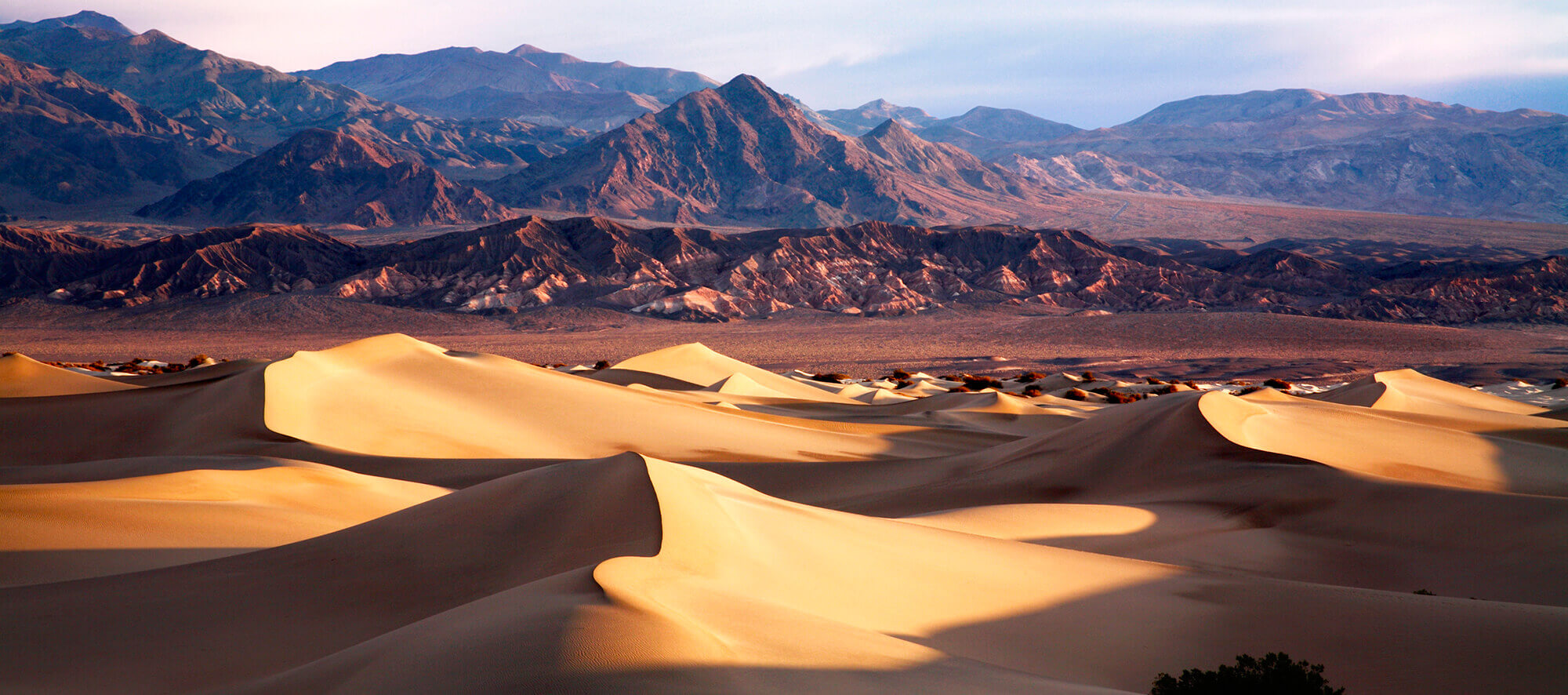
- Mesquite Flat Sand Dunes: Located near Stovepipe Wells Village, these iconic dunes are easily accessible and provide a classic desert landscape. They are popular for photography, especially in the soft light of early morning or late afternoon, and for stargazing.
- Artist’s Palette and Artist’s Drive: A scenic loop drive winding through colorful volcanic and sedimentary hills. The Artist’s Palette stop reveals rock formations streaked with a vibrant array of colors—greens, purples, yellows, and reds—resulting from the oxidation of various metals within the volcanic ash.
- Devil’s Golf Course: Another unique salt pan feature, this area consists of jagged, spiky salt formations so rough that “only the devil could play golf on it.” It’s an otherworldly landscape that truly highlights the harsh beauty of the park.
- Harmony Borax Works: For a touch of history, explore the remains of this 19th-century borax operation, complete with old wagons and interpretive displays. It tells the story of early industry in Death Valley National Park and the famous “20 Mule Teams.”
Planning Your Visit: Best Time and Tips
The best time to visit Death Valley National Park is from late fall through spring (October to May), when temperatures are much more moderate and pleasant for hiking and exploration. Summers, particularly from June to September, bring extreme heat, with daily temperatures often exceeding 100°F (38°C) and sometimes reaching world-record highs. While the park is open year-round, summer visits require extreme caution, limiting outdoor activities to early mornings and late evenings.
Always check the weather forecast and park conditions before you go. Remember to wear appropriate clothing for desert conditions, including layered attire, a wide-brimmed hat, and sturdy closed-toe shoes. Bring reusable water bottles to minimize waste and ensure constant hydration. The Furnace Creek Visitor Center is an excellent first stop for maps, current conditions, ranger programs, and educational exhibits.
Making the Most of Your Trip: Accommodation and Lifestyle Choices
Whether you prefer the immersive experience of staying within Death Valley National Park or the comfort and amenities of a Las Vegas base, there are diverse accommodation options to suit every traveler’s style and budget.
Staying Within Death Valley: Unique Lodging Options
For those who wish to fully immerse themselves in the desert experience, staying overnight within Death Valley National Park offers unparalleled access to stargazing, early morning exploration, and a deeper connection with the natural environment. While options are limited, they are well-regarded for their unique character:
- The Oasis at Death Valley: This resort complex includes two distinct properties. The historic and luxurious Inn at Death Valley (formerly Furnace Creek Inn) offers a high-end experience with stunning views, a spring-fed pool, and fine dining. The more family-friendly Ranch at Death Valley (formerly Furnace Creek Ranch) provides a range of accommodations, including casitas and standard rooms, along with a general store, restaurants, and a golf course.
- Stovepipe Wells Village Hotel: Situated near the Mesquite Flat Sand Dunes, this hotel offers a more rustic and historic feel. It includes a general store, a restaurant, and a saloon, providing a convenient base for exploring the northern parts of the park.
- Campgrounds: Death Valley National Park offers several campgrounds, ranging from developed sites with amenities (like Furnace Creek Campground) to more primitive, first-come, first-served options. Camping under the stars in Death Valley National Park is an unforgettable experience, particularly during meteor showers or new moons.
Given the limited number of accommodations, especially during peak season (winter and spring), it is highly recommended to book well in advance if you plan to stay within the park.
Las Vegas as Your Base: Luxury and Budget Accommodations
For many, using Las Vegas as a base is the most practical and appealing option. With its vast array of hotels, Las Vegas caters to every budget and travel style. You can find everything from opulent luxury resorts to more budget-friendly motels, making it easy to find accommodation that perfectly suits your preferences.
Staying in Las Vegas allows you to enjoy the city’s world-class entertainment, dining, and nightlife after a day of desert exploration. You can opt for a grand experience at properties like the Bellagio, The Venetian Resort Las Vegas, or Caesars Palace, enjoying amenities like spa services, gourmet restaurants, and captivating shows. Alternatively, numerous mid-range and budget hotels off the main Las Vegas Strip provide comfortable and affordable stays.
The proximity of Las Vegas Harry Reid International Airport (formerly McCarran International Airport) also makes Las Vegas a convenient starting point for international and domestic travelers. Car rental agencies are plentiful, allowing for easy pickup of a vehicle suitable for the desert drive.
Combining the Best of Both Worlds: Desert Serenity and City Glamour
The close proximity of Death Valley National Park to Las Vegas makes it an ideal pairing for a diverse and memorable vacation. Travelers can seamlessly transition from the vibrant energy of the city to the profound quiet of the desert, creating a truly unique travel experience.
Suggested Itineraries and Activities
- Day Trip from Las Vegas: A popular option is to depart Las Vegas early in the morning, dedicating a full day to exploring the main highlights of Death Valley National Park (like Badwater Basin, Zabriskie Point, Dante’s View, and Mesquite Flat Sand Dunes). You can enjoy lunch at The Oasis at Death Valley or Stovepipe Wells Village Hotel before heading back to Las Vegas in the late afternoon or early evening, just in time for dinner and a show.
- Overnight Stay in Death Valley: For a more relaxed pace, consider spending one or two nights within the park. This allows for stargazing opportunities, exploring less-visited trails, and experiencing the desert’s quiet beauty without the rush. You can then return to Las Vegas to cap off your trip with some urban indulgence.
- Multi-Destination Road Trip: Death Valley National Park can also be incorporated into a larger Southwest road trip, perhaps combining it with visits to other natural wonders like Red Rock Canyon National Conservation Area or Valley of Fire State Park, both also easily accessible from Las Vegas. Even a detour to Hoover Dam and Lake Mead on the way to or from Las Vegas can add another dimension to your adventure.
Tips for a Seamless Adventure
- Rent an Appropriate Vehicle: While a 4×4 isn’t strictly necessary for the main paved roads, a reliable car with good clearance is advisable, especially if you plan to explore any unpaved backcountry roads (check with the park rangers first).
- Start Early: Especially for day trips, departing Las Vegas early ensures you have ample time to explore Death Valley National Park before the hottest part of the day (if visiting in spring/fall) or before sunset.
- Pack Smart: In addition to water, snacks, and sun protection, bring a first-aid kit, a flashlight, and a fully charged cell phone (for emergencies in areas with reception, or simply for photos).
- Respect the Environment: Death Valley National Park is a fragile ecosystem. Stay on marked trails, do not disturb wildlife, and pack out everything you pack in.
- Flexibility is Key: Weather conditions can change rapidly in the desert. Be prepared to adjust your plans if necessary, especially during flash flood warnings or extreme heat advisories.
In conclusion, the journey from Las Vegas to Death Valley National Park is remarkably short and straightforward, opening up a world of contrasting experiences for any traveler. Whether you choose a quick day trip or an extended stay, the natural splendor of Death Valley National Park combined with the vibrant appeal of Las Vegas promises an unforgettable adventure that blends the best of both desert serenity and city glamour.
LifeOutOfTheBox is a participant in the Amazon Services LLC Associates Program, an affiliate advertising program designed to provide a means for sites to earn advertising fees by advertising and linking to Amazon.com. Amazon, the Amazon logo, AmazonSupply, and the AmazonSupply logo are trademarks of Amazon.com, Inc. or its affiliates. As an Amazon Associate we earn affiliate commissions from qualifying purchases.