
The question of “how far” is often the first step in planning any journey, whether it’s for a daily commute, a weekend getaway, or a business trip. For those considering travel within the expansive North Texas region, understanding the distance and travel dynamics between Denton, Texas and Dallas, Texas is essential. These two vibrant cities, though distinct in character, are integral parts of the larger Dallas-Fort Worth Metroplex (DFW Metroplex) and are connected by a web of highways and public transit options. This guide delves into the precise distances, estimated travel times, various transportation methods, and practical considerations for navigating the route, ensuring a smooth and informed travel experience between these dynamic Texas destinations.
Understanding the Distance and Travel Time
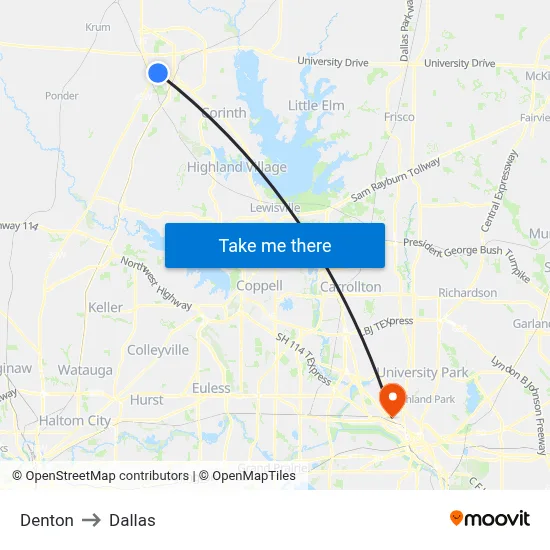
At its core, the journey from Denton to Dallas is a manageable one for most travelers within the DFW Metroplex. The exact distance can vary slightly depending on the specific starting and ending points within each city, as well as the chosen route. However, a general approximation provides a clear picture.
Geographic Proximity
Denton is situated to the northwest of Dallas. The two cities are connected primarily by Interstate 35E (I-35E), a major north-south artery that bisects the region. This highway serves as the most direct and frequently used corridor for commuters and travelers alike. While other routes exist, I-35E is almost universally the fastest option for those driving.
Average Distance and Driving Time
The typical driving distance between downtown Denton and downtown Dallas is approximately 35 to 40 miles (56 to 64 kilometers).
Under ideal driving conditions—meaning minimal traffic, clear weather, and adherence to speed limits—the journey by car can typically be completed in about 40 to 50 minutes. However, it is crucial to emphasize that “ideal conditions” are often a luxury, especially during peak travel times.
Factors Influencing Travel Duration
Several elements can significantly impact how long it takes to travel between Denton and Dallas:
- Time of Day: Rush hour traffic (generally 6:00 AM to 9:00 AM and 4:00 PM to 7:00 PM on weekdays) can easily double or even triple the travel time. A 45-minute drive could stretch to 1.5 to 2 hours during these periods, particularly in the highly congested sections closer to Dallas.
- Day of the Week: Weekday travel, especially during commuting hours, is inherently slower than weekend travel.
- Construction: Road construction projects are common throughout the DFW Metroplex and can lead to lane closures, detours, and reduced speeds.
- Special Events: Major events in either city, such as concerts, sports games, or festivals, can cause localized traffic surges and parking challenges.
- Weather Conditions: Heavy rain, fog, or ice (though less frequent) can slow down traffic and make driving more hazardous.
For accurate real-time travel estimates, relying on GPS navigation apps like Google Maps or Waze is highly recommended, as they account for current traffic conditions and suggest alternative routes if available.
Transportation Options: Navigating the Route
Travelers have several choices for traversing the distance between Denton and Dallas, each offering distinct advantages in terms of cost, convenience, and travel experience.
Driving by Car
Driving remains the most popular and flexible option for many. The primary route is via Interstate 35E.
- Route Details: From Denton, drivers simply merge onto I-35E South and follow it directly into downtown Dallas. The highway provides straightforward access to various Dallas neighborhoods and business districts.
- Advantages: Maximum flexibility for departure times, ability to carry luggage, and direct access to specific destinations without transfers.
- Considerations: Potential for significant traffic delays during peak hours, parking costs and availability in Dallas, and fuel expenses.
Public Transportation: Rail and Bus Services
For those preferring to avoid driving, public transportation offers a viable and often less stressful alternative, though it typically involves transfers.

- Denton County Transportation Authority (DCTA) A-Train and Dallas Area Rapid Transit (DART):
- The DCTA operates the A-Train, a commuter rail line that runs from Denton south to Carrollton.
- In Carrollton, passengers can seamlessly transfer to the DART Green Line, which continues into downtown Dallas and beyond.
- Travel Time by Public Transit: This multi-modal journey typically takes between 1 hour 15 minutes to 1 hour 45 minutes, depending on wait times for transfers and the specific destination within Dallas. While longer than driving in light traffic, it eliminates the stress of driving and parking.
- Advantages: Cost-effective (especially with multi-day passes), environmentally friendly, allows passengers to relax or work during the commute, and avoids traffic congestion.
- Considerations: Fixed schedules, requiring planning around departure and arrival times, and potential for multiple transfers depending on the final destination.
Ride-Sharing and Taxis
Services like Uber, Lyft, and traditional taxis provide on-demand transportation.
- Advantages: Convenience, door-to-door service, and elimination of parking concerns.
- Considerations: Cost can be significantly higher than public transit or driving, especially during surge pricing. Travel time is subject to the same traffic conditions as personal vehicles.
Traveling for a Purpose: What Awaits in Each City
The journey between Denton and Dallas is often undertaken for specific reasons, whether it’s for work, education, leisure, or to connect with family and friends. Understanding the unique offerings of each city can enrich the travel experience.
Why Travel to Dallas?
Dallas is a major economic and cultural hub, offering a vast array of attractions and opportunities.
- Business and Commerce: As a global business center, Dallas attracts professionals for meetings, conferences, and corporate activities. The downtown area and surrounding business districts are bustling with activity.
- Arts and Culture: The Dallas Arts District is one of the largest contiguous urban arts districts in the nation, home to world-class museums like the Dallas Museum of Art, the Nasher Sculpture Center, and the Winspear Opera House. Other notable cultural sites include the Sixth Floor Museum at Dealey Plaza and the Perot Museum of Nature and Science.
- Entertainment and Nightlife: Areas like Deep Ellum and the Bishop Arts District offer vibrant nightlife, live music venues, eclectic restaurants, and unique boutiques.
- Shopping: From high-end luxury at NorthPark Center to unique finds in various neighborhoods, Dallas is a shopper’s paradise.
- Sports: Home to numerous professional sports teams, including the Dallas Mavericks (NBA), Dallas Stars (NHL), and nearby Dallas Cowboys (NFL) in Arlington, the city is a magnet for sports enthusiasts.
- Family Attractions: The Dallas World Aquarium, Dallas Arboretum and Botanical Garden, and Klyde Warren Park provide excellent options for family outings.
Why Travel to Denton?
Denton, often referred to as “Little D,” offers a charming, eclectic atmosphere with a strong emphasis on music, education, and community.
- University Town: Home to the University of North Texas and Texas Woman’s University, Denton has a youthful, intellectual, and arts-focused vibe.
- Music Scene: Denton is renowned for its vibrant independent music scene, often producing nationally recognized artists. Live music venues dot the historic Denton Square and surrounding areas.
- Historic Denton Square: The heart of Denton, the Square is a lively hub of unique boutiques, antique shops, local restaurants, and cafes, centered around the iconic Denton County Courthouse-on-the-Square Museum.
- Outdoor Recreation: For nature lovers, Denton is close to Ray Roberts Lake State Park, offering opportunities for fishing, boating, hiking, and camping.
- Festivals and Events: Throughout the year, Denton hosts numerous festivals, including the Denton Arts and Jazz Festival and the 35 Denton Music Festival, drawing visitors from across the region.
Practical Travel Tips for the Denton-Dallas Route
To ensure a smooth and enjoyable journey, consider these practical tips, regardless of your mode of transport.
Planning Your Journey
- Check Real-Time Traffic: Always consult a reliable GPS navigation app before heading out, especially if driving during potential rush hours. This can help you anticipate delays and choose the best departure time.
- Public Transit Schedules: If using the A-Train and DART, check their respective schedules in advance, particularly for weekend or holiday travel, as service frequency may differ.
- Parking in Dallas: If driving into Dallas, research parking options and costs at your destination beforehand. Downtown Dallas has numerous parking garages, but they can be expensive. Consider using a park-and-ride lot on the outskirts of the city and completing your journey via DART.
During Your Travel
- Stay Hydrated and Prepared: Especially during Texas summers, ensure you have water and snacks, particularly if you anticipate potential traffic delays or extended public transport journeys.
- Entertainment: For longer public transit rides or potential traffic jams, having a book, podcast, or music can make the journey more pleasant.
- Safety: Always be aware of your surroundings, whether driving or using public transportation. In Dallas, especially in bustling areas, keep valuables secure.
Beyond the Direct Route
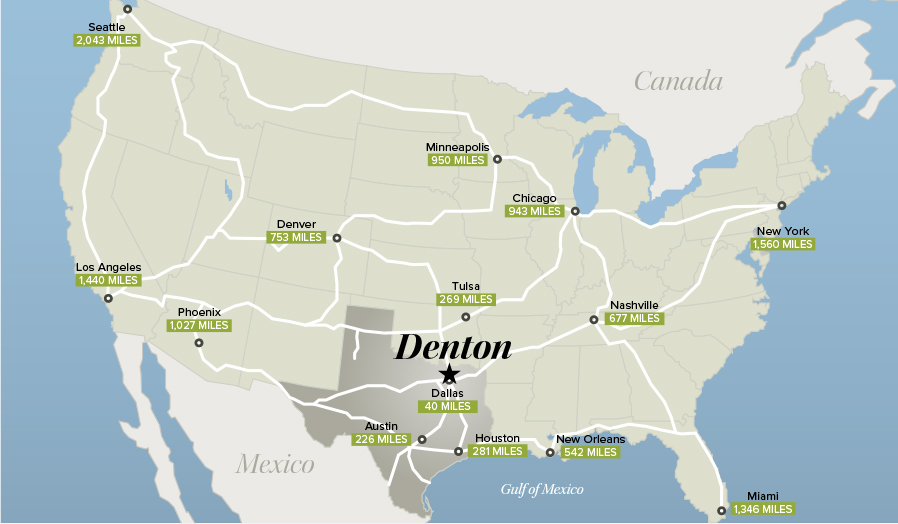
While I-35E is the main artery, travelers might occasionally use alternatives depending on their specific start and end points. For instance, those coming from eastern Denton County areas might consider US Route 380 to connect to other highways heading south towards Dallas. However, these generally add significant travel time compared to the direct I-35E route.
The distance between Denton, Texas and Dallas, Texas is a fundamental piece of information for anyone planning travel within the North Texas region. With approximately 35-40 miles separating the two, the journey is relatively short but can be influenced by various factors. Whether you opt for the convenience of driving, the efficiency of public transit, or the ease of ride-sharing, both cities offer unique experiences worth the trip. By understanding the distances, travel times, and available options, travelers can make informed decisions to ensure their journey between these two vibrant Texas destinations is as smooth and enjoyable as possible.
LifeOutOfTheBox is a participant in the Amazon Services LLC Associates Program, an affiliate advertising program designed to provide a means for sites to earn advertising fees by advertising and linking to Amazon.com. Amazon, the Amazon logo, AmazonSupply, and the AmazonSupply logo are trademarks of Amazon.com, Inc. or its affiliates. As an Amazon Associate we earn affiliate commissions from qualifying purchases.