
While providing a real-time, instantaneous temperature reading for Orlando, Florida is beyond the scope of a static article, understanding the prevailing climate and seasonal temperature trends is paramount for any traveler planning a visit to the “Theme Park Capital of the World.” Orlando’s weather is a defining characteristic of the travel experience, influencing everything from what to pack to the best time to visit and the activities you’ll enjoy. This comprehensive guide delves into the typical temperature patterns of this popular destination, offering insights and practical advice to help you navigate its climate and ensure an unforgettable trip, regardless of the thermometer’s daily reading. For the most up-to-the-minute forecast, always consult a reliable weather app or local news source closer to your travel date.
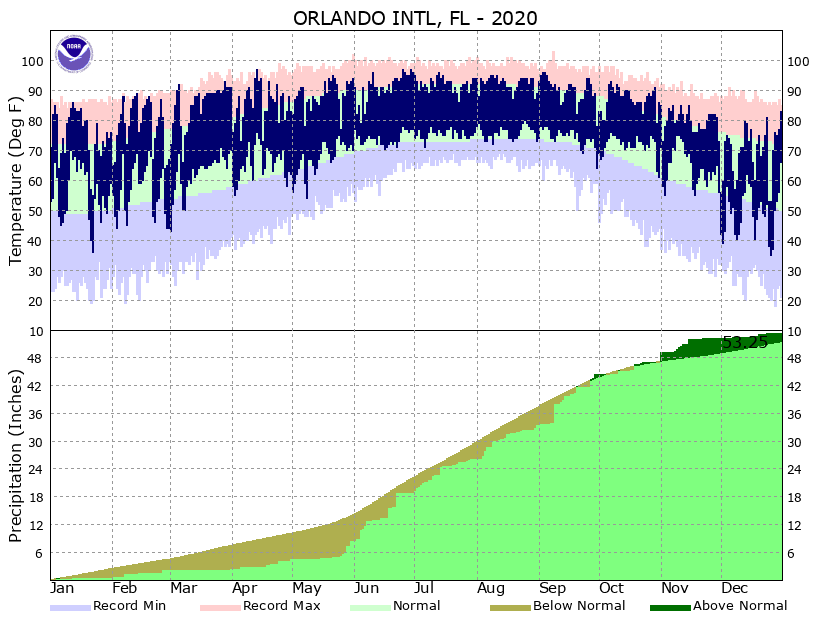
Understanding Orlando’s Climate: A Traveler’s Guide
Orlando is nestled in the heart of Florida, a state renowned for its sunshine and subtropical climate. This geographical positioning dictates much of what travelers can expect from its weather throughout the year. Knowing these fundamental climatic characteristics is the first step in successful travel planning.
Subtropical Nuances: Defining Orlando’s Weather
The overarching characteristic of Orlando’s weather is its subtropical humid climate. This means travelers should anticipate warm temperatures for the majority of the year, coupled with significant humidity, especially during the summer months. Sunshine is abundant, earning Florida its “Sunshine State” moniker. While extreme cold is rare, temperatures can occasionally dip during brief winter cold fronts. The combination of heat and humidity influences the feel of the air more than just the numerical temperature, often making warm days feel hotter.
Average Temperatures by Season
To give travelers a clearer picture, here’s a general breakdown of average temperatures throughout Orlando’s distinct, albeit subtle, seasons:
- Winter (December – February): This is Orlando’s coolest and driest season. Daytime highs typically range from the low to mid-70s Fahrenheit (21-24°C), with nighttime lows in the 50s Fahrenheit (10-15°C). While occasional cold snaps can bring temperatures into the 30s or 40s Fahrenheit (around 0-10°C) for a day or two, these are usually short-lived.
- Spring (March – May): As spring unfolds, temperatures steadily climb. Daytime highs usually sit in the upper 70s to upper 80s Fahrenheit (25-31°C), with evenings remaining pleasantly mild in the 60s Fahrenheit (16-20°C). Humidity begins to increase but is generally more comfortable than in summer.
- Summer (June – August): Prepare for the heat! Summer in Orlando is characterized by high temperatures and significant humidity. Daily highs frequently reach the low to mid-90s Fahrenheit (32-35°C), often feeling even hotter due to the humidity index. Nighttime lows rarely drop below the mid-70s Fahrenheit (24-25°C). Afternoon thunderstorms are a daily occurrence during this season.
- Autumn (September – November): This is a transitional period where the intense summer heat gradually gives way to milder conditions. Early autumn can still feel very much like summer, with highs in the 80s Fahrenheit (27-31°C). By November, temperatures typically settle into the mid-70s to low 80s Fahrenheit (24-28°C), and humidity starts to decrease, making it a popular time to visit.
Seasonal Temperature Trends and What They Mean for Your Trip
Understanding these seasonal shifts is crucial for optimizing your Orlando travel experience. Each season offers a unique atmosphere and presents different opportunities and challenges for visitors.
Winter Wonders (December – February): Mild and Pleasant
Winter in Orlando is often considered the peak season by many travelers, largely due to its wonderfully mild and dry weather. The comfortable temperatures make it ideal for extended days exploring theme parks like Walt Disney World Resort and Universal Orlando Resort without the sweltering heat. Outdoor activities, from golfing at world-class courses to airboat tours through the Everglades, are particularly enjoyable. While cooler fronts can occur, packing layers ensures you’re prepared for any fluctuation.
Spring Blooms (March – May): Warmth on the Rise
Spring is another fantastic time to visit, offering a delightful balance of warmth and relatively low humidity before the summer intensity truly sets in. The weather is generally sunny, and the blossoming flora adds to Orlando’s charm. Theme park crowds can increase significantly around spring break periods, but the comfortable temperatures make navigating them more manageable. It’s an excellent season for enjoying outdoor dining and exploring Orlando’s numerous botanical gardens and natural springs.
Summer Sizzle (June – August): Heat, Humidity, and Afternoon Showers
Summer is undeniably hot and humid in Orlando. Travelers during this period must prioritize hydration and sun protection. Daily afternoon thunderstorms are a hallmark of Orlando summers, often providing a brief, refreshing downpour before the sun reappears. While the heat can be intense, strategies like early morning park visits, ample pool time, and frequent breaks in air-conditioned indoor attractions make a summer trip highly enjoyable, especially for those who love water parks like Universal Orlando Resort’s Volcano Bay or Walt Disney World Resort’s Typhoon Lagoon.
Autumn Adventures (September – November): Gradual Cool Down
Autumn offers a gradual reprieve from summer’s intensity. While early September can still feel very summery, by October and November, the temperatures become more pleasant, and humidity levels begin to drop. This shoulder season can be a wonderful time to visit, often featuring slightly smaller crowds than peak winter and spring, coupled with agreeable weather. It’s also important to note that autumn falls within hurricane season, so travelers should monitor weather forecasts and consider travel insurance, though direct impacts on Orlando are relatively rare.
Packing Smart: Essential Gear for Orlando’s Weather
Regardless of when you travel, intelligent packing is key to a comfortable Orlando experience. The dynamic nature of Florida’s weather means being prepared for various conditions.
Year-Round Essentials
Certain items are non-negotiable for an Orlando trip, regardless of the season:

- Lightweight, Breathable Clothing: Cotton, linen, and moisture-wicking synthetic fabrics are your best friends.
- Sunscreen: The Florida sun is strong year-round. SPF 30+ is a minimum.
- Hats and Sunglasses: Essential for protecting your face and eyes from intense UV rays.
- Comfortable Walking Shoes: You’ll be doing a lot of walking, especially at the theme parks. Prioritize comfort over fashion.
- Reusable Water Bottle: Staying hydrated is critical. Refill stations are available at many attractions.
- Portable Phone Charger: Long days of taking photos and using park apps will drain your battery.
Seasonal Additions
Beyond the year-round basics, consider these seasonal additions:
- Winter: A light jacket, cardigan, or sweatshirt for evenings and cooler mornings. While rare, a heavier jacket might be needed if a strong cold front is forecast.
- Spring: A light jacket or sweater for cooler evenings. Rain gear is generally less critical than in summer but still good to have.
- Summer: Compact umbrella or lightweight rain poncho for afternoon showers. Multiple swimsuits are a must for water parks and resort pools. Consider a cooling towel.
- Autumn: Similar to spring, a light jacket for evenings. Early autumn might still require summer gear, transitioning to lighter layers as the season progresses.
Making the Most of Your Visit: Activities for Every Orlando Season
Orlando’s diverse attractions offer something for every traveler, and understanding the temperature trends can help you plan your itinerary for maximum enjoyment.
Theme Park Strategies
Orlando’s world-famous theme parks, including Walt Disney World Resort and Universal Orlando Resort, are year-round destinations.
- Cooler Seasons (Winter/Spring/Late Autumn): These are ideal for full days of outdoor exploration. You can comfortably walk between lands, enjoy outdoor shows, and queue for rides without the oppressive heat.
- Warmer Seasons (Summer/Early Autumn): Plan to start your park days early to tackle popular outdoor rides before the peak heat. Utilize indoor attractions during the hottest parts of the day and during afternoon thunderstorms. Schedule mid-day breaks back at your resort pool or for a leisurely, air-conditioned meal. Look for misting fans and shaded areas within the parks.
Water Parks and Outdoor Recreation
Orlando’s numerous water parks and outdoor activities are perfectly suited to its warm climate.
- Water Parks: Universal Orlando Resort’s Volcano Bay, Typhoon Lagoon, and Blizzard Beach at Walt Disney World Resort are quintessential summer activities. They typically operate year-round, but heated pools make them comfortable even on cooler winter days.
- Outdoor Activities: Golfing, airboat rides, kayaking, and exploring natural springs are best enjoyed during the milder winter, spring, and autumn months when temperatures are more conducive to prolonged outdoor exposure.
Indoor Attractions and Cultural Experiences
When the weather isn’t cooperating – be it intense heat, a sudden downpour, or an unseasonably cool day – Orlando offers a wealth of indoor alternatives.
- Shopping: Indulge in retail therapy at climate-controlled malls like The Mall at Millenia or Orlando International Premium Outlets.
- Museums and Galleries: Explore attractions like the Orlando Science Center or the Orlando Museum of Art.
- Dinner Shows and Indoor Entertainment: From Cirque du Soleil at Disney Springs to various dinner theaters, there are plenty of options to stay entertained indoors.
Beyond the Forecast: Preparing for Orlando’s Unique Weather Challenges
While the average temperatures provide a good baseline, Orlando’s weather comes with a few specific characteristics that travelers should be mindful of.
Humidity Management
Humidity is a constant companion in Orlando, especially from late spring through early autumn. It makes the air feel thicker and can exacerbate the sensation of heat. To manage this:
- Wear breathable fabrics.
- Stay well-hydrated.
- Allow your body time to acclimate.
- Utilize air-conditioned spaces frequently.
Afternoon Thunderstorms
From June to September, daily afternoon thunderstorms are a given. These are usually brief but intense, bringing heavy rain, lightning, and strong winds. They typically clear up quickly, leaving behind refreshed air.
- Don’t let them derail your day; plan for them.
- Bring a poncho or umbrella.
- Use this time for an indoor ride, a meal, or a quick shopping break.
- Many outdoor rides will temporarily close during lightning.

Hurricane Season Awareness
Florida’s hurricane season runs from June 1st to November 30th, with peak activity typically between August and October. While Orlando is inland, it can still experience impacts from tropical storms and hurricanes.
- Stay informed: Monitor official weather forecasts (e.g., National Hurricane Center).
- Consider travel insurance: Many policies offer coverage for hurricane-related disruptions.
- Rest assured: Orlando resorts and theme parks have robust safety protocols and contingency plans in place. Disruptions are usually well-communicated.
In conclusion, while the “current temperature” in Orlando, Florida is a dynamic, ever-changing figure, its overall climate is consistently warm and inviting. By understanding the seasonal trends, packing appropriately, and strategizing your activities, you can confidently plan a memorable trip to this world-class destination. Always check the most up-to-date forecast before and during your travel to make real-time adjustments and truly make the most of your Orlando adventure.
LifeOutOfTheBox is a participant in the Amazon Services LLC Associates Program, an affiliate advertising program designed to provide a means for sites to earn advertising fees by advertising and linking to Amazon.com. Amazon, the Amazon logo, AmazonSupply, and the AmazonSupply logo are trademarks of Amazon.com, Inc. or its affiliates. As an Amazon Associate we earn affiliate commissions from qualifying purchases.