
Planning a trip between Denver, Colorado, and Las Vegas, Nevada, is an adventure that takes travelers through some of the most dramatic landscapes in the United States. Whether you are looking to trade the alpine beauty of the Rocky Mountains for the neon-lit excitement of the Las Vegas Strip, understanding the distance and logistics of this journey is the first step toward a successful vacation.
Understanding the Distance and Travel Time
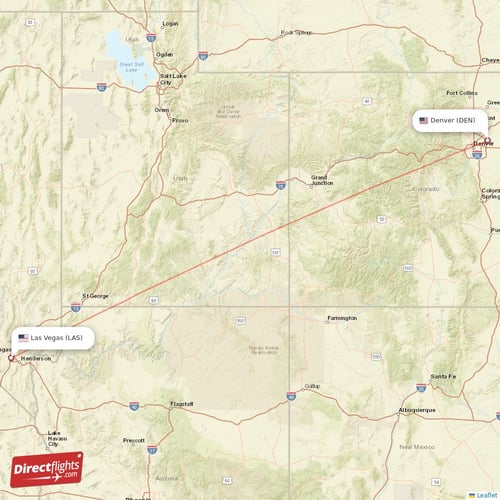
The distance between Denver and Las Vegas covers approximately 750 miles (roughly 1,200 kilometers). Depending on your chosen mode of transportation and the specific route you take, this journey can range from a quick flight to a multi-day scenic road trip.

By Air: The Efficient Route
For most travelers, flying is the most efficient way to cross the distance. A direct flight between Denver International Airport and Harry Reid International Airport typically takes about two hours of air time. When you factor in security, boarding, and travel to and from the terminals, the entire process usually spans four to five hours. Several major airlines provide daily non-stop service, making it highly convenient for those looking to maximize their time in either city.
By Road: The Classic American Experience
Driving the route is a popular choice for those who want to see the changing geography of the American West. On average, driving non-stop takes about 11 to 12 hours. However, most travelers choose to spread this drive over two days to fully appreciate the stunning vistas, hidden gems, and natural wonders that lie between these two iconic destinations.
The Optimal Driving Route via I-70 and I-15
If you decide to drive, you will likely take a path that showcases the diversity of the high desert and mountain plateaus. The most common route involves taking Interstate 70 west through Colorado and into Utah, eventually connecting to Interstate 15 south toward Nevada.
Passing Through the Rockies
As you depart Denver, you will immediately ascend into the Rocky Mountains. This section of the drive is widely considered one of the most beautiful stretches of highway in the world. You will pass through scenic towns like Glenwood Springs and Grand Junction, offering opportunities to stretch your legs or enjoy a meal against a backdrop of towering peaks and rushing rivers.
Crossing the Red Rocks of Utah
Once you cross into Utah, the landscape shifts from evergreen forests to the striking, crimson-hued canyons that define the American Southwest. Passing through Green River and Richfield, you will experience the otherworldly beauty of the high desert. Many travelers take a slight detour here to visit Arches National Park or Canyonlands National Park, both of which are accessible from the main route.
The Final Stretch into Nevada
As you join Interstate 15 near Beaver, you will begin your descent toward the Mojave Desert. This portion of the journey takes you past St. George, Utah, and through the northwest corner of Arizona along the Virgin River Gorge. The dramatic cliffs and winding road make this one of the most memorable parts of the drive before you finally reach the bright lights of Las Vegas.
Essential Tips for the Long-Distance Traveler
Navigating the vast spaces between Colorado and Nevada requires preparation. Because you are traveling through high-altitude terrain and arid desert landscapes, safety and comfort should be your priorities.
Weather and Road Conditions
The route through the Rocky Mountains can be treacherous during the winter months. Snowstorms and ice are common, making tire chains or all-wheel-drive vehicles essential. Conversely, the Mojave Desert segment becomes intensely hot during the summer. Always check the weather forecast for both Denver and Las Vegas before you set out, and ensure your vehicle is serviced and equipped with emergency supplies.
Timing Your Stops
Because the drive is long, pacing yourself is vital. Plan your stops around major hubs to ensure access to fuel, lodging, and dining. Grand Junction serves as a great halfway point for the first leg, while Cedar City in Utah provides an excellent final base before crossing into Nevada.
Travel Recommendations for Road Trippers
- Stay Hydrated: The high elevation in Colorado and the extreme dryness of the Nevada desert can lead to rapid dehydration. Keep plenty of water in your vehicle at all times.
- Download Offline Maps: Cell service can be spotty in the remote stretches of Utah and the Arizona strip. Having offline maps or a physical atlas is a smart insurance policy.
- Fuel Management: Gas stations can be few and far between in rural areas. Never let your tank drop below a quarter full, especially when crossing the desert regions.

Choosing the Best Way to Travel
Ultimately, the choice between flying and driving comes down to your personal travel style. If your goal is to reach Las Vegas as quickly as possible to enjoy the resorts and casinos, flying from Denver is the superior option. The convenience of a short flight allows you to arrive refreshed and ready to experience the vibrant nightlife.
However, if you have the time and a love for exploration, the drive is a journey in its own right. It offers a rare opportunity to witness the vast scale and natural splendor of the United States. From the jagged peaks of the Rocky Mountains to the sun-drenched canyons of Utah, the route is filled with opportunities for photography, hiking, and quiet reflection.
Regardless of whether you choose the sky or the open road, the connection between these two cities represents a bridge between two of the most distinctive regions in the country. Denver, with its urban sophistication and outdoor heritage, pairs perfectly with the high-energy, world-class entertainment found in Las Vegas. By understanding the distances, terrain, and necessary preparations, you can ensure your transition between these two cities is seamless, safe, and truly enjoyable.
LifeOutOfTheBox is a participant in the Amazon Services LLC Associates Program, an affiliate advertising program designed to provide a means for sites to earn advertising fees by advertising and linking to Amazon.com. Amazon, the Amazon logo, AmazonSupply, and the AmazonSupply logo are trademarks of Amazon.com, Inc. or its affiliates. As an Amazon Associate we earn affiliate commissions from qualifying purchases.