
When travelers think of Miami, the initial imagery is often tropical: turquoise waters, swaying palm trees, and the pastel-hued art deco architecture of South Beach. However, beneath the veneer of a beachside paradise lies a complex, high-density metropolis that challenges the conventional definition of “urban.” To understand whether Miami is truly an urban center, one must look past the sand and explore the concrete grid, the vertical expansion, and the shifting sociocultural landscape of Florida.
The Evolution of the Vertical City
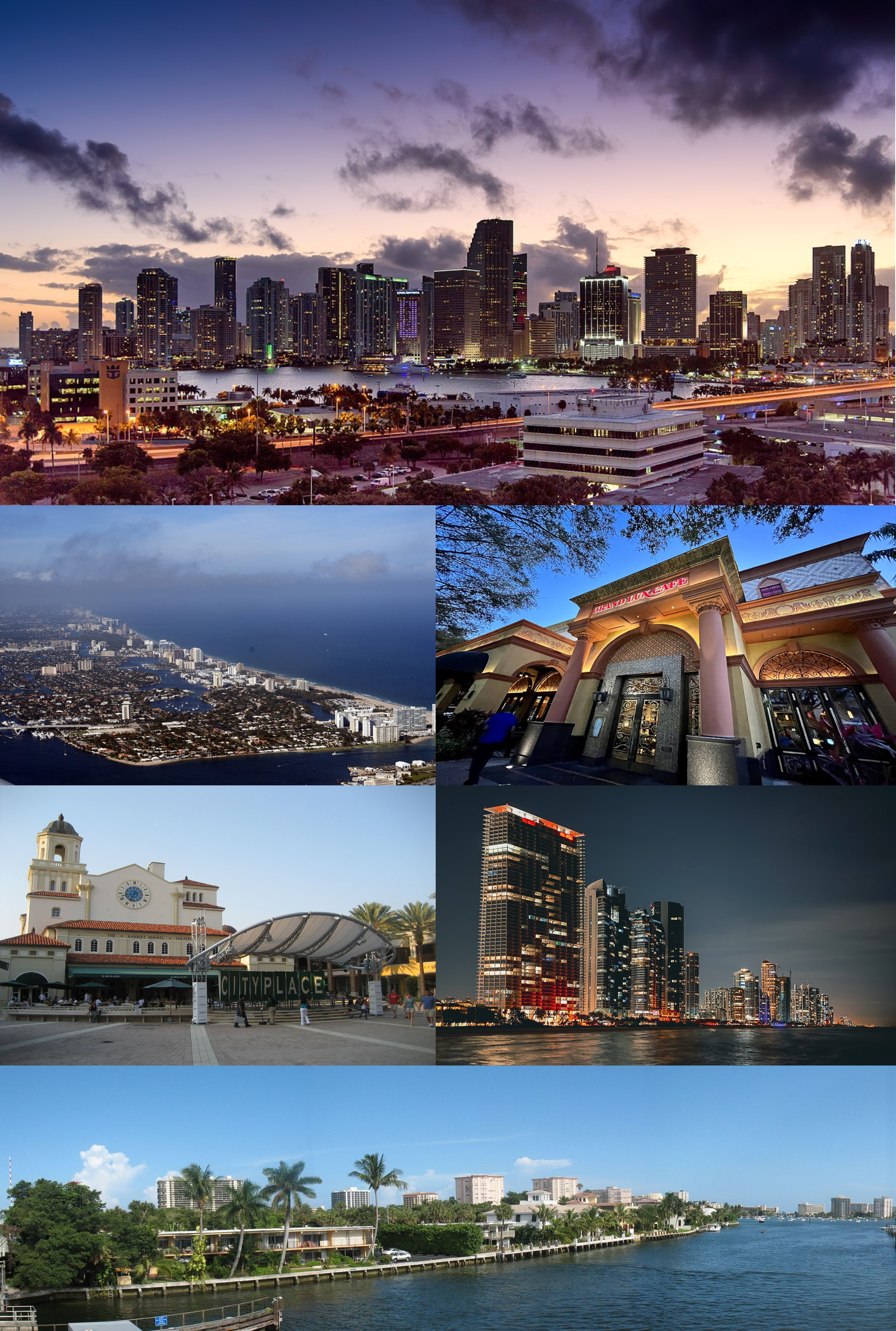
For decades, the image of Miami was synonymous with sprawling suburbs and low-rise vacation homes. Yet, the past twenty years have seen a radical transformation in the city’s core. The development of high-rise residential towers and commercial hubs has effectively rewritten the city’s skyline, pushing it toward a more traditional urban density.
The Rise of Downtown and Brickell
Downtown Miami and the neighboring Brickell district serve as the primary evidence for the city’s urban legitimacy. With a massive concentration of banking institutions, luxury residential condominiums, and an influx of international business, Brickell is often referred to as the “Manhattan of the South.” Here, the street life is defined not by flip-flops and surfboards, but by commuters, bustling café terraces, and a distinct lack of sprawling lawns. The integration of the Metromover provides a glimpse of a transit-oriented lifestyle, offering an automated loop that connects various urban nodes without the need for a private vehicle.
Architectural Density vs. Suburban Sprawl
While the core of Miami screams “urban,” the surrounding regions often tell a different story. The city remains geographically vast, with vast residential swaths extending into Coral Gables and Coconut Grove. However, the push for “urban infill”—the practice of developing underutilized land within existing city boundaries—has become the standard for modern urban planning in Miami-Dade County. This tension between the historic garden-city aesthetic and the modern desire for vertical density creates a unique urban fabric that is both hyper-modern and deeply rooted in its tropical identity.
Cultural Vibrancy and Neighborhood Identity
True urbanism is defined by more than just building heights; it is defined by the density of human experience and the collision of cultures. In Miami, the urban experience is fragmented into distinct, neighborhood-specific subcultures that each contribute to a larger, cosmopolitan identity.
The Street-Level Urbanism of Wynwood
Perhaps no area better exemplifies the shift toward an “urban” sensibility than Wynwood. Once an industrial district, it has become a global epicenter for street art and gallery culture. The Wynwood Walls serve as a catalyst for a pedestrian-heavy lifestyle that was once rare in South Florida. The neighborhood thrives on the “15-minute city” concept, where residents can live, work, and dine without stepping foot into a car, a hallmark of mature urban environments found in New York City or London.

The Global Gateway
Miami serves as the cultural and economic capital of the Caribbean and Latin America. This status as a gateway city fosters an urban environment that is arguably more international than any other city in the United States. The linguistic diversity, the fusion of culinary traditions—from the Little Havana district to the upscale eateries of the Design District—and the constant influx of global travelers reinforce its position as a primary urban hub. An urban city is a city of transit and exchange, and in this regard, Miami performs at a world-class level.
Infrastructure and the Challenges of Urbanization
If Miami intends to solidify its standing as a major urban center, it must address the infrastructural challenges that accompany rapid growth. Urbanism is not merely about density; it is about connectivity, sustainability, and the ability to move people efficiently.
Transit and Mobility
The struggle to move away from car-dependency remains the most significant hurdle for Miami. While the Metrorail and Brightline provide essential links between the city and wider Florida, the reliance on private transport often leaves the city feeling like a collection of urban islands rather than a cohesive metropolitan organism. Future urban projects, such as the expansion of the Underline, aim to connect neighborhoods through greenways and public transit corridors, signaling a transition toward a more walkable, bikeable future.
Sustainability in a Coastal Metropolis
Urban environments are notoriously difficult to maintain in coastal regions threatened by sea-level rise. However, this necessity has pushed Miami toward innovative urban engineering. The city is becoming a laboratory for “resilient urbanism,” where new constructions in Edgewater or Midtown Miami are increasingly required to account for long-term climate stability. This focus on long-term sustainability is a defining trait of modern, responsible urban development, moving the city beyond the fleeting nature of tourism and into a phase of permanent, structural evolution.

Is Miami Urban? The Verdict
When evaluating whether Miami is truly “urban,” the answer depends on the lens through which you view the city. If you compare it to the sprawling, low-density landscapes of the mid-20th century, Miami has evolved into a powerhouse of vertical, high-density development. It offers a multifaceted lifestyle characterized by international business, dense neighborhood clustering, and a vibrant arts scene that mirrors that of traditional global cities.
However, the city is still shedding its identity as a beach resort town. It is a city in transition, caught between its glamorous, sun-drenched reputation and the reality of being a major metropolitan player on the world stage. For the visitor, the experience is no longer just about the ocean; it is about the pulse of the streets, the sophistication of the Perez Art Museum Miami, and the relentless energy of Downtown.
Ultimately, Miami is a unique breed of urban center. It is a “Tropical Urbanism”—a city that refuses to sacrifice its unique climate and cultural heritage for the sake of becoming a cookie-cutter version of Chicago or Boston. It is an urban environment that embraces the heat, the humidity, and the diversity of the Atlantic Ocean coastline, proving that a city can be both a vacation paradise and a serious global hub at the same time. Whether traveling for business, art, or exploration, one cannot deny that Miami has earned its place among the most significant urban landscapes in the world today.
LifeOutOfTheBox is a participant in the Amazon Services LLC Associates Program, an affiliate advertising program designed to provide a means for sites to earn advertising fees by advertising and linking to Amazon.com. Amazon, the Amazon logo, AmazonSupply, and the AmazonSupply logo are trademarks of Amazon.com, Inc. or its affiliates. As an Amazon Associate we earn affiliate commissions from qualifying purchases.