
Planning a trip across the Sunshine State often involves deciding between the vibrant energy of the Atlantic coast and the laid-back, sunset-drenched allure of the Gulf of Mexico. For many travelers, the journey between Miami and Tampa is more than just a commute; it is a quintessential Florida road trip that captures the diversity of the region. Understanding the logistics of this route is the first step toward a seamless vacation experience.
Understanding the Distance and Travel Logistics
The distance between Miami and Tampa is roughly 280 miles, depending on your specific starting point and final destination. On average, this journey takes between four to five hours of pure driving time. However, the reality of travel in a popular tourist state means that traffic patterns, construction, and your chosen mode of transportation can significantly alter these estimates.
Driving Routes and Traffic Considerations
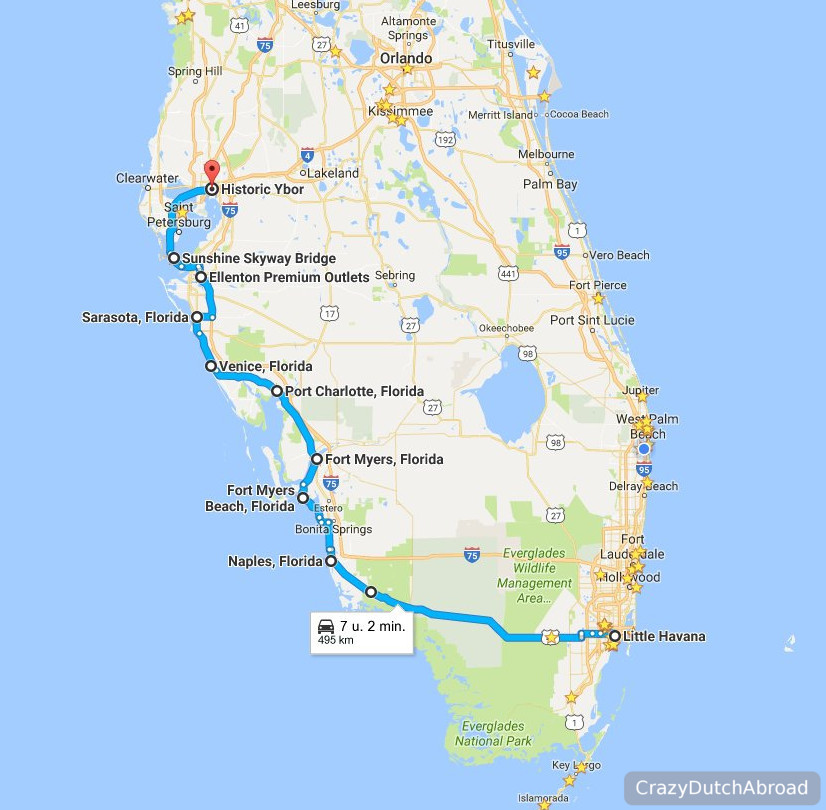
The most direct route for those driving from Miami to Tampa is via Alligator Alley, a stretch of Interstate 75 that cuts directly through the heart of the Everglades. This path is efficient and offers a unique view of one of the most protected ecosystems in United States.
However, travelers should be mindful of peak hours. Leaving Miami during Friday afternoon rush hour or returning to the city on a Sunday evening can add substantial time to the trip. It is highly recommended to monitor real-time traffic apps, as accidents on the major highways can occasionally lead to significant delays.
Public Transportation Alternatives
For those who prefer not to navigate the highway themselves, several options exist. Bus lines such as Greyhound and private shuttle services frequently operate between Miami and Tampa. While these options eliminate the stress of driving, they often lack the flexibility of a private vehicle. There is currently no high-speed direct train connecting the two cities, though various regional transit expansions are often discussed in local policy circles.
Maximizing Your Journey Across the Peninsula
Since the drive takes several hours, many travelers choose to turn the trek into an adventure by adding stops along the way. Instead of viewing the distance as an obstacle, seasoned explorers view the space between these two hubs as an opportunity to see more of Florida.
Mid-Point Adventures
If you are looking for a break, the area surrounding Naples or Fort Myers serves as an excellent midpoint. These coastal gems provide a different flavor compared to the high-energy lifestyle of Miami. Stopping for a meal at a waterfront restaurant or taking a quick stroll along the pristine beaches can make the trip feel like a multi-destination vacation rather than a simple transit day.
Scenic Alternatives
If you have extra time and want to avoid the monotony of the highway, consider taking a route that passes through the smaller towns of the interior. While this will increase your travel time, it offers a glimpse into the agricultural heartland and the historic, small-town charm that exists far from the major resorts and skyscrapers.

Comparing the Two Cities: What to Expect
Once you arrive at your destination, you will find that Miami and Tampa offer vastly different experiences. Understanding these differences can help you plan your itinerary more effectively.
The Miami Vibe
Miami is a global hub of art, culture, and nightlife. It is famous for the Art Deco District in South Beach, the high-end shopping of Brickell, and the deep cultural roots found in Little Havana. If you are looking for late-night entertainment, luxury dining, and an international flair, this is your primary destination.
The Tampa Experience
Conversely, Tampa leans into a blend of historic charm and family-oriented activities. The Ybor City neighborhood provides a fascinating look into the region’s cigar-making history, while Busch Gardens offers world-class thrills for adventure seekers. The Tampa Riverwalk is a stunning example of urban renewal, perfect for evening walks and connecting to various museums and parks.
Essential Travel Tips for Florida Road Trippers
Regardless of whether you are traveling for business or pleasure, a few universal tips will ensure your trip is as smooth as possible.
Preparing Your Vehicle
If you choose to drive, ensure your vehicle is well-maintained. Florida is known for sudden, intense rain showers, particularly in the summer months. Check your tire pressure and windshield wipers before embarking on your journey. Additionally, having a SunPass is almost mandatory for modern Florida travel, as many highways and express lanes are strictly electronic toll systems.
Hydration and Sun Protection
Even if you spend most of your time inside a climate-controlled car, do not underestimate the power of the Florida sun. Keep plenty of water in your vehicle and ensure you have high-quality sunscreen for when you step out to stretch your legs at one of the various state parks or rest stops.
Embracing the Culture of the South
Both Miami and Tampa are deeply connected to the broader culture of North America. Enjoying the local cuisine is a must. In Miami, seek out authentic Cuban coffee and sandwiches. In Tampa, explore the diverse fusion of Spanish, Italian, and Cuban influences that define the local food scene.

Conclusion
The distance between Miami and Tampa is approximately 280 miles, but the richness of the experience depends on your planning. Whether you prioritize efficiency by sticking to the main interstates or choose to wander through the coastal towns of Southwest Florida, your journey is a gateway to the diverse landscapes that make this state a premier destination. By preparing for the drive, choosing the right time to travel, and keeping an eye on traffic, you can move between these two iconic cities with ease, ensuring that the transit part of your trip is just as enjoyable as your time spent at the final destination.
LifeOutOfTheBox is a participant in the Amazon Services LLC Associates Program, an affiliate advertising program designed to provide a means for sites to earn advertising fees by advertising and linking to Amazon.com. Amazon, the Amazon logo, AmazonSupply, and the AmazonSupply logo are trademarks of Amazon.com, Inc. or its affiliates. As an Amazon Associate we earn affiliate commissions from qualifying purchases.