
Planning a road trip from the Mile High City to the Entertainment Capital of the World is a classic American adventure, offering a diverse tapestry of landscapes and experiences. The journey between Denver, Colorado and Las Vegas, Nevada covers a significant distance, weaving through varied terrain and presenting opportunities for memorable stops along the way. Understanding the mileage and time involved is crucial for effective planning, whether you’re opting for a direct drive or a more scenic exploration.
Driving Distances and Times
The most direct route between Denver, Colorado and Las Vegas, Nevada is approximately 745 miles. This distance can translate to around 10 to 12 hours of pure driving time, depending on traffic conditions, speed, and the number of rest stops you take. It’s important to remember that this estimate does not account for any significant sightseeing or lengthy breaks. For most travelers, breaking this drive into at least two days is highly recommended to avoid driver fatigue and to allow for a more enjoyable experience.

Route Options and Considerations
Several primary routes can be taken, each with its own characteristics:
- The Northern Route (via I-80 and US-50): This path generally takes you through Wyoming and Utah. While it can be a bit longer, it offers access to different scenery and potential stops. You might pass through areas near Salt Lake City, Utah or explore parts of the vast open plains. This route can be subject to more extreme weather conditions, especially during winter months, with potential for heavy snow in the mountain passes of Wyoming and Utah.
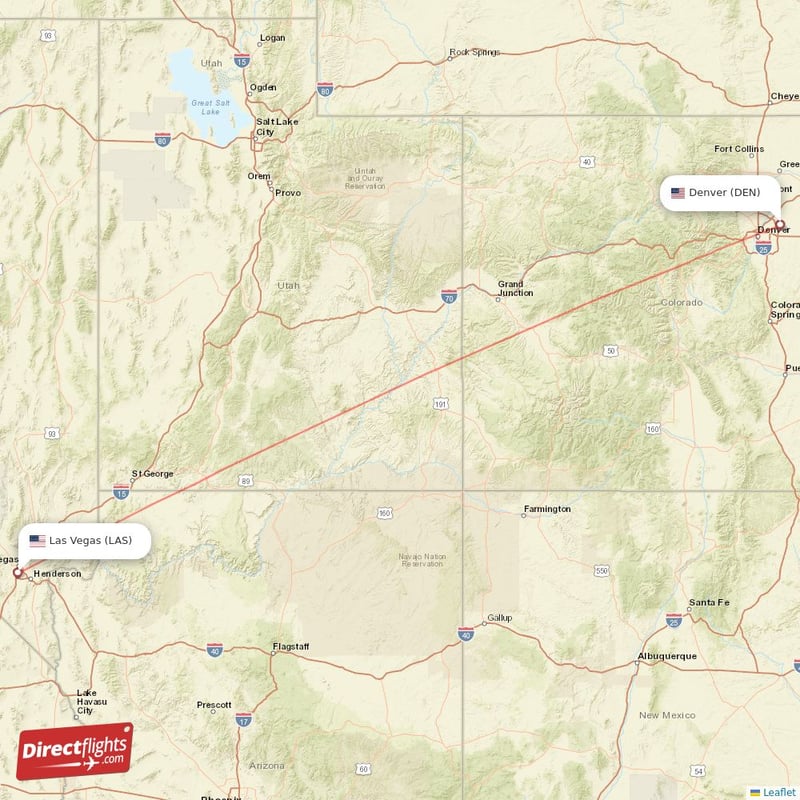
- The Southern Route (via I-70 and I-15): This is often considered the most direct and popular route. You’ll drive west on I-70 out of Denver, Colorado, passing through the stunning Rocky Mountains and across the mesas of western Colorado and eastern Utah. As you continue west, you’ll eventually connect with I-15 near central Utah, which will then take you directly south into Nevada and Las Vegas. This route offers dramatic mountain vistas and the unique desert landscapes of the Southwest.
When choosing your route, consider the time of year. Summer driving is generally pleasant, but extreme heat can be a factor in the deserts of Utah and Nevada. Winter travel on the I-70 corridor, particularly through the Rocky Mountains, can involve significant snow, ice, and potential road closures. Always check weather and road conditions before departing.
Planning Your Overnight Stay
Given the substantial driving time, an overnight stop is highly advisable. This not only breaks up the monotony of driving but also allows for a brief exploration of a charming town or a chance to rest in comfort. Several locations along the common routes serve as excellent mid-point destinations.
Potential Stopover Cities
- Grand Junction, Colorado: Situated in western Colorado along I-70, Grand Junction is a convenient stopping point roughly halfway through the Colorado portion of the drive. It offers a range of hotels, restaurants, and proximity to attractions like the Colorado National Monument.
- Provo or Salt Lake City, Utah: If you opt for a route that brings you further north through Utah, cities like Provo or the larger metropolitan area of Salt Lake City provide ample accommodation options and dining experiences. Salt Lake City also boasts a variety of cultural attractions, including Temple Square.
- Cedar City, Utah: Located in southwestern Utah along I-15, Cedar City is a popular choice for those heading towards Las Vegas. It’s close to Zion National Park and Bryce Canyon National Park, making it an ideal base for a brief detour into the natural wonders of Southern Utah.
When selecting your stopover, consider the amenities you desire. Many towns offer standard chain hotels and familiar dining options. Larger cities will provide a wider array of choices, from boutique hotels to international cuisine. Booking your accommodation in advance, especially during peak travel seasons, is always a wise decision.
Exploring Along the Way: Scenic Detours and Attractions
The journey from Denver, Colorado to Las Vegas, Nevada is more than just a transit; it’s an opportunity to witness some of the most breathtaking landscapes in the American West. By extending your trip or planning strategic day trips from your overnight stop, you can transform the drive into a significant part of your vacation.
Natural Wonders of Colorado and Utah

The drive through Colorado on I-70 is an experience in itself. The Eisenhower Tunnel, one of the highest vehicular tunnels in the world, and the stunning vistas of the Glenwood Canyon are iconic. As you descend into western Colorado, the landscape transitions into arid plateaus and mesas.
- Glenwood Springs, Colorado: A short detour from I-70 leads to Glenwood Springs, famous for its hot springs and the historic Hotel Colorado. The natural beauty and therapeutic waters make it a relaxing stop.
- Arches National Park and Canyonlands National Park: While requiring a significant detour east of Green River, Utah, these parks offer unparalleled geological formations. Arches National Park is home to over 2,000 natural sandstone arches, including the famous Delicate Arch. Canyonlands National Park presents a vast wilderness of canyons, mesas, and buttes carved by the Colorado River and its tributaries.
- Capitol Reef National Park: This park, also accessible from I-70 via Torrey, Utah, showcases a geologic monocline known as the Waterpocket Fold. Its dramatic cliffs, canyons, and historic orchards offer a different, yet equally captivating, desert experience.
The Majesty of Southern Utah
If your route takes you through central or southern Utah on I-15, you are in close proximity to some of the most iconic national parks in the United States, often referred to as “Mighty 5.”
- Zion National Park: Just over an hour’s drive from I-15 near St. George, Utah, Zion National Park is renowned for its towering sandstone cliffs, narrow canyons, and diverse plant and animal life. Hiking trails range from easy riverside strolls to strenuous climbs like Angels Landing.
- Bryce Canyon National Park: A further drive from Zion National Park, Bryce Canyon National Park is famous for its unique geological structures called hoodoos, arranged in a natural amphitheater. The vibrant colors and surreal formations make for unforgettable photographic opportunities.
These national parks are significant detours, each requiring at least a full day to explore adequately. Planning your itinerary around these natural marvels can transform your road trip into an epic exploration of the American Southwest’s natural heritage. Remember to book park accommodations or entry passes in advance, especially during peak seasons.
Road Trip Essentials for the Denver to Las Vegas Journey
A successful road trip from Denver, Colorado to Las Vegas, Nevada hinges on proper preparation. The vastness of the distances and the variety of climates encountered necessitate attention to detail.
Vehicle Preparation
Before embarking on this journey, ensure your vehicle is in optimal condition. This includes:
- Tire Check: Verify tire pressure, tread depth, and the condition of your spare tire. You’ll be traversing diverse terrains, and proper tire maintenance is paramount for safety.
- Fluid Levels: Check engine oil, coolant, brake fluid, and windshield washer fluid. Extended drives can put a strain on your vehicle’s systems.
- Brakes: Ensure your brake pads and rotors are in good working order. Mountainous descents and sudden stops require reliable braking.
- Emergency Kit: Pack a comprehensive emergency kit, including jumper cables, a first-aid kit, a flashlight, basic tools, and reflective triangles.
Packing Considerations
The weather can vary significantly between Denver, Colorado and Las Vegas, Nevada, and even along the route. Layering is key.
- Clothing: Pack a range of clothing suitable for cool mountain mornings, potentially warm afternoons, and the dry desert heat. Include comfortable driving attire, rain gear, and warmer layers for evenings.
- Sun Protection: Sunscreen, sunglasses, and hats are essential, especially in the higher altitudes of Colorado and the desert sun of Utah and Nevada.
- Hydration: Carry plenty of water. Dehydration can occur quickly, particularly in dry climates. Consider a reusable water bottle or a hydration pack.
- Navigation: While GPS devices and smartphone apps are invaluable, it’s wise to have a physical map as a backup, especially in areas with limited cell service.
- Entertainment: Download playlists, podcasts, or audiobooks to make the long stretches of driving more enjoyable.
On-the-Road Safety
- Rest Stops: Take regular breaks to stretch your legs, combat driver fatigue, and stay alert. Pull over at designated rest areas or safe locations.
- Fuel: Keep your fuel tank at least half full, especially when venturing into more remote areas where gas stations can be spaced far apart.
- Wildlife: Be aware of wildlife, particularly at dawn and dusk. Deer, elk, and other animals can pose a hazard on the road.
- Speed Limits: Adhere to posted speed limits. Driving too fast can be dangerous and may lead to fines.
By carefully planning your route, booking accommodations, and packing the right essentials, your journey from Denver, Colorado to Las Vegas, Nevada will be a smooth and memorable travel experience.
LifeOutOfTheBox is a participant in the Amazon Services LLC Associates Program, an affiliate advertising program designed to provide a means for sites to earn advertising fees by advertising and linking to Amazon.com. Amazon, the Amazon logo, AmazonSupply, and the AmazonSupply logo are trademarks of Amazon.com, Inc. or its affiliates. As an Amazon Associate we earn affiliate commissions from qualifying purchases.