
Planning a trip across the vast and varied landscapes of Colorado often involves navigating significant distances, particularly when venturing from the bustling capital of Denver to the charming, historic town of Durango in the southwestern corner of the state. This journey is more than just a matter of miles; it’s an exploration of diverse terrain, a test of travel planning, and an opportunity to experience some of the most spectacular scenery the American West has to offer. Understanding the distance, optimal routes, and various transportation options is crucial for any traveler embarking on this memorable Colorado adventure.
The Geographic Divide: Understanding the Distance
The distance between Denver and Durango is significant, reflecting the expansive nature of Colorado’s geography. While a straight line might suggest a shorter distance, the reality of travel through the Rocky Mountains means navigating winding roads and high mountain passes.
Straight-Line vs. Driving Distance
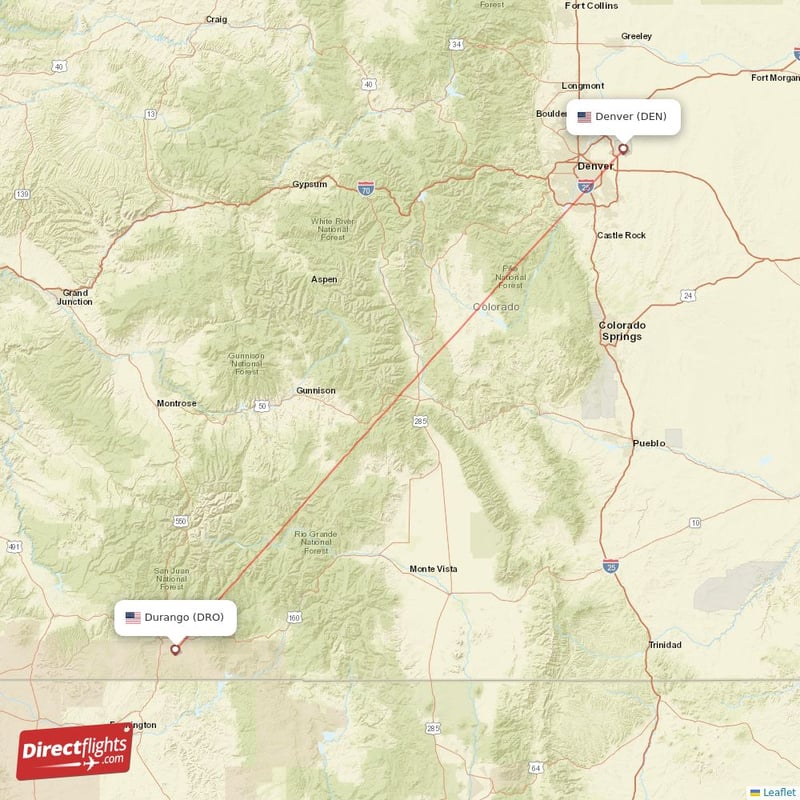
As with any two points on a map, the straight-line (as-the-crow-flies) distance is always shorter than the actual driving distance. For Denver to Durango, this aerial measurement is approximately 250 miles (402 kilometers). However, this figure is largely theoretical for ground-based travelers. The practical driving distance, which accounts for the existing road network, mountainous terrain, and often indirect routes, ranges between approximately 335 and 360 miles (540-580 kilometers), depending on the specific route chosen. This substantial difference underscores the importance of planning for a road trip rather than just glancing at a map.
The Rocky Mountain Challenge
The primary reason for the extended driving distance and longer travel times is the formidable presence of the Rocky Mountains. Travelers must traverse several mountain ranges, passes, and valleys. This isn’t a flat, straightforward highway drive. Instead, it involves ascents and descents, curves, and areas where speed limits are lower due to the terrain. These geographical features not only add miles but also significantly increase the driving time, demanding more attention and patience from drivers. Furthermore, the weather in these high-altitude regions can be unpredictable, especially during winter months, adding another layer of complexity to the journey.
Navigating the Journey: Popular Routes and Travel Times
The most common and efficient way to travel from Denver to Durango by road involves a combination of interstate highways and scenic US routes.
The I-70 to US-50/US-285 Route
The predominant and most recommended driving route typically begins by heading west from Denver on Interstate 70. This leg of the journey takes travelers through some iconic Colorado landscapes, including the engineering marvel of the Eisenhower Tunnel, before descending into the western slopes.
Once past Glenwood Springs or Grand Junction, travelers will typically transition to US-50 South, or alternatively, head south from Denver on US-285 to connect with US-160.
- Via I-70 to US-50: This route generally takes you west on I-70 towards Grand Junction, then south on US-50 through Montrose and Gunnison, before connecting with US-550 South to Durango. This path is approximately 360 miles and can take around 6.5 to 8 hours of pure driving time, not accounting for stops.
- Via US-285 to US-160: An alternative for those preferring a more direct southward trajectory from Denver involves US-285 through Salida and over Monarch Pass to eventually connect with US-160, which leads directly into Durango after traversing Wolf Creek Pass. This route is slightly shorter, around 335 miles, and can be completed in 6 to 7.5 hours, though Wolf Creek Pass can be challenging in adverse weather.
Both routes are incredibly scenic, offering glimpses of high peaks, sprawling forests, and picturesque towns. However, they also involve significant elevation changes and mountain driving, which can impact average speeds.
Alternative Scenic Routes
While the aforementioned routes are the most direct, Colorado offers myriad scenic alternatives for the adventurous traveler with extra time. One notable detour involves taking US-550 north from Durango towards Ouray and Silverton – a stretch famously known as the Million Dollar Highway. While not a direct path from Denver to Durango (it’s a route within the general Durango area), integrating it into a broader Colorado tour can be a highlight. For those looking for different scenery and extending their journey, one could conceivably dip south into northern New Mexico via the San Luis Valley before turning west to Durango, though this adds considerable time and distance.
Modes of Transportation: Choosing Your Journey
The choice of transportation from Denver to Durango depends largely on budget, time constraints, and personal preference for travel experience.
Driving: The Most Popular Choice
Driving remains the most popular option for this route, offering unparalleled flexibility and the opportunity to explore at one’s own pace.
- Pros: Drivers have the freedom to stop at numerous scenic overlooks, charming small towns, and attractions along the way. It’s often the most cost-effective for families or groups and allows for easy access to surrounding areas once in Durango.
- Cons: The journey is long, requiring sustained focus. Mountain driving can be challenging for those unfamiliar with it, and adverse weather conditions (especially snow and ice in winter) can make the trip arduous or even necessitate delays.
- Tips: Ensure your vehicle is in good condition, check tire pressure, and carry an emergency kit. Always monitor weather and road conditions via the Colorado Department of Transportation (CDOT) website, particularly for mountain passes like Monarch Pass and Wolf Creek Pass.
Flying: Speed and Convenience
For travelers prioritizing speed, flying is the most efficient option.
- Airports: Flights typically depart from Denver International Airport (DEN) and arrive at Durango-La Plata County Airport (DRO).
- Airlines: Major carriers like United and American often operate direct flights, with Frontier sometimes offering seasonal options.
- Flight Time: The actual flight time is approximately 1 hour and 15 minutes. However, when considering check-in, security, potential delays, and ground transportation to and from airports, the total travel time can amount to 4-6 hours.
- Considerations: Airfare can be significantly more expensive than driving, especially during peak seasons. Upon arrival in Durango, travelers will need to arrange for a rental car or shuttle service, as the airport is a short distance from downtown.
Bus Services: Budget-Friendly Travel
Bus services offer a more economical alternative, though they are considerably slower.
- Companies: Greyhound and regional services like Bustang provide connections, though direct routes are rare. Most services involve transfers, often in larger cities like Grand Junction.
- Duration: Due to transfers and numerous stops, a bus journey can easily exceed 10-12 hours, making it a very long day of travel.
- Pros: Cost-effective and eliminates the need for personal driving.
- Cons: Long travel times, limited flexibility, and comfort can be a concern for extended journeys.
Train Travel: A Scenic but Indirect Option
Direct train travel from Denver to Durango is not a practical option. Amtrak routes in Colorado do not extend to Durango. While one could theoretically combine train travel with bus connections, this would be an extremely circuitous and time-consuming journey, primarily suitable for those prioritizing the train experience over arrival time. The famous Durango & Silverton Narrow Gauge Railroad is a tourist attraction within the Durango area, not an intercity transit option.
Enhancing Your Trip: Stops and Considerations
The drive from Denver to Durango is a journey in itself, filled with opportunities for memorable experiences.
Breaking Up the Drive
Given the substantial driving time, planning a stop or an overnight stay can significantly enhance the experience.
- Halfway Points: Towns like Grand Junction, Montrose, or Salida offer excellent options for meals, stretching your legs, or even an overnight stay. These towns have various amenities, from dining to lodging, making them ideal rest stops.
Scenic Detours and Attractions
Many captivating attractions lie along or near the main routes.
- Black Canyon of the Gunnison National Park: Located near Montrose, this dramatic canyon offers breathtaking views and hiking opportunities.
- Great Sand Dunes National Park: If taking the US-285 route, a detour to this surreal landscape of towering dunes is well worth the time.
- Royal Gorge Bridge & Park: Near Cañon City, this iconic attraction is accessible if you opt for a route utilizing US-50.
- Hot Springs: Glenwood Springs (along I-70) or Pagosa Springs (east of Durango on US-160) provide relaxing breaks with their natural geothermal pools.
- Mesa Verde National Park: While technically closer to Durango (about an hour west), this UNESCO World Heritage site featuring ancient Pueblo cliff dwellings is an absolute must-see that can be combined with your visit to Durango.
Seasonal Impact and Weather
The time of year significantly influences the travel experience from Denver to Durango.
- Winter (November to April): Expect snow, ice, and potentially challenging driving conditions, especially over mountain passes like Wolf Creek Pass and Monarch Pass. Road closures are possible, and vehicles may be required to have 4WD/AWD or snow chains. Always check CDOT for current conditions.
- Summer (June to August): Roads are generally clear, but expect increased tourist traffic, especially on weekends and holidays. Afternoon thunderstorms are common and can temporarily impact visibility.
- Spring and Fall: These shoulder seasons often offer pleasant driving conditions with fewer crowds, but travelers should still be prepared for potential early or late-season snowstorms.
Arrival in Durango: What Awaits You
Upon arrival, Durango greets visitors with a captivating blend of Old West charm and vibrant outdoor adventure.
A Gateway to the San Juans
Durango is perfectly positioned as a gateway to the majestic San Juan Mountains. Its location makes it an ideal base camp for exploring the surrounding wilderness, whether through hiking, mountain biking, or scenic drives.
Popular Activities
The town itself and its immediate surroundings offer a wealth of activities:
- Durango & Silverton Narrow Gauge Railroad: A historic steam train journey through breathtaking canyons, a signature Durango experience.
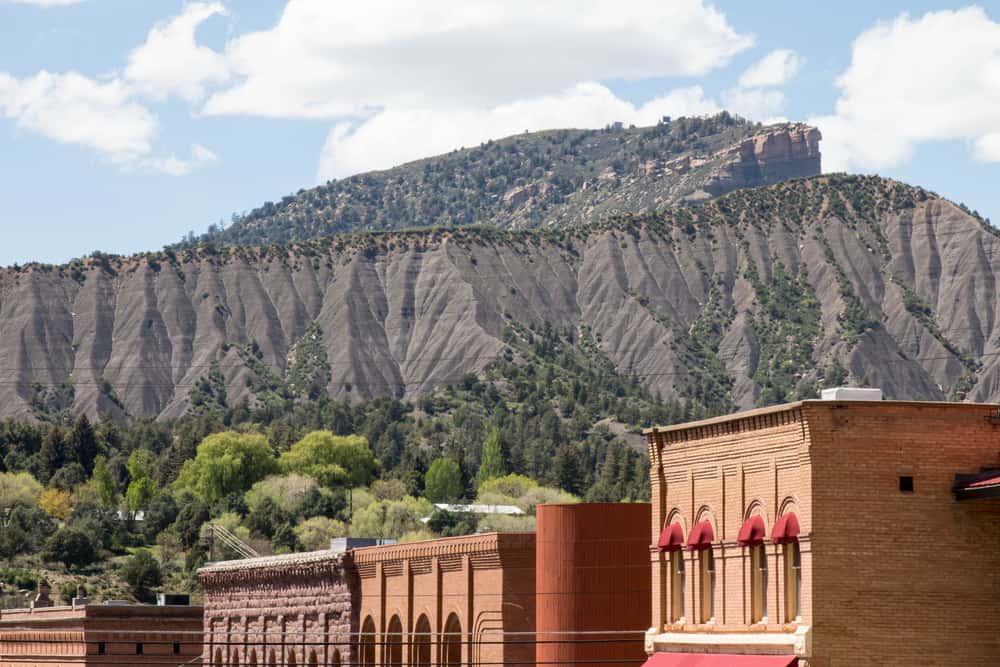
- Historic Downtown Durango: Explore Victorian architecture, browse unique shops, and dine at excellent restaurants.
- Outdoor Adventures: From skiing and snowboarding at Purgatory Resort in winter to whitewater rafting or kayaking on the Animas River in warmer months, Durango is an outdoor enthusiast’s paradise.
- Brewery Scene: Durango boasts a thriving craft brewery scene, offering opportunities to sample local beers.
Preparing for High Altitude
Remember that Durango sits at an elevation of 6,512 feet (1,985 meters), and many nearby attractions are even higher. Travelers arriving from lower elevations should take precautions against altitude sickness, such as staying hydrated, avoiding strenuous activity on the first day, and limiting alcohol consumption.
The journey from Denver to Durango is a quintessential Colorado travel experience. While the distance is considerable, careful planning and an adventurous spirit can transform a long drive into an unforgettable exploration of the Centennial State’s stunning landscapes and rich heritage.
LifeOutOfTheBox is a participant in the Amazon Services LLC Associates Program, an affiliate advertising program designed to provide a means for sites to earn advertising fees by advertising and linking to Amazon.com. Amazon, the Amazon logo, AmazonSupply, and the AmazonSupply logo are trademarks of Amazon.com, Inc. or its affiliates. As an Amazon Associate we earn affiliate commissions from qualifying purchases.