
Mississippi, a state renowned for its rich history, vibrant culture, and captivating landscapes, also finds itself in a region susceptible to severe weather. Understanding the nuances of its tornado season is paramount for travelers planning a visit, local residents seeking to prepare, and anyone interested in the natural phenomena that shape the Deep South. While the term “tornado season” often evokes a sense of broad generalization, Mississippi experiences distinct periods of heightened tornado risk, influenced by a complex interplay of atmospheric conditions. This guide aims to demystify these periods, offering insights crucial for safety and informed travel planning.
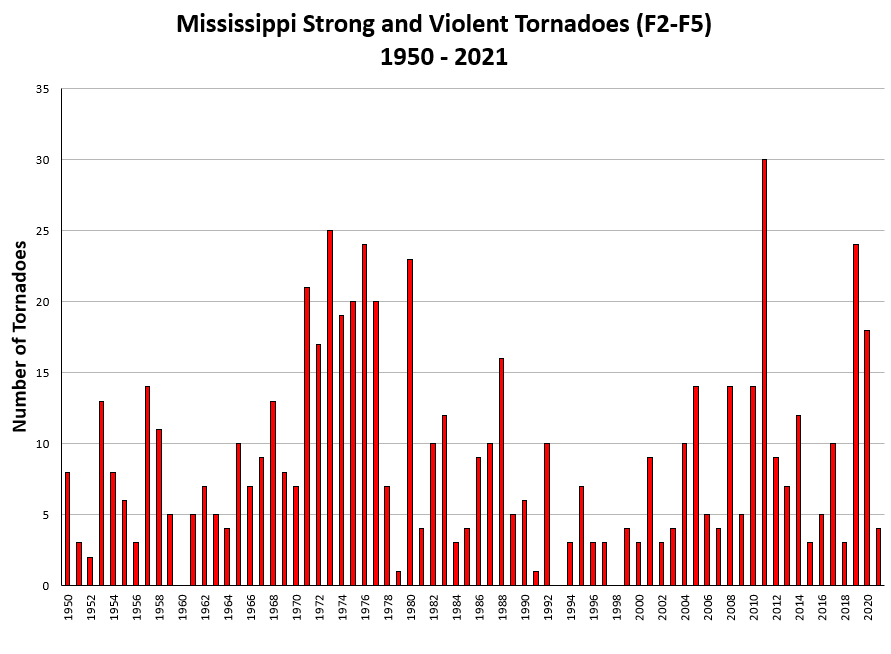
The Primary Tornado Threat: Spring’s Fury
Mississippi’s most active and dangerous period for tornadoes typically occurs during the spring months, spanning from March through May. This is when the atmospheric ingredients for severe thunderstorms, the progenitors of tornadoes, align most favorably. The Gulf of Mexico plays a significant role, acting as a vast reservoir of warm, moist air. As this humid air mass moves northward, it collides with cooler, drier air masses originating from the Great Plains and the Rocky Mountains.
The Meteorological Dance
This collision of air masses creates instability in the atmosphere. Warm, moist air rises rapidly, forming towering cumulonimbus clouds, the hallmark of severe thunderstorms. At the same time, changes in wind speed and direction with altitude – known as wind shear – introduce a rotational element to these storms. When this rotation deepens and intensifies within the thunderstorm, it can lead to the formation of a tornado.
The peak of this spring tornado activity in Mississippi is generally observed in April. During this month, temperature contrasts are often most pronounced, and the jet stream, a fast-flowing current of air in the upper atmosphere, typically shifts into a position that favors the development and movement of strong storm systems across the region. This period can see multiple tornado outbreaks, where a single storm system spawns several tornadoes across a wide area, posing significant risks to communities.
Beyond Spring: A Year-Round Possibility
While spring is undeniably the most active period, it is crucial for residents and visitors alike to understand that tornadoes can occur in Mississippi at any time of the year. The state is part of “Dixie Alley,” a region that experiences a secondary, albeit less intense, peak in tornado activity during the autumn months.
Autumn’s Secondary Season
From late September through November, atmospheric conditions can once again become conducive to severe weather. Cooler air begins to push southward, but the Gulf of Mexico still retains a considerable amount of warmth and moisture. When these air masses interact, particularly with the remnants of tropical systems or strong cold fronts, they can generate severe thunderstorms capable of producing tornadoes.
While the tornadoes in autumn are often less frequent and generally weaker than their spring counterparts, they can still be highly destructive and dangerous. The longer daylight hours in spring contribute to more solar heating, further enhancing atmospheric instability, which is why the spring season typically sees a higher number of significant tornado events. However, vigilance throughout the fall is still a wise precaution.
Factors Influencing Tornado Development
Several environmental factors converge to create the conditions necessary for tornado formation in Mississippi. Understanding these elements provides a deeper appreciation for the meteorological dynamics at play.
Moisture and Instability

As previously mentioned, the abundant moisture from the Gulf of Mexico is a critical ingredient. This moisture fuels the thunderstorms, providing the energy for rapid updrafts. When combined with significant atmospheric instability, meaning that air parcels are warmer and less dense than their surroundings and will continue to rise freely, the stage is set for powerful storms.
Temperature Gradients
The stark contrast between warm, moist air from the south and cooler, drier air from the north is a powerful engine for severe weather. These temperature gradients create boundaries, or fronts, where air masses clash. The most common scenario for tornado development involves a cold front or a dryline (a boundary separating moist air from dry air) sweeping eastward into Mississippi. As this boundary advances, it forces the warm, unstable air ahead of it to rise explosively.
Wind Shear
Crucially, wind shear is what introduces rotation into developing thunderstorms. If the winds at different altitudes are blowing at different speeds or in different directions, the storm can begin to spin. This rotating updraft, known as a mesocyclone, is a precursor to tornado formation. The presence of strong, persistent wind shear is a key indicator of an environment conducive to severe tornadoes.
Preparing for Tornado Season in Mississippi
Whether you are a seasoned resident of Mississippi or a first-time visitor, preparedness is key to navigating tornado season safely. Understanding the risks and having a plan can make a significant difference.
For Travelers and Tourists
For those planning a trip to Mississippi, particularly during the spring months, it is advisable to monitor weather forecasts closely. Many hotels and accommodations in cities like Jackson, Biloxi, and Oxford will have designated safe rooms or basements in the event of severe weather. Always inquire about the safety procedures of your lodging and familiarize yourself with the nearest shelter. Being aware of local news and weather alerts is essential. While Mississippi offers numerous attractions, from the historic Vicksburg National Military Park to the scenic beauty of the Natchez Trace Parkway, prioritizing safety during potential severe weather is paramount.
For Residents
Residents should have a well-thought-out tornado safety plan. This includes identifying a safe place within your home – a basement, storm cellar, or an interior room on the lowest floor, away from windows. Practice drills with your family to ensure everyone knows where to go and what to do. Having an emergency kit stocked with essentials like water, non-perishable food, a first-aid kit, flashlights, and batteries is also critical. Staying informed through NOAA Weather Radio, local news broadcasts, and reputable weather apps is vital. During a tornado warning, it is imperative to seek immediate shelter in your designated safe place.
Mississippi’s Vulnerability and Protective Measures
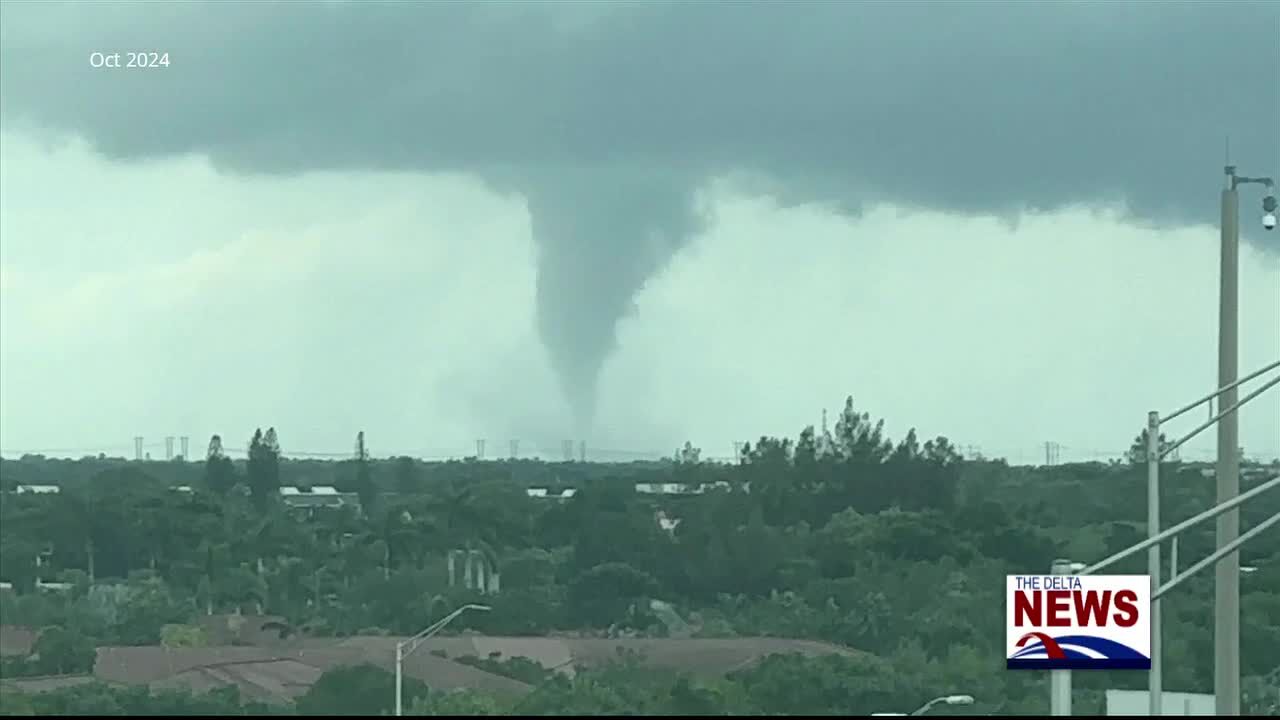
Mississippi’s geographical location and typical weather patterns make it one of the states most vulnerable to tornadoes. The confluence of warm, moist air from the Gulf, cooler dry air from the north, and the influence of atmospheric steering currents from the west create a fertile ground for severe storms. This vulnerability underscores the importance of continuous monitoring and preparedness efforts by state and local agencies, as well as by individuals.
Community Preparedness and Education
Many communities across Mississippi engage in robust tornado preparedness campaigns. These often involve public education initiatives, school drills, and the dissemination of vital safety information. Understanding the difference between a tornado watch (conditions are favorable for tornadoes to develop) and a tornado warning (a tornado has been sighted or indicated by radar) is fundamental. Early warning systems and effective communication channels are crucial for enabling people to take shelter in time. The impact of tornadoes can be devastating, highlighting the need for ongoing investment in infrastructure that can withstand severe weather and in educational programs that empower citizens to protect themselves and their families. Exploring the resilient spirit of Mississippi communities often reveals the strength derived from shared preparedness and mutual support during and after severe weather events.
LifeOutOfTheBox is a participant in the Amazon Services LLC Associates Program, an affiliate advertising program designed to provide a means for sites to earn advertising fees by advertising and linking to Amazon.com. Amazon, the Amazon logo, AmazonSupply, and the AmazonSupply logo are trademarks of Amazon.com, Inc. or its affiliates. As an Amazon Associate we earn affiliate commissions from qualifying purchases.