
Embarking on a journey from the sun-drenched desert metropolis of Phoenix to the cooler, pine-studded elevations of Flagstaff offers one of Arizona’s most iconic and diverse road trip experiences. The distance between these two vibrant Arizona cities is more than just miles; it’s a passage through dramatically changing landscapes, climates, and cultures. While a direct drive can be relatively quick, the true adventure lies in exploring the fascinating attractions and scenic wonders that bridge the gap between the Sonoran Desert and the Colorado Plateau.
The Journey: Distance, Drive Time, and Routes
For those looking to transition from Phoenix’s bustling urban environment to Flagstaff’s mountain charm, understanding the practicalities of the journey is key. The distance between Phoenix and Flagstaff typically ranges from 145 to 150 miles (233 to 241 kilometers), depending on your exact starting and ending points within each city. This makes it a perfectly manageable day trip or the ideal first leg of a longer Arizona adventure.
Driving Routes and Scenic Byways
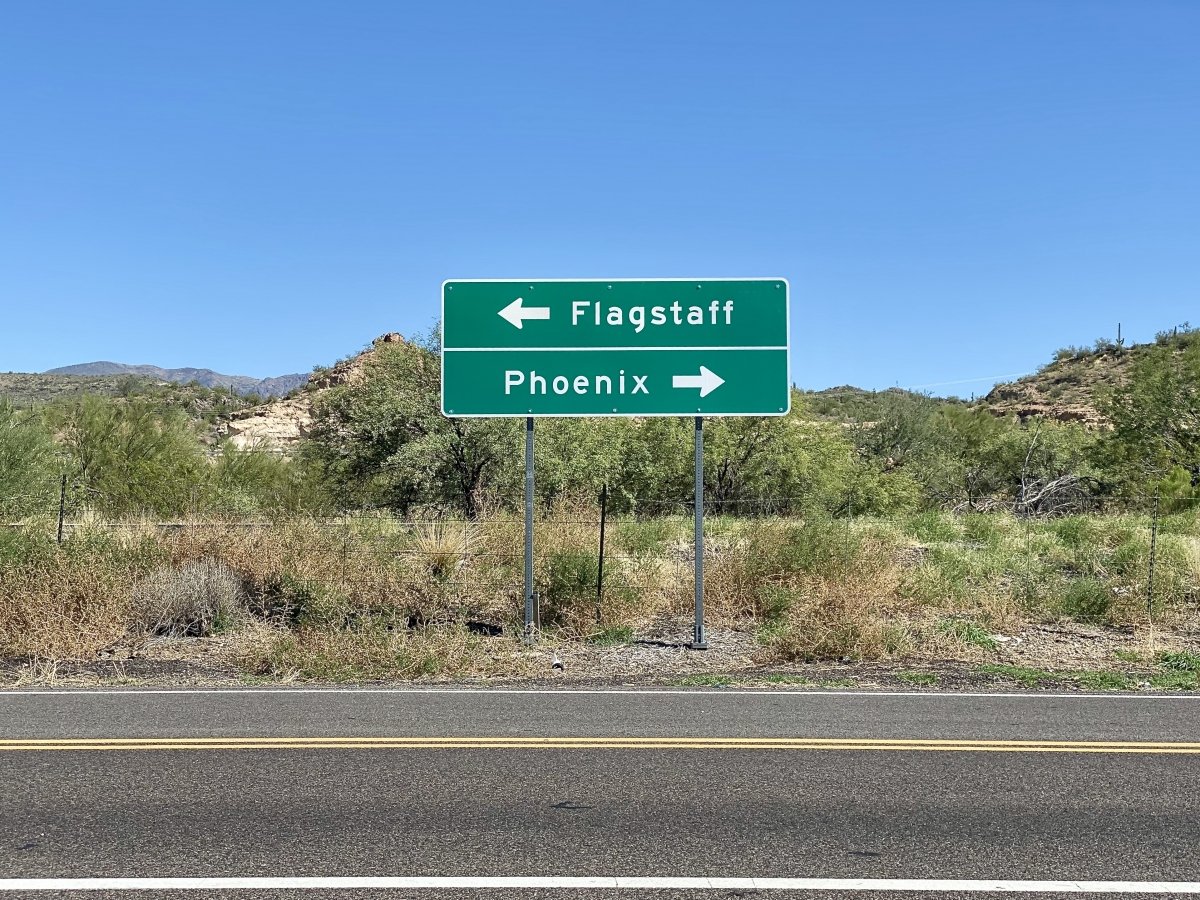
The most direct and commonly used route is via Interstate 17 (I-17) North. Without significant stops or heavy traffic, the drive can take approximately 2 to 2.5 hours. This highway is a well-maintained, multi-lane route that gradually ascends from Phoenix’s elevation of around 1,100 feet to Flagstaff’s impressive 7,000 feet, offering a noticeable change in temperature and scenery as you gain altitude. The landscape transforms from saguaro cacti and arid scrubland to high desert plains and eventually, dense ponderosa pine forests. This straightforward path is ideal for those prioritizing speed and efficiency.
However, for travelers eager to transform a simple drive into a memorable experience, a slightly longer, more scenic route is highly recommended. This involves a detour through the captivating town of Sedona. To take this picturesque path:
- Head north on I-17 from Phoenix.
- Take Exit 298 (Highway 179) towards Sedona.
- After exploring Sedona, continue your journey north on US Route 89A through the stunning Oak Creek Canyon until you reach Flagstaff.
This scenic detour will add approximately 1 to 1.5 hours to your total drive time, making the entire trip around 3.5 to 4 hours of pure driving, not including time spent exploring the numerous attractions along the way. The winding roads of Oak Creek Canyon are particularly breathtaking, offering lush greenery, towering red rock cliffs, and the serene Oak Creek flowing alongside the road. While mesmerizing, these roads require careful driving due to their curves and elevation changes.
Alternative Transportation Options
While driving remains the most popular and flexible option for this route, especially given the opportunities for scenic stops, other transportation alternatives exist for those who prefer not to drive.
- Buses: Several bus companies, such as Greyhound and FlixBus, operate daily services between Phoenix and Flagstaff. These services typically depart from the downtown Phoenix bus station and arrive at the Flagstaff station. The journey usually takes between 2.5 to 3.5 hours, depending on the number of stops. While more economical, bus travel offers less flexibility for spontaneous detours or scenic routes.
- Shuttle Services: Various private shuttle companies provide direct services from Phoenix Sky Harbor International Airport to Flagstaff. These are particularly convenient for travelers flying into Phoenix and heading straight to Flagstaff without renting a car. The cost is higher than a bus ticket but offers a more comfortable and often door-to-door service.
- Trains: Amtrak’s Southwest Chief line passes through Flagstaff, but there is no direct rail service from Phoenix. Passengers would need to take a bus or shuttle to a nearby Amtrak station, such as Maricopa, which is not practical for this specific route. Therefore, train travel is generally not a viable option for direct transit between Phoenix and Flagstaff.
What to See and Do Along the Way
The drive from Phoenix to Flagstaff is an attraction in itself, punctuated by natural wonders, historical sites, and charming towns. Incorporating these stops into your itinerary will enrich your understanding of Arizona’s diverse landscape and heritage.
Sedona: Red Rocks and Spiritual Retreats
For many, Sedona is the undisputed highlight of the journey. Nestled amidst towering crimson cliffs, this town is renowned for its stunning natural beauty, vibrant arts scene, and spiritual energy.
- Red Rock Formations: The iconic red rock formations like Bell Rock and Cathedral Rock are breathtaking and offer countless opportunities for hiking, photography, and simply soaking in the majestic views. Many trails cater to all skill levels, from leisurely walks to challenging climbs.
- Vortex Sites: Sedona is famously associated with powerful energy vortexes, believed to emanate from the earth, attracting spiritual seekers from around the globe. Many visitors seek out these sites for meditation, healing, or simply to experience their unique atmosphere.
- Art Galleries and Boutiques: The town boasts a thriving arts community, with numerous galleries showcasing local and regional artists. Uptown Sedona is a hub for unique shops, jewelry stores, and spiritual centers.
- Chapel of the Holy Cross: An architectural marvel, this chapel is built directly into the red rocks, offering stunning panoramic views and a serene place for reflection.
- Dining and Accommodation: Sedona offers a wide array of dining options, from casual cafes to upscale restaurants with spectacular views. Accommodation ranges from luxury resorts and boutique hotels to cozy bed and breakfasts, catering to every budget and travel style. Many choose to extend their stay in Sedona for a night or two to fully immerse themselves in its unique ambiance.
Beyond Sedona: Other Noteworthy Stops
Even if you opt for the direct I-17 route, or before diverting to Sedona, there are several fascinating stops worth considering:
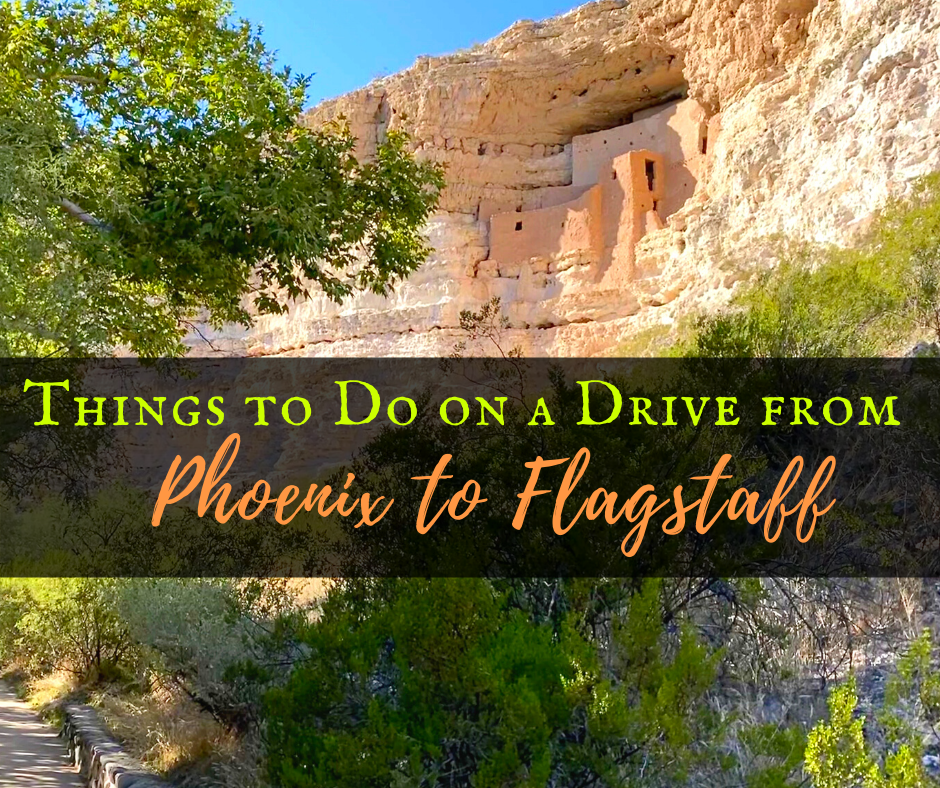
- Montezuma Castle National Monument: Located near Camp Verde, just a short detour off I-17, this remarkably preserved cliff dwelling offers a glimpse into the lives of the ancient Sinagua people. The five-story, 20-room structure is carved into a towering limestone cliff, showcasing impressive ancient engineering and design.
- Slide Rock State Park: If you take the Oak Creek Canyon route, Slide Rock State Park is an unmissable seasonal attraction. During warmer months, visitors can cool off by sliding down a natural water chute formed by the slick creek bed, or simply enjoy swimming and picnicking in the beautiful surroundings.
- Out of Africa Wildlife Park: Also near Camp Verde, this unique wildlife park offers an immersive experience where animals roam in natural habitats. It’s an excellent stop for families and animal lovers, featuring shows and up-close encounters.
Exploring Flagstaff: A High-Altitude Gem
Upon arrival in Flagstaff, travelers are greeted by a distinctly different atmosphere from Phoenix. As a true four-season city, Flagstaff offers cool summers, vibrant autumns, snowy winters, and refreshing springs, making it a year-round destination for outdoor enthusiasts and culture seekers alike. Its position at the base of the majestic San Francisco Peaks and its historical ties to Route 66 add to its unique charm.
Flagstaff Attractions and Activities
Flagstaff serves as an ideal base for exploring a wealth of natural and cultural attractions:
- Gateway to the Grand Canyon: Flagstaff is often referred to as the “Gateway to the Grand Canyon,” as the South Rim of Grand Canyon National Park is just about a 1.5-hour drive north. Many visitors choose to stay in Flagstaff and make a day trip to this global wonder, often stopping in Williams to catch the Grand Canyon Railway.
- Lowell Observatory: A significant landmark in astronomical history, where Pluto was discovered. Visitors can enjoy stargazing programs, educational exhibits, and learn about space exploration.
- Museum of Northern Arizona: Dedicated to the natural and cultural history of the Colorado Plateau, this museum offers fascinating exhibits on Native American cultures, geology, and local ecosystems.
- Historic Downtown Flagstaff: Explore charming boutiques, local eateries, breweries, and historical buildings along the former Route 66. The vibrant atmosphere makes it a great place for an evening stroll or a delicious meal.
- Northern Arizona University (NAU): The picturesque campus adds to the city’s youthful energy and cultural offerings.
- Winter Sports: During the colder months, Arizona Snowbowl, located just a short drive from Flagstaff, transforms into a popular ski and snowboard resort. The area also offers cross-country skiing, snowshoeing, and tubing.
- Nearby National Monuments: Within a short drive, visitors can explore ancient pueblos at Walnut Canyon National Monument, learn about a relatively recent volcanic eruption at Sunset Crater Volcano National Monument, and discover more ancient ruins at Wupatki National Monument. These three sites can often be combined into a scenic loop.
- Hiking and Biking: The surrounding Coconino National Forest offers an extensive network of trails for hiking, mountain biking, and leisurely walks amidst the pine forests.
Accommodation and Dining in Flagstaff
Flagstaff caters to a wide range of accommodation preferences, from historic hotels in the downtown area to modern chain hotels near the highway and cozy cabins nestled in the pines. Options include charming boutique hotels that reflect the city’s historic character, family-friendly suites, and budget-friendly motels. For a more immersive nature experience, consider renting a cabin or staying at a resort bordering the Coconino National Forest.
The dining scene in Flagstaff is equally diverse, boasting everything from classic American diners and steakhouses to international cuisine and a burgeoning craft beer scene. Many restaurants emphasize locally sourced ingredients and offer a cozy, mountain-town ambiance perfect after a day of exploration.
Discovering Phoenix: The Valley of the Sun
Your journey begins or ends in Phoenix, Arizona’s sprawling capital, known as the “Valley of the Sun.” This vibrant metropolis offers a unique blend of desert beauty, urban sophistication, and a relaxed, resort-style lifestyle. With its warm climate and abundant sunshine, Phoenix is a prime destination for winter visitors and those seeking outdoor adventures, luxury travel, or a vibrant cultural scene.
Phoenix Highlights and Experiences
Phoenix and its surrounding communities like Scottsdale and Tempe provide an extensive array of activities and attractions:
- Desert Botanical Garden: A must-visit to appreciate the stunning flora and fauna of the Sonoran Desert. Pathways wind through diverse desert habitats, showcasing cacti, succulents, and wildflowers.
- Hiking Adventures: Iconic peaks like Camelback Mountain and the vast South Mountain Park and Preserve offer challenging hikes with rewarding panoramic views of the city and desert landscape.
- Musical Instrument Museum: An extraordinary global collection of musical instruments, presented with state-of-the-art multimedia displays that allow visitors to hear and see instruments in their cultural contexts.
- Frank Lloyd Wright’s Taliesin West: The former winter home and architectural school of the legendary architect is a UNESCO World Heritage site and offers fascinating tours exploring Wright’s innovative design principles and his connection to the desert environment.
- Old Town Scottsdale: A bustling area known for its Western flair, art galleries, unique boutiques, vibrant nightlife, and diverse dining options. It’s perfect for shopping, people-watching, and enjoying the local atmosphere.
- Phoenix Zoo: Home to over 1,200 animals, the zoo focuses on conservation and provides a fun and educational experience for families.
- Spring Training Baseball: From February to March, Phoenix becomes a mecca for baseball fans, as numerous Major League Baseball teams converge for Spring Training games, offering an intimate and exciting way to catch America’s favorite pastime.
- Golf and Spa Resorts: Phoenix is world-renowned for its championship golf courses and luxurious spa resorts, providing opportunities for relaxation and recreation amidst stunning desert backdrops.
Where to Stay and Eat in Phoenix
Phoenix’s accommodation scene is vast and varied, reflecting its status as a major tourist and business destination. Luxury travelers will find an abundance of world-class resorts with lavish amenities, expansive pools, and gourmet dining. Boutique hotels offer more intimate and uniquely themed stays, often with a focus on local art and design. For families or those seeking extended stays, numerous apartment-style accommodations and vacation rentals are available throughout Phoenix, Scottsdale, and Tempe. Budget-friendly hotels and motels are also widely available.
The culinary landscape of Phoenix is just as diverse, ranging from high-end dining experiences and innovative Southwestern cuisine to casual eateries, vibrant food trucks, and authentic Mexican restaurants. The city’s thriving food scene, combined with its many rooftop bars and lively entertainment districts, ensures that every palate and preference is catered to.
Planning Your Arizona Adventure: Tips for Travelers
Understanding the unique characteristics of both Phoenix and Flagstaff is crucial for planning an unforgettable Arizona getaway. The dramatic difference in elevation—and thus climate—between the two cities offers a remarkable contrast that defines the Arizona experience.
Best Time to Visit
- Phoenix: The ideal time to visit Phoenix is during the cooler months, from October to April, when temperatures are pleasant (mild to warm) for outdoor activities like hiking and golfing. Summers (May to September) are intensely hot, with temperatures often exceeding 100°F (38°C), making indoor activities and early morning/late evening excursions more preferable.
- Flagstaff: Flagstaff experiences all four seasons. Summer (June to September) offers a welcome escape from the desert heat, with mild temperatures perfect for hiking, biking, and exploring the surrounding forests. Autumn (October to November) is stunning with vibrant fall foliage. Winter (December to March) brings snow, transforming Flagstaff into a winter wonderland ideal for skiing and other snow sports. Spring (April to May) offers pleasant temperatures for exploring before the summer crowds arrive.
Considering these climate differences, a popular strategy is to visit Phoenix in the spring or fall, then drive to Flagstaff to experience its contrasting climate and attractions. This allows travelers to enjoy the best of both worlds without encountering extreme weather conditions.
Travel Style and Budget Considerations
- Road Trip Essentials: If driving, ensure your vehicle is in good condition, especially if venturing into mountainous or unpaved areas. Pack plenty of water, snacks, and a first-aid kit. Download offline maps as cell service can be spotty in certain canyon areas.
- Packing: Due to the drastic climate changes, layering is essential. Even in summer, evenings in Flagstaff can be cool, while Phoenix will remain hot. Pack sunscreen, hats, and comfortable walking shoes for both locations.
- Budgeting: Arizona offers options for every budget, from luxury resorts and fine dining to budget-friendly motels and campgrounds. Plan your accommodation and activities in advance, especially during peak seasons (winter/spring for Phoenix, summer/winter for Flagstaff) to secure the best rates and availability. Consider bundled passes for attractions or exploring free outdoor activities to save on costs.
- Family, Luxury, or Adventure: Whether you’re planning a family trip with educational stops, a luxurious retreat with spa treatments and gourmet meals, or an adventurous journey focused on hiking and outdoor sports, both Phoenix and Flagstaff can cater to your specific lifestyle and preferences. The key is to blend the vibrant city life of Phoenix with the refreshing mountain escape of Flagstaff to create a truly comprehensive Arizona experience.
The journey from Phoenix to Flagstaff is far more than a simple drive; it’s an immersive exploration of Arizona’s breathtaking natural beauty, rich history, and diverse cultural offerings. By carefully planning your route and stops, you can transform this practical transit into the highlight of your Arizona adventure.
LifeOutOfTheBox is a participant in the Amazon Services LLC Associates Program, an affiliate advertising program designed to provide a means for sites to earn advertising fees by advertising and linking to Amazon.com. Amazon, the Amazon logo, AmazonSupply, and the AmazonSupply logo are trademarks of Amazon.com, Inc. or its affiliates. As an Amazon Associate we earn affiliate commissions from qualifying purchases.