
Pampa, Texas, a name that might evoke images of open skies and vast landscapes, is a significant hub in the Texas Panhandle. Often overshadowed by its larger neighbors, Pampa offers a unique glimpse into the spirit of West Texas, characterized by its rich history, a resilient economy, and a community deeply connected to its roots. For travelers seeking an authentic American experience, away from the bustling metropolises, Pampa presents an intriguing destination. This article delves into the geographical location of Pampa, Texas, explores its historical significance, and highlights the attractions and experiences that make it a worthy stop for any adventurer, whether you’re a seasoned globetrotter or a family on a road trip.
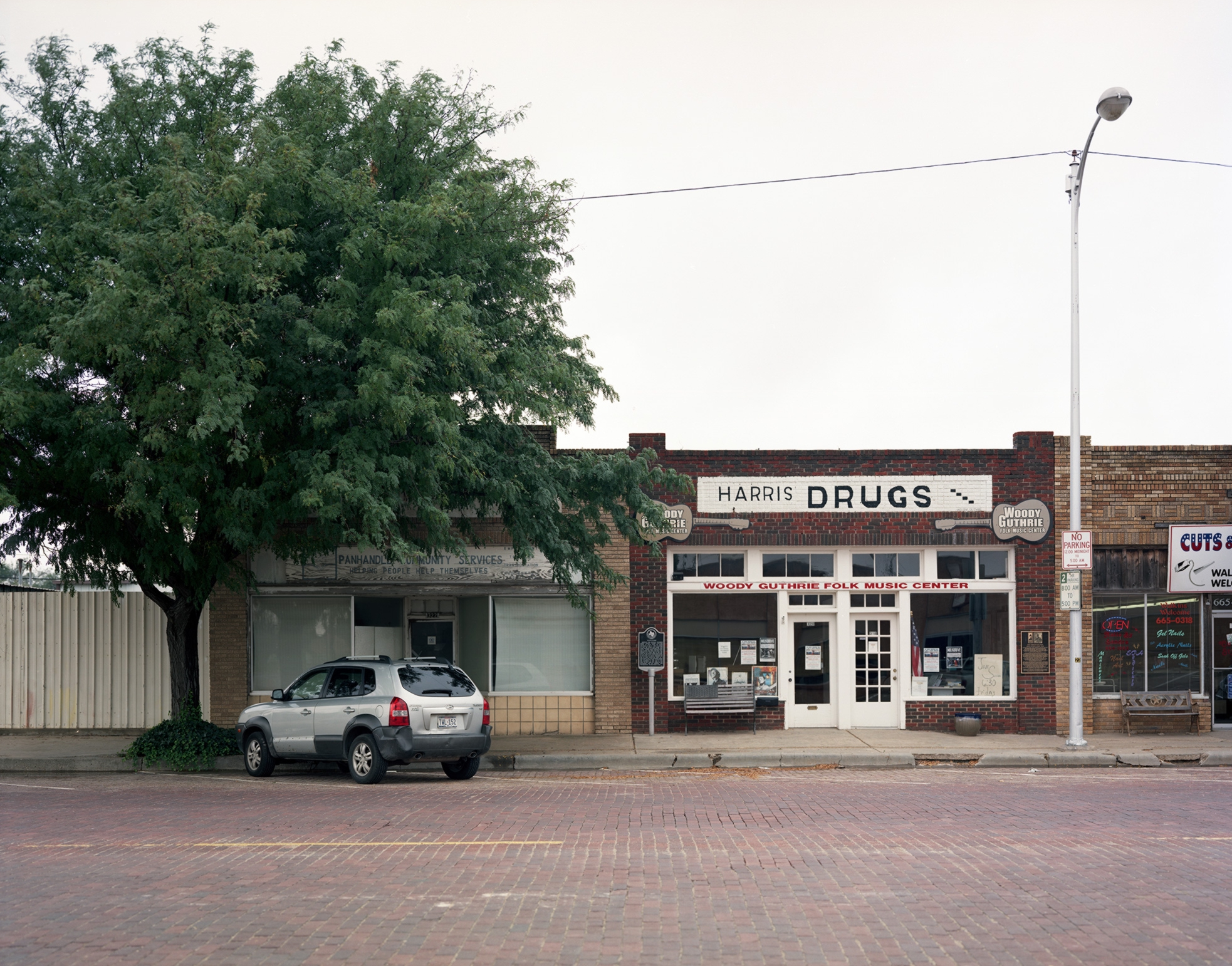
Discovering Pampa’s Place in the Texas Panhandle
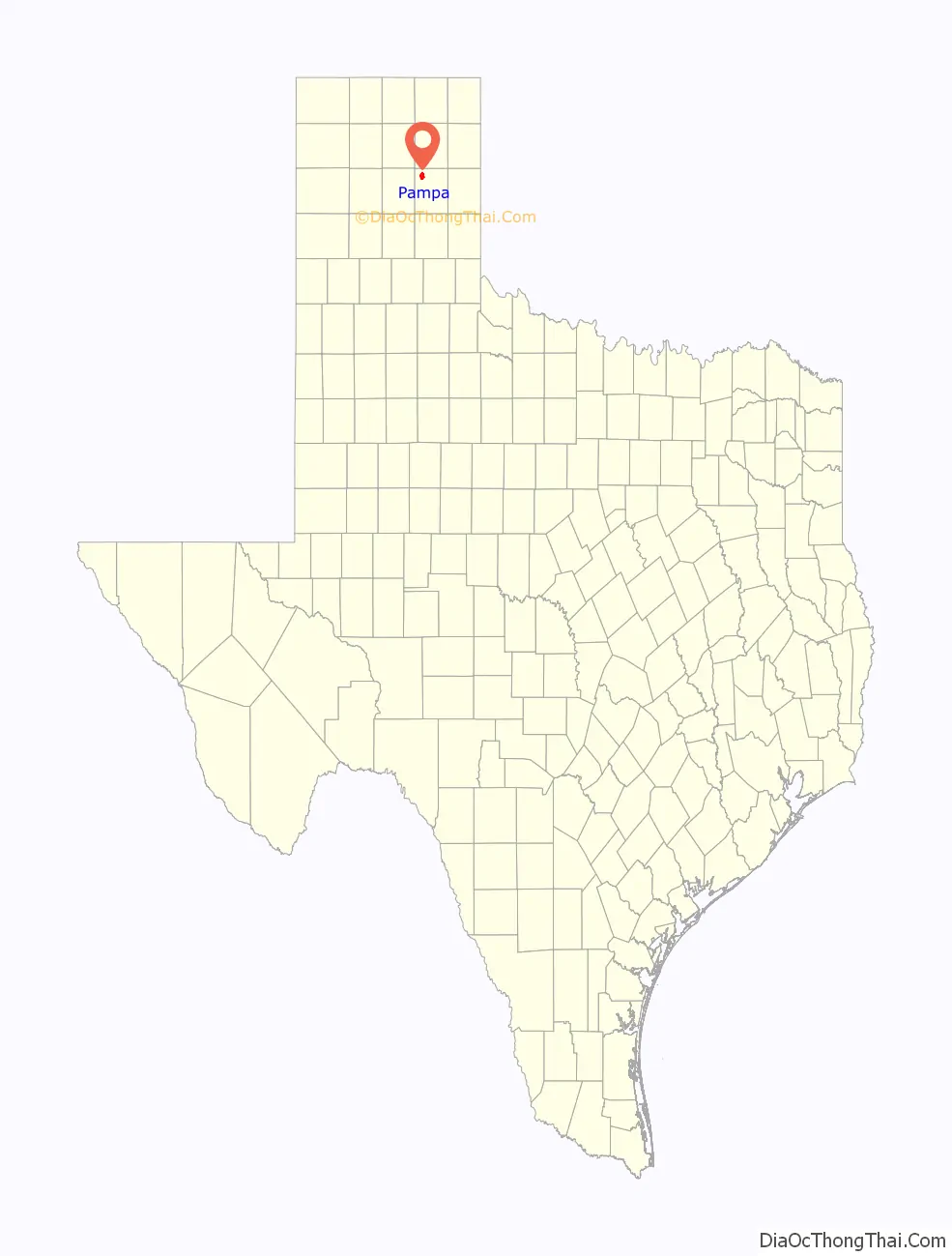
Pampa, Texas, is situated in the northeastern corner of the state, specifically in Gray County. Its location within the Texas Panhandle places it in a region renowned for its flat, expansive terrain, crucial for agriculture and the oil and gas industry. The city is strategically positioned at the intersection of U.S. Highway 60 and State Highway 152, making it an accessible point for those traversing this part of the country. To better understand Pampa’s context, consider its proximity to other notable Texas cities: it lies approximately 50 miles east of Amarillo, a larger urban center that often serves as a gateway to the Panhandle. To the south, it’s about 230 miles from Lubbock, another significant Texan city. Its eastern reach extends towards Oklahoma, further cementing its position as a vital community in a historically and economically significant region of the United States.
The Geographic and Economic Landscape
The landscape surrounding Pampa is typical of the Great Plains. Characterized by rolling plains and fertile soil, the region has historically been an agricultural powerhouse, with cattle ranching and crop farming – particularly wheat and cotton – forming the backbone of its economy for decades. However, the discovery and subsequent development of oil and natural gas reserves in the early 20th century dramatically reshaped Pampa’s economic identity. The presence of vast underground reservoirs propelled the city into becoming a major center for the oil and gas industry. This dual foundation in agriculture and energy has created a robust and dynamic economic environment, attracting a workforce skilled in both sectors and fostering a sense of self-reliance and entrepreneurial spirit. The vastness of the surrounding land also dictates a certain lifestyle, one that embraces outdoor activities and a slower pace of life compared to more densely populated areas. This geographic and economic context is crucial to understanding the character and allure of Pampa, Texas.
A Glimpse into Pampa’s Rich History and Culture
Pampa’s story is intrinsically linked to the development of the Texas Panhandle and the broader American West. Its establishment and growth are testaments to the pioneering spirit and the economic opportunities that drew settlers to this land. The history of Pampa is not just about economic booms but also about the cultural fabric woven by generations of families who have called this place home.
From Ranching Frontier to Oil Capital
The area that is now Pampa was once part of vast cattle ranches that dominated the Texas Panhandle in the late 19th century. The arrival of the railroad in the early 20th century was a pivotal moment, transforming the region from a largely undeveloped frontier into a more accessible and settled area. The townsite of Pampa was officially established in 1901, with its name reportedly derived from the Spanish word for “plain,” aptly describing the surrounding landscape.
The true catalyst for Pampa’s significant growth, however, was the discovery of oil. The Cushing Oil Field, a massive oil reserve, extended into Gray County, and Pampa quickly became a central hub for exploration, drilling, and related services. This oil boom transformed Pampa into a bustling community, attracting workers and businesses from across the country. The city experienced rapid expansion, with new infrastructure, housing, and social amenities developing to support its growing population and burgeoning industry. This period cemented Pampa’s identity as an “oil capital” of the region, a legacy that continues to influence its economy and culture today. The resilience of the community is evident in its ability to adapt to the cyclical nature of the oil industry, always finding new avenues for growth and development.
Experiencing Pampa’s Local Culture and Attractions
While the oil industry remains a significant part of Pampa’s identity, the city offers more than just economic opportunities. Its local culture is shaped by the hardy spirit of the West Texas people, a blend of Texan pride and a down-to-earth sensibility. Visitors can experience this through various avenues.
The Central Park in Pampa is a central gathering place, offering a green oasis in the heart of the city. It’s a perfect spot for a leisurely stroll, a picnic, or simply to soak in the local atmosphere. For those interested in history, the Gray County Historical Museum provides a comprehensive look into the region’s past, from its early days as a ranching frontier to the impact of the oil boom. Exhibits often showcase artifacts, photographs, and stories that bring the history of Pampa to life.
The arts scene, though perhaps modest compared to larger cities, is vibrant and reflective of the community’s spirit. Local galleries and performance spaces often feature the work of regional artists and musicians. The Downtown Pampa area is a good place to explore, with a mix of historic buildings housing local businesses, antique shops, and dining establishments. Here, one can find classic Texas cuisine and experience the friendly hospitality that the region is known for.
For nature enthusiasts, the vast open spaces surrounding Pampa offer opportunities for exploration. While Pampa itself is on the plains, day trips to nearby natural attractions can be easily arranged. This blend of historical immersion and engagement with local life provides a well-rounded experience for any visitor.

Pampa, Texas: A Gateway to Regional Exploration and Accommodation
Pampa, Texas, serves not only as a destination in itself but also as a strategic location for exploring the wider Texas Panhandle and beyond. Its well-connected transportation network and growing hospitality sector make it an appealing base for travelers.
Navigating to and Around Pampa
Getting to Pampa is straightforward, thanks to its position along major roadways. As mentioned, U.S. Highway 60 runs east-west through the city, providing a direct link to Amarillo to the west and continuing across the Panhandle towards Oklahoma. State Highway 152 offers a north-south route. These highways are essential arteries for freight and passenger traffic, making Pampa accessible for those driving their own vehicles.
For those flying in, the nearest major airport is Rick Husband Amarillo International Airport (AMA), located about an hour’s drive west of Pampa. From Amarillo, visitors can rent a car and enjoy a scenic drive through the Texas Panhandle to reach Pampa. This road trip itself offers glimpses of the iconic landscapes, including the vast plains and occasional geological formations that characterize the region.
Once in Pampa, navigating the city is relatively easy. The downtown area is compact and walkable, with many attractions and businesses located within easy reach. For exploring the surrounding areas or for greater convenience, having a personal vehicle is recommended. The city’s layout is typical of many Texas towns, with a grid system that is easy to follow.
Accommodation Options in and Near Pampa
Pampa, Texas, offers a range of accommodation options to suit various travel needs and budgets, from comfortable hotels for short stays to more extended lodging solutions. While Pampa may not boast the extensive resort options of major tourist destinations, it provides reliable and welcoming places to rest and recharge.
For travelers seeking standard hotel amenities, Pampa has several well-maintained options. These typically include hotels offering rooms with private bathrooms, complimentary Wi-Fi, and often breakfast services. These establishments are convenient for business travelers, families on road trips, or individuals looking for a dependable place to stay during their visit. Examples of such accommodations can be found by searching for hotels within Pampa, Texas.
For those planning a longer stay or seeking apartment-style living, Pampa may also offer extended-stay hotels or local apartment complexes that cater to temporary residents. These can be particularly useful for individuals on work assignments or families relocating to the area.
When considering accommodation in Pampa, Texas, it’s advisable to look at options that align with your travel lifestyle. Whether you prefer the convenience of a chain hotel, the potential for more space in an apartment rental, or the personalized service that smaller, independent lodgings might offer, Pampa has options to explore. Checking reviews and booking platforms can help in selecting the best fit for your needs, ensuring a comfortable and enjoyable stay in this Texan city.
Pampa as a Base for Regional Tourism
Pampa’s central location within the Texas Panhandle makes it an excellent starting point for exploring the region’s diverse attractions. Beyond the city’s own historical and cultural offerings, numerous landmarks and natural wonders are within a day’s drive.
To the west, Amarillo is a must-visit. It’s famous for Palo Duro Canyon State Park, the second-largest canyon in the United States, often referred to as the “Grand Canyon of Texas.” Hiking, biking, and scenic drives through the canyon offer breathtaking views and a deep connection with nature. Amarillo also boasts unique attractions like Cadillac Ranch, an iconic public art installation, and the historic Route 66 Historic District.
Further afield, but still accessible for a longer day trip or an overnight stay, are other notable sites. The Caprock Canyons State Park & Trailway in Quitaque offers stunning red rock formations and is the official state park for the Texas state moth, the Monarch butterfly. For those interested in the astronomical, the McDonald Observatory near Fort Davis, though a considerable drive, is a world-renowned facility offering public tours and stargazing opportunities.
The Texas Panhandle is also rich in history related to Native American tribes, early settlers, and the cattle drives that shaped the American West. Exploring these historical sites, many of which are preserved in museums or as protected landmarks, provides a deeper understanding of the region’s heritage. Pampa, with its own historical narrative, offers a gateway to these broader regional explorations, allowing travelers to craft a comprehensive and enriching itinerary. By basing oneself in Pampa, visitors can comfortably explore the vast and varied landscapes, rich history, and unique culture of this fascinating part of Texas.
LifeOutOfTheBox is a participant in the Amazon Services LLC Associates Program, an affiliate advertising program designed to provide a means for sites to earn advertising fees by advertising and linking to Amazon.com. Amazon, the Amazon logo, AmazonSupply, and the AmazonSupply logo are trademarks of Amazon.com, Inc. or its affiliates. As an Amazon Associate we earn affiliate commissions from qualifying purchases.