
The question “How far is Florida from Cuba?” often sparks a sense of intrigue, hinting at a relationship far deeper than mere geographical proximity. These two vibrant entities, separated by a relatively narrow stretch of water, share a complex tapestry of history, culture, and human connection that belies the simple answer of distance. For travelers, this proximity presents a unique proposition: the chance to explore two distinct yet intertwined worlds, each offering a wealth of experiences from sun-drenched beaches and historic landmarks to rich culinary traditions and pulsating music scenes. This article delves into the fascinating connection between Florida and Cuba, exploring the actual distances, the historical ties that bind them, the nuances of travel, and the incredible cultural fusion that defines both. Whether you’re planning a trip to the Florida Keys, dreaming of Havana’s colonial charm, or simply curious about this intriguing relationship, understanding their closeness is the first step towards appreciating their profound connection. From the travel perspective, this proximity opens up a world of possibilities for those seeking diverse destinations, unique attractions, and unforgettable experiences, making it a prime subject for exploration in the realm of travel, tourism, and lifestyle.
The Nautical Mile: Bridging Two Worlds
The geographical closeness of Florida and Cuba is truly remarkable, making them neighbors in the truest sense of the word. This proximity has shaped centuries of interaction, migration, and cultural exchange, transforming the seemingly simple distance into a profound geographical and cultural bridge. Understanding this physical closeness is key to appreciating the deep connections that have formed between the two regions, influencing everything from demographics to gastronomy. For any traveler or history enthusiast, the short distance between these landmasses serves as a constant reminder of their shared destiny, inviting exploration into the myriad ways their stories have intertwined.
A Short Hop Across the Straits of Florida
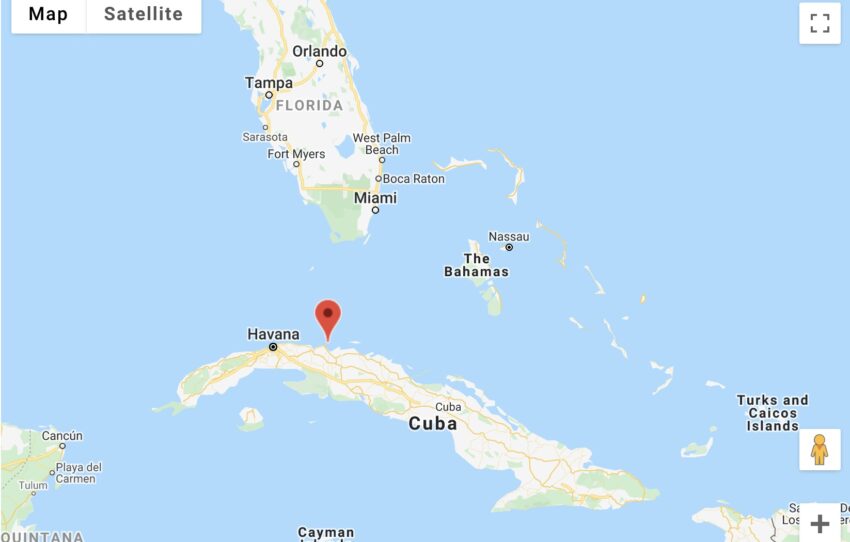
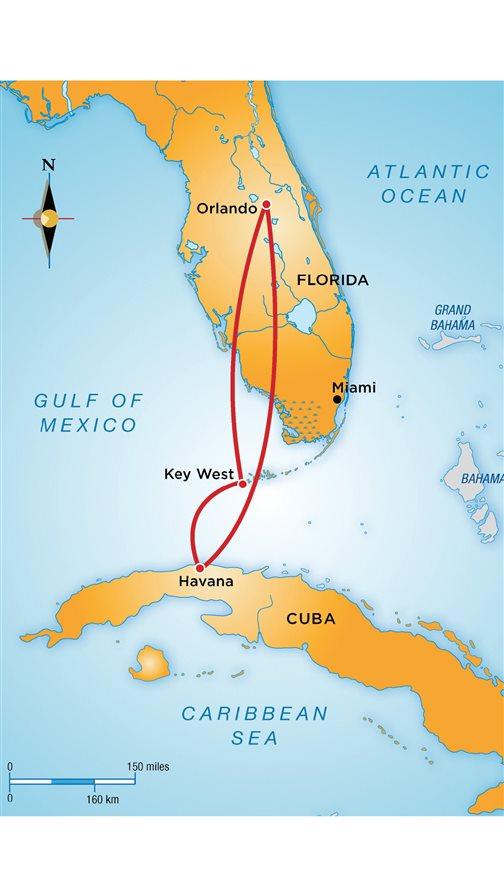
At its closest point, the distance between the southernmost tip of Florida and the northern coast of Cuba is astonishingly short. Specifically, Key West, the southernmost city in the continental United States, is only about 90 miles (145 kilometers) from Havana, the capital of Cuba. This narrow stretch of water is known as the Straits of Florida, serving as a maritime corridor that connects the Gulf of Mexico to the Atlantic Ocean. The journey across this strait, whether by air or sea, is relatively brief, highlighting just how interconnected these two landmasses are. This short distance has historically facilitated a significant flow of people, goods, and ideas, making it a vibrant and sometimes turbulent frontier. Travelers visiting Key West can even see a famous buoy marking the “90 Miles to Cuba” point, a popular attraction and a tangible symbol of this unique geographical relationship. This physical closeness has been a constant in the narrative of both regions, informing everything from trade routes to escape attempts, and making the journey from one to the other an appealing destination for intrepid explorers.
Historical Echoes of Proximity
The short distance between Florida and Cuba has played a pivotal role throughout history, shaping the destinies of both places long before modern borders were established. During the colonial era, both regions were under Spanish rule, sharing administrative and cultural ties. Key West and Havana thrived as bustling port cities, facilitating trade and communication across the Straits of Florida. The late 19th century saw significant Cuban immigration to Florida, particularly to Key West and Tampa, driven by political unrest and the burgeoning cigar industry. Ybor City in Tampa, for instance, became a vibrant hub of Cuban culture and a center for the independence movement. Figures like José Martí, a national hero of Cuba, spent time in Florida garnering support for Cuban independence.
The mid-20th century, particularly after the Cuban Revolution in 1959, marked a new chapter in this historical relationship. A massive influx of Cuban exiles sought refuge in Florida, profoundly transforming cities like Miami. These historical migrations and political events have left an indelible mark, creating a vibrant Cuban-American community in Florida that maintains strong cultural and familial ties to the island. The shared history is evident in the architecture, cuisine, and languages spoken, making Florida a unique destination where the echoes of Cuba’s past and present are constantly heard. For those interested in historical landmarks, tracing these paths provides a fascinating insight into the complex narrative of two nations so close, yet often politically distant.
Travel Between Florida and Cuba: Challenges and Charms
Despite the short geographical distance, travel between Florida and Cuba is a journey layered with complexities and unique considerations. The political relationship between the United States and Cuba has long influenced travel policies, creating a dynamic environment for visitors. However, for those determined to bridge the gap, the journey itself is part of the adventure, promising an immersion into two distinct yet remarkably similar cultures. Understanding these nuances is crucial for any traveler planning to explore these fascinating destinations, ensuring a smooth and enriching experience. Whether you’re seeking to understand local culture, explore famous places, or simply enjoy a unique travel experience, navigating the specifics of US-Cuba travel is an essential guide.
Navigating Travel Restrictions and Regulations
Travel from the United States to Cuba is not as straightforward as flying to other Caribbean destinations. While tourism for purely recreational purposes is generally prohibited for U.S. citizens, travel is permitted under specific categories established by the U.S. Department of the Treasury. These categories include “family visits,” “support for the Cuban people,” “journalistic activity,” “professional research and meetings,” and “educational activities,” among others. The “support for the Cuban people” category is often the most common for independent travelers, requiring them to engage in activities that enhance contact with the Cuban people and support civil society, rather than solely tourism. This might involve staying in private accommodations (casas particulares), dining at privately owned restaurants (paladares), and participating in cultural exchanges.
Travelers must also acquire a Cuban visa, often referred to as a “tourist card,” which can be obtained through airlines, tour operators, or the Cuban Embassy. It’s essential to stay updated on the latest regulations, as policies can change. While these restrictions might seem daunting, many specialized tour operators and travel agencies are adept at guiding visitors through the process, ensuring compliance with both U.S. and Cuban laws. For those interested in local culture and authentic experiences, adhering to these guidelines often leads to deeper, more meaningful interactions with the destination.
Modes of Transport: From Air to Sea
The primary mode of transport for bridging the 90-mile gap between Florida and Cuba is by air. Several airlines offer direct flights from major Florida cities like Miami and Fort Lauderdale to Havana’s José Martí International Airport. These flights are relatively short, typically lasting around 45 minutes to an hour, making Cuba an accessible destination once the legal requirements are met. The convenience of air travel allows visitors to maximize their time exploring Cuba’s vibrant cities and natural beauty.
Cruises from the United States to Cuba were once a popular option, offering a unique way to experience the island. However, as of June 2019, the U.S. government prohibited cruise ships from sailing to Cuba, effectively ending this travel route for the time being. Prior to the ban, cruises offered a comprehensive way to visit multiple Cuban cities like Havana, Cienfuegos, and Santiago de Cuba while providing accommodation and organized activities.
Private boats and ferries, while historically used for passage, are also subject to strict regulations and are not a common or straightforward option for general travel between the two countries. The primary focus remains on licensed air travel, which offers the most reliable and regulated method for experiencing Cuba’s rich tourism landscape, from its hotels and resorts to its unique local activities. Planning ahead and securing flights through approved channels is key to a successful trip.
The Cultural Tapestry: Florida’s Cuban Influence
The narrative of “how far is Florida from Cuba” transcends mere geography, extending deeply into the cultural fabric of both regions. The proximity has fostered an unparalleled cultural exchange, particularly evident in Florida, where Cuban influence is not just present but foundational to its identity. This rich tapestry is woven through generations of migration, bringing vibrant traditions, culinary delights, and artistic expressions from the island nation to the shores of the Sunshine State. For travelers, exploring this cultural fusion offers a unique journey, a chance to experience Cuba’s soul without ever leaving the United States, and conversely, to see the echoes of Florida within Cuba’s historical narrative.
Little Havana and Beyond: A Taste of Cuba in Florida
Nowhere is Cuba’s vibrant spirit more palpable in Florida than in Miami’s iconic Little Havana district. This bustling neighborhood serves as a living museum of Cuban-American culture, a testament to the community that blossomed after the 1959 revolution. Strolling down Calle Ocho, visitors are immediately immersed in a sensory experience: the aroma of strong Cuban coffee (cafecito), the rhythmic beats of salsa music spilling from doorways, and the lively chatter in Spanish. Little Havana is home to numerous landmarks and attractions that pay homage to its heritage. The Walk of Fame honors Cuban stars, while Máximo Gómez Park, affectionately known as “Domino Park,” sees elderly men passionately playing dominoes, a cherished pastime.
Beyond Miami, the Cuban influence extends to Tampa’s historic Ybor City, once the cigar capital of the world and a melting pot of Cuban, Spanish, and Italian immigrants. Here, the legacy of Cuban cigar makers and independence fighters is etched into the brick streets and historic buildings. These areas offer travelers not just a taste of Cuban cuisine — think Cuban sandwiches, ropa vieja, and plantains — but also an authentic glimpse into the vibrant lifestyle and community spirit that defines the Cuban diaspora in Florida. Exploring these destinations provides invaluable experiences for understanding the intertwined narratives of two distinct yet culturally linked nations.
A Shared Heritage: Food, Music, and Art
The cultural bridge between Florida and Cuba is perhaps most deliciously evident in their shared culinary traditions. Cuban food, with its fusion of Spanish, African, and Caribbean influences, has become a staple in many Florida cities. Iconic dishes like the Cuban sandwich, originating in Key West and Tampa among cigar factory workers, exemplify this delicious cultural blend. Restaurants across Florida serve up authentic fare, from crispy croquetas to hearty picadillo, offering a taste of Havana’s kitchens.
Music also forms a powerful link. The infectious rhythms of salsa, son, and rumba, born in Cuba, resonate deeply in Florida’s nightlife and festivals. Miami has been a significant hub for Cuban musicians and artists, fostering new interpretations of traditional styles and creating a vibrant Latin music scene. Art, too, reflects this shared heritage, with Cuban-American artists in Florida drawing inspiration from their roots, often exploring themes of identity, exile, and connection to the island. Galleries in Little Havana showcase works that blend modern techniques with traditional motifs, creating a unique artistic dialogue.
Moreover, the spiritual practices, such as Santería, a syncretic religion with roots in West African traditions and Catholicism, are quietly practiced in both regions, reflecting another layer of their intricate cultural exchange. This deep cultural intertwining offers travelers a rich experience, whether enjoying a Cuban cigar in Ybor City or dancing to Latin beats in Miami, making these destinations more than just tourist spots but living embodiments of a shared heritage. For those seeking authentic local culture, diverse food experiences, and unique artistic expressions, the shared heritage of Florida and Cuba offers an unparalleled journey.
Planning Your Trip: What to Know Before You Go
Embarking on a journey to either Florida’s Cuban enclaves or the island of Cuba itself requires careful planning to maximize the experience. Given the unique historical and political context, particularly for travel to Cuba, understanding accommodation options, local customs, and key attractions is vital. Whether you’re seeking luxury resorts, quaint boutique hotels, or authentic local stays, both destinations offer a range of choices that cater to diverse traveler preferences and budgets. This section provides essential tips and insights for planning your adventure, ensuring that your trip is not only memorable but also respectful of the local culture and guidelines. From booking the perfect stay to discovering hidden gems, preparation is key to unlocking the full potential of these vibrant destinations.
Accommodation and Experiences in Cuba
When planning a trip to Cuba, particularly from the United States, understanding accommodation options is key. While Cuba does have government-run hotels and resorts, such as the historic Hotel Nacional de Cuba in Havana or the luxurious Iberostar Grand Packard, many visitors opt for privately owned casas particulares. These guesthouses, similar to bed and breakfasts, offer a more authentic and immersive experience, allowing travelers to directly support the Cuban people, which aligns with U.S. travel regulations. Casas particulares can be found in cities like Havana, Viñales Valley, Trinidad, and Cienfuegos, providing comfortable lodging and often delicious home-cooked meals.
Beyond accommodation, Cuba offers a plethora of unique experiences. In Havana, stroll along the iconic Malecón, explore the UNESCO World Heritage site of Old Havana with its colonial architecture, or visit El Capitolio and Plaza de la Revolución. Don’t miss the chance to experience live Cuban music in a local club or take a ride in a vintage American car. For those interested in Cuban cigars, a visit to a cigar factory offers insight into this traditional craft. Coastal areas like Varadero boast stunning beaches and all-inclusive resorts, ideal for a relaxing getaway. Engaging with locals, participating in guided tours that focus on cultural exchange, and being open to the unexpected are essential for a truly enriching Cuban adventure.
Exploring Florida’s Cuban Heartbeat
For travelers seeking a taste of Cuba without crossing the Straits of Florida, Florida offers an incredibly rich and accessible alternative. Miami is the undisputed epicenter of Cuban-American culture. Staying in Little Havana allows for an immersive experience, with boutique hotels and vacation rentals available. Beyond Calle Ocho, Miami offers a diverse range of accommodations, from luxury hotels in South Beach to family-friendly resorts, providing access to attractions like the Art Deco Historic District, Vizcaya Museum & Gardens, and nearby Everglades National Park.
Key West, with its laid-back atmosphere and historical ties to Cuba, is another must-visit. Explore the Ernest Hemingway Home and Museum, wander through charming streets, and soak in the sunset at Mallory Square. Accommodations range from historic guesthouses to modern resorts. In Tampa, Ybor City offers a glimpse into the past with its cigar factories and Cuban restaurants. Travelers can choose from a variety of hotels that cater to both budget and luxury preferences, providing a comfortable base for exploring the city’s unique cultural districts and vibrant nightlife. These Florida destinations not only provide a rich Cuban experience but also showcase the diverse attractions and lifestyle options that make the state a prime travel destination, from its vibrant cities to its stunning natural beauty.
Conclusion
The question “How far is Florida from Cuba?” reveals a geographical distance that is remarkably short—a mere 90 miles at its closest point—yet this proximity has forged one of the most complex and fascinating relationships between any two landmasses. This narrow stretch of the Straits of Florida acts as both a physical barrier and a profound cultural conduit, shaping centuries of history, migration, and exchange. From the early Spanish colonial era to the waves of Cuban immigration that transformed Florida’s cities, the intertwined destinies of these regions are undeniable.
For the modern traveler, this unique relationship offers an unparalleled opportunity for exploration. Whether navigating the specific travel regulations to experience the authentic charm of Havana and its casas particulares, or immersing oneself in the vibrant Cuban-American culture of Miami’s Little Havana and Tampa’s Ybor City, the journey promises rich cultural insights. The shared heritage in food, music, and art creates a seamless narrative that transcends political boundaries, inviting visitors to savor delicious Cuban sandwiches, dance to infectious Latin rhythms, and marvel at art that speaks of both longing and resilience.
Ultimately, the distance between Florida and Cuba is far more than a number on a map; it represents a living, breathing connection. For those planning a trip, understanding this profound link enriches the travel experience, turning a simple vacation into a journey through a shared past, a vibrant present, and a continually evolving future. Both destinations offer distinct yet complementary attractions, from luxurious resorts and historic hotels to intimate local experiences, making them compelling choices for any traveler seeking destinations rich in culture, history, and unparalleled charm.
LifeOutOfTheBox is a participant in the Amazon Services LLC Associates Program, an affiliate advertising program designed to provide a means for sites to earn advertising fees by advertising and linking to Amazon.com. Amazon, the Amazon logo, AmazonSupply, and the AmazonSupply logo are trademarks of Amazon.com, Inc. or its affiliates. As an Amazon Associate we earn affiliate commissions from qualifying purchases.