
Seattle, often dubbed the Emerald City, is a vibrant hub of innovation, natural beauty, and a progressive spirit that sets it apart within the United States. From its iconic Space Needle piercing the skyline to the bustling stalls of Pike Place Market, this Washington state gem draws millions of visitors annually, eager to explore its unique blend of urban sophistication and Pacific Northwest charm. Beyond its popular tourist attractions, Seattle is also known for its forward-thinking social and economic policies, one of the most prominent being its leading minimum wage.
For travelers, hotel managers, tourism operators, and anyone interested in the local lifestyle, understanding Seattle’s minimum wage is more than just an economic detail; it’s a window into the city’s values, impacting everything from the cost of your morning coffee to the overall experience of service in a local restaurant or hotel. This policy reflects a commitment to supporting its workforce, especially those in the service and hospitality sectors that are the backbone of the city’s robust tourism industry. Delving into Seattle’s minimum wage helps paint a comprehensive picture of what it means to visit, work, and thrive in this dynamic city.
A Progressive Wage Standard in the Emerald City
Seattle’s journey to establishing one of the highest minimum wages in the nation is a testament to its progressive ethos and a strong commitment to economic equity. This policy is not just a number; it’s a foundational element of the city’s social contract, aiming to ensure that workers can afford to live and prosper in an increasingly expensive urban environment.
Understanding Seattle’s Minimum Wage Structure
As of January 1, 2024, Seattle’s minimum wage stands at $19.97 per hour for all employees working within the city limits. This universal rate simplifies what was once a more complex, tiered system. Historically, Seattle implemented different rates based on employer size (distinguishing between large employers with 500 or more employees worldwide and smaller employers) and whether the employer contributed to medical benefits or received tips from employees. While these distinctions are still relevant for specific calculations related to minimum compensation, the standard hourly wage for most workers has converged to this impressive figure.
The primary goal of this high minimum wage is to allow workers to meet the escalating cost of living in one of the United States’ most competitive housing markets. It’s an annual adjustment, tied to the Consumer Price Index for Urban Wage Earners and Clerical Workers (CPI-W) for the Seattle-Tacoma-Bremerton area, ensuring that the wage keeps pace with inflation and continues to provide meaningful economic support.
Historical Context and Legislative Milestones
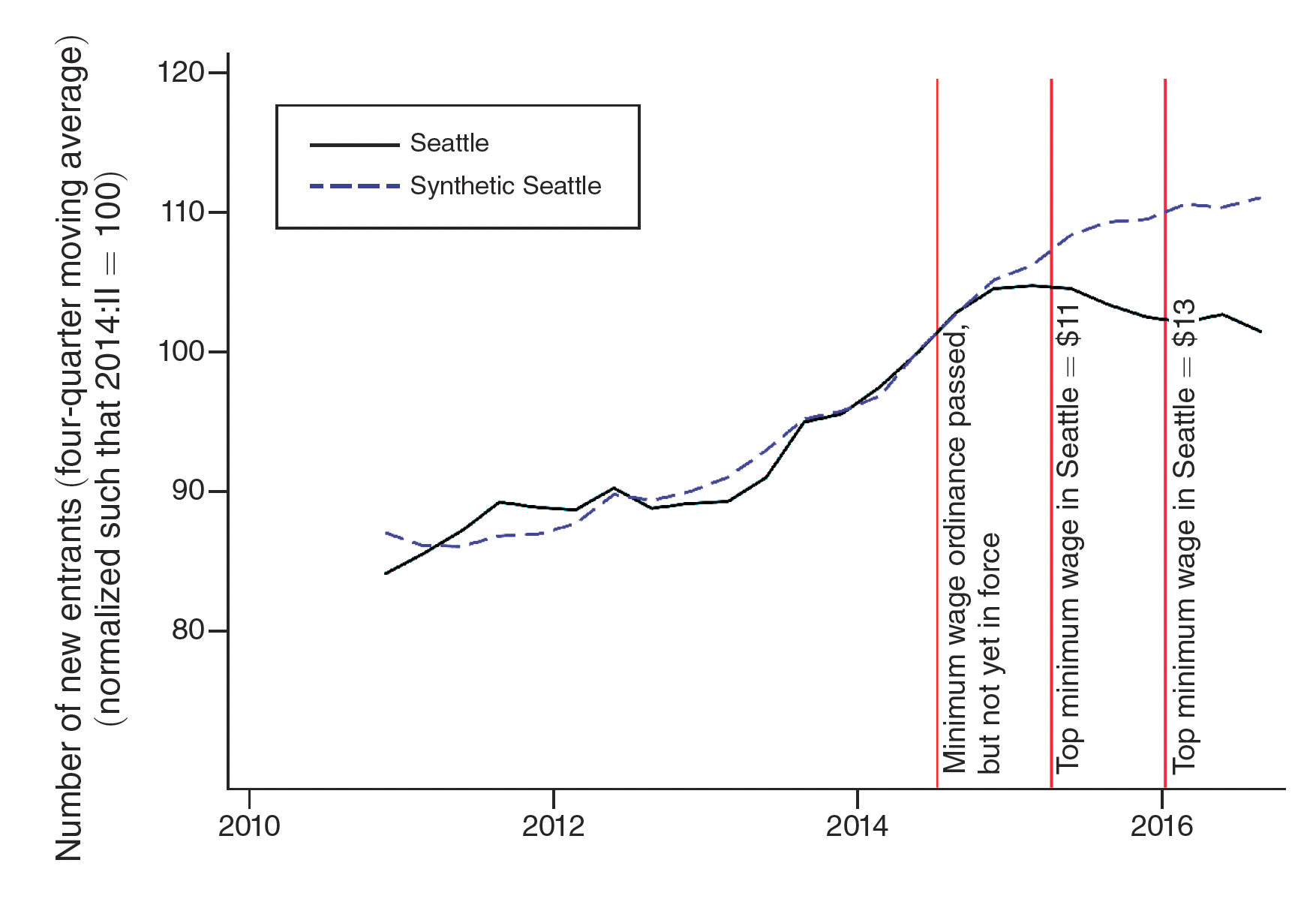
The movement for a higher minimum wage in Seattle gained significant momentum in the early 2010s, following the Great Recession which highlighted wage stagnation and economic inequality. In 2014, after extensive public debate and advocacy from labor unions and community organizations, the Seattle City Council voted to gradually raise the city’s minimum wage to $15 per hour, making it one of the first major cities in the nation to do so. This landmark decision set a precedent for other progressive cities like San Francisco and New York City to follow suit.
The initial implementation involved a multi-year phase-in period, with different schedules for large and small employers, acknowledging the varying capacities of businesses to absorb increased labor costs. The success and continuous upward adjustments of this policy have cemented Seattle’s reputation as a leader in advocating for workers’ rights and fostering a more equitable local economy.
The Ripple Effect: Seattle’s Minimum Wage on Travel and Tourism
Seattle’s minimum wage is a critical factor influencing its thriving tourism and hospitality sector. It creates a unique dynamic that impacts everything from the pricing of services to the quality of guest experiences, making it an essential consideration for anyone planning a visit or operating a business in the city.
Costs for Travelers: Dining, Accommodation, and Services
The higher minimum wage in Seattle naturally translates to increased operating costs for businesses, particularly those in labor-intensive industries like hospitality, food service, and retail. For travelers, this often means slightly higher prices for dining out, hotel stays, and various services compared to cities with lower wage floors. A meal at a restaurant, for instance, might carry a price point that reflects the fair wages paid to kitchen staff, servers, and bartenders. Similarly, the nightly rate for a room in a Seattle hotel might incorporate the costs of adequately compensating front desk staff, housekeepers, and other essential personnel.
While this might initially seem like a drawback for budget-conscious travelers, it’s often viewed as a trade-off for quality and ethical consumption. Many visitors appreciate knowing that the people serving them, cleaning their rooms, or guiding their tours are earning a living wage, which contributes to a more sustainable and just local economy. Furthermore, the impact on overall travel costs, while noticeable, is often absorbed within the broader expense of visiting a popular metropolitan destination.
Benefits for Service Industry Workers
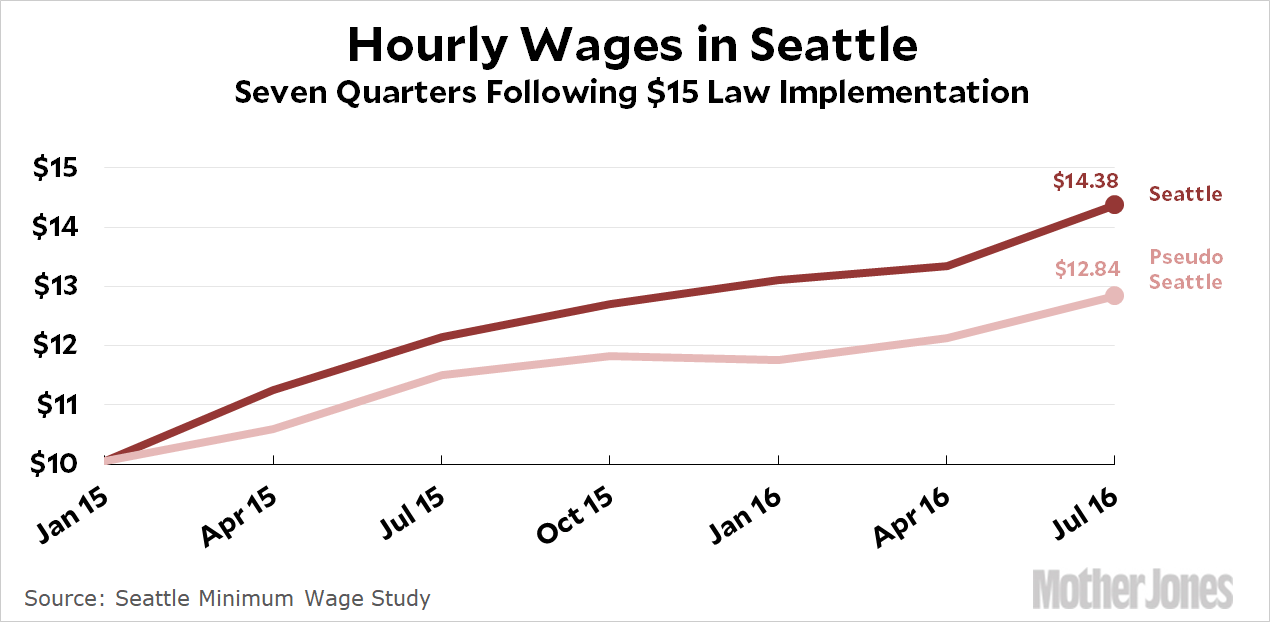
Perhaps the most significant impact of Seattle’s minimum wage is on the service industry workers themselves. A higher wage directly improves their quality of life, offering greater financial stability, reducing poverty, and allowing them to better afford the city’s high cost of living. This positive impact extends to the tourism experience. Well-compensated employees are often more motivated, engaged, and less stressed, leading to improved customer service. From the welcoming smile at a hotel check-in to the knowledgeable advice from a tour guide, the ripple effect of a fair wage can enhance a traveler’s interactions and overall satisfaction.
Moreover, a living wage can lead to lower employee turnover in hotels, restaurants, and attractions. Experienced staff who are satisfied with their compensation are more likely to stay in their positions, building expertise and fostering a consistent, high-quality service environment that directly benefits visitors. This stability contributes to a more professional and hospitable atmosphere across Seattle’s diverse range of visitor-centric businesses.
The Local Business Landscape: Challenges and Adaptations
While the benefits for workers are clear, Seattle’s high minimum wage also presents challenges for businesses, especially small and independent operators. Small businesses, which often run on tighter margins than large corporations like Amazon or Microsoft (both headquartered nearby), must adapt creative strategies to manage increased labor costs. These adaptations can include slight price adjustments, exploring automation for certain tasks, optimizing staffing levels, or focusing on high-value services.
Many businesses have found innovative ways to thrive, emphasizing the value proposition of quality products and services delivered by a fairly compensated workforce. For instance, many local restaurants and cafes proudly highlight their commitment to paying a living wage as a part of their brand identity, resonating with a socially conscious consumer base, including many tourists. The city’s robust economy, fueled by tech giants and a strong entrepreneurial spirit, has also provided a supportive environment for many businesses to navigate these changes successfully.
Smart Travel: Navigating Seattle on a Budget
While Seattle’s minimum wage might influence some prices, the city remains an incredibly rewarding destination for travelers of all budgets. With a little planning and smart choices, visitors can experience the best of the Emerald City without breaking the bank.
Smart Spending on Food and Dining
Dining can be a significant expense, but Seattle offers a fantastic array of options for every palate and wallet. To save on food, explore the city’s vibrant food truck scene, particularly in areas like Fremont or Capitol Hill, where you can find delicious, ethnically diverse meals at reasonable prices. Pike Place Market isn’t just for fresh produce; it also houses numerous small eateries offering affordable and iconic bites, from seafood chowder to artisan baked goods.
Leverage happy hour specials at local restaurants and bars, which often include discounted appetizers and drinks. Consider self-catering some meals by purchasing fresh ingredients from farmers’ markets or grocery stores, particularly if your accommodation includes kitchen facilities. Exploring diverse neighborhoods like Ballard or Georgetown can also lead to discovering fantastic, independently owned cafes and restaurants that offer great value. Don’t forget to grab your coffee fix at a local independent shop rather than just Starbucks for a more authentic and often equally affordable experience.
Accommodation Choices: From Luxury to Budget-Friendly
Seattle boasts a wide spectrum of accommodation options. While high-end hotels near major attractions like the Space Needle might reflect premium pricing due to various factors, including labor costs, there are plenty of alternatives. Budget-conscious travelers can look into hostels in vibrant neighborhoods, guesthouses, or vacation rentals (like Airbnb or VRBO) which often provide more space and kitchen amenities, making longer stays more economical.
Consider staying slightly outside the immediate downtown core but with good public transport links. Neighborhoods like South Lake Union or areas near the university district often have more moderately priced hotels and easy access to attractions. Booking well in advance, especially during peak season, can also help secure better rates. For those seeking unique experiences, boutique hotels offer character, while larger chains provide consistency, with various price points.
Exploring Seattle’s Free and Low-Cost Attractions
Seattle is rich with free and inexpensive attractions that allow visitors to soak in its culture and beauty without spending a fortune. Take a stroll through Pike Place Market, watch the fishmongers, and enjoy the street performers. Visit Kerry Park for arguably the most iconic skyline view, especially at sunset, offering breathtaking panoramas of the Space Needle, Mount Rainier, and the Puget Sound.
Explore the vast urban wilderness of Discovery Park or wander through the outdoor art installations at the Olympic Sculpture Park, both offering stunning views and invigorating walks. The Seattle Public Library’s Central Library is an architectural marvel worth visiting. Many neighborhoods offer free walking tours, and the city’s extensive park system provides ample opportunities for relaxation and recreation. While attractions like Chihuly Garden and Glass and the Museum of Pop Culture (MoPOP) have admission fees, they often offer free outdoor areas or discounted entry on certain days. Utilizing Seattle’s efficient public transportation system can also save on taxi or ride-share costs.
Beyond Economics: The Lifestyle and Cultural Fabric of Seattle
Seattle’s progressive minimum wage is more than an economic policy; it’s deeply interwoven with the city’s broader lifestyle, culture, and values, reflecting a commitment to a thriving, inclusive community. This approach shapes not only how the city functions but also how it is perceived by both residents and visitors.
A Thriving Local Economy and Community Spirit
A higher minimum wage contributes to a healthier local economy by boosting consumer spending, as workers have more disposable income. This cycle benefits local businesses and fosters a more robust and resilient community. The policy is a declaration of Seattle’s commitment to reducing income inequality and ensuring that its economic prosperity is shared more broadly. This ethos is reflected in the city’s vibrant neighborhood cultures, strong support for local businesses, and a palpable sense of community pride. For tourists, this translates into encountering a city where the service industry workers are treated with dignity, often leading to more positive and authentic interactions. It contributes to the overall perception of Seattle as a modern, fair, and forward-looking destination.
Comparing Seattle’s Wage to Other Major US Cities
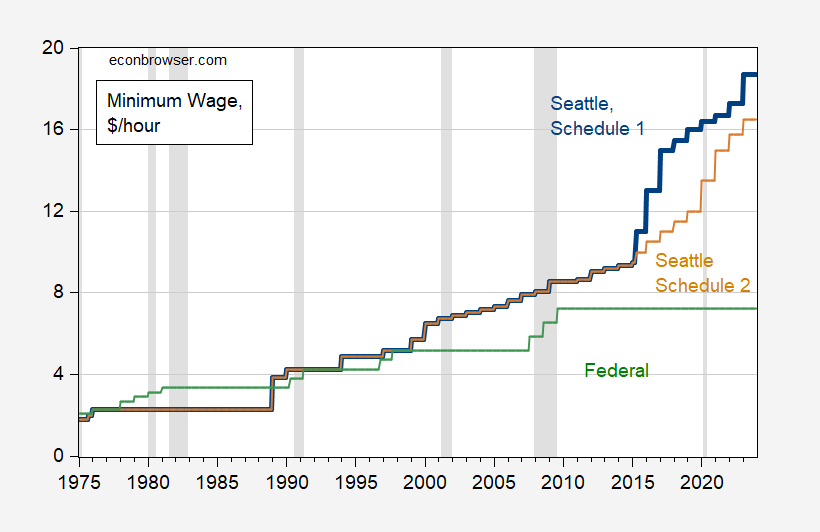
Seattle consistently ranks among the top cities in the United States for its minimum wage, often alongside San Francisco and parts of New York City and California. This leadership position underscores its role as a pioneer in progressive labor policies. While federal minimum wage remains significantly lower, many cities and states have implemented their own higher standards, with Seattle often serving as a benchmark. This comparison is vital for understanding the unique economic landscape of the city, highlighting its distinctive approach to balancing economic growth with social equity, setting it apart from other major destinations like Los Angeles, Chicago, or Miami.
Conclusion
Seattle’s minimum wage is a powerful statement about the city’s values and its vision for a more equitable future. For travelers, it means experiencing a city where service industry professionals are earning a fairer wage, potentially leading to more dedicated service and a stronger local economy. While it may factor into slightly higher costs for certain services, it also contributes to the unique social fabric and vibrant lifestyle that makes Seattle such a compelling destination.
Understanding this progressive policy allows visitors to appreciate the city beyond its stunning landmarks and natural beauty, recognizing the human element that powers its bustling hotels, exquisite restaurants, and welcoming attractions. Whether you’re exploring Pike Place Market, marveling at the Space Needle, or enjoying the dynamic neighborhoods, the minimum wage in Seattle is an integral part of what makes this Emerald City truly special and a benchmark for modern urban living. It’s a testament to a city that prioritizes both economic prosperity and social responsibility, offering a richer experience for everyone who walks its streets.
LifeOutOfTheBox is a participant in the Amazon Services LLC Associates Program, an affiliate advertising program designed to provide a means for sites to earn advertising fees by advertising and linking to Amazon.com. Amazon, the Amazon logo, AmazonSupply, and the AmazonSupply logo are trademarks of Amazon.com, Inc. or its affiliates. As an Amazon Associate we earn affiliate commissions from qualifying purchases.