
Planning a journey between two distinct regions of the United States, like the sunshine-drenched shores of Florida and the heartland charm of Missouri, naturally prompts the question of distance. This query is fundamental for any traveler looking to understand the scope of their adventure, whether by road, air, or even the less common rail. The answer isn’t a single number, but rather a range dependent on specific starting and ending points and the chosen mode of transportation. Understanding these variables allows for more accurate planning, better time estimation, and informed decisions about the overall travel experience.
Understanding the Geographical Divide
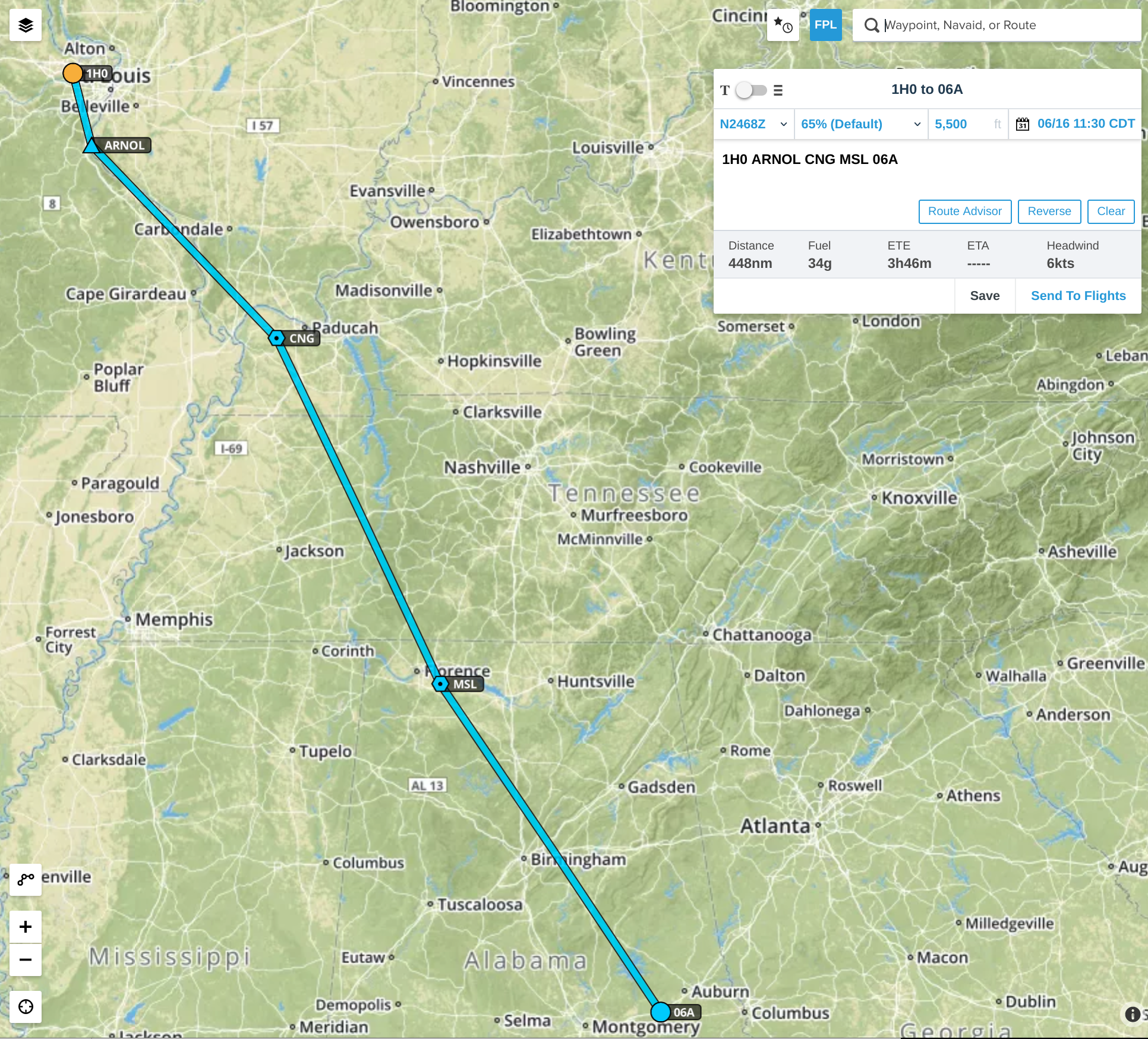
Florida and Missouri are separated by a considerable landmass, encompassing several other states. The direct geographical distance, often measured in a straight line (as the crow flies), provides a baseline understanding. However, for practical travel purposes, this measurement is less relevant than the distances calculated along established travel routes. The topography and the presence of major geographical features like rivers and mountain ranges do not significantly impact the direct distance between these two states, but they can influence the complexity and duration of driving routes.
Direct vs. Driving Distance
The approximate direct distance between the northernmost point of Florida (near the Georgia border) and the southernmost point of Missouri (near the Arkansas border) is roughly 600 miles. However, this is a theoretical measure. In reality, the driving distance will be considerably longer due to the necessity of following roads and highways. For instance, a trip from Kansas City, Missouri, to Orlando, Florida, a popular tourist destination, covers approximately 1,100 miles. This journey typically takes around 16 to 18 hours of continuous driving, without accounting for stops for fuel, food, or rest. Similarly, traveling from St. Louis, Missouri, to Miami, Florida, extends the distance to about 1,300 miles, requiring upwards of 20 hours of driving time. These figures highlight the substantial commitment involved in a road trip between these two states.
Key States in Between
The journey from Missouri to Florida necessitates traversing several other states. Depending on the chosen route, travelers might pass through Illinois, Kentucky, Tennessee, Alabama, and Georgia. Each of these states offers its own unique attractions and potential stopping points, turning what might initially seem like a long transit into an opportunity for exploration. Understanding the route through these intermediary states can help in planning efficient and enjoyable travel, breaking down the journey into manageable segments.
Navigating the Distance: Transportation Options
The “how far” question is intrinsically linked to the “how to get there.” Different modes of transport present vastly different perspectives on the distance between Florida and Missouri. Each option comes with its own set of considerations regarding time, cost, and convenience, influencing the overall travel experience.
Driving Expeditions
For those who prefer the freedom of the open road, driving offers the most flexibility. The approximate driving time of 16-20 hours, as mentioned, translates into a journey best undertaken over at least two days. Many travelers opt to break the trip into three days, allowing for overnight stops in cities that pique their interest. Popular routes often utilize major interstate highways such as I-57, I-55, I-64, I-70, I-75, and I-10, depending on the specific origin and destination within each state. Planning for fuel stops, meals, and rest is crucial for a safe and comfortable drive. Consider the fuel efficiency of your vehicle and the current gas prices in different states along the route, as these can impact the overall cost of the trip.
The Speed of Air Travel
For travelers prioritizing speed and minimizing travel time, flying is the most efficient option. Major airports in Missouri include Lambert-St. Louis International Airport (STL) and Kansas City International Airport (MCI). In Florida, options are numerous, with significant hubs like Orlando International Airport (MCO), Miami International Airport (MIA), and Tampa International Airport (TPA). Direct flights between these cities are common, with flight durations typically ranging from 2.5 to 3.5 hours, depending on the specific city pairing and prevailing wind conditions. When factoring in time for airport security, check-in, boarding, and deplaning, the total travel time can extend to 5-7 hours door-to-door.
Finding the Best Flight Deals
To make air travel more accessible, keen travelers often research flight deals and book in advance. Airlines like Delta Air Lines, American Airlines, Southwest Airlines, and United Airlines frequently operate routes between Missouri and Florida. Utilizing flight comparison websites can help identify the most economical options, especially for those with flexible travel dates. Consider the total cost, including any baggage fees and potential airport transportation.

Rail Journeys and Their Charm
While less common for this particular route compared to driving or flying, train travel remains a viable option for those who appreciate a more leisurely pace and scenic views. Amtrak offers services that connect the Midwest to the Southeast. For example, the Illinois Zephyr and Lincoln Service from Chicago could connect to services heading south. A journey from St. Louis to Florida via rail would likely involve transfers and a significantly longer travel time, potentially spanning 24 to 48 hours or more. This option is best suited for travelers who view the journey itself as an experience, offering opportunities to relax, read, and observe the changing landscapes without the stress of driving or airport procedures.
Distance Breakdown by Major Cities
To provide a more concrete understanding of the distance, let’s examine the travel metrics between some of the most populous and frequently visited cities in each state. These examples illustrate the variation in distance and travel time based on specific urban centers.
Missouri’s Urban Hubs to Florida’s Attractions
- Kansas City, Missouri to Miami, Florida:
- Driving: Approximately 1,250 miles, requiring around 19-21 hours of driving.
- Flying: Direct flights are typically around 3 to 3.5 hours.
- St. Louis, Missouri to Tampa, Florida:
- Driving: Roughly 1,150 miles, with an estimated driving time of 17-19 hours.
- Flying: Direct flights usually take about 2.5 to 3 hours.
- Springfield, Missouri to Orlando, Florida:
- Driving: Approximately 1,050 miles, requiring approximately 16-18 hours of driving.
- Flying: Direct flights are less common from Springfield to Orlando, often necessitating a layover, increasing total travel time.
Florida’s Coastal Gems to Missouri’s Midwestern Appeal
- Jacksonville, Florida to Kansas City, Missouri:
- Driving: Around 1,000 miles, taking approximately 15-17 hours.
- Flying: Direct flights usually last about 2.5 to 3 hours.
- Fort Lauderdale, Florida to St. Louis, Missouri:
- Driving: Approximately 1,200 miles, with an estimated driving time of 18-20 hours.
- Flying: Direct flights are typically in the 3 to 3.5-hour range.
Planning Your Cross-Country Expedition
The considerable distance between Florida and Missouri necessitates careful planning, especially for those embarking on a road trip. Understanding the mileage is the first step, but it’s equally important to consider the logistics that transform that mileage into a successful journey.
Road Trip Logistics
For a road trip, dividing the distance into daily driving segments is essential. A common strategy is to aim for 8-10 hours of driving per day, which allows for regular breaks and avoids driver fatigue. This means a trip from, say, St. Louis to Miami would likely involve two overnight stops. Choosing these stops strategically can enhance the trip; consider cities that offer interesting attractions or comfortable accommodations. Popular overnight stops might include cities in Tennessee or Alabama. Ensure your vehicle is in good condition before departing, with checks on tires, brakes, and fluids. Pack an emergency kit, snacks, and plenty of water. Navigation apps are invaluable for real-time traffic updates and optimal route guidance.
Air Travel Efficiency
For those flying, the distance question becomes less about mileage and more about flight duration and airport logistics. Booking flights in advance can often secure better fares, especially during peak travel seasons. Consider the total travel time, including the commute to and from airports, check-in procedures, and potential flight delays. Many travelers choose to fly into major hubs like Orlando International Airport or Miami International Airport in Florida and depart from Lambert-St. Louis International Airport or Kansas City International Airport in Missouri, or vice versa, to minimize internal travel within the states.

Embracing the Journey
Ultimately, the question of “how far” is a starting point for a larger travel narrative. Whether you’re driving across states, soaring above them, or gliding along train tracks, the distance between Florida and Missouri represents an opportunity for discovery. It’s a journey that connects two diverse regions of the United States, offering a rich tapestry of landscapes, cultures, and experiences along the way. Understanding the distances involved empowers travelers to make informed decisions, crafting an itinerary that aligns with their preferences for adventure, efficiency, or relaxation.
LifeOutOfTheBox is a participant in the Amazon Services LLC Associates Program, an affiliate advertising program designed to provide a means for sites to earn advertising fees by advertising and linking to Amazon.com. Amazon, the Amazon logo, AmazonSupply, and the AmazonSupply logo are trademarks of Amazon.com, Inc. or its affiliates. As an Amazon Associate we earn affiliate commissions from qualifying purchases.