
Understanding the specific planting zones for a region is fundamental for any gardener, whether they are a seasoned horticulturist or a novice just beginning to cultivate their green thumb. For those venturing into the vibrant and often surprisingly mild climate of Seattle, this knowledge is particularly crucial. Seattle’s unique geographical location, nestled between the Puget Sound and the Cascade Mountains, influences its weather patterns and, consequently, its agricultural hardiness zones. Knowing your zone ensures you select plants that will thrive, maximizing your chances of a successful and beautiful garden, whether you are planting ornamentals, vegetables, or fruit trees.
Understanding USDA Plant Hardiness Zones
The United States Department of Agriculture (USDA) developed the Plant Hardiness Zone Map as a standard way to determine which plants are most likely to thrive in a particular location. This map divides the country into 11 distinct zones, each representing a 10-degree Fahrenheit difference in average annual minimum winter temperature. Zone 1 is the coldest, with average annual minimum winter temperatures below -50°F, while Zone 11 is the warmest, with average annual minimum winter temperatures above 40°F.
How Zones Are Determined
The USDA Plant Hardiness Zone Map is based on the average annual extreme minimum winter temperature for a given area. It’s important to understand that this map does not consider other climate factors like rainfall, humidity, heat, or wind, which can also significantly impact plant survival. However, the minimum winter temperature is often the most critical factor in determining whether a perennial plant will survive the winter and return the following spring.
The Importance of Minimum Winter Temperature
Perennial plants, those that live for more than two years, are particularly sensitive to winter cold. If the average minimum winter temperature in a zone drops below the plant’s lowest tolerance, it will likely not survive the season. For example, a plant rated hardy to Zone 7 might not survive a winter in Zone 6, where temperatures can dip lower. Conversely, a plant rated for Zone 5 would likely thrive in Zone 7, assuming other conditions are favorable.
Regional Variations and Microclimates
While the USDA map provides a broad overview, it’s essential to recognize that microclimates can exist even within a single city. Factors like proximity to large bodies of water, elevation, urban heat islands, and windbreaks can create localized variations in temperature. For instance, a garden sheltered from harsh winds by a building might experience slightly warmer temperatures than an exposed area just a few blocks away.
Seattle’s Planting Zone Designation
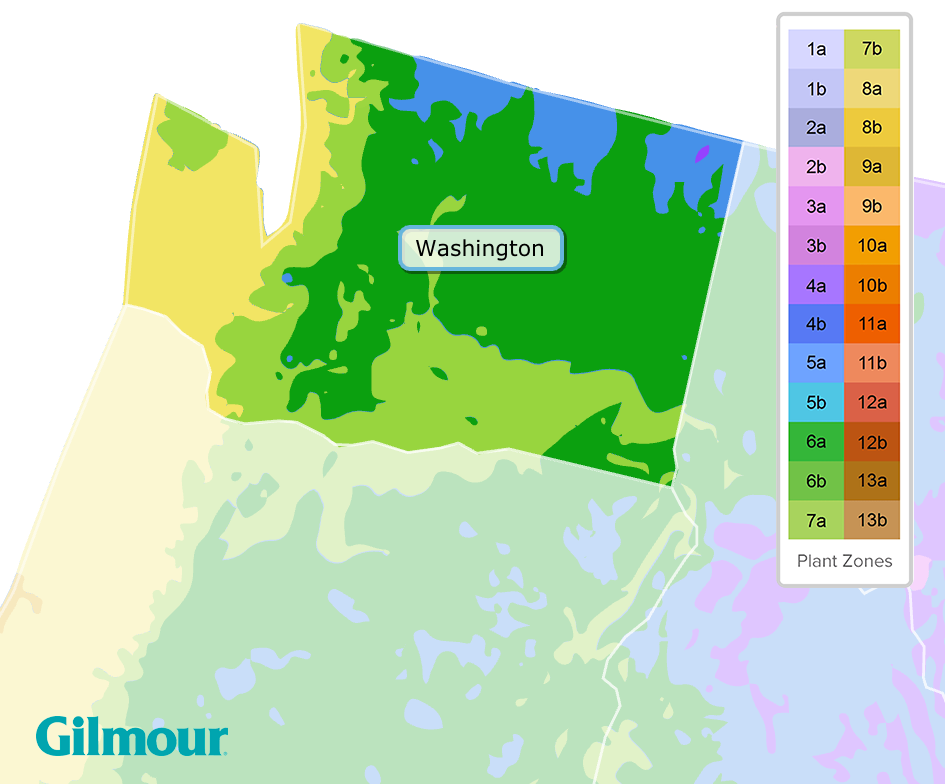
Seattle, Washington, generally falls within two primary USDA Plant Hardiness Zones, with slight variations depending on the specific neighborhood and its microclimatic influences.
Zone 8a
The majority of the Seattle metropolitan area, including downtown and many surrounding neighborhoods, is classified as USDA Plant Hardiness Zone 8a. In Zone 8a, the average annual minimum winter temperature ranges from 10°F to 15°F. This means that the coldest winter temperatures typically do not drop below 10°F.
- Characteristics of Zone 8a: This zone is known for its relatively mild winters and cool, wet springs and autumns, along with warm, dry summers. The moderate winter temperatures allow a wide variety of plants to survive year-round, including many tropical and subtropical species that might not fare well in colder climates.
- Implications for Gardeners: Gardeners in Zone 8a have a significant advantage, as they can cultivate a diverse range of flowers, shrubs, trees, and vegetables. Many plants considered tender in other parts of the country can be grown as perennials in Seattle.
Zone 8b
Certain areas within and immediately surrounding Seattle, particularly those closer to the Puget Sound or in lower-lying coastal regions, may fall into Zone 8b. In Zone 8b, the average annual minimum winter temperature ranges from 15°F to 20°F.
- Characteristics of Zone 8b: While still considered mild, Zone 8b offers slightly warmer winter minimums compared to 8a. This slight difference can be crucial for plants that are on the cusp of hardiness.
- Implications for Gardeners: The distinction between 8a and 8b is subtle but can be important for the most sensitive plants. If a plant is rated for Zone 8b, it will likely thrive in Zone 8a, but a plant rated for Zone 8a might be more vulnerable in a particularly cold winter in Zone 8b, although this is less common.
Identifying Your Specific Zone
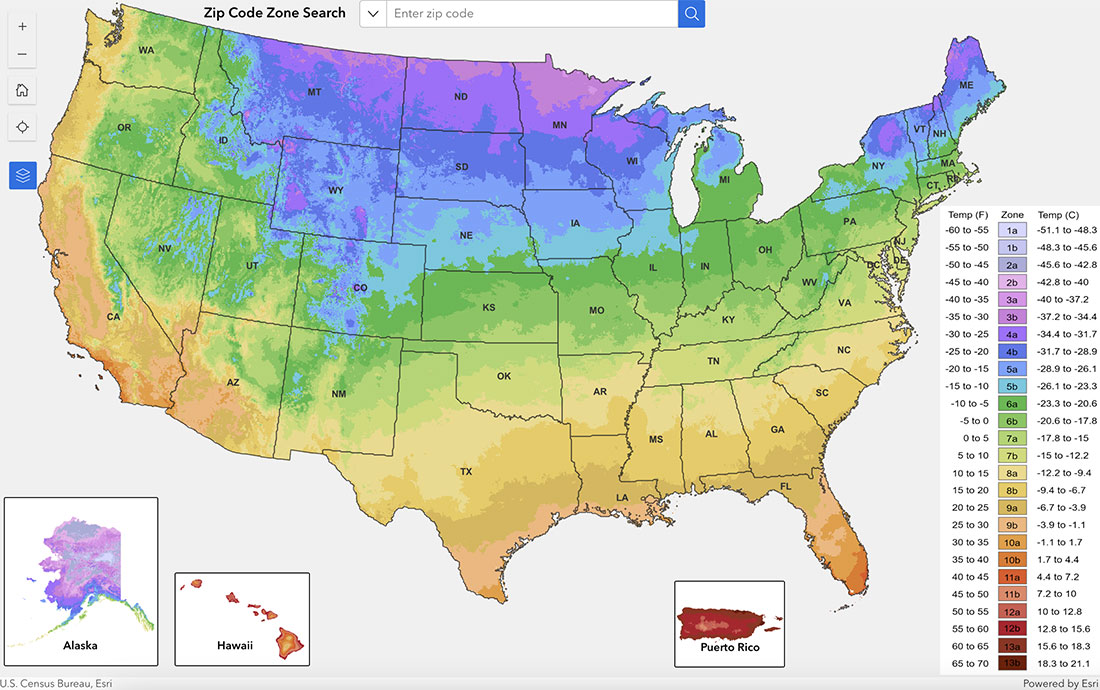
To pinpoint the exact zone for your Seattle garden, it’s recommended to consult the most current USDA Plant Hardiness Zone Map, which is available online. Many local nurseries and horticultural societies also offer resources that detail zone variations within specific neighborhoods. Paying attention to where similar plants thrive or struggle in your immediate vicinity can also provide valuable clues about your local microclimate.
Plants Thriving in Seattle’s Zones
Given its placement in Zones 8a and 8b, Seattle boasts a gardening environment that allows for a remarkably broad spectrum of plant life. This mild climate, influenced by the Pacific Ocean, supports a lush and diverse horticultural landscape.
Year-Round Interest and Perennial Powerhouses
The mild winters mean that many plants typically treated as annuals elsewhere can be grown as perennials in Seattle. This opens up a world of possibilities for creating gardens with year-round visual appeal.
- Ornamental Shrubs and Trees: Plants like Rhododendrons, Azaleas, Camellias, and Japanese Maples are iconic in the Pacific Northwest for good reason; they thrive in these conditions. Their vibrant blooms in spring and stunning foliage in autumn provide continuous color. Even some less common species, like certain varieties of citrus (Meyer lemons, for instance) and figs, can be successfully grown outdoors in protected locations.
- Perennial Flowers: A vast array of perennials flourish, including Hydrangeas, Fuchsias, Hostas, Ferns, Astilbes, and Columbines. These plants offer varied textures, colors, and bloom times, ensuring a dynamic garden throughout the growing season. Many herbs, such as Rosemary, Lavender, and Thyme, also grow as hardy perennials.
- Edible Gardening: The growing season in Seattle is long and favorable for many vegetables and fruits. Root vegetables like carrots, potatoes, and beets, as well as leafy greens like kale, spinach, and lettuce, do exceptionally well. Berries, such as blueberries, raspberries, and strawberries, are also popular and highly productive. Apple and pear trees are staples in many gardens.
Considerations for Extreme Weather
While Seattle is known for its mild climate, it’s not immune to occasional extreme weather events. Infrequent but possible cold snaps can dip temperatures below the average minimums for Zone 8.
- Protecting Sensitive Plants: For plants that are at the very edge of their hardiness rating, gardeners might consider winter protection. This can involve mulching around the base of plants to insulate their roots, covering sensitive foliage with burlap or frost cloth during cold nights, or growing more tender species in containers that can be moved to a sheltered location.
- Drainage: Seattle’s climate is characterized by significant rainfall, particularly during the fall and winter months. Ensuring good drainage is paramount, as many plants, especially those with sensitive root systems, can succumb to root rot in waterlogged soil. Raised beds and amending heavy clay soil with compost are common and effective strategies.
Planning Your Seattle Garden
Armed with the knowledge of Seattle’s planting zones and an understanding of its climate, you can embark on a rewarding gardening journey. The key is to select plants suited to Zones 8a and 8b and to be mindful of the local microclimates and the importance of good drainage.
Choosing the Right Plants
When selecting plants, always check their hardiness zone ratings. Aim for plants rated for Zone 8 or colder. For example, if you are in Zone 8a, a plant rated for Zone 7 or 8 will generally do well. A plant rated for Zone 9 might be too tender for your area, especially during colder winters.
Soil Preparation and Drainage
Before planting, assess your soil. Seattle soils can often be heavy clay, which retains a lot of moisture. Amending your soil with organic matter like compost is highly beneficial. This improves drainage, aeration, and nutrient content, creating a healthier environment for your plants. Raised garden beds are an excellent option for improving drainage and can also be a more comfortable gardening experience.
Watering and Mulching
While Seattle receives ample rainfall, especially in the cooler months, summer can bring drier periods. Monitor your plants for signs of drought stress and water deeply when needed. Applying a layer of organic mulch around plants helps retain soil moisture, suppress weeds, and regulate soil temperature.

Embracing the Local Flora
Don’t hesitate to explore the native plants of the Pacific Northwest. Many native species are exceptionally well-adapted to the region’s climate and soil conditions, requiring less maintenance and providing valuable habitat for local wildlife. Examples include Salal, Oregon Grape, and various native ferns and trees.
By understanding and working with Seattle’s planting zones, gardeners can cultivate a thriving and beautiful landscape that reflects the unique charm of the Pacific Northwest. Whether you’re aiming for a riot of colorful blooms, a productive vegetable patch, or a serene naturalistic garden, the conditions in Seattle provide a fertile ground for horticultural success.
LifeOutOfTheBox is a participant in the Amazon Services LLC Associates Program, an affiliate advertising program designed to provide a means for sites to earn advertising fees by advertising and linking to Amazon.com. Amazon, the Amazon logo, AmazonSupply, and the AmazonSupply logo are trademarks of Amazon.com, Inc. or its affiliates. As an Amazon Associate we earn affiliate commissions from qualifying purchases.