
Understanding the atmospheric conditions in Chicago during the winter months is crucial for planning a comfortable and enjoyable visit. While snow and frigid temperatures often dominate the perception of a Chicago winter, the humidity levels play a significant role in how that cold is experienced and can impact everything from personal comfort to the preservation of historic landmarks and the enjoyment of local activities. For travelers, hoteliers, and those interested in the nuances of this dynamic city, a closer look at Chicago’s winter humidity is essential.
Winter’s Peculiar Atmosphere in Chicago
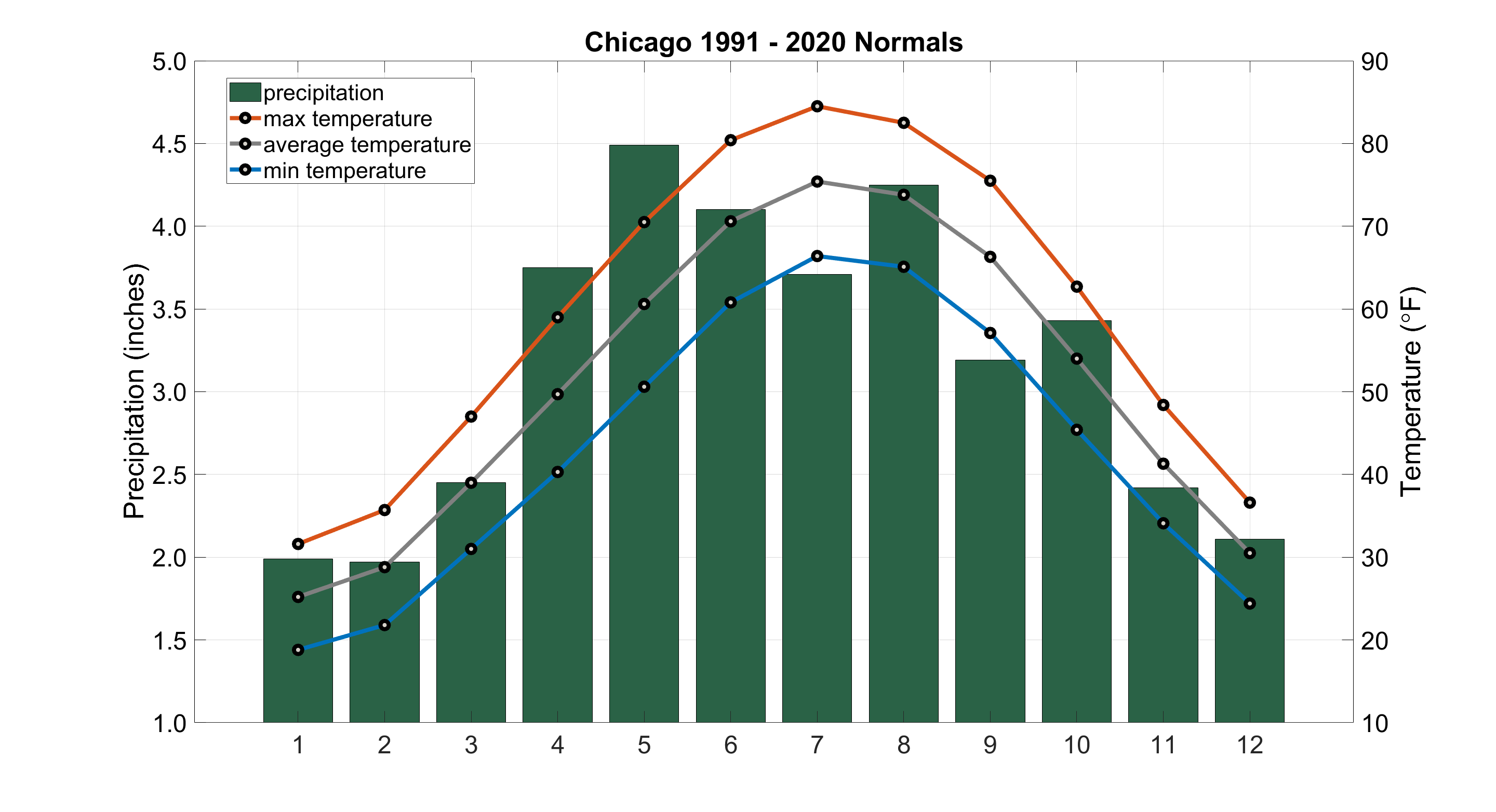
Chicago, situated on the southwestern tip of Lake Michigan, experiences a continental climate characterized by significant seasonal temperature variations. Winter, typically from December through February, is renowned for its biting winds, often referred to as the “Windy City” moniker, and the palpable chill that permeates the air. However, beneath the surface of these dramatic temperature drops, the humidity levels present a more complex picture, often contributing to the perceived severity of the cold.
Understanding Relative Humidity
Relative humidity is the amount of water vapor present in the air, expressed as a percentage of the maximum amount the air could hold at a specific temperature. In colder temperatures, air’s capacity to hold moisture decreases. This means that even if the absolute amount of water vapor is low, the relative humidity can still be high. Conversely, when air is heated, its capacity to hold moisture increases, causing the relative humidity to drop, even if the absolute amount of water vapor remains the same. This principle is particularly relevant in Chicago winters.
The Paradox of Low Absolute Humidity, High Relative Humidity
During Chicago winters, the absolute amount of moisture in the air is typically quite low. This is because cold air holds less water vapor. However, because the air is so cold, the relative humidity can often be surprisingly high, frequently ranging between 60% and 80%. This might seem counterintuitive, as one might associate high humidity with oppressive heat. Yet, in cold weather, high relative humidity can make the cold feel more intense. This is due to the increased conductivity of moisture, which allows heat to transfer away from the body more quickly. Therefore, while the absolute moisture content is low, the high relative humidity contributes significantly to the chilling effect that visitors often experience.
The Impact of Winter Humidity on Travelers
For those planning a trip to Chicago during the winter, understanding humidity is key to packing appropriately and adjusting expectations for comfort.
Perceived Temperature and “Feels Like” Conditions
The “feels like” temperature is a critical factor for travelers. Chicago’s winter humidity, when combined with its notorious winds, can create a significantly colder “feels like” temperature than the actual thermometer reading. When the relative humidity is high and the wind is blowing, heat is drawn from the skin more rapidly, making the air feel much colder than it is. This phenomenon is often exacerbated by the fact that many visitors come from regions with more temperate or drier winter climates. Properly layered clothing, including windproof and water-resistant outer layers, becomes paramount. This advice is essential for exploring iconic sites like the Art Institute of Chicago or taking a walk through Millennium Park to see the iconic Cloud Gate sculpture.
Indoor Comfort and Building Environments
While outdoor humidity can be a concern, the indoor environment within Chicago’s hotels, restaurants, and attractions is often managed through heating and ventilation systems. These systems can significantly dry out the air. As the cold outdoor air is brought inside and heated, its relative humidity plummets. This can lead to dry skin, chapped lips, and irritated nasal passages. Travelers staying in hotels might find that their rooms feel dry. Using a personal humidifier, staying hydrated, and employing moisturizing skincare products can help mitigate these effects. Many hotels offer amenities to combat dryness, and some higher-end accommodations might even feature in-room humidifiers. The experience within a warm, dry hotel lobby or a cozy restaurant, such as those found in the River North neighborhood, stands in stark contrast to the outdoor chill.
Activities and Their Humidity Considerations
Outdoor activities in Chicago during winter are certainly possible, but understanding humidity can help manage expectations. Ice skating at outdoor rinks, for example, might feel more biting with high humidity and wind. Similarly, walking along the Magnificent Mile for shopping can become a brisk experience. Indoor activities, however, are plentiful and less affected by these atmospheric conditions. Museums, theaters, and the vibrant culinary scene offer refuge from the cold and damp. Visiting renowned institutions like the Museum of Science and Industry or catching a show in the Theater District provides a comfortable escape.

Humidity’s Role in Chicago’s Tourism Infrastructure
The humidity, both indoor and outdoor, plays a subtle yet important role in how Chicago’s tourism infrastructure operates and how visitors experience the city.
Maintaining Historic Architecture
Chicago boasts a rich architectural heritage, from historic buildings to modern marvels. Extreme fluctuations in humidity, coupled with freezing and thawing cycles, can impact building materials. While modern construction techniques and climate control systems in prominent landmarks and hotels mitigate these risks, older structures can be more susceptible to damage from moisture. Proper humidity control within museums and historical sites like the Glessner House Museum is vital for preservation. For visitors, this means that while you might feel the effects of dryness indoors, these environments are often carefully managed to protect the city’s valuable heritage.
Hotels and Environmental Control
For the hotel industry in Chicago, managing indoor humidity is a key aspect of guest comfort. High-rise hotels, in particular, must contend with significant temperature and humidity differentials between the exterior and interior environments. Advanced HVAC systems are employed to maintain optimal indoor air quality, which includes regulating humidity levels. Guests might notice the dry air and appreciate amenities like in-room humidifiers, readily available toiletries, or the general comfort of a climate-controlled environment after a day exploring the city, perhaps after visiting the iconic Willis Tower or enjoying a performance at the Chicago Symphony Orchestra. Hotels such as the Palmer House a Hilton Hotel and the The Langham Chicago invest heavily in ensuring a comfortable indoor atmosphere.
Culinary Experiences and Humidity
The humidity levels, especially the dryness of indoor air, can also subtly influence the culinary experience. While not as directly impacted as outdoor activities, the general comfort of diners in restaurants, from casual eateries in neighborhoods like Wicker Park to fine dining establishments near Michigan Avenue, is a consideration. Restaurants strive to create a welcoming and comfortable environment, and this includes managing the air quality, which indirectly involves humidity control. The enjoyment of a warm meal after braving the winter air is certainly enhanced by a pleasant indoor climate.
Preparing for Chicago’s Winter Air
A well-prepared traveler can significantly enhance their winter experience in Chicago, regardless of the specific humidity readings.
Packing Essentials for Dry and Cold Air
The key to combating both the cold and the dryness of Chicago winters lies in smart packing. Layers are indispensable. Base layers made of moisture-wicking materials, insulating middle layers (like fleece or down), and a waterproof and windproof outer shell are essential for outdoor excursions. Don’t forget warm accessories: a hat, scarf, gloves, and waterproof boots are non-negotiable. For indoor comfort, pack lip balm, a good moisturizer, and possibly a small, travel-sized humidifier if you are particularly sensitive to dry air. Staying hydrated by drinking plenty of water is also crucial for combating the dehydrating effects of both cold and dry air.
Navigating Indoor vs. Outdoor Environments
The transition between the crisp, often humid outdoor air and the dry, heated indoor environments of Chicago can be jarring. Be mindful of these changes. Allow your body to acclimate gradually when moving between spaces. For instance, if you’ve been outside for an extended period, don’t immediately blast the heater in your hotel room; allow it to warm up gradually. Similarly, when venturing out, give yourself a few minutes to adjust to the outdoor temperature and wind. This awareness can help prevent discomfort and potential illness. Exploring attractions like the Shedd Aquarium or the Field Museum offers fantastic indoor experiences that are a welcome respite from the elements.

Leveraging Indoor Attractions
Chicago excels in providing world-class indoor attractions that allow visitors to experience the city’s culture and attractions without constantly battling the winter weather. From the vast collections at the Art Institute of Chicago to the interactive exhibits at the Museum of Science and Industry, there are countless ways to stay engaged and comfortable. The city’s vibrant theater scene, diverse culinary landscape, and numerous live music venues offer ample opportunities for enjoyment. Even a simple coffee shop or a cozy bookstore can be a delightful way to pass a chilly afternoon. Considering the humidity and the overall climate, planning a mix of indoor and outdoor activities ensures a well-rounded and enjoyable visit to this magnificent metropolis.
LifeOutOfTheBox is a participant in the Amazon Services LLC Associates Program, an affiliate advertising program designed to provide a means for sites to earn advertising fees by advertising and linking to Amazon.com. Amazon, the Amazon logo, AmazonSupply, and the AmazonSupply logo are trademarks of Amazon.com, Inc. or its affiliates. As an Amazon Associate we earn affiliate commissions from qualifying purchases.