
The United States, a land of immense geographical diversity, offers some of the most iconic cross-country journeys imaginable. Among the most popular and frequently pondered are those spanning the width of the nation, particularly the distance between the sun-drenched shores of Florida and the glamorous coastlines of California. This monumental trek, often undertaken by road trip enthusiasts, families, or business travelers, ignites a natural curiosity: “How far is Florida to California?” The answer, however, is not a simple mileage figure but rather a complex interplay of routes, travel styles, and the sheer vastness of the American continent.
At its core, the straight-line distance, or “as the crow flies,” between the geographical centers of Florida and California is approximately 2,000 miles (around 3,200 kilometers). However, in the realm of travel, the crow’s flight is rarely an option. We must consider practical modes of transportation, primarily driving and flying, each presenting its own unique set of considerations and, crucially, its own answer to the “how far” question.
The Open Road: Driving From Florida to California
The allure of a Florida to California road trip is undeniable. It’s an epic adventure that allows travelers to experience the heartland of America, witness changing landscapes, and discover hidden gems along the way. This is where the distance becomes a tangible and significant factor, transforming from a number into days, miles, and memories.
Planning Your Cross-Country Drive
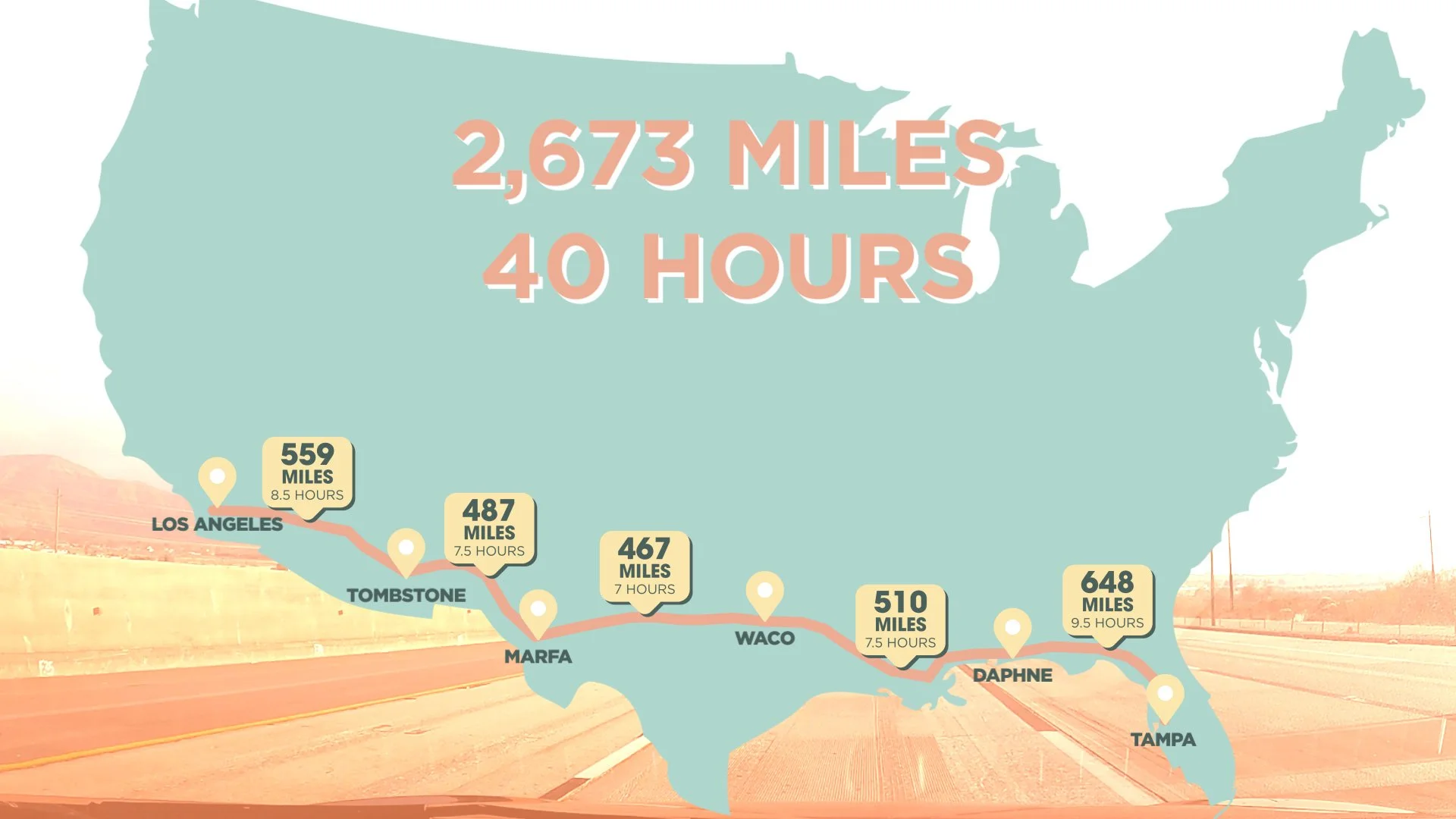
Distance and Time: The most common driving routes from Florida to California typically span between 2,400 and 3,000 miles (approximately 3,860 to 4,830 kilometers), depending on the starting point in Florida (e.g., Miami to Los Angeles) and the chosen path across the country. This translates into a significant time commitment. Driving continuously, without any stops beyond basic necessities, could technically be accomplished in about 35-45 hours. However, this is an impractical and unenjoyable approach. A more realistic and enjoyable road trip requires at least 4 to 7 days, allowing for overnight stays, sightseeing, and rest.
Recommended Routes: Several popular routes cater to different preferences. The southern route, often utilizing Interstate 10 (I-10) for a significant portion, is a common choice. This path takes you through states like Texas, New Mexico, and Arizona, offering a glimpse into the desert landscapes and iconic Southwestern culture. You might pass through cities like San Antonio, El Paso, and Phoenix.
An alternative is a more central route, perhaps utilizing Interstate 40 (I-40). This route offers different scenery and attractions, potentially taking you through states like Tennessee, Oklahoma, and New Mexico. Stops in places like Nashville, Oklahoma City, or Albuquerque could be on the itinerary.
For those seeking a northern route, though less common directly from Florida, it might involve heading north first before turning west, potentially touching states like Illinois or Colorado. This route offers a completely different experience, showcasing the Midwest or the Rocky Mountains.
Key Considerations for a Road Trip:
- Vehicle Maintenance: Ensure your vehicle is in excellent condition. A pre-trip inspection is crucial, checking tires, brakes, fluids, and essential components.
- Accommodation: Booking hotels or motels in advance, especially during peak seasons, is highly recommended. Websites and apps dedicated to accommodation comparison can be invaluable for finding the best deals and reviews. Options range from budget-friendly roadside motels to more luxurious resorts and apartments.
- Budgeting: Factor in the costs of gas, food, lodging, and potential attractions. Fuel costs can fluctuate significantly across different states.
- Packing: Pack for a variety of weather conditions, as you’ll be traversing different climates. Essentials include comfortable clothing, navigation tools (GPS and maps), a first-aid kit, and emergency supplies.
- Attractions and Landmarks: The beauty of a road trip lies in the spontaneous discoveries and planned stops. Along the way, you might encounter landmarks like the Grand Canyon National Park in Arizona, the Alamo in San Antonio, or the unique geological formations of Carlsbad Caverns National Park in New Mexico. These detours add immense value to the journey.
- Lifestyle: A Florida to California road trip can be tailored to various lifestyles. For budget travel, planning simple meals and opting for affordable accommodation is key. Luxury travel might involve stopping at high-end resorts and enjoying fine dining. Family trips will likely include stops at amusement parks or family-friendly attractions.
Soaring Through the Skies: Flying From Florida to California
For those prioritizing speed and efficiency, flying is the undeniable choice. The question “How far is Florida to California?” when flying, becomes a matter of flight time and the logistical considerations of air travel.
The Efficiency of Air Travel

Flight Time: The direct flight time between major airports in Florida (such as Miami International Airport (MIA) or Orlando International Airport (MCO)) and California (like Los Angeles International Airport (LAX) or San Francisco International Airport (SFO)) is typically around 4.5 to 6 hours. This is significantly faster than driving, making it the preferred option for business travelers or those with limited vacation time.
Airport Logistics: While the flight itself is relatively short, it’s essential to factor in the time spent at the airport. This includes travel to and from the airport, check-in procedures, security screening, and boarding. Including these elements, a flight can easily consume 8-10 hours of your day.
Airline Options and Booking: Numerous airlines operate routes between Florida and California, offering a range of fares and services. Budget travel is achievable by booking flights in advance, being flexible with travel dates, and considering less direct routes or smaller airports. For those seeking premium comfort, airlines offer first-class or business-class seats, often found in suites or offering enhanced amenities.
Destinations in California: California is a vast state with multiple major airports. The choice of destination airport in California can influence flight times and options. Los Angeles offers access to iconic attractions like Hollywood and Disneyland Resort. San Francisco provides entry to the Golden Gate Bridge and Silicon Valley. Further south, San Diego offers beautiful beaches and the San Diego Zoo. Each region offers unique experiences and attractions.
Connecting Flights: While direct flights are available, many travelers opt for connecting flights, which can sometimes be more affordable. These flights will naturally increase the overall travel time.
Bridging the Distance: Exploring the Midpoints and Possibilities
The journey from Florida to California is not just about the start and end points; it’s also about the vast expanse in between. This middle ground offers a wealth of tourism opportunities, landmarks, and diverse lifestyles to explore.
Experiencing America’s Interior
The Southern Corridor: Traveling along I-10 provides access to a rich tapestry of American culture. Texas offers iconic cities like Austin with its live music scene and Houston with its space exploration history at Space Center Houston. Further west, New Mexico boasts unique Pueblo culture, stunning natural landscapes like those found in White Sands National Park, and vibrant cities like Santa Fe, known for its art and history. Arizona is home to the awe-inspiring Grand Canyon National Park, a must-see landmark and a testament to nature’s power. Phoenix offers a gateway to the Sonoran Desert and a thriving urban center.
The Central Corridor: A route utilizing I-40 opens up different possibilities. Oklahoma showcases the spirit of the American West with attractions like the National Cowboy & Western Heritage Museum in Oklahoma City. Colorado, if detoured, offers the majestic beauty of the Rocky Mountains, with destinations like Denver and opportunities for hiking and outdoor activities. New Mexico again features prominently, with its rich history and cultural heritage.
Beyond the Highways: The true spirit of a cross-country journey often lies in venturing off the beaten path. This could involve exploring smaller towns, discovering local food scenes, and immersing oneself in regional tourism tips. From the music of Memphis to the desert vistas of Nevada, the opportunities for discovery are endless.
Accommodation Variety: Throughout this expansive journey, travelers will find a wide array of accommodation options. From charming bed and breakfasts in historic towns to modern hotels and self-catering apartments for longer stays, there’s something to suit every preference and budget. Finding the right place to rest is crucial for enjoying the extended travel time.
The Ultimate Distance: A Matter of Perspective
Ultimately, “How far is Florida to California?” is a question that transcends simple mileage. It’s a question about the experience, the journey, and the choices made along the way.
Whether you choose to navigate the open road, embracing the freedom and discoveries that come with a lifestyle of budget travel or luxury travel, or opt for the swift efficiency of air travel, the distance between these two iconic states represents a significant undertaking. It’s an opportunity to witness the incredible breadth of America, from its tropical shores to its Pacific sunsets, encountering diverse cultures, breathtaking landmarks, and a wealth of experiences that make the journey as memorable as the destination. The decision on how far you travel is entirely yours, and the possibilities are as vast as the country itself.
LifeOutOfTheBox is a participant in the Amazon Services LLC Associates Program, an affiliate advertising program designed to provide a means for sites to earn advertising fees by advertising and linking to Amazon.com. Amazon, the Amazon logo, AmazonSupply, and the AmazonSupply logo are trademarks of Amazon.com, Inc. or its affiliates. As an Amazon Associate we earn affiliate commissions from qualifying purchases.