
The vast and varied landscapes of Texas are a testament to its diverse natural beauty, drawing millions of visitors each year for its stunning landmarks, vibrant tourism, and unique lifestyle experiences. From the sprawling ranches of the Hill Country to the Gulf Coast’s sun-drenched beaches, Texas offers a rich tapestry of attractions. But for the intrepid traveler, or perhaps the slightly apprehensive one, a question often arises: are there alligators in Texas? The answer is a resounding yes, and understanding their presence is key to appreciating the wilder side of this expansive state.
Encountering the American Alligator in the Lone Star State
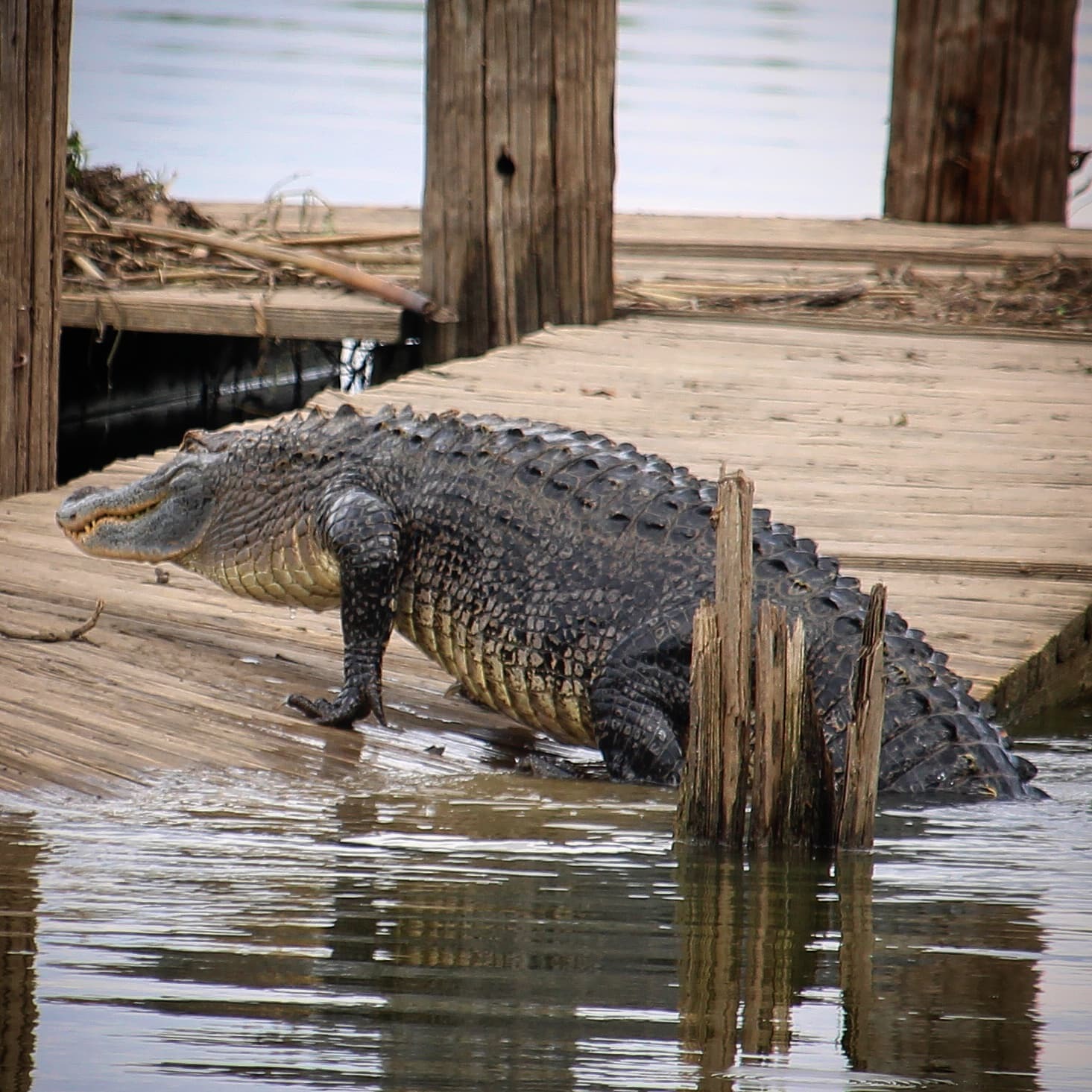
The American alligator (Alligator mississippiensis) is a magnificent reptile that calls Texas home. Far from being a rare anomaly, these prehistoric creatures are a well-established part of the state’s ecosystems, particularly in its freshwater wetlands, rivers, lakes, and coastal marshes. For visitors, this presence adds an element of the wild to their travel experiences, transforming a simple boat tour or a fishing trip into a potentially thrilling encounter.

Where to Find Alligators in Texas
The distribution of alligators across Texas is largely tied to the availability of suitable freshwater habitats. While they can be found in many parts of the state, certain regions are more renowned for their alligator populations.
The Coastal Bend and East Texas: Prime Alligator Territory
The eastern and southeastern parts of Texas are considered the heartland of alligator country. Here, the humid climate and abundant waterways create ideal conditions for these reptiles to thrive.
-
East Texas Wetlands: Areas like the Big Thicket National Preserve are teeming with wildlife, including a healthy population of alligators. This national preserve offers numerous opportunities for exploration, from hiking trails that meander through diverse ecosystems to canoe trips on quiet bayous. Birdwatchers and nature enthusiasts will find a rich array of species here, often sharing the landscape with the elusive alligator. Guided tours can often provide educational insights into the alligator’s behavior and habitat, enhancing the experience without compromising safety.
-
The Gulf Coast: Along the Texas Gulf Coast, from Galveston to Corpus Christi, alligators are a common sight in brackish and saltwater marshes, estuaries, and bayous. Many coastal towns offer specialized tours designed for alligator viewing. Port Arthur, for instance, is situated near extensive marshlands where alligators are frequently observed. A boat tour through these areas can be an unforgettable adventure, offering close-up views of these apex predators in their natural environment. The Galveston Island State Park also provides opportunities to spot alligators, particularly in its freshwater ponds and marshes.
-
Southeast Texas Rivers and Lakes: The Trinity River, the Neches River, and numerous other waterways in this region are home to significant alligator populations. Large reservoirs like Lake Livingston and Lake Sam Rayburn also support healthy numbers of these reptiles. For those seeking luxury travel or a more comfortable accommodation, several resorts and hotels are located near these water bodies, offering guided excursions as part of their tourism packages.
Central Texas and Beyond: Pockets of Alligator Activity
While less dense than in the eastern parts of the state, alligators can also be found in some parts of Central Texas, particularly in larger rivers and lakes.
-
The San Antonio River: In San Antonio, the San Antonio River itself is known to harbor alligators, especially in the stretches outside the immediate downtown area. This might come as a surprise to many, given the urban setting, but it highlights how adaptable these creatures can be. For those staying at the Hotel Emma, a historic boutique hotel, a boat tour further downstream could potentially offer a glimpse of these native inhabitants.
-
The Brazos River: This major river system, which flows through much of Central and Eastern Texas, supports alligator populations throughout its course. Areas around Waco, for example, along the Brazos River, might offer sightings.
-
Other Lakes and Reservoirs: Larger inland lakes and reservoirs across the state, such as Lake Conroe and Lake Houston, are also known to have alligators. These are popular spots for family trips, offering a chance for children to learn about the local wildlife in a safe and controlled manner, often through educational centers or designated viewing areas.
Understanding Alligator Behavior and Safety
The presence of alligators is an integral part of the Texas natural landscape, and with proper knowledge and respect, encounters can be safe and even educational. The tourism industry in Texas has adapted to this reality, offering guided tours and educational programs that prioritize both visitor safety and the well-being of the alligators.
Respecting Their Habitat: Essential Travel Tips

When exploring areas known to have alligators, it’s crucial to maintain a safe distance. Alligators are wild animals and can be dangerous if provoked or approached too closely.
-
Observe from a Distance: Never attempt to feed or touch an alligator. Feeding can make them lose their natural fear of humans, leading to aggressive behavior. Observing them from a boat, a designated viewing platform, or a safe distance on shore is the best approach. Many eco-tours and wildlife excursions are specifically designed to provide opportunities for observation while ensuring safety protocols are strictly followed.
-
Be Cautious Near Water: Always be aware of your surroundings when near any body of water in Texas where alligators might be present. This includes lakes, rivers, bayous, and coastal marshes. Keep pets on a leash and under close supervision, as they can be perceived as prey.
-
Heed Warning Signs: Many parks and natural areas will have posted signs warning of alligator presence. These signs are there for a reason and should be taken seriously. Following the advice of park rangers and local guides is paramount for a safe and enjoyable experience.
Alligators as Part of the Ecosystem: A Natural Wonder
The American alligator plays a vital role in maintaining the health of its wetland habitats. As an apex predator, it helps regulate populations of other animals, and its presence is an indicator of a healthy ecosystem. For nature enthusiasts and those interested in conservation, spotting an alligator in the wild is a privilege.
-
Conservation Efforts: Texas Parks and Wildlife Department has been instrumental in the conservation of the American alligator. Once endangered, alligator populations have rebounded significantly thanks to conservation efforts, making them a symbol of successful wildlife management. This recovery means that opportunities to observe them in their natural habitat are now more abundant than ever.
-
Educational Opportunities: Many attractions and nature centers across Texas offer educational programs about alligators. These programs are fantastic for families and individuals looking to learn more about these fascinating creatures. They often cover alligator biology, behavior, and their importance to the Texas environment. This is a great way to engage with the local culture and nature simultaneously, adding a unique educational layer to any trip.
Planning Your Texas Adventure with Alligator Encounters in Mind
Whether you’re planning a budget travel excursion or a luxury travel escape, Texas offers a variety of ways to experience its wild side, including the chance to see alligators. The key is to be informed, prepared, and respectful of the natural world.
Accommodation and Activities for the Wildlife Enthusiast
For those specifically interested in seeing alligators, Texas offers a range of accommodation options and activities to suit different preferences and budgets.
-
Lodges and Cabins: Many lodges and cabins are situated in prime alligator habitats, offering a rustic and immersive experience. These often provide guided tours or direct access to waterways where sightings are common. For those seeking a more secluded long-term stay, these can be ideal.
-
Hotels and Resorts: Even in more developed areas, many hotels and resorts are located near alligator habitats and offer organized excursions. For example, in the Houston area, one might find hotels that partner with local tour operators for swamp tours. Similarly, resorts near Corpus Christi might offer bayou tours.
-
Guided Tours: Numerous companies specialize in alligator viewing tours. These range from small boat tours in the Big Thicket to larger airboat excursions on the Gulf Coast. Booking a guided tour is often the safest and most informative way to experience alligators, as the guides are knowledgeable about their behavior and locations.
-
State and National Parks: Texas State Parks and National Parks are excellent destinations for wildlife viewing, including alligators. These parks often have visitor centers with educational exhibits and designated trails or viewing areas. Mustang Island State Park near Corpus Christi, or Lake Livingston State Park, are good examples.
Preparing for Your Trip
When packing for a trip to Texas with the intention of spotting alligators, consider the following:
- Appropriate Clothing: Lightweight, breathable clothing is essential, especially during warmer months. Insect repellent is also a must for spending time near wetlands.
- Binoculars: These will enhance your viewing experience, allowing you to observe alligators from a safe distance.
- Camera: You’ll want to capture the memory of seeing these impressive creatures.
- Sun Protection: Texas can get very sunny, so hats, sunscreen, and sunglasses are vital.
In conclusion, the presence of alligators in Texas is a fascinating aspect of its natural heritage. By understanding where to find them, respecting their wild nature, and taking the necessary safety precautions, travelers can add an extraordinary dimension to their Texas adventure. From the quiet bayous of East Texas to the vibrant coastal marshes, the opportunity to witness these incredible reptiles in their natural habitat is a truly memorable experience that underscores the wild beauty of the Lone Star State.
LifeOutOfTheBox is a participant in the Amazon Services LLC Associates Program, an affiliate advertising program designed to provide a means for sites to earn advertising fees by advertising and linking to Amazon.com. Amazon, the Amazon logo, AmazonSupply, and the AmazonSupply logo are trademarks of Amazon.com, Inc. or its affiliates. As an Amazon Associate we earn affiliate commissions from qualifying purchases.