
Florida, a state synonymous with sun-drenched beaches, vibrant theme parks, and a rich tapestry of natural beauty, might not be the first place that springs to mind when considering dramatic elevation changes. Unlike the towering peaks of the Rocky Mountains or the majestic Alps, Florida’s landscape is predominantly flat, characterized by its extensive coastline and low-lying wetlands. Yet, even in this seemingly level terrain, there exists a highest point, a subtle rise in elevation that holds the title of Florida’s summit. This distinction, while not a grand mountain, is a point of interest for geographers, trivia enthusiasts, and adventurous travelers seeking to explore every facet of the Sunshine State.
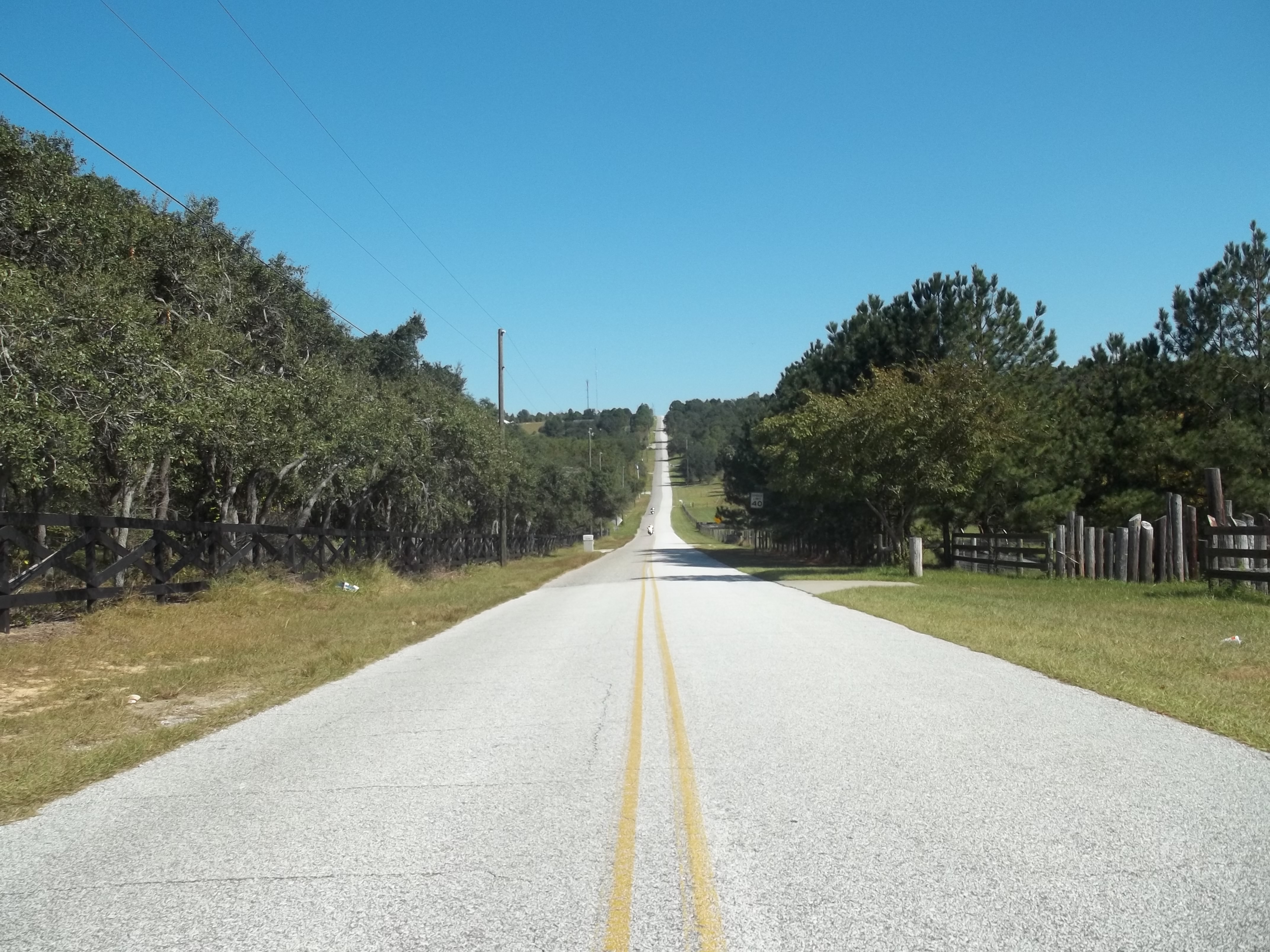
The quest for the highest point in Florida leads us not to a craggy peak, but to a more unassuming locale, one that embodies the unique character of this southern gem. Understanding this elevation is more than just a geographical fact; it offers a glimpse into the geological history of Florida, its hydrological systems, and even the cultural nuances of the regions it graces. For those planning a visit to Florida, whether for a luxurious resort stay, a family adventure, or a deep dive into local tourism, knowing about its highest point adds another layer to the experience, encouraging exploration beyond the typical tourist trails.
Unveiling Florida’s Summit: Britton Hill
The highest natural point in the state of Florida is Britton Hill. Located in the northwestern part of the state, near the border with Alabama, Britton Hill stands at a modest elevation of approximately 345 feet (105 meters) above sea level. While this may seem insignificant when compared to the highest points in other states, it is the undisputed apex of Florida’s topography. The area is situated within Washington County, a region known for its rolling farmlands and pine forests, a stark contrast to the sandy shores of the Atlantic and Gulf coasts.
The Geological Story of Britton Hill
The formation of Britton Hill is intrinsically linked to the geological history of the Florida Panhandle. Unlike many mountain ranges formed by tectonic uplift, Florida’s elevation is primarily a result of sedimentation and erosion over millions of years. The landmass that is now Florida was once submerged beneath ancient seas. Over eons, layers of sand, clay, and shells accumulated, gradually building up the peninsula. As sea levels fluctuated and geological forces subtly shifted the earth’s crust, these sedimentary layers were exposed and shaped by erosion.
The Florida Panhandle, where Britton Hill is located, has a slightly more varied topography compared to the peninsula due to its proximity to the ancient continental shelf and the geological history of the southeastern United States. The higher elevations here are not the result of dramatic mountain-building events but rather the accumulation of sediment and the persistent sculpting power of water and wind. Britton Hill itself is essentially a broad, gently sloping rise in the land, an outlier of the geological formations that characterize the broader region. The soil composition here is typical of the Gulf Coastal Plain, with sandy loams and clayey subsoils supporting a rich diversity of plant and animal life.
The surrounding landscape is characterized by mature forests, including longleaf pines, oaks, and hickories, interspersed with agricultural fields. This natural setting provides a serene backdrop to the state’s highest point, offering a peaceful retreat for those who venture to find it. The area around Britton Hill is a testament to the subtle beauty of Florida’s natural interior, often overlooked in favor of its more famous coastal attractions.
Visiting Britton Hill: A Different Kind of Landmark
While Britton Hill might not boast the dramatic vistas or challenging climbs of more renowned peaks, it holds a unique appeal as a landmark. Its significance lies in its status as the highest natural elevation in a state defined by its flatness. It’s a destination that appeals to a specific type of traveler – one who appreciates the nuances of geography, the quiet beauty of the countryside, and the satisfaction of visiting a unique “highest point.”
The summit itself is marked by a small, well-maintained park, often referred to as Britton Hill Park. This park provides a place for visitors to pause, reflect, and acknowledge their presence at Florida’s apex. Informational plaques often detail the elevation and provide context about the surrounding environment. The park is typically equipped with basic amenities, making it a pleasant spot for a short visit, a picnic, or simply to stretch one’s legs during a road trip through the region.
For those who enjoy a good drive and exploring local flavor, the journey to Britton Hill is part of the experience. Traveling through the rural landscapes of Washington County offers a glimpse into a slower pace of life, with quaint towns, local diners, and a strong sense of community. This area is a world away from the bustling metropolises of Miami or the theme park hubs of Orlando, offering a more authentic and grounded perspective on Florida.
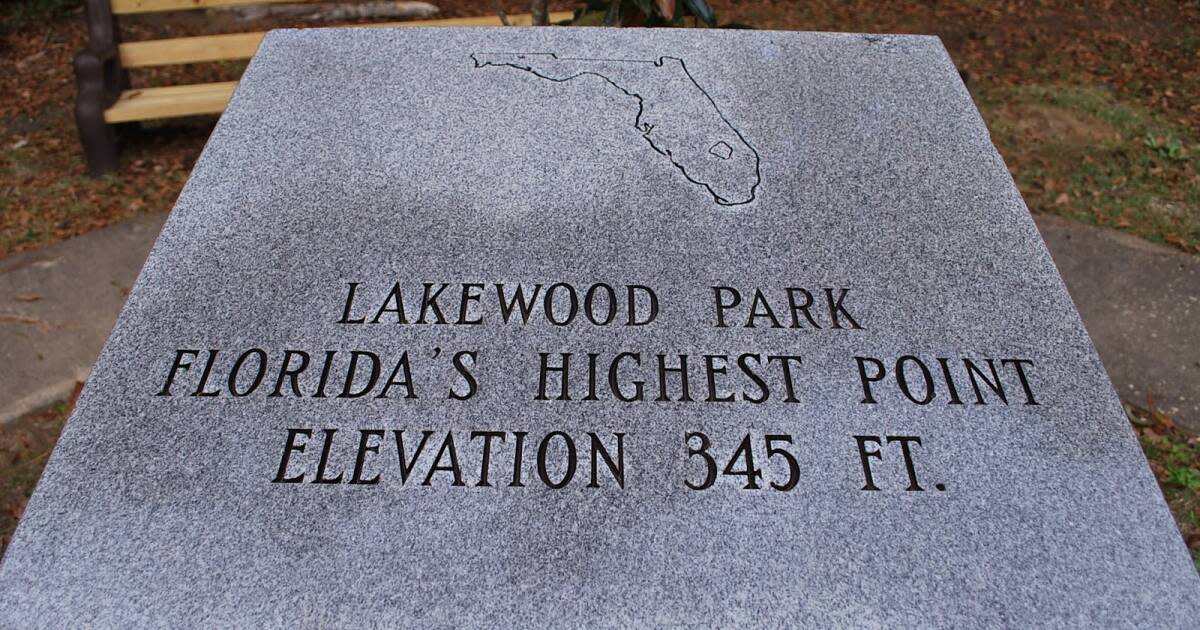
When considering accommodation, visitors to the Florida Panhandle might find charming bed and breakfasts or small, locally-owned hotels in nearby towns. While there won’t be sprawling resorts like those found on the coasts, the warmth and hospitality of these smaller establishments often provide a more intimate travel experience. This region is perfect for those interested in nature walks, bird watching, or simply experiencing the tranquility of rural Florida.
Exploring the Surrounding Tourism Landscape
While Britton Hill is the star of this particular geographical quest, its location in the Florida Panhandle opens up a wealth of other tourism opportunities. This region, often overshadowed by the more heavily marketed areas of South Florida and the Orlando corridor, possesses its own distinct charm and array of attractions. For travelers who appreciate history, nature, and a more laid-back atmosphere, the Panhandle offers a compelling alternative.
Natural Wonders and Outdoor Activities
The Florida Panhandle is blessed with a diverse natural landscape that includes pristine beaches, verdant forests, and tranquil rivers. The coastline, particularly along the Gulf of Mexico, boasts some of the most beautiful white-sand beaches in the United States. Destinations like Panama City Beach, Destin, and South Walton (home to charming beach towns like Seaside and Rosemary Beach) offer crystal-clear turquoise waters and opportunities for swimming, sunbathing, and water sports. Beyond the beaches, the region is crisscrossed by numerous rivers and spring-fed systems, providing excellent opportunities for kayaking, canoeing, and fishing.
Inland, the rolling hills and extensive forests offer a different kind of natural beauty. Parks and nature preserves like Tate’s Hell State Forest and Blackwater River State Forest provide opportunities for hiking, camping, and wildlife viewing. These areas are home to a variety of flora and fauna, including native bird species, deer, and even the endangered red-cockaded woodpecker. The geological formations, while not mountainous, contribute to the unique ecosystems found here, creating a varied and engaging environment for nature lovers.
For those interested in adventure travel, the Panhandle offers activities such as ziplining through the forest canopy, exploring cave systems, or embarking on fishing charters in the Gulf. The local culture is also rich in maritime heritage, with many communities having a strong connection to the sea and its bounty. This translates into delicious seafood cuisine, with fresh catches being a staple in many local restaurants.
Historical and Cultural Immersion
The Florida Panhandle has a rich and complex history, influenced by Native American tribes, Spanish explorers, British colonists, and American pioneers. Historic sites and museums dotted throughout the region offer insights into this past. Cities like Pensacola, with its deep naval history and well-preserved historic district, provide a tangible connection to bygone eras. The National Naval Aviation Museum in Pensacola is a world-class attraction for aviation enthusiasts, showcasing a vast collection of aircraft and exhibits.
Smaller towns in the region often preserve their unique architectural styles and local traditions. Exploring these communities can offer a genuine taste of Floridian lifestyle, far removed from the commercialism of larger tourist hubs. Local festivals, farmers’ markets, and community events provide opportunities to engage with the local culture and meet the people who call this region home. The arts scene is also developing, with local galleries and performance venues showcasing regional talent.

Accommodation and Lifestyle Choices
The variety of tourism in the Florida Panhandle is reflected in its accommodation options. While one might not find the ultra-luxury high-rise resorts of Miami, there are plenty of choices to suit different lifestyles and budgets. Along the coast, you’ll find everything from family-friendly hotels and condominiums to upscale boutique resorts and private villa rentals, particularly in areas like 30A. These accommodations often boast stunning ocean views and direct beach access, making them ideal for a classic beach vacation.
For those exploring the inland areas or seeking a more rustic experience, there are charming bed and breakfasts, historic inns, and even campsites within state parks. These options provide a more intimate and immersive experience, connecting visitors with the natural beauty and local character of the Panhandle. The emphasis here is often on comfort, tranquility, and a connection to the surrounding environment, aligning perfectly with a lifestyle that appreciates the slower pace and natural appeal of the region.
Whether your travel style leans towards luxury, budget-friendly exploration, or family adventures, the Florida Panhandle has something to offer. The proximity to Britton Hill adds a unique geographical quest to any trip, encouraging a deeper exploration of this often-underappreciated part of the Sunshine State. It’s a reminder that even in a state known for its low elevation, there’s always a summit to discover, offering a different perspective on Florida‘s diverse and captivating landscape.
LifeOutOfTheBox is a participant in the Amazon Services LLC Associates Program, an affiliate advertising program designed to provide a means for sites to earn advertising fees by advertising and linking to Amazon.com. Amazon, the Amazon logo, AmazonSupply, and the AmazonSupply logo are trademarks of Amazon.com, Inc. or its affiliates. As an Amazon Associate we earn affiliate commissions from qualifying purchases.