
The question of “how far is Florida to California?” isn’t just about mileage; it’s an inquiry into the immense scale of the United States and the epic adventure that lies between its two most iconic, sun-drenched states. Spanning the continent from the Atlantic Ocean to the Pacific Ocean, a journey between these two vibrant destinations represents the quintessential American cross-country experience. Whether you’re a seasoned traveler dreaming of an expansive road trip, a business professional needing to quickly traverse the nation, or a family planning an unforgettable vacation, understanding this monumental distance and the various ways to conquer it is the first step toward an incredible adventure.
The Epic Journey: Florida to California
At its core, traveling from Florida to California is a testament to distance. These are two of the furthest points within the contiguous United States, separated by thousands of miles, diverse landscapes, and a multitude of cultures. This journey isn’t merely about reaching a destination; it’s about embracing the vastness of the American landscape and the countless experiences that unfold along the way.
Understanding the Vast Distance
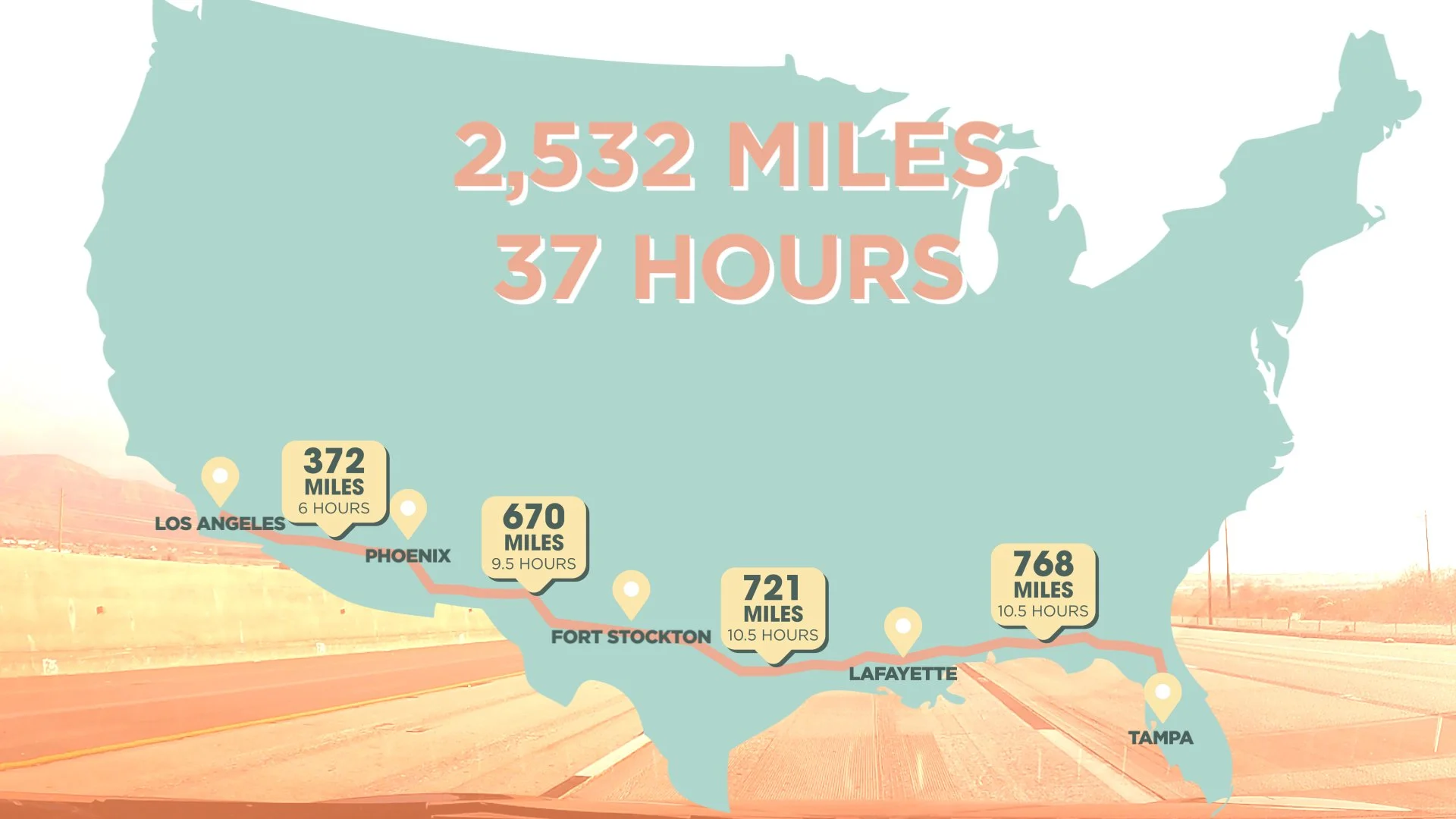
The exact distance between Florida and California depends heavily on the specific starting and ending cities. For instance, a trip from Miami, Florida, to Los Angeles, California, typically covers around 2,700 to 3,000 miles by road. If you’re starting from Jacksonville, Florida, and heading to San Francisco, California, the distance could be closer to 3,100 miles.
This immense span means that a continuous drive would take approximately 40 to 45 hours, not including stops for rest, fuel, and sightseeing. Realistically, a road trip of this magnitude would require at least 5-7 days, allowing for comfortable daily driving segments of 6-8 hours. By air, the journey is dramatically shorter. A direct flight between major hubs like Orlando and Los Angeles typically lasts between 5 to 6 hours, transforming a week-long drive into a single afternoon’s travel. This stark difference underscores the importance of choosing the right mode of transportation based on your travel goals, budget, and available time.
The Allure of a Cross-Country Expedition
Beyond the numbers, the appeal of a Florida to California journey lies in its promise of discovery. It’s a chance to witness the dramatic shifts in geography, climate, and local culture that define the United States. From the humid, subtropical landscapes of South Florida and its vibrant coastal cities, you’ll traverse the vast Gulf Coast plains, the sprawling deserts of Texas, Arizona, and New Mexico, and finally ascend into the majestic mountains and diverse ecosystems of California.
This kind of expedition offers a unique perspective on the nation’s diverse heritage, its iconic landmarks, and its hidden gems. It’s a journey that can be tailored to any traveler’s interests, whether you seek historical sites, natural wonders, culinary adventures, or vibrant city life. The contrast between the relaxed beach vibes of Florida and the dynamic, innovative spirit of California makes for a truly enriching travel experience.
Navigating the Miles: Travel Options
Deciding how to travel from Florida to California is a pivotal choice that shapes the entire experience. Each mode of transportation offers distinct advantages, catering to different preferences for speed, cost, comfort, and adventure.
By Car: The Classic American Road Trip
For many, the only way to truly experience the distance between Florida and California is by embarking on a classic American road trip. This option offers unparalleled flexibility and the freedom to explore at your own pace. Several primary routes crisscross the nation, with Interstate 10 being the most direct and popular choice for those heading to Southern California. This southern corridor takes you through Louisiana, Texas, New Mexico, and Arizona before reaching the Golden State.
A road trip demands careful planning, from mapping out stops and securing accommodation to budgeting for fuel, food, and potential vehicle maintenance. Considerations include:
- Vehicle Preparation: Ensure your car is in top condition for thousands of miles of driving.
- Navigation: While GPS is invaluable, having a physical map as a backup is always wise, especially in remote areas.
- Rest Stops: Plan for overnight stays in cities like Houston, San Antonio, El Paso, Phoenix, or Tucson.
- Fueling Up: Gas stations can be sparse in certain desert stretches, so keep an eye on your tank.
- Entertainment: Podcasts, audiobooks, and curated playlists are essential for long stretches of open road.
- Safety: Share your itinerary with someone, and prioritize rest to avoid driver fatigue.
The beauty of a road trip lies in its spontaneity. You can detour to see the Grand Canyon, explore the historic charm of New Orleans, or delve into the art scene of Austin. This journey is about the scenic detours and the unexpected discoveries that enrich your travel experience.
By Air: Speed and Convenience
For those with limited time or who prioritize speed and comfort, flying is undeniably the most efficient way to travel between Florida and California. Major airlines such as Delta Air Lines, American Airlines, United Airlines, and Southwest Airlines offer numerous direct and connecting flights daily between key airports like Orlando International Airport (MCO), Miami International Airport (MIA), Jacksonville International Airport (JAX) in Florida, and Los Angeles International Airport (LAX), San Francisco International Airport (SFO), and San Diego International Airport (SAN) in California.
While the journey itself is brief, the overall travel time will include getting to and from airports, security checks, and potential layovers. Booking in advance can yield significant savings, and travelers should compare prices across different airlines and consider flexible dates for the best deals. When flying, focus shifts from the journey between states to maximizing your time once you arrive at your destination, allowing for more intensive exploration of local attractions and experiences.
Alternative Routes and Experiences
While driving and flying are the primary modes, other options exist for those seeking a unique approach:
- Train Travel: Amtrak’s cross-country routes, such as the Sunset Limited, offer a leisurely and scenic alternative. This can be a multi-day journey with sleepers and dining cars, providing a nostalgic travel experience. It’s an excellent choice for those who enjoy the journey as much as the destination, offering views of landscapes inaccessible by road and a chance to truly relax.
- Bus Services: Intercity bus services provide a budget-friendly option, though they are significantly slower than driving and often involve multiple transfers. This is typically chosen by budget-conscious travelers with ample time.
- RV Travel: For the ultimate freedom, an RV trip combines accommodation with transportation, allowing travelers to bring the comforts of home on the road. This requires a different set of planning, focusing on RV parks and campsites, but offers unparalleled flexibility for family trips or extended stays.
Planning Your Transcontinental Adventure
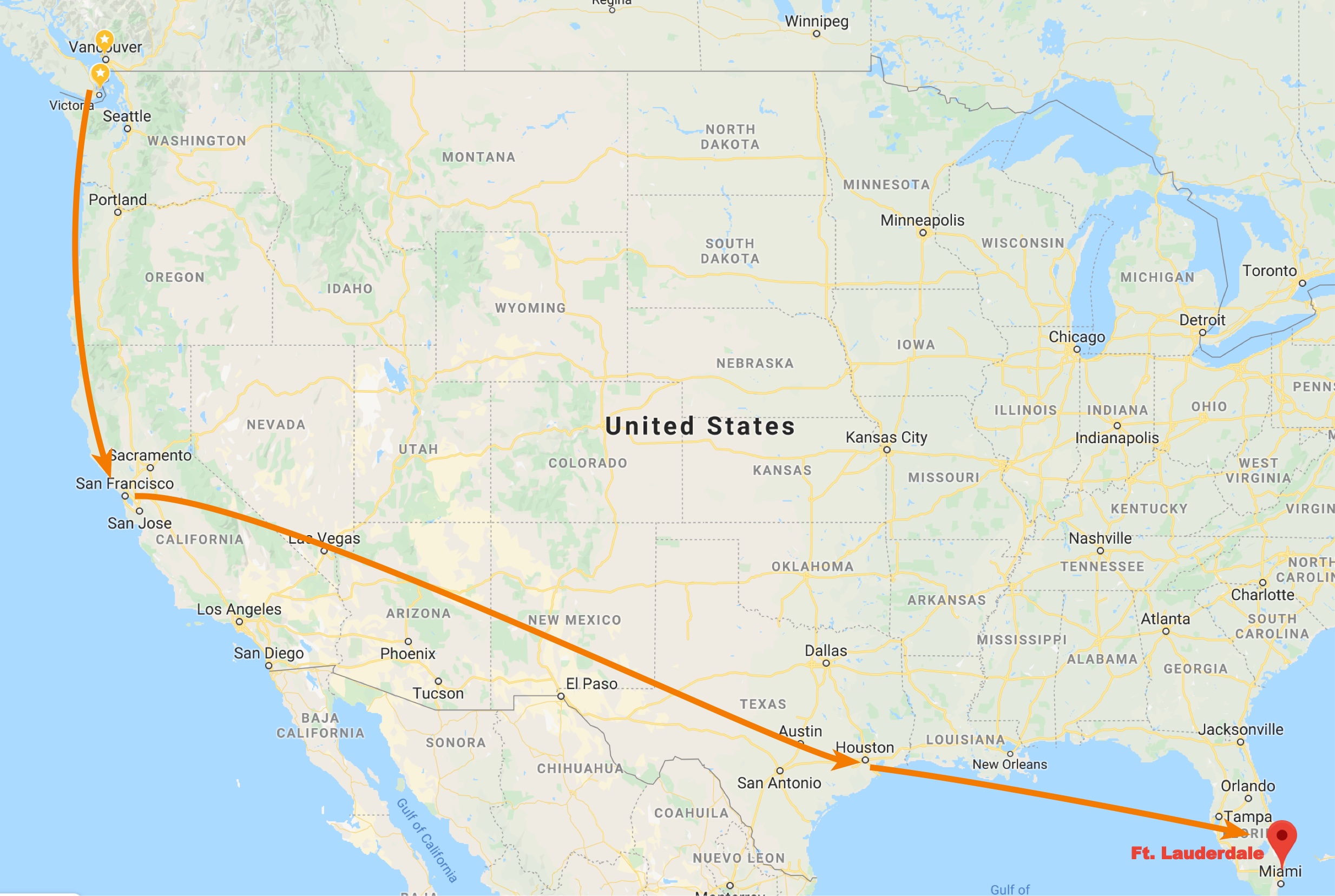
Regardless of how you choose to travel, a journey from Florida to California requires meticulous planning to ensure a smooth and enjoyable experience. This involves not only mapping your route but also considering where you’ll stay, what you’ll see, and how you’ll manage your budget.
Must-See Destinations Along the Way
A cross-country trip offers an incredible opportunity to explore the diverse tapestry of the United States. Along the southern Interstate 10 route, you can encounter:
- New Orleans, Louisiana: Immerse yourself in the vibrant jazz scene, unique Creole cuisine, and historic French Quarter.
- Houston or San Antonio, Texas: Experience Texan culture, from space exploration at the Space Center Houston to the historic Alamo and River Walk in San Antonio.
- New Mexico Deserts: Visit White Sands National Park for surreal landscapes or explore Santa Fe’s artistic heritage.
- Arizona Wonders: The iconic Grand Canyon is a must-see detour, along with the red rocks of Sedona or the bustling city of Phoenix.
- Las Vegas, Nevada: Just a short drive north of the typical route, Las Vegas offers a dazzling detour for entertainment and unique lifestyle experiences.
- Joshua Tree National Park, California: As you approach Southern California, this national park offers stunning desert landscapes and unique flora.
Other routes might lead you through different states, each with its own unique landmarks and attractions, showcasing the true diversity of American tourism.
Accommodation Choices Across the USA
Finding suitable accommodation is crucial for any long journey. From budget-friendly motels to luxurious resorts, options abound across the United States. When planning a road trip, booking your stays in advance, especially during peak seasons or near popular attractions, is highly recommended.
- Hotels & Motels: Chain hotels like Marriott Bonvoy properties, Hilton Honors hotels, and independent motels offer various amenities and price points. Many cater specifically to road trippers with easy highway access and complimentary breakfast.
- Vacation Rentals: Platforms like Airbnb and VRBO provide options for private homes or apartments, ideal for families or those seeking a more local experience. These can be particularly cost-effective for longer stays or larger groups.
- Camping & RV Parks: For nature enthusiasts, numerous national and state parks offer camping facilities, while RV parks provide hookups and amenities for recreational vehicles. This is a budget-friendly way to connect with the outdoors and can significantly cut down on lodging costs.
- Luxury Stays: For those seeking a luxury travel experience, high-end resorts and boutique hotels like the Four Seasons or Ritz-Carlton can be found in major cities and scenic areas, offering unparalleled service and amenities.
Budgeting and Lifestyle Considerations
A transcontinental trip can be a significant financial undertaking, but careful planning allows for both luxury travel and budget travel experiences.
- Fuel Costs: This will be your largest expense for a road trip. Use apps to find the cheapest gas prices along your route.
- Food: Balance restaurant meals with groceries and picnic supplies to save money. Embrace local eateries for authentic culinary experiences.
- Accommodation: As mentioned, choosing between hotels, motels, vacation rentals, or camping heavily impacts your budget. Loyalty programs can offer savings for frequent travelers.
- Attractions & Activities: Prioritize the sights and experiences most important to you. Look for free attractions or consider city passes for discounts.
- Unexpected Expenses: Always factor in a contingency fund for unforeseen costs like vehicle repairs, medical emergencies, or last-minute accommodation changes.
For families, planning family trips requires extra attention to activities that appeal to all ages and comfortable, spacious accommodation. Business travelers, on the other hand, might prioritize efficiency, reliable Wi-Fi, and convenient locations for business stays. Your lifestyle and priorities will heavily influence the choices you make during this epic journey.
Unveiling the Charms of Florida and California
Both Florida and California are premier travel destinations in their own right, offering distinct cultures, landscapes, and attractions that draw millions of visitors annually.
Florida’s Sunshine and Sensations
Known as the Sunshine State, Florida is synonymous with theme parks, pristine beaches, and a vibrant, often subtropical, lifestyle.
- Theme Park Capital: Orlando is home to the magical Walt Disney World Resort, Universal Studios Florida, and countless other family-friendly attractions, making it a global hub for tourism.
- Beaches and Coastal Cities: From the iconic sands of South Beach in Miami with its Art Deco architecture and bustling nightlife, to the tranquil shores of the Florida Panhandle, the state offers diverse beach experiences.
- Natural Wonders: Explore the unique ecosystem of the Everglades National Park, a UNESCO World Heritage Site, or venture to the Florida Keys for world-class fishing and diving.
- Space Exploration: The Kennedy Space Center Visitor Complex near Cape Canaveral offers an inspiring glimpse into space history and future missions.
- Local Culture and Food: Miami’s Cuban influences, St. Augustine’s Spanish heritage, and fresh seafood across the state offer rich cultural and culinary experiences.
California’s Golden State Grandeur
California, the Golden State, boasts an incredible variety of landscapes, from deserts to towering mountains, and a dynamic culture that often sets global trends.
- Iconic Cities: Los Angeles dazzles with its entertainment industry, the Hollywood Walk of Fame, and the vibrant Santa Monica Pier. San Francisco captivates with the Golden Gate Bridge, cable cars, and historic neighborhoods. San Diego offers beautiful beaches and a relaxed atmosphere.
- Natural Wonders: Yosemite National Park features majestic waterfalls and giant sequoias. Death Valley National Park is a land of extreme beauty, while Big Sur offers breathtaking coastal views along the Pacific Coast Highway.
- Wine Country: Napa Valley and Sonoma Valley are renowned for their world-class wineries and gourmet food scenes, perfect for a luxurious escape.
- Theme Parks: California is also home to the original Disneyland Park in Anaheim, offering classic enchantment.
- Lifestyle and Innovation: From the laid-back surf culture of Southern California to the tech-driven innovation of Northern California’s Silicon Valley, the state embodies diverse modern lifestyles.

Making the Journey Unforgettable: Tips and Tricks
To truly maximize your Florida to California experience, a few key tips can make all the difference, transforming a simple trip into an extraordinary memory.
- Be Flexible: While planning is essential, be open to spontaneous detours. Some of the best discoveries are made when you venture off the beaten path. This could mean finding a charming local restaurant, stumbling upon a quirky roadside attraction, or discovering a hidden gem of a hotel.
- Embrace Local Culture: Engage with the communities you pass through. Try regional food, visit local markets, and learn about the area’s history. This enriches your understanding of the diverse American landscape and its people.
- Document Your Journey: Keep a travel journal, take plenty of photos, and capture videos. These will be invaluable memories to look back on. Consider creating a travel blog or photo album to share your adventure.
- Stay Connected: While disconnecting is part of the appeal, having reliable communication for emergencies or navigation is crucial. Consider a portable Wi-Fi hotspot, especially if you plan to traverse areas with spotty cell service, such as parts of the Mojave Desert.
- Pack Smart: Layering clothing is key due to the varied climates you’ll encounter. Essential items include comfortable walking shoes, sun protection, a first-aid kit, and reusable water bottles. For longer road trips, a cooler for snacks and drinks is a game-changer.
- Prioritize Wellness: Long periods of travel can be tiring. Ensure you get adequate rest, stay hydrated, and incorporate physical activity when possible, whether it’s a stretch at a rest stop or a short hike at a national park.
- Utilize Travel Apps: From navigation (Google Maps or Waze) to hotel booking (Booking.com, Expedia), and even identifying points of interest (Roadside America), technology can greatly enhance your trip.
The journey from Florida to California is more than just covering distance; it’s an opportunity for personal growth, cultural immersion, and unforgettable memories. Whether you choose the brisk efficiency of air travel or the meandering exploration of a cross-country drive, this transcontinental adventure promises a truly unique perspective on the beauty and diversity of the United States. So, how far is Florida to California? Far enough to make it an epic journey, and every mile is worth it.
LifeOutOfTheBox is a participant in the Amazon Services LLC Associates Program, an affiliate advertising program designed to provide a means for sites to earn advertising fees by advertising and linking to Amazon.com. Amazon, the Amazon logo, AmazonSupply, and the AmazonSupply logo are trademarks of Amazon.com, Inc. or its affiliates. As an Amazon Associate we earn affiliate commissions from qualifying purchases.