
Embarking on a journey across Florida’s sun-drenched landscape often involves navigating between its diverse and captivating cities. For many travelers, the question arises: “How far is Fort Myers from Miami?” This query delves deeper than just mileage; it encompasses the travel experience, the unique attractions awaiting discovery in each destination, and the lifestyle variations that make them distinctly Florida gems. Whether you’re planning a multi-city adventure, a relaxing beach escape, or a vibrant urban exploration, understanding the journey between these two major hubs is key to crafting the perfect itinerary. This article will guide you through the distance, travel options, and the rich tapestry of experiences that define Fort Myers and Miami, helping you optimize your travel plans and uncover unforgettable moments in the Sunshine State.

The Journey Between Two Florida Gems: Distance and Travel Time
The distance separating Fort Myers on Florida’s Gulf Coast from Miami on the Atlantic coast is significant enough to feel like a proper road trip, yet short enough to be manageable for a day trip or a convenient leg of a longer Florida vacation. This cross-state trek offers a fascinating glimpse into the state’s varied ecosystems and cultural landscapes.
By Car: The Most Popular Route
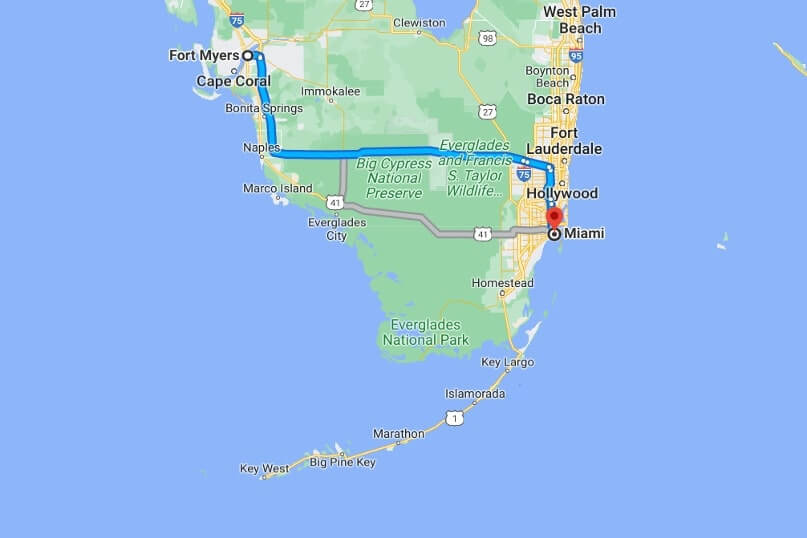
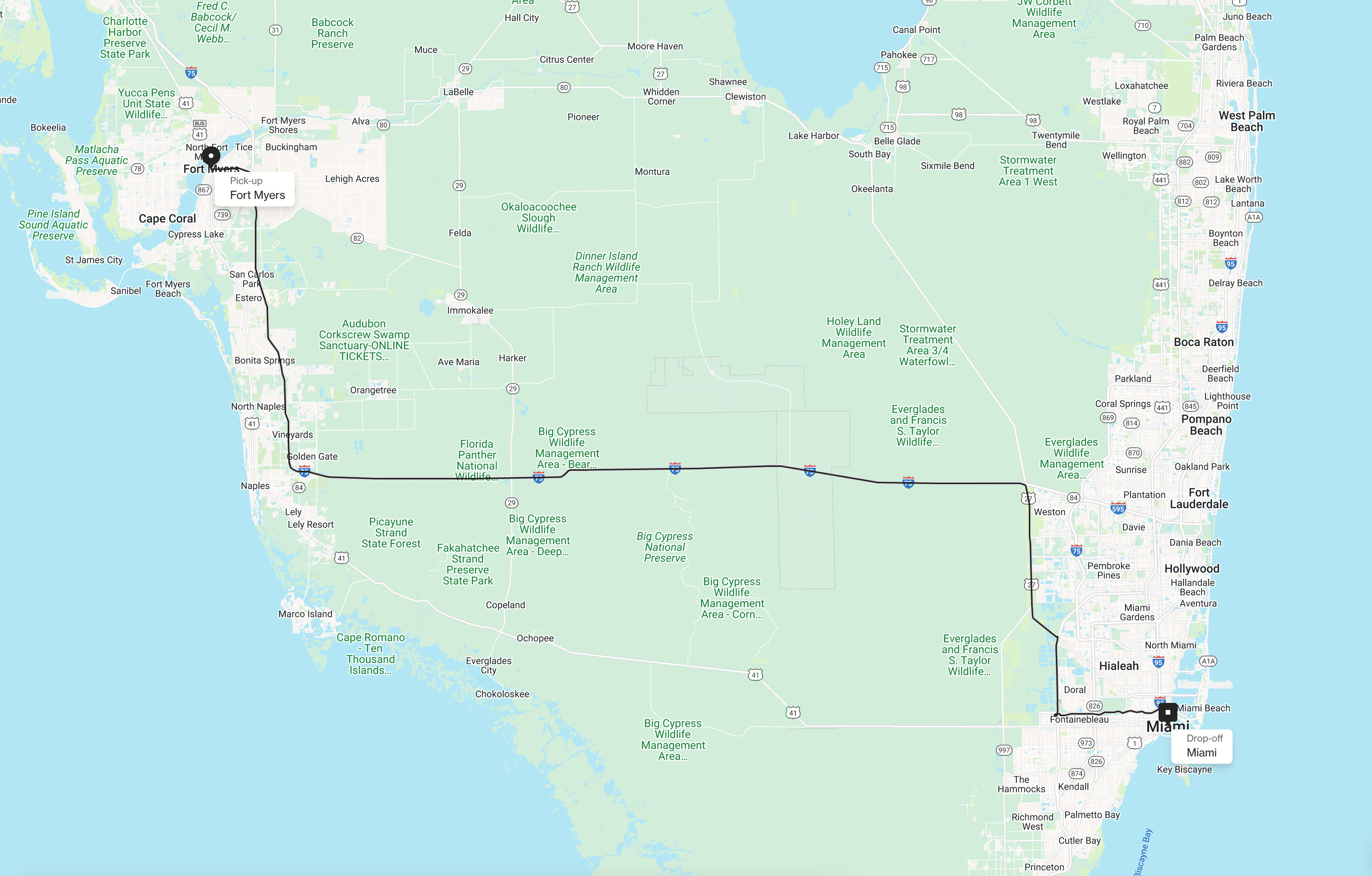
Driving is by far the most popular and practical way to travel between Fort Myers and Miami, offering flexibility and the chance to explore at your own pace. The typical driving distance is approximately 160 miles (about 257 kilometers). Under normal traffic conditions, this journey usually takes around 2.5 to 3 hours.
The primary and most efficient route is via Interstate 75 South, famously known as the “Alligator Alley” as it traverses a significant portion of the Everglades. While this segment of the highway is a toll road, the convenience and speed it offers are generally worth the cost. Travelers along Alligator Alley are treated to a unique, albeit often fleeting, view of Florida’s iconic wetlands, with opportunities to spot wildlife if you’re lucky. For those seeking a more scenic, albeit slower, alternative, US-41, also known as the Tamiami Trail, runs parallel to I-75 through the Everglades. This route offers more direct access to airboat tours and roadside attractions, immersing you more deeply in the natural beauty and rugged charm of this unique environment. However, expect the journey time to extend significantly, potentially reaching 4 to 5 hours due to lower speed limits and more stops.
When planning your drive, it’s crucial to factor in potential traffic, especially during peak seasons (winter months) or holiday weekends. Departures during early morning or late evening often yield smoother travel. Adequate preparation, including ensuring your vehicle is in good condition, having plenty of fuel, and utilizing GPS navigation, will contribute to a seamless road trip experience.
Other Transportation Options
While driving reigns supreme, other transportation methods offer viable alternatives for travelers making the trek between Fort Myers and Miami.
-
Bus Services: Intercity bus lines like Greyhound and FlixBus provide cost-effective transportation between the two cities. Bus journeys typically take longer than driving, often ranging from 3.5 to 5 hours, due to scheduled stops and varying routes. However, they offer a hassle-free option for those who prefer not to drive or need to economize on travel expenses. Bus terminals are conveniently located in both city centers, making connections to local transport or rideshares straightforward.
-
Flights: For such a relatively short distance, flying is generally not the most practical or economical option. Direct flights are infrequent, and the total travel time, including getting to and from airports (Southwest Florida International Airport (RSW) in Fort Myers and Miami International Airport (MIA)), security checks, and boarding, often outweighs the benefits of air travel for this particular route. It’s usually reserved for those connecting to longer international or transcontinental flights from Miami.
-
Rideshare and Shuttle Services: Private shuttle services or rideshare options like Uber and Lyft can be arranged, offering a comfortable and direct transfer. While more expensive than buses, they provide the convenience of door-to-door service and can be a good option for groups to split the cost, making it comparable to renting a car without the responsibility of driving.
Exploring the Vibrant Charms of Miami
Once you arrive in Miami, a world of vibrant culture, stunning beaches, and an exhilarating lifestyle awaits. This cosmopolitan hub is a melting pot of Latin American influences, cutting-edge art, and glamorous nightlife, appealing to a wide array of travelers.
Miami’s Iconic Attractions and Experiences
Miami offers a wealth of attractions that cater to every interest, from sun-seekers and art aficionados to foodies and history buffs.
-
South Beach and Ocean Drive: The quintessential Miami experience. South Beach is renowned for its pristine white sands, turquoise waters, and the iconic pastel-colored Art Deco District lining Ocean Drive. This area is a hub for celebrity spotting, high-end dining, and an electrifying nightlife. Guests can enjoy strolls along the beach, relax by the ocean, or delve into the vibrant street life and architecture.
-
Little Havana: Immerse yourself in Cuban culture in Little Havana, particularly along Calle Ocho. Here, you can savor authentic Cuban coffee, listen to lively salsa music, watch cigars being hand-rolled, and observe locals playing dominoes in Maximo Gomez Park. It’s a sensory feast that provides a deep dive into the heart of Miami’s Cuban heritage.
-
Wynwood Walls: For art enthusiasts, the Wynwood Walls are a must-see. This outdoor street art museum showcases vibrant murals and graffiti from world-renowned artists, transforming industrial buildings into an open-air gallery. The surrounding Wynwood neighborhood is also home to numerous art galleries, trendy boutiques, and innovative restaurants, reflecting Miami’s dynamic contemporary art scene and creative lifestyle.
-
Bayside Marketplace: Located on Biscayne Bay, Bayside Marketplace offers a lively atmosphere with shopping, dining, and entertainment. From here, you can embark on scenic boat tours of the bay, catching glimpses of Millionaire’s Row and the Miami skyline, making it a perfect spot for families and those looking for relaxed waterfront activities.
-
Vizcaya Museum & Gardens: Step back in time at Vizcaya Museum & Gardens, a National Historic Landmark. This opulent European-inspired estate features stunning architecture, elaborate interiors, and meticulously manicured gardens overlooking Biscayne Bay. It offers a serene escape and a fascinating look into early 20th-century luxury.
-
Everglades National Park: Just a short drive from Miami, the Everglades National Park provides an incredible opportunity for a day trip into a unique subtropical wilderness. Airboat tours are a popular way to explore the “River of Grass” and spot alligators, wading birds, and other native wildlife in their natural habitat, offering an exciting contrast to Miami’s urban buzz.
Accommodation and Lifestyle in Miami
Miami’s accommodation scene is as diverse as its culture, ranging from ultra-luxury resorts to charming boutique hotels and budget-friendly options, catering to every travel style and budget.
- Luxury Resorts: For those seeking an indulgent escape, Miami Beach is home to world-renowned luxury resorts like the iconic Fontainebleau Miami Beach and the sophisticated Faena Hotel Miami Beach. These establishments offer unparalleled amenities, including lavish suites, award-winning spas, private beach access, and gourmet dining experiences, embodying the opulent side of Miami’s lifestyle. Properties like The Setai Miami Beach blend Art Deco elegance with Asian-inspired serenity, providing an exclusive retreat.
-
Boutique Hotels and Apartments: The Art Deco District in South Beach is famous for its charming boutique hotels, offering unique character and personalized service, often within beautifully preserved historic buildings. Vacation rentals and serviced apartments are also plentiful, particularly in areas like Brickell and Downtown Miami, providing more space and flexibility, especially for longer stays or family trips.
-
Budget-Friendly Options: While Miami can be an expensive destination, more affordable hotels and hostels can be found slightly away from the immediate beachfront or in neighborhoods like Mid-Beach or closer to the airport, allowing travelers to experience the city without breaking the bank.
Miami’s lifestyle is undeniably energetic and glamorous. It’s a city that thrives on its diverse culinary scene, from Cuban eateries in Little Havana to upscale fusion restaurants in Brickell and South Beach. The nightlife is legendary, with world-class clubs and bars attracting a global crowd. Beyond the glitz, Miami also embraces a healthy, active lifestyle, with plenty of opportunities for water sports, cycling along boardwalks, and enjoying its numerous parks and green spaces.
Discovering the Relaxed Beauty of Fort Myers
In stark contrast to Miami’s pulsating energy, Fort Myers offers a more laid-back, family-friendly, and nature-focused experience on Florida’s tranquil Gulf Coast. It’s a destination celebrated for its stunning beaches, abundant wildlife, and rich history.
Fort Myers’ Top Attractions and Natural Wonders
Fort Myers and its surrounding areas are a paradise for those who appreciate natural beauty, outdoor activities, and a slower pace of life.
-
Fort Myers Beach: The heart of the region’s coastal appeal, Fort Myers Beach boasts seven miles of soft, white sand and calm, warm Gulf waters. It’s ideal for swimming, sunbathing, and watersports like parasailing and paddleboarding. The iconic Fort Myers Beach Pier is a popular spot for fishing and catching breathtaking sunsets over the Gulf of Mexico. The area also offers a lively atmosphere with beachfront dining and unique local shops.
-
Sanibel Island and Captiva Island: Just a short, scenic drive from Fort Myers, these barrier islands are world-renowned for their exceptional shelling opportunities, earning them the title of some of the best shelling beaches in North America. Beyond shelling, they are sanctuaries for wildlife. The J.N. “Ding” Darling National Wildlife Refuge on Sanibel is a highlight, offering fantastic birdwatching, kayaking, and hiking opportunities amidst mangrove forests and estuaries, making it a prime spot for ecotourism.
-
Edison and Ford Winter Estates: Delve into history at the former winter homes of two of America’s greatest inventors, Thomas Edison and Henry Ford. This sprawling estate features their historic homes, laboratories, and extensive botanical gardens with rare and exotic plants. Visitors can explore the grounds, learn about their innovations, and gain insight into their close friendship and impact on American industry, offering a fascinating blend of history, science, and natural beauty.
-
Manatee Park: During the cooler winter months (typically November through March), Manatee Park becomes a haven for Florida manatees seeking warmer waters. Visitors can observe these gentle giants from observation decks, making it an unforgettable wildlife viewing experience that’s both educational and heartwarming. Kayaking in the park’s waters also offers a chance for closer encounters in a responsible manner.
-
Downtown Fort Myers (River District): The historic River District in downtown Fort Myers blends charming brick-lined streets with a vibrant arts and dining scene. Here you’ll find independent boutiques, art galleries, diverse restaurants, and a lively calendar of events, including monthly art walks and farmers markets. The scenic waterfront along the Caloosahatchee River adds to its appeal.
Accommodation and Serene Living in Fort Myers
Accommodation in Fort Myers and its barrier islands is geared towards relaxation, family enjoyment, and direct access to the natural environment.
-
Beachfront Resorts and Hotels: On Fort Myers Beach, you’ll find a range of beachfront resorts, from luxurious options like the Pink Shell Beach Resort & Marina, offering spacious suites and an array of amenities, to more lively choices such as the Lani Kai Island Resort. These resorts often feature multiple pools, on-site dining, and direct beach access, perfect for families and couples seeking sun and sand.
-
Vacation Rentals and Condos: The region is also rich in vacation rentals, from cozy cottages on Sanibel to expansive condos overlooking the Gulf. These options are particularly popular for longer stays or for groups and families desiring home-like comforts, including full kitchens and multiple bedrooms. They offer flexibility and a chance to live like a local.
-
Golf Resorts and Boutique Inns: Inland Fort Myers and the surrounding areas also host several golf resorts, combining luxurious stays with championship courses. Charming boutique inns can also be found, particularly in the historic River District, offering a more intimate and personalized experience.
The lifestyle in Fort Myers is distinctly more tranquil and community-focused than Miami. It’s a place where outdoor recreation reigns supreme, with fishing, boating, kayaking, and golf being popular pastimes. The culinary scene emphasizes fresh seafood and casual dining, though upscale options are certainly available. It’s an ideal destination for those looking to unwind, connect with nature, and enjoy the quintessential Florida beach experience without the frenetic pace of a major metropolis.
Making the Most of Your Florida Adventure: Travel Tips
Traveling between Fort Myers and Miami opens up a world of contrasting yet equally captivating Florida experiences. To ensure your journey is as smooth and enjoyable as possible, consider these practical travel tips.
-
Best Time to Travel: The prime travel season for Florida is typically from November to May, when temperatures are pleasant and humidity is lower, making outdoor activities and beach days enjoyable. This also coincides with the ideal time to see manatees in Fort Myers. Conversely, this is also peak tourist season, so expect higher prices for flights and accommodation, and more crowded attractions. Summer months (June to October) offer lower prices but come with higher heat, humidity, and the possibility of afternoon thunderstorms and hurricane season. Traveling during the shoulder seasons (late spring/early fall) can offer a good balance of weather and fewer crowds.
-
Booking Accommodation in Advance: Especially during peak season, popular hotels, resorts, and vacation rentals in both Miami and Fort Myers can book up quickly. Secure your lodging well in advance to get the best selection and rates, whether you’re looking for luxury suites in Miami Beach or a family-friendly villa near Fort Myers Beach. Utilizing accommodation booking platforms that offer comparison tools and guest reviews can help you find the perfect stay.
-
Rental Cars vs. Public Transport: For maximum flexibility, especially if you plan to explore beyond the immediate city centers or visit islands like Sanibel and Captiva, a rental car is highly recommended for the Fort Myers region. In Miami, public transportation (Metromover, Metrorail, buses) can be useful for navigating downtown areas and Miami Beach, but a car still offers convenience for visiting outlying attractions or the Everglades. Weigh your itinerary against transportation costs to make the best decision.
-
Packing Essentials: Regardless of which city you’re visiting, pack light, breathable clothing, swimwear, and comfortable walking shoes. Sunscreen, hats, and sunglasses are absolute necessities due to Florida’s intense sun. For Fort Myers and the islands, consider bringing shelling bags and insect repellent, especially if venturing into natural areas. In Miami, don’t forget a stylish outfit for its famous nightlife.
-
Considering a Multi-Stop Itinerary: The manageable distance between Fort Myers and Miami makes them ideal for a multi-stop Florida itinerary. You could start with a few days of vibrant city life and cultural immersion in Miami, then transition to a relaxing beach retreat and nature exploration in Fort Myers and its surrounding islands. This allows you to experience the best of both worlds, from luxury travel and gourmet dining to budget-friendly adventures and family trips.
-
Safety Tips: Be aware of road conditions, especially on Alligator Alley, and adhere to speed limits. Always secure your belongings, particularly in crowded tourist areas in Miami. Stay hydrated and protect yourself from the sun. If traveling during hurricane season, monitor weather forecasts closely.
In conclusion, the journey from Fort Myers to Miami is more than just a matter of miles; it’s a transition between two distinct yet equally captivating facets of Florida’s charm. While Miami beckons with its energetic urban sprawl, cultural diversity, and glamorous lifestyle, Fort Myers offers a serene escape, brimming with natural beauty, historical landmarks, and a laid-back coastal vibe. Whether you choose the swift passage of Alligator Alley or a more leisurely route, both destinations promise enriching experiences. By considering the travel logistics, exploring the myriad attractions, and choosing accommodations that suit your style – from luxury resorts to cozy villas – you can craft an unforgettable Florida adventure that truly captures the essence of the Sunshine State.
LifeOutOfTheBox is a participant in the Amazon Services LLC Associates Program, an affiliate advertising program designed to provide a means for sites to earn advertising fees by advertising and linking to Amazon.com. Amazon, the Amazon logo, AmazonSupply, and the AmazonSupply logo are trademarks of Amazon.com, Inc. or its affiliates. As an Amazon Associate we earn affiliate commissions from qualifying purchases.