
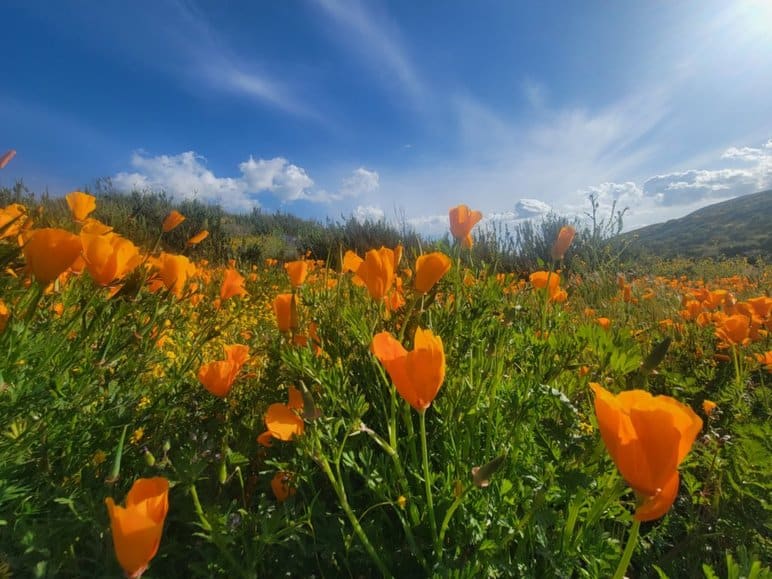
Imagine gazing upon vast fields of vibrant orange, a shimmering carpet stretching across rolling hills under the warm California sun. This breathtaking spectacle, often referred to as a “superbloom,” is one of California’s’ most iconic natural wonders, largely owed to the charismatic California poppy (Eschscholzia californica). For travelers and nature enthusiasts, the urge to immerse oneself in this beauty, perhaps even pluck a single bloom as a memento, can be strong. However, for those captivated by the golden glow, a critical question arises: Is it illegal to pick California poppies? The answer, unequivocally, is yes – and understanding why is crucial for responsible tourism and the preservation of this natural treasure.
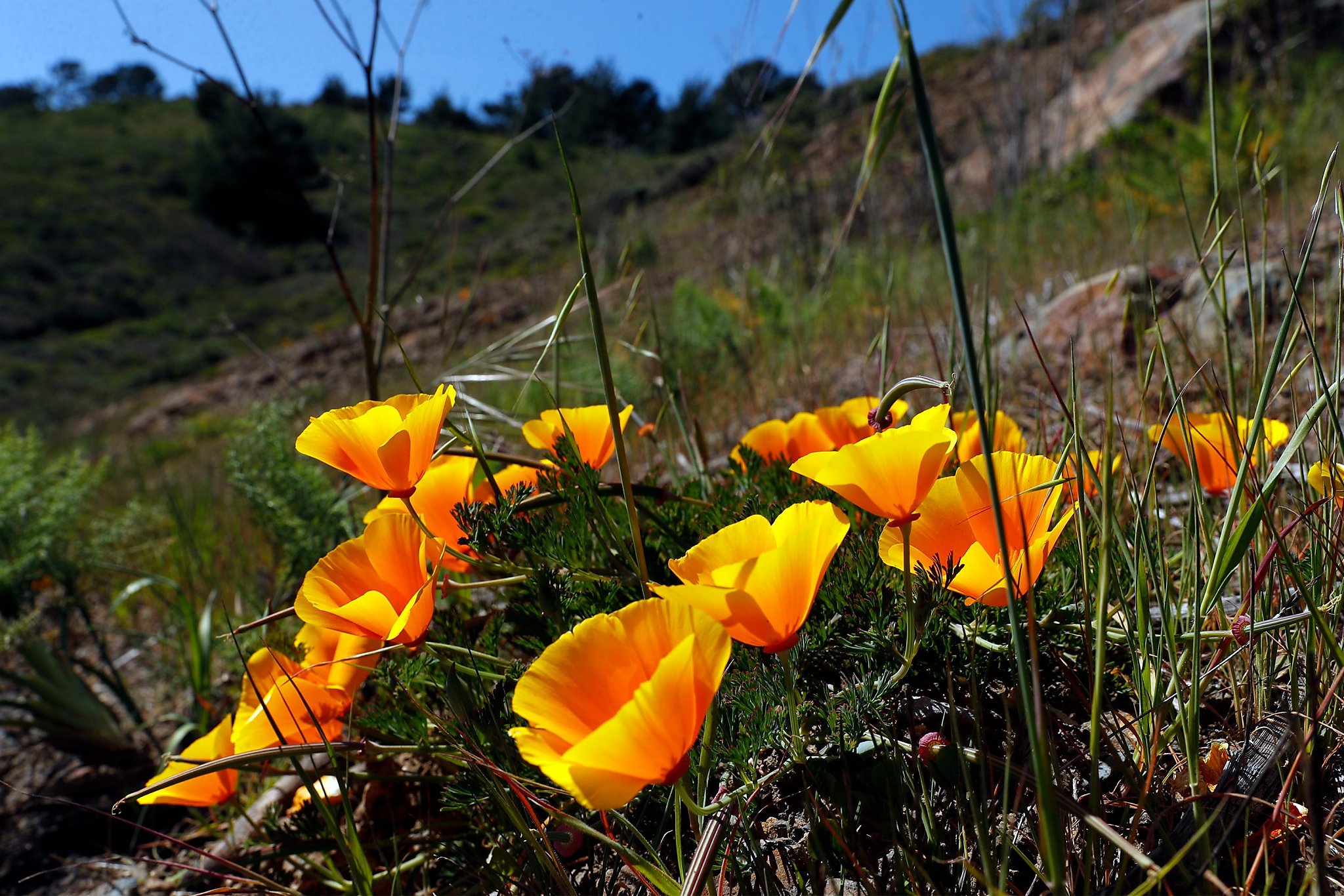
This article delves into the legal, ecological, and cultural reasons behind the protection of the California poppy, guiding you on how to respectfully enjoy these magnificent blooms without infringing on state laws or harming their delicate ecosystem.
The Golden Rule: Understanding California’s Floral Protection Laws
California, a state renowned for its stunning landscapes, from the rugged coastlines bordering the Pacific Ocean to the arid beauty of the Mojave Desert, places immense value on its natural heritage. At the heart of this appreciation lies the California poppy, which holds the distinguished title of the official state flower. This isn’t just a symbolic gesture; it comes with legal protections designed to safeguard its existence.
A Symbol of the Golden State: The California Poppy’s Significance
The California poppy was officially designated as the state flower in 1903, a testament to its widespread presence and cultural importance throughout the Golden State. Its vibrant orange petals are said to symbolize the gold discovered during the California Gold Rush, while its hardiness and adaptability reflect the spirit of the land itself. Beyond its aesthetic appeal, the flower is an integral part of California’s identity, featuring in local folklore, art, and literature. For many, it’s not just a flower; it’s a living emblem of California’s natural beauty and pioneering spirit.
Its prolific blooms, particularly during spectacular “superbloom” years, draw visitors from across the globe, eager to witness nature’s grand display. Destinations like the Antelope Valley California Poppy Reserve become vibrant tapestries of orange, offering unparalleled opportunities for photography and quiet contemplation. This popularity, while a boon for tourism, also underscores the necessity of stringent protective measures to prevent over-eager admirers from inadvertently harming the very beauty they’ve come to witness.
The Legal Ramifications: Fines, Penalties, and Environmental Responsibility
So, what does the law actually say? Under California state law, it is indeed illegal to pick, destroy, or possess the California poppy (or any other native plant) on public lands. This includes state parks, national parks (like Death Valley National Park or Yosemite National Park), designated wilderness areas, and even along roadsides. The rationale is simple: these flowers belong to everyone and play a vital role in their natural habitat.
The penalties for violating these laws can range from a few hundred dollars for a first offense to significantly higher fines and even potential jail time for repeat offenders or those who cause large-scale destruction. For instance, sections of the California Penal Code and regulations enforced by entities like the California Department of Parks and Recreation and the National Park Service explicitly prohibit the removal of flora. These aren’t just obscure rules; they are actively enforced, especially during superbloom events when large crowds can inadvertently cause damage.
While the law primarily targets public lands, it’s also important to note that picking flowers on private land without the owner’s explicit permission is also illegal and constitutes trespassing. The only real exceptions to these rules are for landowners collecting poppies on their own private property, approved scientific research, or plants grown in cultivated gardens. For the vast majority of visitors, the message is clear: observe, admire, and photograph, but do not touch or pick.
More Than Just a Flower: Ecological Importance and Conservation Efforts
The decision to protect the California poppy goes far beyond its beauty or symbolic status. It’s deeply rooted in ecological principles and the broader imperative to conserve biodiversity. Understanding its role in the ecosystem helps us appreciate why its protection is so critical.
The Poppy’s Role in a Thriving Ecosystem
The California poppy is not an isolated entity; it is a fundamental component of the delicate ecosystem it inhabits. Its bright, cup-shaped flowers are a crucial source of nectar and pollen for a myriad of native pollinators, including bees, butterflies, and other insects. These pollinators, in turn, are essential for the reproduction of countless other plant species, many of which form the base of the food web for larger wildlife. By providing sustenance for these creatures, the poppy indirectly supports the health and survival of birds, small mammals, and even larger predators.
Furthermore, the extensive root systems of poppy fields play a significant role in soil stabilization, particularly in areas prone to erosion, such as hillsides and desert margins. During heavy rains, these roots help to hold the soil in place, preventing landslides and protecting water quality by reducing runoff. The annual cycle of blooming, dying back, and reseeding also contributes to the organic matter in the soil, enriching it for future plant growth.
When poppies are picked, their lifecycle is disrupted. Each flower picked means one less opportunity for the plant to produce seeds. Over time, large-scale picking can significantly reduce the seed bank in the soil, leading to fewer blooms in subsequent years. This not only diminishes the visual spectacle but also starves pollinators and destabilizes the local environment. It’s a domino effect where a seemingly small act of picking a single flower can have far-reaching consequences for the entire ecosystem.
Why Conservation Matters: Protecting Biodiversity for Future Generations
The conservation of the California poppy is part of a larger, global effort to protect biodiversity. Biodiversity, the variety of life on Earth, is essential for the health of ecosystems and, ultimately, for human well-being. Each species, no matter how small or seemingly insignificant, plays a role in the intricate web of life. Losing even one species can have unpredictable and often negative impacts on the entire system.
In California, a biodiversity hotspot, conservation efforts are paramount. The state is home to numerous endemic species – plants and animals found nowhere else on Earth – making its unique ecosystems particularly vulnerable to disruption. Organizations like the California Environmental Protection Agency (CalEPA) and the California Department of Fish and Wildlife work tirelessly to enforce laws that protect native flora and fauna, recognizing their intrinsic value and their importance for ecological resilience.
By enforcing laws against picking poppies, California is not just protecting a pretty flower; it’s safeguarding the intricate relationships that sustain its natural landscapes. This commitment ensures that future generations, both locals and visitors, will also have the opportunity to experience the awe-inspiring beauty of a superbloom and witness the thriving biodiversity that makes California such a special place. For those who prioritize sustainable travel and responsible tourism, respecting these conservation efforts is a fundamental part of the journey.
Experiencing California’s Superblooms Responsibly: A Tourist’s Guide
For travelers planning a visit to California during the spring, experiencing a superbloom can be a highlight of their trip. To ensure these natural wonders remain for years to come, responsible tourism is key. This means not only adhering to the laws but also embracing an ethos of minimal impact.
Where to Witness the Magic: Iconic Poppy Viewing Destinations
While poppies can appear in many parts of California following sufficient rainfall, some locations are particularly famous for their spectacular displays and are specifically managed for public viewing. The most renowned is the Antelope Valley California Poppy Reserve near Lancaster. This state natural reserve is dedicated solely to the preservation of the California poppy and other native wildflowers. It features well-maintained trails, visitor centers, and interpretive exhibits, making it an ideal place to learn about the flowers and observe them without causing harm.
Other notable locations that often boast impressive poppy displays include parts of Anza-Borrego Desert State Park, particularly in years of exceptional rainfall, and the Carrizo Plain National Monument, which offers vast, undeveloped landscapes for a truly immersive experience. While less poppy-centric, other national parks and state parks throughout California may also showcase beautiful patches of wildflowers, including poppies. Always check local conditions and bloom reports before you go, as superbloom events are highly dependent on weather patterns.
Practicing “Leave No Trace” for Sustainable Tourism
The principles of “Leave No Trace” are essential for anyone visiting natural areas, and they are particularly pertinent when witnessing a superbloom. These principles guide outdoor ethics and aim to minimize human impact on the environment. When applied to poppy viewing, they are straightforward:
- Plan Ahead and Prepare: Research the locations, weather conditions, and regulations before you go. Understand that popular spots might be crowded, especially during peak bloom.
- Travel and Camp on Durable Surfaces: This is crucial. Always stay on marked trails and designated viewing areas. Do not walk into poppy fields, as even a single footstep can crush plants, compact soil, and create barren patches that may take years to recover. “Poppy selfies” taken while lying or standing within the fields are incredibly damaging and highly discouraged.
- Dispose of Waste Properly: Pack it in, pack it out. This includes all trash, food scraps, and anything else you bring with you. Leave the area cleaner than you found it.
- Leave What You Find: This is the most critical rule for poppies. Do not pick flowers, collect seeds, rocks, or any other natural objects. Allow everything to remain in its natural environment. “Take only pictures, leave only footprints” is the mantra, with the caveat that even footprints should be confined to designated paths.
- Minimize Campfire Impacts: While perhaps less relevant for a daytime poppy visit, if you are camping nearby, ensure campfires are allowed and built in established rings, and extinguished completely.
- Respect Wildlife: Observe animals from a distance. Do not approach, feed, or disturb them.
- Be Considerate of Other Visitors: Everyone is there to enjoy the natural beauty. Be respectful of others’ experiences, keep noise levels down, and share the trails.
By following these guidelines, visitors contribute to the preservation of these magnificent landscapes, ensuring that the magic of California’s superblooms can be enjoyed by generations to come. Responsible tourism not only protects the environment but also enhances the visitor experience, fostering a deeper connection with nature.
Beyond the Poppy: Protecting California’s Diverse Flora
While the California poppy receives significant attention, it’s important to remember that it is just one species within a rich tapestry of native plants found across California. The same principles of protection and respect extend to virtually all wild flora within the state’s borders.
Understanding Broader Plant Protection Laws
California has comprehensive laws in place to protect its native plant species, especially those that are rare, endangered, or threatened. The California Native Plant Society, for example, actively advocates for the preservation of the state’s diverse plant life. Many other wildflowers, shrubs, and trees are also protected, and picking them carries similar penalties.
These laws are not unique to California; similar protections exist for native flora in other states across the United States and indeed around the world. For instance, in national parks like Yellowstone National Park or Grand Canyon National Park, visitors are universally prohibited from disturbing or collecting natural objects, including plants. This universal approach reflects a global understanding of the ecological importance of preserving native habitats.
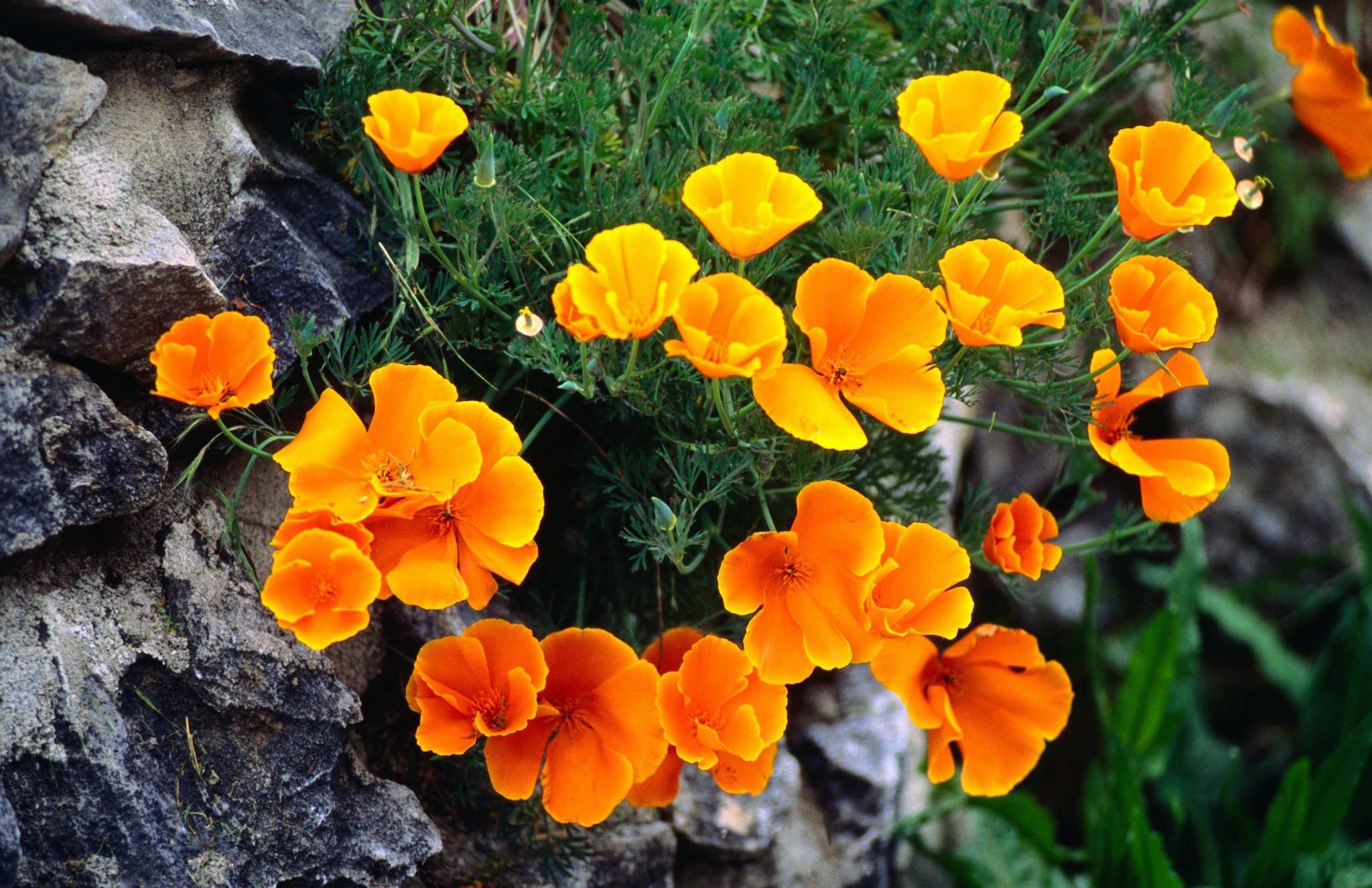
The intent behind these laws is to prevent the depletion of plant populations, protect their genetic diversity, and maintain the ecological functions they perform. Whether it’s the iconic Joshua Trees in the desert, the delicate orchids in coastal forests, or the vast fields of poppies, each plant plays a role. As a traveler, it’s a good practice to assume that any wild plant you encounter in a natural area is protected and should be left undisturbed.
Cultivating Respect: How Tourists and Locals Can Contribute
Cultivating a sense of respect for nature is the most powerful tool for conservation. For tourists, this means being informed, making conscious choices, and serving as advocates for responsible practices.
- Educate Yourself: Before visiting any natural area, learn about its specific regulations and the unique flora and fauna it hosts. Many parks and reserves offer educational materials and ranger programs that deepen understanding and appreciation.
- Support Conservation Efforts: Consider donating to local conservation organizations or volunteering your time if you’re a resident. These groups are at the forefront of protecting California’s natural treasures.
- Spread Awareness: Share your knowledge with friends, family, and fellow travelers. Gently remind others about the importance of staying on trails and not picking flowers. Positive peer influence can be a powerful force for change.
- Choose Sustainable Travel Options: Support businesses and accommodations that demonstrate a commitment to environmental sustainability. This broader approach to travel helps reduce your overall ecological footprint.
In conclusion, while the allure of the California poppy is undeniable, the legal and ecological reasons for not picking them are clear and compelling. By understanding and respecting California’s plant protection laws and embracing the principles of responsible tourism, we can all contribute to safeguarding these breathtaking natural spectacles for the enjoyment and benefit of future generations. So, next time you encounter a field of golden poppies, let your eyes feast on their beauty, capture their essence with your camera, but leave them undisturbed, allowing them to continue their vital role in the vibrant tapestry of the Golden State.
LifeOutOfTheBox is a participant in the Amazon Services LLC Associates Program, an affiliate advertising program designed to provide a means for sites to earn advertising fees by advertising and linking to Amazon.com. Amazon, the Amazon logo, AmazonSupply, and the AmazonSupply logo are trademarks of Amazon.com, Inc. or its affiliates. As an Amazon Associate we earn affiliate commissions from qualifying purchases.