
The allure of Hawaii has captivated travelers for generations, beckoning with its pristine beaches, volcanic landscapes, and vibrant culture. For many on the United States mainland, particularly those residing in California, the question isn’t if they’ll visit, but how to get there, and perhaps most fundamentally, “How far is Hawaii from California?” The answer, while geographically straightforward, unlocks a world of travel planning considerations, from flight durations and time zones to the logistics of a truly unforgettable island escape.
At its closest point, the distance between the continental United States (specifically, the coast of California) and the Hawaiian Islands is approximately 2,300 to 2,400 miles (3,700 to 3,860 kilometers). This vast expanse of the Pacific Ocean is a significant journey, one that transforms a typical domestic trip into an exciting oceanic adventure. Understanding this distance is the first step in planning a seamless and enriching Hawaiian vacation, whether you’re seeking a luxurious resort experience, an adventurous outdoor exploration, or a deep dive into local culture.
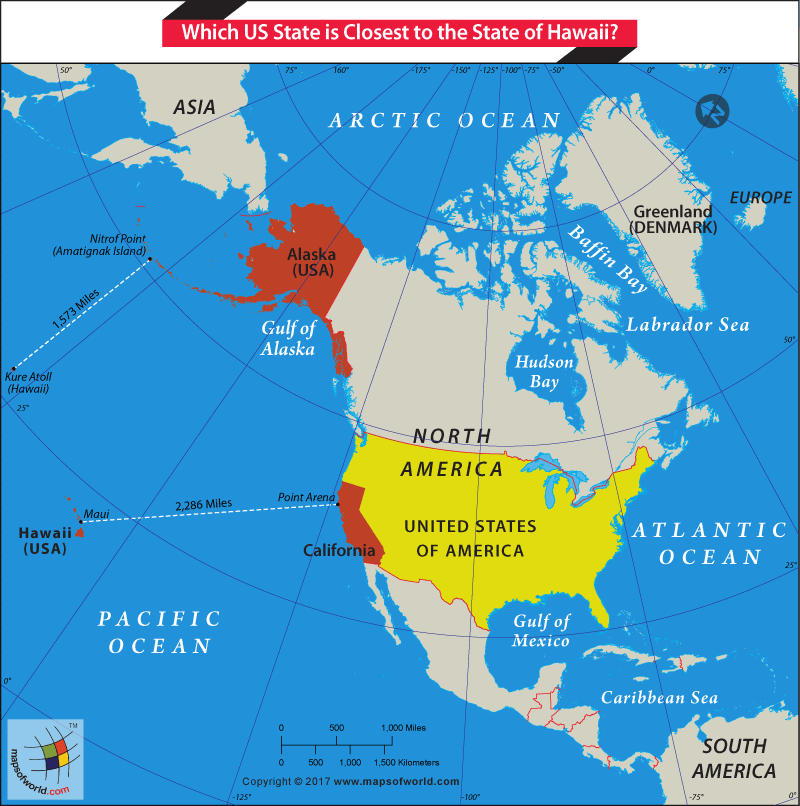
The Geographic Truth: Unpacking the Distance Across the Pacific
The journey from California to Hawaii is not a short hop across a state line; it’s a transatlantic-esque voyage across a significant portion of the world’s largest ocean. This geographical reality dictates much about the travel experience, from the mode of transport to the time commitment involved.
Nautical Miles vs. Air Miles: Pinpointing the Exact Span
When we talk about distance over water, nautical miles are often used, with one nautical mile being slightly longer than a regular mile (approximately 1.15 statute miles). However, for air travel, the more commonly understood statute miles (or kilometers) are typically referenced.
The exact distance can vary depending on your specific departure city in California and your arrival island in Hawaii. Here are some common examples:
- Los Angeles (LAX) to Honolulu (Oahu): Approximately 2,550 miles (4,100 km). This is one of the most popular routes.
- San Francisco (SFO) to Honolulu (Oahu): Roughly 2,390 miles (3,850 km). San Francisco is slightly closer than Los Angeles to the northernmost Hawaiian islands.
- San Diego (SAN) to Honolulu (Oahu): Approximately 2,620 miles (4,215 km). Being further south, San Diego represents a slightly longer journey.
- Los Angeles (LAX) to Kahului (Maui): Around 2,480 miles (3,990 km). Travel to the outer islands often involves similar or slightly shorter distances depending on their position relative to the mainland.
These distances highlight that while Hawaii feels like a distant paradise, it’s a consistently accessible one from major California hubs. The journey itself is an integral part of the travel experience, building anticipation for the moment you step off the plane into the warm, fragrant Hawaiian air.
The Vast Pacific Ocean: A Natural Barrier and a Gateway
The Pacific Ocean serves as both a natural barrier and the magnificent pathway to Hawaii. This vast body of water is why air travel is the predominant method for reaching the islands. It also underscores the isolation that has allowed Hawaii to develop its unique ecosystems and indigenous culture, making it a truly distinct destination.
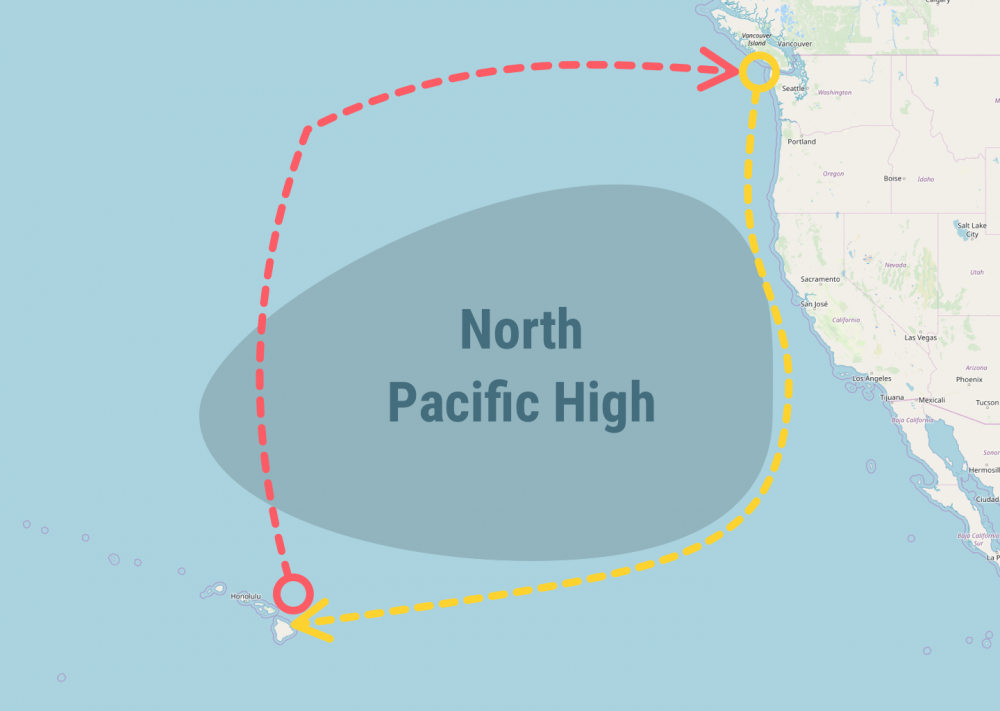
For travelers, the ocean journey means several hours airborne, offering a chance to disconnect, relax, and transition into vacation mode. The flight path typically takes you southwest from California, passing over nothing but endless blue water until the first emerald peaks of the Hawaiian archipelago appear on the horizon. This sense of crossing a great ocean amplifies the feeling of arriving somewhere truly special and remote, a world away from the hustle and bustle of mainland life.
Bridging the Gap: Travel Time and Methods to Reach Paradise
Understanding the distance is one thing, but knowing how long it takes to traverse that distance is what truly informs travel plans. While the raw mileage might seem daunting, modern travel methods have made Hawaii surprisingly accessible, especially from the West Coast of the United States.
Air Travel: The Most Common Journey
For the vast majority of visitors, flying is the only practical way to get to Hawaii. Direct flights from major California cities are plentiful, making the journey relatively straightforward and efficient.
- Flight Durations: A typical non-stop flight from Los Angeles (LAX) or San Francisco (SFO) to Honolulu (HNL) on Oahu generally takes between 5 to 6 hours. Flights to other major Hawaiian airports, such as Kahului Airport on Maui, Kona International Airport on the Big Island, or Lihue Airport on Kauai, are of similar duration, often just a few minutes more or less depending on the specific flight path and destination.
- Airlines: Numerous major carriers offer direct flights, including Hawaiian Airlines, United Airlines, Delta Air Lines, American Airlines, and Southwest Airlines. The competition among these airlines often translates to competitive pricing, especially during off-peak seasons.
- The Experience: Modern aircraft make the journey comfortable. Many flights offer in-flight entertainment, Wi-Fi, and meal services, allowing travelers to relax, catch up on movies, or even get a head start on planning their island activities. The anticipation builds as the cabin lights dim for landing, and the first glimpses of volcanic peaks and turquoise waters emerge.
Cruising the Pacific: A Slower, Scenic Route
For those who prefer a more leisurely journey and view the travel itself as part of the vacation, a cruise from California to Hawaii offers an enchanting alternative. While considerably longer than flying, it provides a unique way to experience the vastness of the Pacific Ocean.
- Cruise Durations: Most cruises from California ports like Los Angeles or San Diego to Hawaii typically last 10 to 15 days. This includes several days at sea for the transatlantic crossing and then multiple stops at various Hawaiian islands.
- Ports of Call: Cruises often visit Honolulu (Oahu), Kahului (Maui), Kailua-Kona or Hilo on the Big Island, and Nawiliwili (Kauai), allowing passengers to experience several islands without the hassle of inter-island flights or packing and unpacking.
- The Experience: Cruising offers a luxurious and all-inclusive way to travel. Guests can enjoy fine dining, entertainment, swimming pools, spas, and various onboard activities as they sail. It’s a fantastic option for families, couples, and those seeking a relaxed pace and a stress-free way to explore multiple destinations. The journey becomes the destination, complete with stunning ocean views and the gradual approach to the islands.
Time Zone Differences: Adjusting to Island Time
An often-overlooked aspect of the California to Hawaii journey is the significant time difference. Hawaii observes Hawaii Standard Time (HST), which does not use daylight saving.
- During Standard Time (Winter Months): Hawaii is 2 hours behind Pacific Standard Time (PST). So, if it’s 10:00 AM in Los Angeles, it’s 8:00 AM in Honolulu.
- During Daylight Saving Time (Summer Months): Hawaii is 3 hours behind Pacific Daylight Time (PDT). So, if it’s 10:00 AM in Los Angeles, it’s 7:00 AM in Honolulu.
This time difference means you “gain” time on your flight over, arriving earlier local time than when you departed. However, it also means a slight adjustment period for your body clock, a common experience for travelers from the mainland, though usually less severe than adjusting to transatlantic shifts. Planning for a relaxed first day can help ease into “island time.”
Planning Your Hawaiian Escape: Logistics and Lifestyle
Beyond the journey itself, the significant distance to Hawaii influences every aspect of trip planning, from choosing the right accommodation to budgeting for activities and immersing oneself in the local culture. It’s a destination that warrants thoughtful preparation to maximize the experience.
Accommodation Choices Across the Islands
Hawaii offers a spectrum of accommodation options, catering to every travel style and budget. Whether you’re planning a luxurious honeymoon, a fun-filled family vacation, or a budget-conscious adventure, there’s a perfect place to stay.
- Luxury Resorts and Hotels: Famous for world-class service and stunning beachfront locations, resorts like the Four Seasons on Maui or the Ritz-Carlton on Kapalua offer exquisite suites, multiple swimming pools, gourmet dining, and often private beach access. These are perfect for those seeking a pampered, all-inclusive experience. On Oahu, Waikiki Beach is lined with iconic hotels like the Moana Surfrider or the Royal Hawaiian, blending historic charm with modern amenities.
- Boutique Hotels and Villas: For a more intimate and personalized experience, boutique hotels or private villa rentals offer unique charm and often provide deeper insights into local living. These options are popular on islands like Kauai or Lanai, providing tranquility away from the major tourist hubs. Villas are particularly excellent for long-term stays or family trips, offering spacious layouts, kitchens, and private amenities.
- Apartments and Condos: Ideal for budget-conscious travelers, families, or those planning an extended stay, self-catering apartments and condos provide flexibility and cost savings on dining. Websites specializing in vacation rentals offer a wide selection across all islands, from bustling Waikiki to serene Kailua-Kona.
- Hostels and Budget-Friendly Options: Even with a modest budget, Hawaii is accessible. Hostels, particularly in Honolulu, offer dormitory-style accommodation and private rooms, fostering a communal atmosphere for solo travelers or backpackers. Camping, where permitted, also offers an incredibly immersive and affordable way to experience Hawaii’s natural beauty.
Booking in advance, especially during peak season, is always recommended to secure the best rates and availability. Reviews and comparison tools online are invaluable resources for finding the perfect fit for your travel style and budget.
Embracing Local Culture and Attractions
Hawaii is more than just beautiful scenery; it’s a vibrant tapestry of Polynesian traditions, rich history, and unique activities. The distance traveled makes embracing this local culture even more rewarding.
- Historical and Cultural Landmarks: Explore Pearl Harbor on Oahu to understand a pivotal moment in American history. Visit the Iolani Palace, the only official residence of royalty in the United States, to delve into the Hawaiian monarchy. Witness a traditional Luau to experience local music, hula dancing, and authentic Hawaiian cuisine.
- Natural Wonders: Hike to the summit of Diamond Head for panoramic views of Waikiki. Drive the scenic Road to Hana on Maui, navigating lush rainforests and waterfalls. Witness the spectacular cliffs of the Na Pali Coast on Kauai from a helicopter or boat tour. Explore the volcanic landscapes and active lava flows (when present) at Hawaii Volcanoes National Park on the Big Island. Snorkel with vibrant marine life in countless coral reefs, or learn to surf on the legendary waves of Waikiki or the North Shore of Oahu.
- Food and Drink: Savor local delicacies like poke, shave ice, kalua pig, and fresh seafood. Explore farmer’s markets for exotic fruits and local crafts. Experience farm-to-table dining that showcases Hawaii’s agricultural bounty.
Tours and activities can be booked in advance online, which is often a good strategy for popular attractions, especially for family trips or group travel. This ensures availability and allows for a more structured itinerary.
Budgeting for Your Dream Trip
Considering the distance, a trip to Hawaii is an investment, but it’s one that can be tailored to various budgets. Strategic planning can make paradise more accessible.
- Flights: Airfare is typically the largest single expense. Prices fluctuate based on season, airline, and how far in advance you book. Flying during the shoulder seasons (spring or fall) or booking well in advance can yield significant savings. Flexibility with travel dates also helps.
- Accommodation: As mentioned, options range from luxury resorts to budget hostels. Consider vacation rentals for longer stays or larger groups. Staying slightly away from prime beachfront areas can also reduce costs without sacrificing convenience.
- Transportation: While rental cars are highly recommended for exploring islands like Maui or the Big Island, public transport options exist on Oahu (TheBus). Inter-island flights are necessary if you plan to visit multiple islands, adding to the overall cost.
- Food: Dining out in Hawaii can be expensive. Balance fine dining experiences with local eateries, food trucks, and grocery store purchases. Self-catering accommodation can save a lot on food costs.
- Activities: Many natural attractions like beaches and hiking trails are free. Budget for paid activities such as surfing lessons, snorkeling tours, luaus, or helicopter rides, which offer unique experiences.
Whether you’re planning a luxury escape, a budget-friendly adventure, or a memorable family trip, a clear understanding of costs will help you plan a fulfilling journey without overspending.
Maximizing Your Hawaiian Experience
With the significant travel investment from California, it’s crucial to make the most of your time in Hawaii. Thoughtful planning and understanding the nuances of island travel will enhance your journey.
Best Time to Visit
While Hawaii is a year-round destination, certain periods offer distinct advantages:
- Peak Season (Mid-December to March, June to August): These are the busiest and most expensive times, coinciding with winter holidays and summer vacations. Expect higher prices for flights and accommodation, and more crowds at popular attractions. However, the weather is generally excellent, and the winter months bring whale watching season.
- Shoulder Season (April to May, September to Mid-December): These periods often offer the best balance of good weather, fewer crowds, and more affordable prices. The ocean is calm, ideal for swimming and snorkeling, and you can find better deals on travel packages and hotels.
- Weather Considerations: Generally, Hawaii enjoys pleasant temperatures year-round. The “rainy season” (November to March) typically brings short, scattered showers rather than prolonged downpours, especially on the leeward (west and south) sides of the islands. The windward (east and north) sides tend to be greener and wetter.
Inter-Island Travel
For many visitors, seeing just one island isn’t enough. The beauty of Hawaii lies in the diversity of its islands, each offering a distinct experience.
- Flights: Inter-island flights are the most common way to travel between Oahu, Maui, Kauai, and the Big Island (Hawaii Island). Hawaiian Airlines and Southwest Airlines are the primary carriers, offering frequent, short flights (typically 20-45 minutes). Booking these flights in advance, especially if traveling during peak times, is crucial.
- Ferries: A ferry service connects Maui to Lanai and Molokai, offering a scenic and more intimate way to explore these smaller islands. There is no public ferry service between the main four larger islands.
- Planning Multiple Islands: If you plan to visit multiple islands, factor in travel time between them, including airport transfers and security checks. It’s often recommended to spend at least 4-5 days on each island to truly experience its unique charm without feeling rushed.

Conclusion
The question “How far is Hawaii from California?” reveals a distance of roughly 2,300 to 2,600 miles, making it a significant journey across the Pacific Ocean. While not a quick trip, modern air travel has made this distance conquerable in just 5-6 hours, opening the door to a world of unparalleled beauty and cultural richness. From the vibrant city life and historical landmarks of Oahu to the romantic beaches of Maui, the dramatic landscapes of Kauai, and the volcanic wonders of the Big Island, Hawaii promises an experience far greater than the miles traveled.
Planning your Hawaiian escape involves more than just booking a flight; it’s about choosing the right accommodation, immersing yourself in the local lifestyle and attractions, and budgeting wisely for your dream trip. Whether you opt for a luxurious resort, a cozy villa, or a budget-friendly apartment, the islands offer endless opportunities for adventure, relaxation, and cultural exploration. The journey from California to Hawaii is a passage to paradise, and with careful planning, it will undoubtedly be one of the most rewarding travel experiences of your life. So, pack your bags, embrace the spirit of Aloha, and prepare to discover the magic that awaits just a few hours across the azure Pacific.
LifeOutOfTheBox is a participant in the Amazon Services LLC Associates Program, an affiliate advertising program designed to provide a means for sites to earn advertising fees by advertising and linking to Amazon.com. Amazon, the Amazon logo, AmazonSupply, and the AmazonSupply logo are trademarks of Amazon.com, Inc. or its affiliates. As an Amazon Associate we earn affiliate commissions from qualifying purchases.