
Venturing into the vibrant landscapes of Florida, often dubbed the Sunshine State, promises an unforgettable journey filled with sun-kissed beaches, thrilling theme parks, rich history, and diverse natural wonders. From the magical realms of Orlando to the Art Deco splendor of Miami and the serene shores of the Gulf Coast, this jewel of the United States offers a multitude of experiences for every type of traveler. However, one often-overlooked yet crucial detail for seamless travel planning is understanding the local time. While America spans multiple time zones, Florida itself uniquely straddles two, making a quick check of the clock an essential step for anyone visiting or conducting business in the state.
Knowing the precise time is more than just a matter of punctuality; it’s fundamental to orchestrating your entire travel itinerary. From coordinating flight arrivals and hotel check-ins to scheduling theme park visits, dining reservations, and connecting with loved ones back home, a clear understanding of Florida’s time zones ensures your trip unfolds without a hitch. This comprehensive guide will illuminate the complexities of time in the Sunshine State, helping you navigate its dual time zones with ease and make the most of your Florida adventure.
Navigating Florida’s Time Zones: A Traveler’s Essential Guide
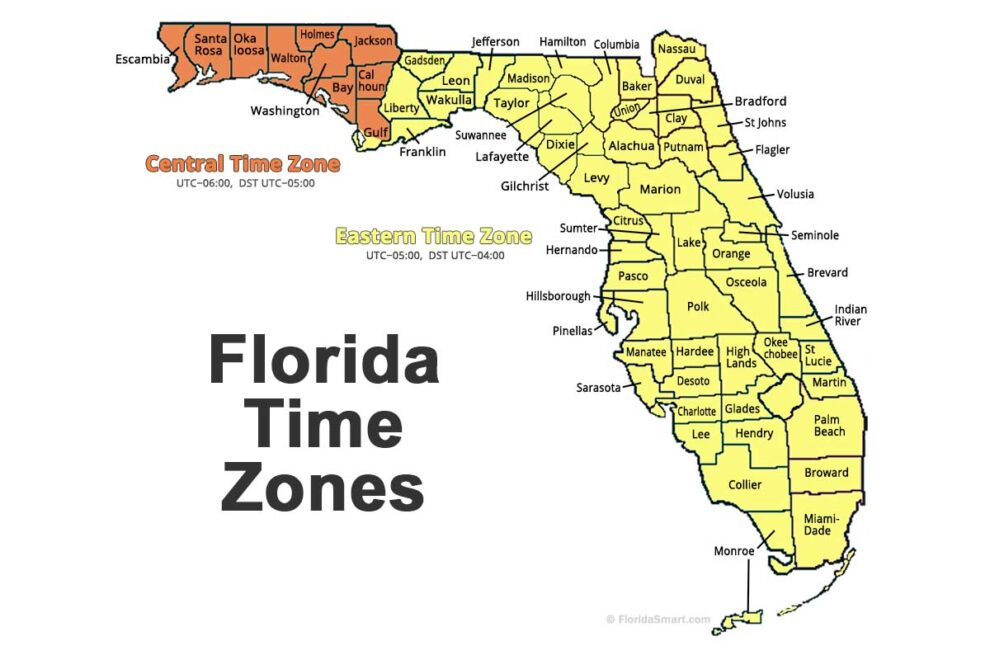
Florida’s geographical expanse, particularly its elongated shape, is the primary reason it falls under two distinct time zones. While the vast majority of the state operates on one, a significant portion of its westernmost region, often referred to as the Florida Panhandle, adheres to another. Understanding this division is the first step in mastering time in Florida.
Eastern Standard Time (EST) / Eastern Daylight Time (EDT)
The predominant time zone across Florida is Eastern Standard Time (EST) during the winter months and Eastern Daylight Time (EDT) during Daylight Saving Time. This covers the vast majority of the state’s population centers and most sought-after tourist destinations. When people generally refer to “Florida time,” they are almost always referring to EST/EDT.
This time zone is five hours behind Coordinated Universal Time (UTC-5) during standard time and four hours behind (UTC-4) during daylight saving. All major metropolitan areas, including the bustling hubs of Miami, Orlando, Tampa, Jacksonville, Fort Lauderdale, Key West, and the state capital, Tallahassee, are firmly within the EST/EDT zone. This simplifies planning for most visitors, as the state’s most famous landmarks and attractions, such as the Walt Disney World Resort and Universal Studios Florida, adhere to these hours. Whether you’re planning a sunrise stroll on South Beach or an evening show in Orlando, you’ll be operating on Eastern Time.
Central Standard Time (CST) / Central Daylight Time (CDT)
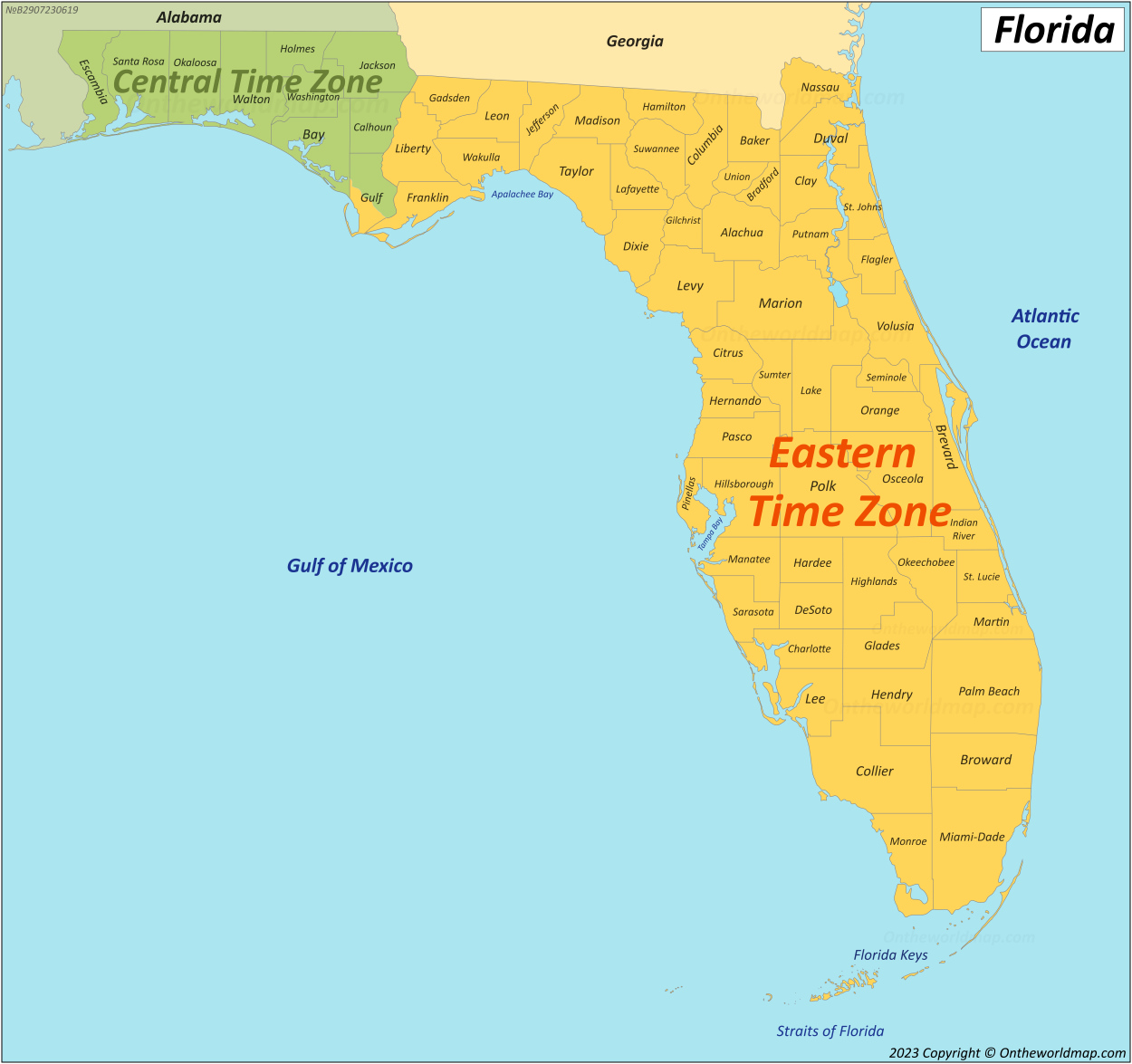
The exception to Florida’s Eastern Time dominance lies in its northwestern region, specifically the Florida Panhandle. A handful of counties in this area observe Central Standard Time (CST) in winter and Central Daylight Time (CDT) during Daylight Saving Time. This means they are an hour behind the rest of Florida.
The counties that fall into the CST/CDT zone include Bay, Calhoun, Escambia, Holmes, Jackson, Okaloosa, Santa Rosa, Walton, and Washington. Cities like Pensacola and Panama City, renowned for their stunning white-sand beaches and vibrant coastal culture, operate on Central Time. This geographical demarcation means that a short drive across county lines in the panhandle can literally transport you into a different hour. For travelers exploring the diverse landscapes from the historic streets of St. Augustine on the Atlantic Coast to the serene beaches of Pensacola, being aware of this shift is paramount to avoiding missed appointments or confusion, especially when coordinating activities or communicating with people in other parts of the state.
The Impact of Daylight Saving Time
Like most of the United States, Florida observes Daylight Saving Time. This annual tradition involves moving clocks forward by one hour in the spring (“spring forward”) and back by one hour in the fall (“fall back”). This shift typically occurs on the second Sunday in March and the first Sunday in November.
For travelers, Daylight Saving Time means that the time difference relative to other regions of the world might change. For instance, while Florida is UTC-5 during EST, it becomes UTC-4 during EDT. This change can subtly impact international flight schedules, connection times, and the synchronization of electronic devices, particularly if they don’t automatically update. Furthermore, it influences the hours of operation for attractions, museums, and restaurants, which will adjust to the “new” daylight hours, often extending evening activities as the days grow longer. Being mindful of these transitions, especially if your trip spans one of these changeover weekends, is vital for ensuring your plans align with local realities.
Why Understanding Florida’s Time Matters for Your Trip
Beyond mere curiosity, a solid grasp of Florida’s time zones is a practical necessity that can significantly enhance or hinder your travel experience. From the moment you begin planning to your final departure, time plays a silent but pivotal role in every aspect of your journey.
Planning Your Itinerary and Bookings
Accurate time awareness is the bedrock of efficient travel planning. Imagine booking a delightful dinner cruise departing from Panama City at 7 PM, unaware that the rest of your party arriving from Orlando has planned to meet you at 7 PM their time, which is 8 PM Central Time. Such a misunderstanding could lead to missed experiences, frustration, and wasted money.
When reserving flights, always confirm the departure and arrival times with respect to the local time zone of each airport. Hotel check-in and check-out times are strictly enforced, and arriving too early or too late without proper adjustment can lead to waiting periods or extra fees. The operating hours for attractions like Everglades National Park, the Kennedy Space Center Visitor Complex, or even local museums in the Art Deco Historic District in Miami Beach are all dependent on the local time. Double-checking these details with local time in mind prevents disappointment and allows you to optimize your sightseeing schedule. For families especially, coordinating schedules for theme park rides, character greetings, and evening parades at Walt Disney World Resort demands precise time management.
Business and Communication

For business travelers, understanding Florida’s time zones is non-negotiable. Meetings, conference calls, and deadlines must be synchronized precisely with local time to avoid critical errors or missed opportunities. If you’re based in New York and scheduling a call with a client in Tampa, you know you’re both on Eastern Time. However, if that client is in Pensacola, an hour’s difference needs to be factored in.
Furthermore, for any visitor maintaining contact with friends, family, or colleagues in other parts of the world, adjusting your internal clock to Florida’s time is crucial. Sending a message at 9 AM local time might mean waking someone up in a completely different time zone. Being mindful of these differences fosters better communication and respect for others’ schedules.
Health and Well-being: Avoiding Jet Lag
While traveling within the United States might not always involve severe jet lag, significant time zone changes, especially for those arriving from the West Coast or international destinations, can impact your circadian rhythm. Florida’s Eastern Time is three hours ahead of Pacific Time, for example.
Preparing for this shift by gradually adjusting your sleep schedule a few days before departure, staying hydrated, and exposing yourself to natural light upon arrival can help mitigate the effects of jet lag. Understanding the local time from the outset helps you acclimate faster, allowing you to fully enjoy your Florida experience without feeling sluggish or disoriented.
Maximizing Your Florida Experience Across Time Zones
Navigating Florida’s time zones effectively empowers you to unlock the full potential of your trip, ensuring a smooth and stress-free adventure from coast to coast.
Seamless Travel Between Eastern and Central Florida
For those planning an ambitious road trip across the state, particularly one that traverses the Florida Panhandle, the time zone boundary is a crucial point of interest. The transition from Eastern to Central Time typically occurs at the eastern border of Gulf County or at the western border of Franklin County, specifically along the Apalachicola River. A popular crossing point is near the small town of Port St. Joe.
If you’re driving westbound from Tallahassee towards Pensacola, you’ll “gain” an hour as you cross into Central Time, effectively extending your day. Conversely, traveling eastbound from Pensacola towards Jacksonville means you’ll “lose” an hour. It’s advisable to set your smartphone to automatically update its time zone, but also keep a traditional watch or car clock as a backup, especially in areas with spotty cell service. Confirming local times when making reservations for restaurants or accommodations in transitional zones is a smart practice to prevent any scheduling conflicts. This awareness allows for seamless exploration of both the bustling Atlantic Coast and the tranquil Gulf Coast beaches.
Local Culture and Rhythms
Understanding local time is also about immersing yourself in the destination’s rhythm. The timing of local events, festivals, dining rushes, and even the daily commute is dictated by the time zone. Early bird specials at restaurants, sunset cruises, and the opening acts at live music venues are all scheduled according to the local clock.
In the Eastern Time zone, expect cities like Miami and Orlando to have vibrant nightlife extending well into the late hours, while in the Central Time zone, particularly in smaller coastal towns, the pace might be slightly more relaxed, with activities often wrapping up earlier. Aligning your schedule with these local rhythms allows for a more authentic and enjoyable cultural experience, whether you’re exploring the historic charm of St. Augustine or the pristine beauty of Amelia Island.
Beyond Time: Essential Travel Tips for Florida
While knowing the time is paramount, a truly magnificent Florida vacation encompasses a broader range of considerations, aligning with the diverse offerings you’d expect from a premier travel and lifestyle destination.
Optimal Timing for Your Visit: Beyond the hour of the day, consider the best time of year for your trip. Florida boasts distinct seasons. The dry, mild winter months (November to April) are ideal for enjoying the beaches and outdoor activities without the intense heat and humidity of summer. However, this is also peak season, meaning higher prices for accommodation and more crowded attractions. Summer (May to October) brings the heat, humidity, afternoon thunderstorms, and hurricane season, but also offers lower prices and fewer crowds, especially at theme parks.
Accommodation Choices for Every Lifestyle: Florida’s range of lodging options is as varied as its landscapes. From luxurious five-star resorts in Palm Beach and family-friendly hotels near Walt Disney World Resort to charming boutique hotels in Key West and secluded vacation rentals along the Emerald Coast, there’s something to suit every budget and preference. Booking well in advance, especially for peak season travel, is highly recommended to secure your ideal stay.
Getting Around the Sunshine State: A car is often the most convenient way to explore Florida, especially if you plan to visit multiple destinations or venture beyond major city centers. Major airports like Orlando International Airport (MCO) and Miami International Airport (MIA) offer extensive car rental options. For urban exploration, ride-sharing services and public transport are available in larger cities.
Embracing Florida’s Diverse Tourism Offerings: Florida isn’t just about beaches and theme parks. Dive into the rich history of St. Augustine, paddle through the serene mangroves of the Everglades National Park, or explore the vibrant arts scene in Sarasota. The state offers countless opportunities for local culture immersion, culinary adventures, and outdoor pursuits. Ensure you allocate time in your itinerary for these enriching experiences.
Packing Essentials: Regardless of the time of year, sun protection is crucial. Pack sunscreen, hats, sunglasses, and lightweight clothing. Swimsuits are a must, as are comfortable walking shoes for exploring theme parks or nature trails. During the summer, rain gear or an umbrella can be handy for afternoon showers.
In conclusion, while the allure of Florida lies in its endless sunshine and diverse attractions, a fundamental understanding of “What is the time in America, Florida?” is the key to unlocking a truly seamless and enjoyable journey. By recognizing the state’s dual time zones and the impact of Daylight Saving Time, you can plan your itinerary with precision, communicate effectively, and acclimate gracefully. With this knowledge, coupled with an awareness of broader travel tips, you’re well-equipped to experience the best that the Sunshine State has to offer, from the bustling Eastern seaboard to the tranquil Florida Panhandle. Safe travels!
LifeOutOfTheBox is a participant in the Amazon Services LLC Associates Program, an affiliate advertising program designed to provide a means for sites to earn advertising fees by advertising and linking to Amazon.com. Amazon, the Amazon logo, AmazonSupply, and the AmazonSupply logo are trademarks of Amazon.com, Inc. or its affiliates. As an Amazon Associate we earn affiliate commissions from qualifying purchases.