
For many, the mention of Hawaii conjures images of pristine beaches, lush tropical landscapes, and the warm embrace of the aloha spirit. It’s a dream destination, a paradise seemingly adrift in the vast Pacific Ocean. But this very allure often sparks a practical question: just how far is Hawaii from the continental United States mainland? The answer lies in its unique geographical position, a remoteness that has shaped its culture, biodiversity, and the very nature of travel to its shores.
Understanding the distance is more than just a matter of miles; it’s about appreciating the journey, planning for a significant travel experience, and ultimately, realizing that the reward of experiencing one of the world’s most breathtaking archipelagos far outweighs the transit. As a premier destination for travel, tourism, and luxurious accommodation, Hawaii stands as a testament to the fact that some of the greatest experiences require a bit of an adventure to reach.
The Geographical Reality: Distances and Islands
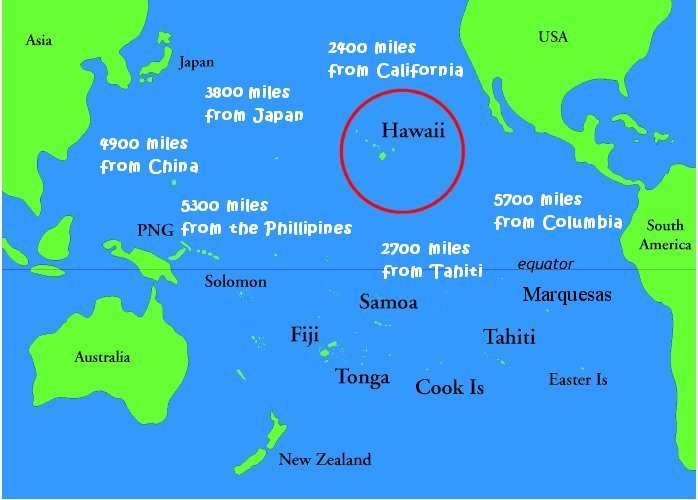
Hawaii holds the distinction of being the most isolated population center on Earth, a fact that contributes significantly to its unique ecosystems and cultural identity. It’s an archipelago of volcanic origin, born from a hotspot in the Earth’s mantle, lying thousands of miles from any major landmass.
Measuring the Miles: East to West
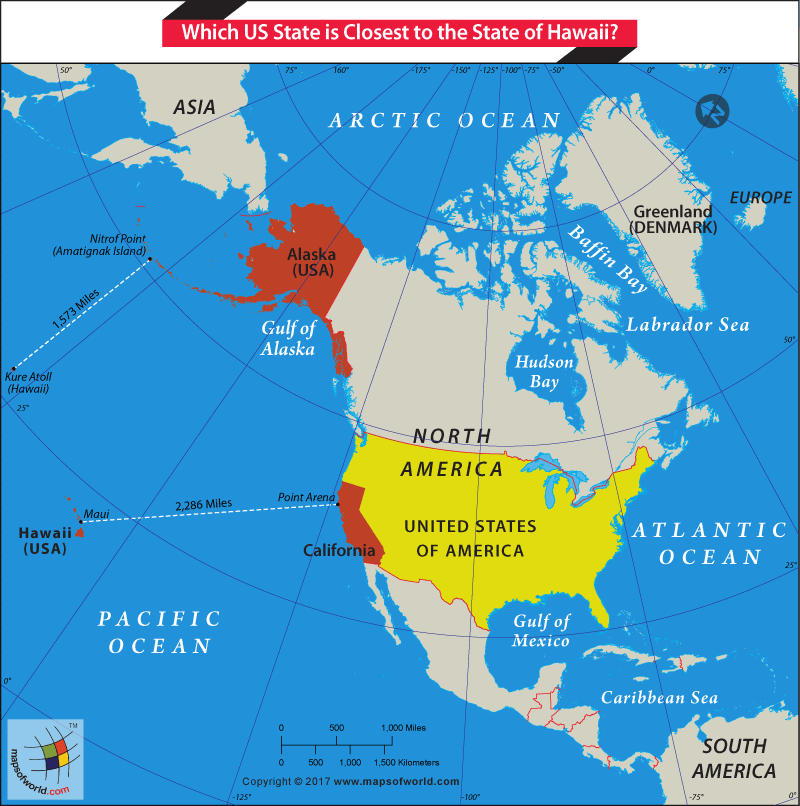
The shortest distance from the United States mainland to Hawaii is from the West Coast. Specifically, the approximate air distance from San Francisco, California, to Honolulu, Oahu, is about 2,390 miles (3,846 kilometers). From Los Angeles, California, to Honolulu, the distance is roughly 2,550 miles (4,104 kilometers).
These distances are substantial, equivalent to traveling across many European countries or crossing the continental United States from coast to coast. This significant oceanic gap is what makes a trip to Hawaii feel like a true escape to another world, rather than just another state. It’s a journey that takes you far from the everyday, into a realm where the rhythms of nature and the spirit of aloha dictate the pace of life.
The Hawaiian Archipelago: An Overview
The state of Hawaii is made up of hundreds of islands and islets stretching over 1,500 miles, but there are eight main islands at the southeastern end of the chain. These are, from west to east: Niihau, Kauai, Oahu, Molokai, Lanai, Kahoolawe, Maui, and the Island of Hawaii (often called the Big Island). Each island offers its own unique charm, attractions, and experiences, contributing to the rich tapestry of Hawaiian tourism.
- Oahu: Home to the capital city of Honolulu and the iconic Waikiki Beach, Oahu is the most populated and a hub for diverse travel experiences. From the historical significance of Pearl Harbor to the legendary surf breaks of the North Shore, it balances urban sophistication with natural beauty.
- Maui: Known as “The Valley Isle,” Maui is celebrated for its stunning beaches, the scenic Hana Highway, and the majestic sunrise views from Maui’s Haleakala National Park volcano. It’s a favored destination for those seeking both adventure and relaxation, with a plethora of resorts and luxury accommodations.
- Island of Hawaii (Big Island): The youngest and largest of the islands, it boasts diverse climates and active volcanoes within Hawaii Volcanoes National Park, including Kilauea and Mauna Loa. It’s also home to the towering Mauna Kea and offers black sand beaches, vibrant coral reefs, and a rich history, with distinct regions like Kona and Hilo offering unique appeals.
- Kauai: Nicknamed “The Garden Isle,” Kauai is characterized by its dramatic cliffs, emerald valleys, and cascading waterfalls. The breathtaking Na Pali Coast and the vast Waimea Canyon are natural landmarks that draw adventurers and nature lovers.
- Molokai and Lanai: These smaller islands offer a more secluded and authentic Hawaiian experience, focusing on tranquility, natural beauty, and a slower pace of life, often chosen for luxury travel or intimate getaways.
The Nearest Mainland Point: California
While the phrase “the mainland” can refer to any part of continental North America, for Hawaii travel, it almost exclusively refers to the contiguous United States. The closest proximity is indeed the West Coast, with cities like San Francisco, Los Angeles, Seattle, and Phoenix serving as primary departure points. This geographical reality means that travelers from the East Coast or Midwest will undertake an even longer journey, often involving a connecting flight on the mainland before embarking on the oceanic leg to the islands.
Bridging the Distance: Travel Considerations
The significant distance to Hawaii necessitates careful planning, particularly concerning transportation. Air travel is overwhelmingly the most practical and popular method, transforming what was once a multi-day ocean voyage into a matter of hours.
Air Travel: The Primary Mode
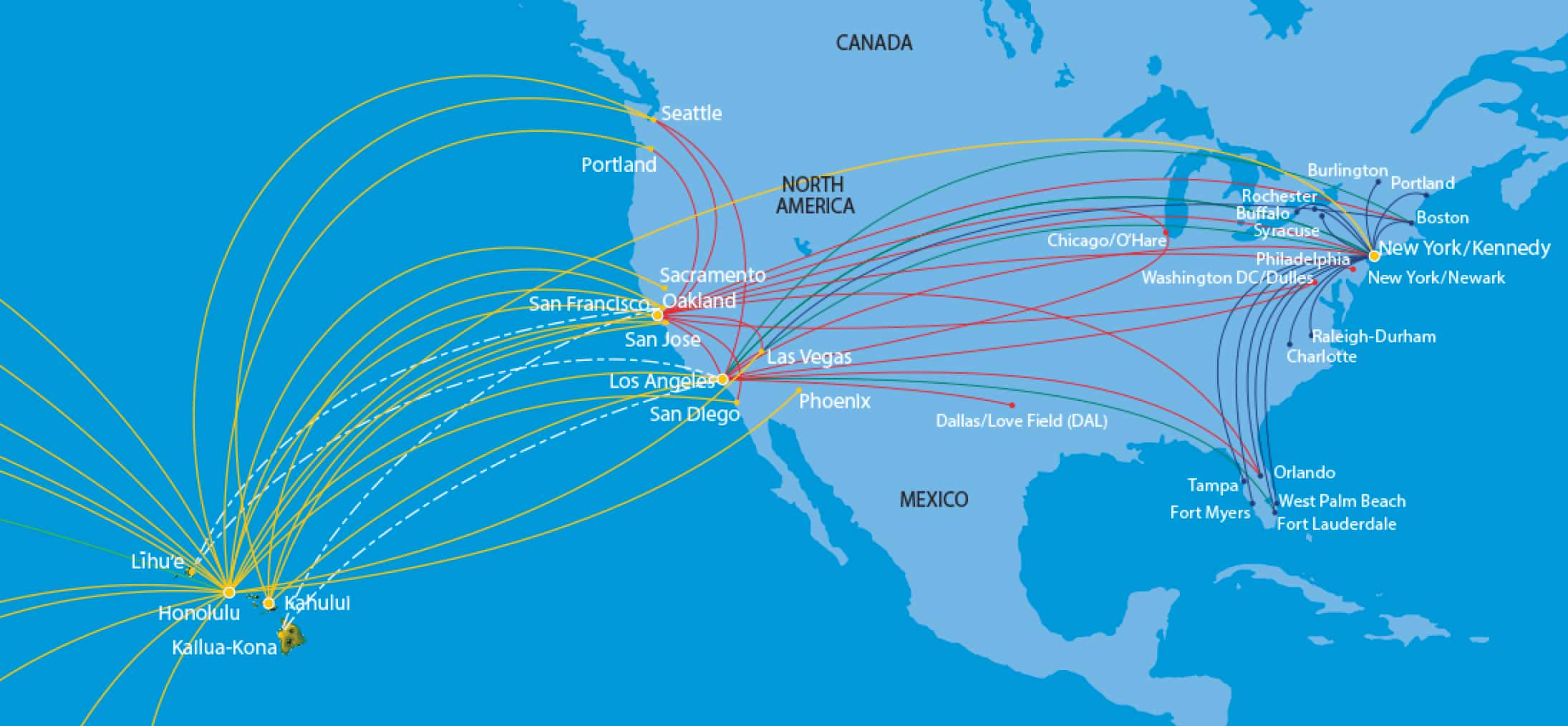
Commercial aviation has made Hawaii accessible to millions of visitors each year, fundamentally shaping the state’s tourism industry. A wide array of airlines offers direct flights to Honolulu International Airport (HNL) on Oahu, Kahului Airport (OGG) on Maui, Kona International Airport (KOA) and Hilo International Airport (ITO) on the Island of Hawaii, and Lihue Airport (LIH) on Kauai.
Major carriers like Hawaiian Airlines, United Airlines, Delta Airlines, American Airlines, Southwest Airlines, and Alaska Airlines all provide extensive service, making it relatively easy to find flights from various mainland cities. The competition among these airlines often leads to competitive pricing, especially for those who plan their trips well in advance and are flexible with their dates. Exploring different flight options and utilizing flight comparison tools are key tips for securing the best deals, whether you’re planning a budget travel adventure or a more opulent lifestyle escape.
Flight Durations and Major Gateways
The duration of a flight to Hawaii varies significantly depending on your departure city.
- West Coast (e.g., Los Angeles, San Francisco, Seattle): Direct flights typically range from 5 to 6 hours. This is the shortest and most frequent route, acting as the primary gateway for many.
- Mountain West (e.g., Denver, Phoenix, Las Vegas): Flights can take approximately 7 to 8 hours, often with direct options available.
- Midwest (e.g., Chicago, Dallas): Expect flight times of 8 to 9 hours for direct routes.
- East Coast (e.g., New York City, Atlanta): The longest flights, often 10+ hours for direct services, or considerably longer with connections. For East Coast travelers, a stopover on the West Coast can sometimes break up the journey and make the overall travel experience more comfortable, particularly for family trips.
These durations highlight that a trip to Hawaii is not a short hop; it’s an investment of time, but one that promises an unparalleled payoff in terms of destination.
Preparing for the Journey
Given the flight duration, preparation is key for a comfortable journey.
- Time Zones: Hawaii observes Hawaii Standard Time (HST) and does not practice daylight saving time. This means a significant time difference with the mainland (Hawaii is 2 hours behind Pacific Time in winter, 3 hours in summer; 5 hours behind Eastern Time in winter, 6 hours in summer). Be prepared for potential jet lag, especially on your return journey.
- In-flight Comfort: Long flights call for comfortable clothing, entertainment (movies, books), and staying hydrated. Many airlines now offer Wi-Fi, but a digital detox can also be a wonderful way to begin your Hawaiian escape.
- Packing: Aside from beachwear, consider light layers for evenings, comfortable shoes for exploring, and reef-safe sunscreen to protect Hawaii’s delicate marine ecosystems. Don’t forget any necessary medications and chargers for your devices.
Experiencing Hawaii: Beyond the Journey
Once the journey across the Pacific is complete, a world of unparalleled beauty and unique experiences awaits. Hawaii is not just a destination; it’s a vibrant tapestry woven with rich local culture, breathtaking natural landmarks, and endless opportunities for adventure and relaxation.
Iconic Destinations and Natural Wonders
Each island offers a distinct flavor, but certain attractions are quintessential Hawaiian experiences:
- Oahu: Beyond Waikiki Beach and Pearl Harbor, hike to the summit of Diamond Head for panoramic views, visit the serene Byodo-In Temple, or delve into history at Iolani Palace, the only official residence of royalty in the United States. The Polynesian Cultural Center offers an immersive journey into Polynesian traditions.
- Maui: Drive the iconic Hana Highway, explore the artist town of Paia, or witness the awe-inspiring sunrise from the summit of Haleakala. Maui is also a prime location for whale watching during winter months.
- Island of Hawaii: Discover the active volcanoes of Hawaii Volcanoes National Park, snorkel with manta rays in Kona, or explore the lush waterfalls and botanical gardens near Hilo.
- Kauai: Take a boat tour or helicopter ride along the majestic Na Pali Coast, hike through the “Grand Canyon of the Pacific” at Waimea Canyon, or experience the natural beauty of Kauai’s Fern Grotto.
These landmarks and attractions are more than just sights; they are gateways to understanding the diverse beauty and geological marvels of the islands.
Accommodation: From Luxury Resorts to Boutique Stays
Hawaii’s accommodation scene is as diverse as its landscapes, catering to every type of traveler and lifestyle preference. Whether you’re seeking ultimate luxury, a family-friendly environment, or a secluded romantic retreat, you’ll find it here.
- Luxury Hotels and Resorts: The islands boast world-class resorts offering unparalleled amenities, from infinity pools and spa services to private beach access and gourmet dining. Examples include the Four Seasons Resort Maui at Wailea, the Grand Hyatt Kauai Resort & Spa, The Kahala Hotel & Resort in Honolulu, and The Ritz-Carlton, Kapalua on Maui. These properties often provide comprehensive guides and experiences to their guests, embodying the essence of luxury travel.
- Boutique Hotels and Villas: For those seeking a more intimate or culturally immersive stay, numerous boutique hotels and privately owned villas offer personalized service and unique charm. These often provide a deeper connection to the local culture and community.
- Family-Friendly Resorts: Destinations like Disney Aulani Resort on Oahu are specifically designed for family trips, offering extensive kids’ programs, themed pools, and activities for all ages.
- Vacation Rentals and Apartments: For long-term stays, larger groups, or those preferring self-catering options, vacation rentals, including fully equipped apartments and homes, are widely available across the islands. Booking platforms allow for easy comparison and access to reviews.
Immersing in Hawaiian Culture and Cuisine
A trip to Hawaii is incomplete without engaging with its vibrant local culture and delectable food.
- Aloha Spirit: This isn’t just a greeting; it’s a way of life that emphasizes love, peace, compassion, and mutual respect. Embrace it by being open to new experiences, respectful of the land (aina) and people, and willing to learn.
- Luaus: Attend a traditional luau for an evening of authentic Hawaiian cuisine, hula dancing, and storytelling. It’s a fantastic way to experience the communal joy and rich traditions.
- Hawaiian Food: Indulge in local delicacies such as poi, poke, kalua pig, fresh seafood, and tropical fruits. Explore local markets and small eateries for an authentic taste of the islands. From casual plate lunches to fine dining, Hawaii’s culinary scene is a delightful fusion of Polynesian, Asian, and American influences.
Activities and Adventures for Every Traveler
Whether you’re an adrenaline junkie or seeking serene relaxation, Hawaii offers a myriad of activities.
- Water Activities: Surfing, snorkeling, scuba diving, stand-up paddleboarding, kayaking, and sailing are popular choices. The warm, clear waters are teeming with marine life, making snorkeling and diving particularly rewarding experiences.
- Land Adventures: Hiking through lush rainforests to hidden waterfalls, exploring volcanic landscapes, horseback riding, ziplining, or golfing on world-class courses. The diverse terrain offers endless opportunities for exploration.
- Wellness and Relaxation: Many resorts offer luxurious spa treatments inspired by Hawaiian traditions. Yoga retreats, meditation sessions, and simply lounging on a pristine beach provide ample opportunities for rejuvenation.
Planning Your Hawaiian Escape
The distance to Hawaii might seem daunting, but careful planning transforms it into a seamless and unforgettable travel experience.
Best Time to Visit and Budgeting Tips
- Peak Season: Mid-December to March (winter) and June to August (summer) are generally the busiest and most expensive times, coinciding with school holidays and colder weather on the mainland. Booking accommodations and flights far in advance is crucial during these periods.
- Shoulder Seasons: April to May and September to November often offer pleasant weather, fewer crowds, and potentially better deals on flights and hotels. This is an ideal time for budget travel or those seeking a more tranquil visit.
- Budgeting Tips: Hawaii can be an expensive destination. To manage costs, consider package deals (flight + hotel), utilize vacation rentals with kitchenettes, take advantage of free activities like hiking and beach days, and explore local eateries. Inter-island travel can add significantly to the cost, so plan which islands you want to visit thoughtfully.
Inter-Island Travel and Exploration
Once in Hawaii, exploring multiple islands is highly recommended to appreciate the full breadth of its beauty. Inter-island flights are frequent and relatively short, typically lasting 20-45 minutes. Hawaiian Airlines and Mokulele Airlines are the main carriers for these routes.
- Oahu to Maui: A popular route, offering a change of pace from urban vibrancy to tranquil beaches and volcanic landscapes.
- Oahu to Kauai: Ideal for nature lovers seeking lush scenery and dramatic coastlines.
- Maui to the Island of Hawaii: Experience two very different sides of Hawaii – the serene beauty of Maui and the raw, volcanic power of the Big Island.
Planning your itinerary to include one or two main islands, with perhaps a day trip to another, can maximize your experience without making your trip feel rushed.
In conclusion, the distance between Hawaii and the mainland is significant, ranging from approximately 2,400 to over 5,000 miles, depending on the departure point. This isolation is precisely what makes Hawaii such a captivating and unique destination. It’s a journey that takes you far from the familiar, into a land where natural beauty, vibrant culture, and warm hospitality converge. Despite the miles, modern air travel makes this paradise remarkably accessible, transforming a once formidable voyage into an exciting prelude to an unforgettable Hawaiian adventure. For those seeking an escape that truly feels like a world away, Hawaii remains the ultimate choice, a testament to the allure of destinations that transcend mere geography.
LifeOutOfTheBox is a participant in the Amazon Services LLC Associates Program, an affiliate advertising program designed to provide a means for sites to earn advertising fees by advertising and linking to Amazon.com. Amazon, the Amazon logo, AmazonSupply, and the AmazonSupply logo are trademarks of Amazon.com, Inc. or its affiliates. As an Amazon Associate we earn affiliate commissions from qualifying purchases.