
The vast expanse of the Pacific Ocean serves as a majestic bridge between two of the world’s most iconic archipelagos: Hawaii and Japan. For travelers looking to traverse this blue frontier, understanding the distance is about more than just mileage; it is about bridging cultures, time zones, and drastically different landscapes. While they are separated by thousands of miles of open sea, the connection between these two destinations is one of the most significant travel corridors in the world.
Bridging the Pacific: The Geographic Distance and Flight Realities
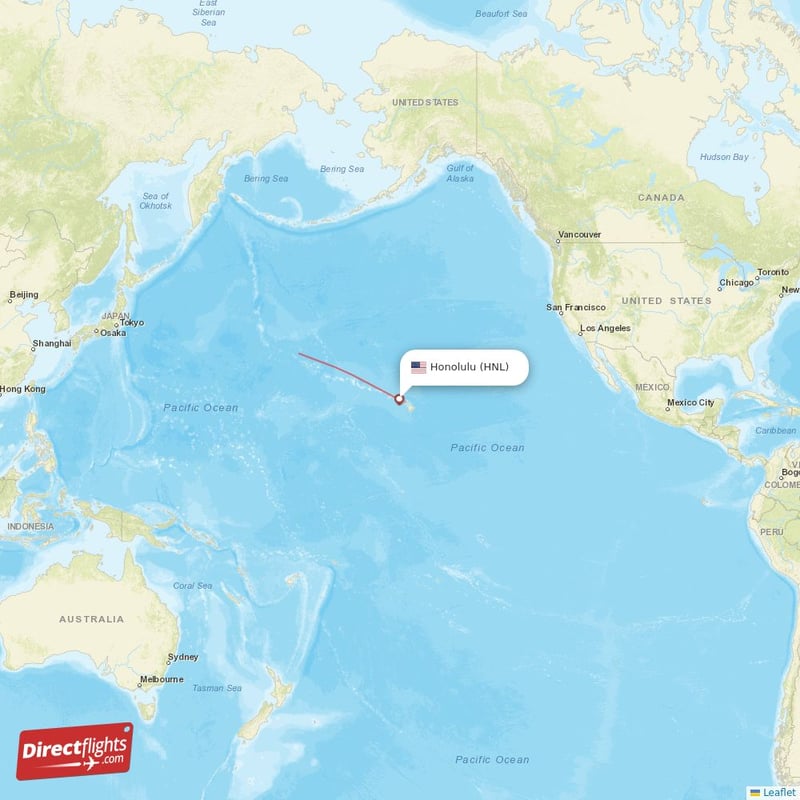
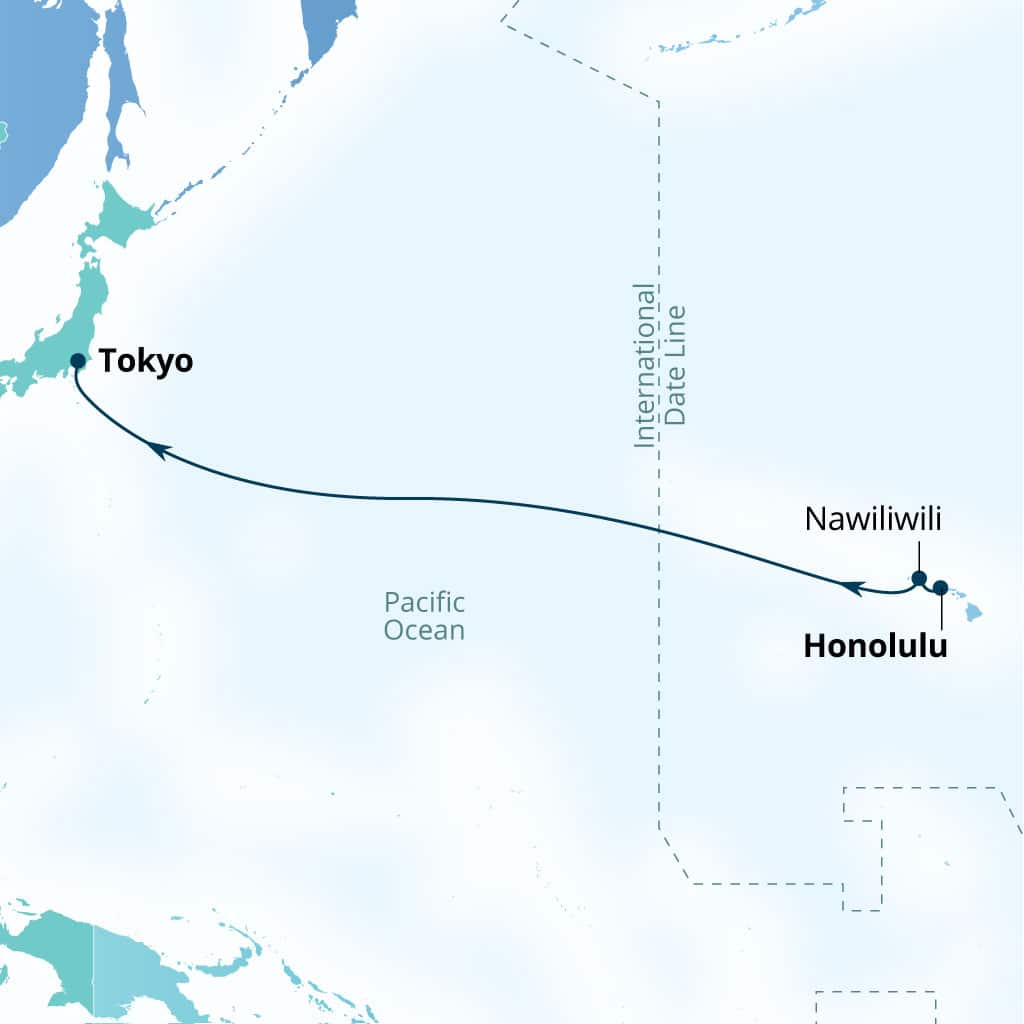
When asking how far Hawaii is from Japan, the answer depends on which islands you are measuring. Geographically, the distance from Honolulu on the island of Oahu to Tokyo is approximately 3,850 miles (6,196 kilometers). This distance represents roughly one-sixth of the Earth’s circumference, emphasizing the sheer scale of the Pacific Ocean.

Flight Durations and the Jet Stream
For the modern traveler, this distance translates into a flight of roughly 7.5 to 9 hours. However, the duration varies significantly depending on the direction of travel due to the prevailing winds, specifically the jet stream. When flying from Japan to Hawaii, the flight is typically shorter, often clocking in around 7 hours and 30 minutes, as the aircraft is pushed along by tailwinds. Conversely, the return journey from Honolulu to Narita International Airport or Haneda Airport can take upwards of 8.5 to 9.5 hours as the plane fights against those same winds.
The International Date Line
One of the most fascinating aspects of traveling between Hawaii and Japan is the crossing of the International Date Line. When traveling west toward Asia, you essentially “lose” a day, arriving in Japan the day after you departed. On the return trip to the United States, the opposite occurs; travelers often find themselves arriving in Honolulu at an earlier local time than when they left Tokyo, effectively gaining a day and experiencing the ultimate form of “time travel.”
Major Gateways: Navigating the Hubs of the Pacific
The primary gateway for this trans-Pacific journey is the Daniel K. Inouye International Airport in Honolulu. As the busiest airport in Hawaii, it serves as the central nervous system for flights arriving from and departing to the Far East.
Japan’s Primary Entry Points
On the Japanese side, most travelers will find themselves landing at one of three major international hubs. Narita International Airport, located just outside Tokyo, has historically handled the bulk of international traffic. However, Haneda Airport, situated much closer to the heart of Tokyo, has increasingly become a preferred choice for those looking for a shorter commute to the city center. For those heading to the western regions of Japan, Kansai International Airport near Osaka offers direct connections to Hawaii, providing easy access to Kyoto and the surrounding cultural landmarks.
Inter-Island Connections
While Honolulu is the primary hub, there are also direct flights from Japan to Ellison Onizuka Kona International Airport on the Big Island. This allows travelers to bypass Oahu entirely if they wish to explore the volcanic landscapes of Hawaii Island or the luxury resorts of the Kohala Coast. Similarly, from Japan, once you land at a major hub, the country’s impeccable rail network, including the Shinkansen, makes the rest of the country highly accessible.
Comparing Two Island Nations: From Tropical Paradise to Urban Neon
While the physical distance is vast, the contrast in travel experiences is even greater. Combining both Hawaii and Japan into a single itinerary offers a study in contrasts: the laid-back “Aloha Spirit” versus the disciplined and high-energy “Omotenashi” (Japanese hospitality).
The Hawaiian Experience: Nature and Relaxation
In Hawaii, the focus is often on the natural world. Travelers flock to Waikiki Beach for its world-class surfing and to hike the iconic Diamond Head crater for panoramic views of the coast. On Maui, the Haleakala National Park offers a lunar-like landscape that feels worlds away from the bustling streets of Honolulu. The travel experience here is defined by the rhythm of the ocean and the warmth of the tropical sun.
The Japanese Experience: Tradition and Innovation
Across the ocean, Japan offers a sensory experience unlike any other. In Tokyo, the neon-lit streets of Shinjuku and the bustling Shibuya Crossing showcase a futuristic society. Yet, just a short train ride away in Kyoto, one can find the serene Fushimi Inari Shrine and the historic Gion District, where the traditions of the Edo Period are still palpable. The distance between Hawaii and Japan is a journey from the raw beauty of volcanic islands to the meticulous craftsmanship of ancient temples and modern skyscrapers.
Cultural Synergy: The Deep Connection Between the Regions
The distance between Hawaii and Japan has been bridged by history for over a century. The first Japanese immigrants arrived in Hawaii in 1868, and today, Japanese culture is deeply woven into the fabric of the islands. This shared history makes the long flight feel like a journey between extended family members rather than a trip to a foreign land.
Culinary Fusion and Shared Traditions
Travelers will notice this connection immediately through the food. In Hawaii, the prevalence of “Plate Lunches” often includes staples like macaroni salad alongside Japanese-inspired proteins like Chicken Katsu or Teriyaki. The Spam Musubi, a beloved local snack, is a direct evolution of Japanese Onigiri. Conversely, in cities like Tokyo and Osaka, Hawaiian-themed cafes serving pancakes and acai bowls are incredibly popular, reflecting a mutual fascination and respect.
Historic Sites and Memorials
The relationship is also marked by historical gravity. Pearl Harbor on Oahu is a site of immense significance for both nations. The USS Arizona Memorial attracts millions of visitors annually, including many from Japan who come to pay their respects and reflect on the shared pursuit of peace. Understanding this history adds a layer of depth to the travel experience that transcends mere sightseeing.
Practical Logistics for a Trans-Pacific Adventure
Traveling the 3,800 miles between these two destinations requires careful planning, especially regarding documentation and seasonal timing.
Visa Requirements and Entry
For citizens of the United States traveling to Japan, a visa is typically not required for short-term tourism, though a valid passport is mandatory. For Japanese citizens traveling to Hawaii, the Electronic System for Travel Authorization (ESTA) is a standard requirement under the Visa Waiver Program. Always check the latest government regulations before booking.
Best Times to Travel
The “best” time to bridge the gap between Hawaii and Japan depends on your priorities. If you are looking to experience the famous Cherry Blossoms in Japan, you should aim for late March to early April. This coincides with pleasant, albeit slightly rainy, spring weather in Hawaii.
For those seeking the best beach weather in Hawaii and vibrant autumn foliage in Japan, the months of October and November are ideal. During this window, the summer crowds in Waikiki Beach have thinned, and cities like Kyoto are transformed by brilliant reds and oranges.
Packing for Two Climates
Packing can be a challenge when combining these destinations. Hawaii remains tropical year-round, requiring light clothing, swimwear, and plenty of reef-safe sunscreen. Japan, however, has four distinct seasons. If your trip takes you to Tokyo in the winter, you will need a heavy coat and thermal layers, which might feel out of place when you depart from Honolulu in flip-flops. Layering is the key to managing this trans-Pacific wardrobe.
The Future of Travel Between Hawaii and Japan
As technology advances, the “distance” between Hawaii and Japan continues to shrink. Newer aircraft like the Boeing 787 Dreamliner and the Airbus A350 have made the long-haul flight more comfortable with better cabin pressure and humidity levels, reducing the effects of jet lag.
For the intrepid traveler, the distance is not a barrier but an invitation. Whether you are starting your journey amidst the skyscrapers of Shinjuku or the surf breaks of the North Shore, the journey across the Pacific Ocean remains one of the most rewarding adventures in the world of travel. It is a path that connects the ancient with the modern, the volcanic with the urban, and the United States with Asia in a way that no other route can.
LifeOutOfTheBox is a participant in the Amazon Services LLC Associates Program, an affiliate advertising program designed to provide a means for sites to earn advertising fees by advertising and linking to Amazon.com. Amazon, the Amazon logo, AmazonSupply, and the AmazonSupply logo are trademarks of Amazon.com, Inc. or its affiliates. As an Amazon Associate we earn affiliate commissions from qualifying purchases.