
When embarking on a culinary journey through the heart of American cuisine, certain establishments stand out for their dedication to specific flavors and dining experiences. Texas Roadhouse, a popular chain restaurant known for its lively atmosphere and hearty, hand-cut steaks, has cultivated a distinct identity built, in large part, around its signature seasoning. While the exact proprietary blend remains a closely guarded secret, a deep dive into the restaurant’s philosophy, customer testimonials, and common culinary practices allows us to explore the likely components and the overall flavor profile that makes their steaks so memorable.
The Culinary Philosophy of Texas Roadhouse
At its core, Texas Roadhouse aims to deliver an authentic, down-to-earth dining experience reminiscent of a traditional Texas steakhouse. This philosophy extends beyond the rustic decor and upbeat music to the very preparation of their food. The emphasis is on fresh ingredients, generous portions, and robust, unpretentious flavors. Their steaks are not typically adorned with overly complex sauces or exotic spices; instead, the focus is on enhancing the natural flavor of the high-quality beef. This approach suggests a seasoning blend that is classic, complementary, and designed to highlight, rather than mask, the inherent richness of the meat.
Hand-Cut Steaks and Quality Ingredients
The journey of a Texas Roadhouse steak begins with the selection of quality cuts. While specific suppliers are not publicly disclosed, the chain emphasizes their commitment to hand-cutting steaks daily in each restaurant. This practice ensures freshness and allows for precise trimming and preparation, aiming for optimal texture and flavor. The seasoning applied is the final touch before the steak hits the grill, working in tandem with the beef’s natural marbling and juiciness. The brand’s commitment to a “no frills, just great steaks” ethos further supports the idea that their seasoning is foundational, not fussy.
The Role of Seasoning in Steak Preparation
Seasoning a steak is an art form that balances the desire to enhance flavor with the need to respect the quality of the meat. For a restaurant like Texas Roadhouse, the seasoning must be versatile enough to work across various cuts – from their iconic Ribeye and Sirloin to the Filet Mignon. The typical goal of a steak seasoning is to provide a savory base, a hint of piquancy, and a subtle aromatic complexity. This often involves a blend of common, yet carefully balanced, ingredients.
Deconstructing the Likely Flavor Profile
While the precise recipe for Texas Roadhouse‘s steak seasoning is proprietary, we can infer its components and flavor impact by considering common steak seasoning elements and the restaurant’s overall taste profile. The aim is to create a savory, slightly peppery, and aromatic crust that complements the tender, juicy interior of the steak.
The Savory Foundation: Salt and Garlic
Salt is the undisputed king of steak seasoning. It not only enhances the natural savory flavors of the beef but also helps to create that desirable crust through the Maillard reaction during cooking. For Texas Roadhouse, a generous application of coarse salt, likely kosher salt or sea salt, would provide a satisfying texture and ensure even flavor distribution.
Garlic, in its various forms, is another cornerstone of most steak seasonings. Whether it’s granulated garlic, garlic powder, or even dried minced garlic, it imparts a pungent, savory depth that pairs exceptionally well with beef. It’s highly probable that garlic, in a powdered or granulated form for even application and to avoid burning on the grill, is a significant component of their blend. This provides that unmistakable aromatic savory note that fans have come to expect.
The Piquant Kick: Pepper
Black pepper is the traditional counterpoint to salt and garlic in steak seasoning. A good steak rub typically includes a significant amount of freshly ground black pepper. This adds a subtle heat and a slightly woody, aromatic quality that cuts through the richness of the beef. Texas Roadhouse steaks are known for having a pleasant, well-seasoned “bite,” suggesting that black pepper is used liberally, perhaps a blend of finely and coarsely ground pepper for textural variation.
Aromatic Complexity: Onion and Other Herbs
Beyond the core trio of salt, garlic, and pepper, many steak seasonings incorporate subtle aromatic elements. Onion powder is a common addition, offering a sweeter, milder savory note than garlic, and further enhancing the Maillard reaction. This would contribute to the complex savory crust without being overtly assertive.
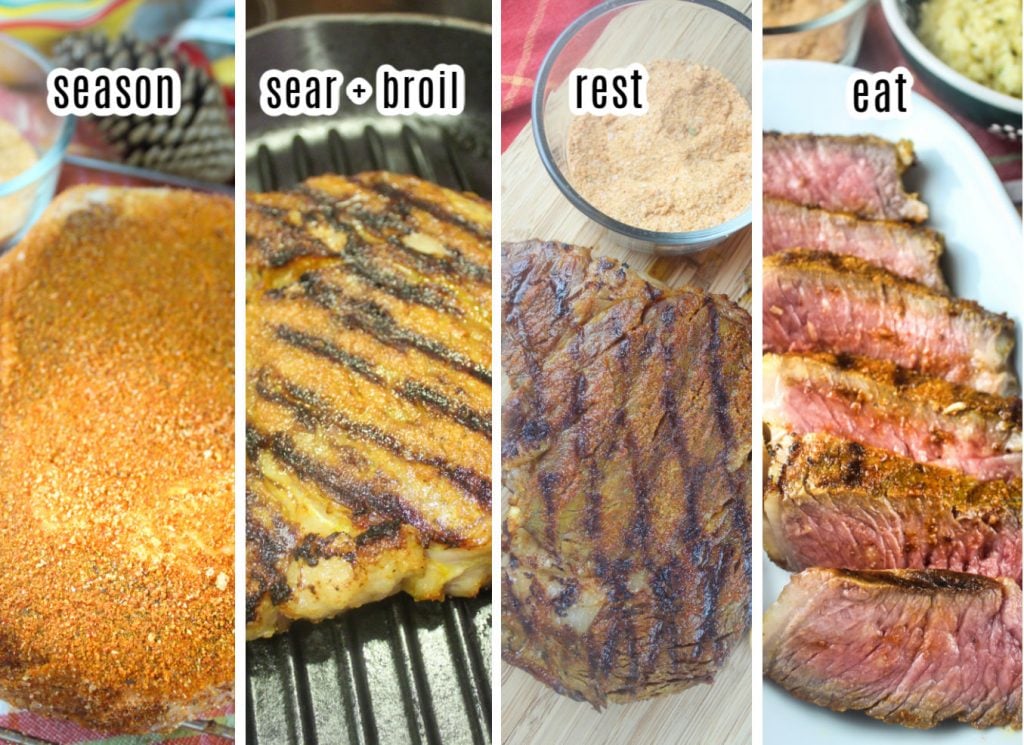
While less definitively confirmed, some speculate that hints of other dried herbs might be present, though likely in very small quantities to avoid overpowering the beef. Common candidates in steak rubs include paprika (for color and a mild sweetness), and perhaps a touch of dried oregano or thyme. Paprika is particularly plausible, as it contributes to the attractive reddish-brown char on the steak. The goal here is not to create a “herbal” steak, but rather to add layers of subtle fragrance and depth that emerge during cooking.
The “Secret” Ingredient: Balance and Quality
The true “secret” of any successful seasoning blend lies not necessarily in a single exotic ingredient, but in the precise balance of common ones and the quality of the raw materials used. For Texas Roadhouse, this balance likely involves ensuring the salt, garlic, and pepper are in harmonious proportion, allowing the beef to shine. The use of high-quality, fresh spices also makes a significant difference in the final flavor. A blend that is too salty will be overwhelming, while one lacking pepper will be bland. The consistent, satisfying flavor across their steak offerings points to a well-tested and finely tuned formula.
The Unseen Magic: How Seasoning Elevates the Experience
The seasoning at Texas Roadhouse is not merely an afterthought; it is an integral part of the dining experience. It transforms a raw cut of beef into a culinary masterpiece that is both comforting and exciting.
Creating the Perfect Crust
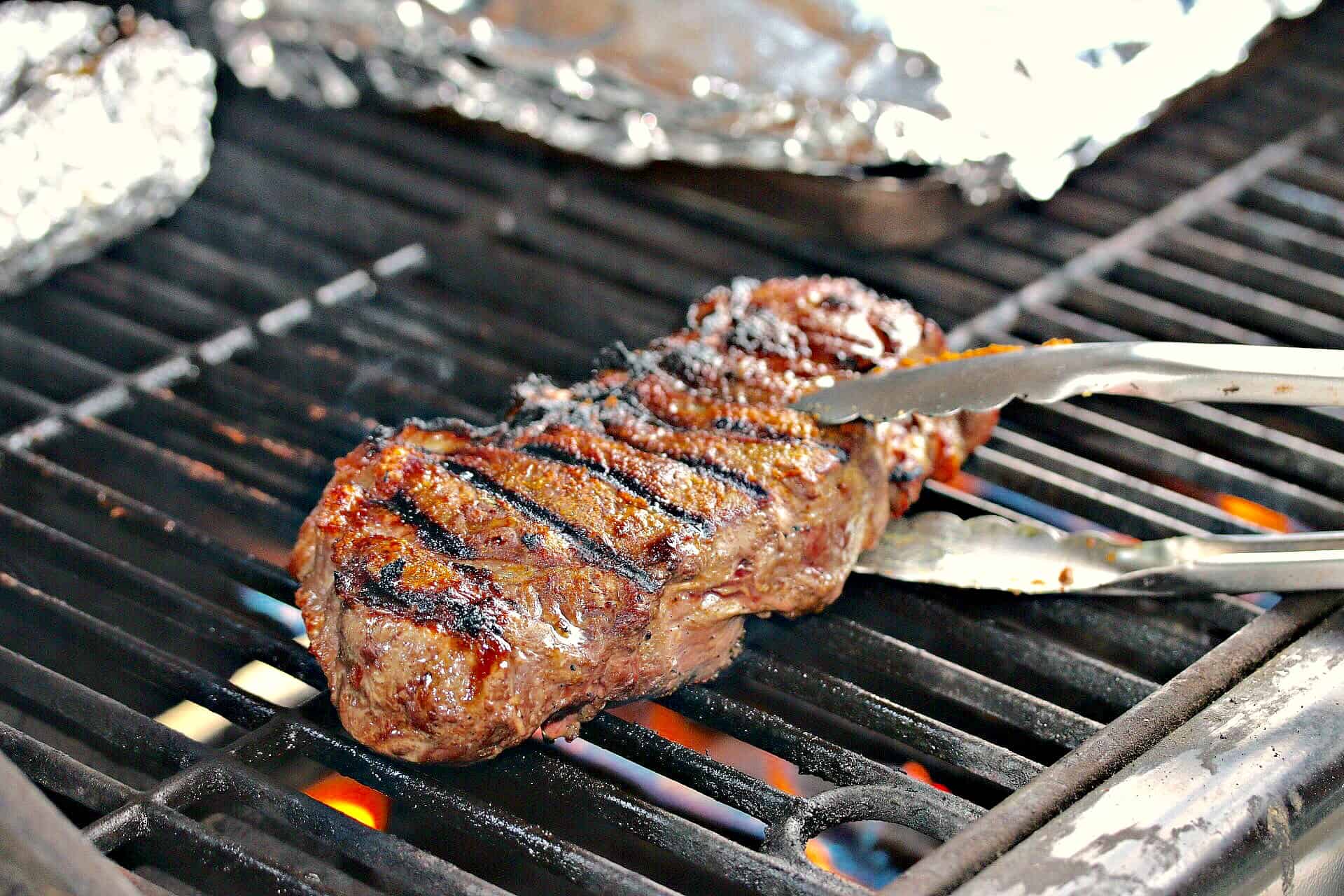
The combination of salt and the moisture from the steak, when applied generously and exposed to the high heat of the grill, initiates the Maillard reaction. This complex chemical process is responsible for the browning of the steak’s surface, developing hundreds of new flavor compounds and creating that highly sought-after savory crust. The ingredients in the seasoning, particularly garlic and onion, also contribute to the color and flavor complexity of this crust. The visible char and the satisfying textural contrast between the crispy exterior and the tender interior are direct results of effective seasoning and proper grilling technique.
Enhancing Natural Flavors
While the seasoning adds its own delicious notes, its primary role is to amplify the inherent richness and umami of the beef. Salt draws out the natural flavors of the meat, while garlic and pepper provide aromatic and pungent counterpoints that make the beef taste even more intensely “beefy.” It’s a synergy where the sum is greater than its parts, with the seasoning acting as a conductor, bringing out the best performance from the steak.
The Sensory Experience
The aroma that wafts from a perfectly seasoned steak grilling at Texas Roadhouse is a critical part of the sensory appeal. The toasty notes of garlic, the sharp fragrance of pepper, and the savory depth of the beef itself create an irresistible invitation to dig in. This olfactory cue primes the palate and enhances the overall enjoyment of the meal, contributing to the lively and convivial atmosphere that the restaurant cultivates.
Beyond the Steak: The Seasoning’s Role in the Texas Roadhouse Brand
The distinct flavor profile of Texas Roadhouse steaks has become a signature element of their brand identity. It’s a key reason why patrons return, seeking that familiar and satisfying taste.
Brand Recognition and Loyalty
In the competitive restaurant industry, unique and consistent flavors are crucial for building brand recognition and customer loyalty. The specific seasoning used on their steaks is a sensory hallmark of Texas Roadhouse. It’s a taste that customers associate with a fun, casual dining experience and a reliable, delicious meal. This familiarity fosters a sense of comfort and trust, encouraging repeat visits.

A Taste of Texas
The name itself, Texas Roadhouse, evokes images of the Lone Star State – wide-open spaces, hearty food, and a welcoming spirit. The steak seasoning, with its robust and straightforward profile, aligns perfectly with this Texan theme. It’s a flavor that speaks to tradition, abundance, and unpretentious quality, reinforcing the restaurant’s brand narrative and appealing to those seeking an authentic taste of American steakhouse culture.
While the exact ingredients remain a delicious mystery, the seasoning at Texas Roadhouse is a testament to the power of a well-crafted, balanced blend of classic ingredients. It’s more than just salt and pepper; it’s the culmination of a culinary philosophy that prioritizes quality, flavor, and the creation of memorable dining experiences, one perfectly seasoned steak at a time.
LifeOutOfTheBox is a participant in the Amazon Services LLC Associates Program, an affiliate advertising program designed to provide a means for sites to earn advertising fees by advertising and linking to Amazon.com. Amazon, the Amazon logo, AmazonSupply, and the AmazonSupply logo are trademarks of Amazon.com, Inc. or its affiliates. As an Amazon Associate we earn affiliate commissions from qualifying purchases.