
The allure of Hawaii is undeniable. A remote archipelago nestled in the heart of the Pacific Ocean, it conjures images of pristine beaches, volcanic landscapes, and the warm embrace of the “Aloha Spirit.” For many, the dream of a Hawaiian getaway begins with a simple, yet profound question: “How far is Hawaii?” While the answer can be measured in miles and flight hours, the true distance to this tropical paradise also encompasses a journey of anticipation, planning, and cultural immersion. Understanding the geographical expanse is just the first step in unlocking the myriad experiences that await in the Aloha State.
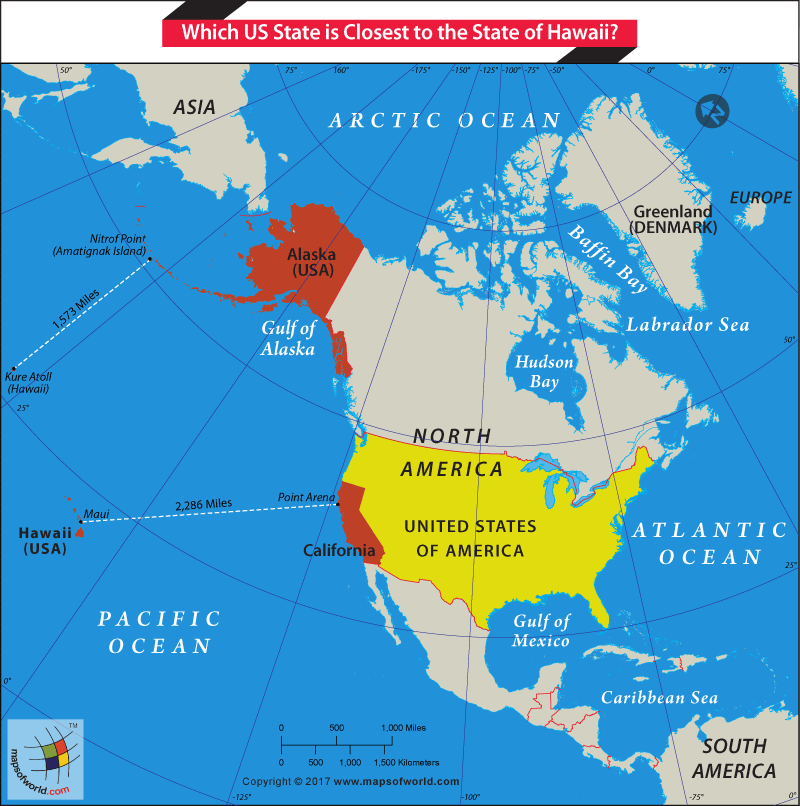
Positioned far from any continental landmass, Hawaii holds the distinction of being the most isolated population center on Earth. This unique geographical placement is precisely what contributes to its distinct natural beauty and rich cultural heritage, making the journey itself an integral part of the adventure. From vibrant cities to serene coastlines, each island offers a unique slice of paradise, promising unforgettable memories for every type of traveler.
The Nautical Miles and Flight Paths to Paradise
Pinpointing the exact distance to Hawaii depends entirely on your starting point. As the 50th state of the United States, it’s a domestic flight for mainland Americans, yet its isolation makes it feel like a world away. For international travelers, the journey can span continents, crossing vast oceanic stretches to reach these volcanic islands.
Distances from Key Global Hubs
The primary gateway to Hawaii is the Daniel K. Inouye International Airport (HNL) in Honolulu, Oahu, though several other islands also boast international airports capable of handling direct flights from various locations.
- From the U.S. West Coast: This is the shortest and most common route for North American travelers.
- From Los Angeles, California: Approximately 2,550 miles (4,100 km). A direct flight typically takes around 5 to 6 hours.
- From San Francisco, California: Roughly 2,400 miles (3,860 km). Flight times are similar, ranging from 5 to 6 hours.
- From Seattle, Washington: Around 2,670 miles (4,300 km). Expect flights lasting 6 to 6.5 hours.
- From the U.S. East Coast: For those traveling from the eastern seaboard, the journey is significantly longer, often involving a layover on the West Coast, although direct flights are becoming more common.
- From Asia and Oceania: Hawaii is a popular destination for travelers from the Asia-Pacific region.
- From Tokyo, Japan: Roughly 3,850 miles (6,200 km). Direct flights typically last 7 to 8 hours.
- From Sydney, Australia: Approximately 5,060 miles (8,140 km). The flight duration is usually around 9 to 10 hours.
- From Auckland, New Zealand: Around 4,370 miles (7,030 km). Expect flight times of 8.5 to 9.5 hours.
These figures illustrate that while Hawaii is indeed “far” from most major landmasses, the widespread availability of flights makes it an accessible dream destination. The significant time change (often 2-3 hours earlier than the U.S. West Coast and 5-6 hours earlier than the U.S. East Coast) also adds to the feeling of escaping to a truly distant locale, demanding a few days to adjust to island time.
Major Airports and Airlines Serving Hawaii
As a premier travel destination, Hawaii is well-serviced by numerous major airlines, ensuring a wide array of options for travelers seeking to reach its shores. The competition among carriers often leads to competitive pricing and a variety of service levels, catering to both budget-conscious travelers and those seeking luxury.
- Primary Airports:
- Daniel K. Inouye International Airport (HNL) in Honolulu, Oahu: This is the main international and inter-island hub. Most international and mainland U.S. flights arrive here.
- Kahului Airport (OGG) in Maui: A popular direct destination, especially for those prioritizing Maui’s romantic landscapes and activities.
- Kona International Airport (KOA) on the Big Island: Serves the western side of the Big Island, ideal for visitors interested in coffee farms and the Kona coast.
- Hilo International Airport (ITO) on the Big Island: Caters to the eastern side, offering access to Hawaii Volcanoes National Park.
- Lihue Airport (LIH) in Kauai: The gateway to the Garden Isle’s lush beauty.
- Major Airlines:
- Hawaiian Airlines: The state’s flag carrier, offering extensive inter-island flights and direct service from numerous cities in the U.S., Asia, and Oceania. Known for its authentic Hawaiian hospitality.
- United Airlines, Delta Air Lines, American Airlines, and Alaska Airlines: These major U.S. carriers offer frequent direct flights from their various hubs across the mainland, providing competitive pricing and loyalty program benefits.
- Southwest Airlines: Entered the Hawaiian market, offering more budget-friendly options, particularly from California cities and expanding inter-island service.
- International Carriers: Airlines like Japan Airlines, All Nippon Airways, Qantas, and Air Canada connect Hawaii directly to other global destinations, highlighting its appeal as a worldwide tourist hub.
The choice of airport and airline can significantly impact travel time, comfort, and cost, influencing the overall experience of reaching this distant archipelago.
Planning Your Perfect Hawaiian Escape
Once you’ve wrapped your head around the travel logistics, the real fun begins: planning your perfect Hawaiian escape. With multiple islands, each boasting its own distinct personality, and a spectrum of accommodation options, tailoring your trip to your preferences is key to a memorable journey.
Choosing Your Island Adventure
Hawaii is comprised of eight main islands, with six being readily accessible to tourists. Each offers a unique flavor of the “Aloha Spirit,” catering to different types of travelers and desired experiences.
- Oahu: The Gathering Place:
- Home to the state capital, Honolulu, and the iconic Waikiki Beach. Oahu is the most populated and developed island, offering a vibrant mix of city life, historical sites, and natural beauty.
- Highlights: Pearl Harbor National Memorial, hiking Diamond Head State Monument, surfing on the North Shore, exploring the diverse culinary scene in Honolulu.
- Best for: First-time visitors, those seeking a balance of activity and relaxation, history buffs, and families.
- Maui: The Valley Isle:
- Often hailed as the most romantic island, Maui strikes a perfect balance between sophisticated resorts and breathtaking natural landscapes.
- Highlights: Driving the scenic Road to Hana, watching the sunrise from Haleakala National Park, world-class whale watching (seasonal), snorkeling at Molokini Crater, and enjoying the beautiful beaches of Wailea and Ka’anapali.
- Best for: Couples, honeymooners, luxury travelers, adventure seekers, and nature lovers.
- Hawaii Island (The Big Island): The Orchid Isle:
- The largest island, known for its dramatic geological diversity, from active volcanoes to snow-capped mountains and black sand beaches.
- Highlights: Exploring Hawaii Volcanoes National Park (home to Kīlauea volcano), stargazing from Mauna Kea, swimming with manta rays, visiting coffee plantations in Kona.
- Best for: Adventure travelers, geology enthusiasts, stargazers, and those seeking diverse landscapes.
- Kauai: The Garden Isle:
- The oldest and northernmost of the main islands, Kauai is characterized by its lush, emerald valleys, sharp mountain spires, and dramatic cliffs.
- Highlights: Helicopter tours or boat trips along the majestic Na Pali Coast State Wilderness Park, exploring Waimea Canyon State Park (the “Grand Canyon of the Pacific”), hiking the Kalalau Trail, and relaxing on secluded beaches.
- Best for: Nature lovers, hikers, outdoor adventurers, and those seeking a quieter, more tranquil experience.
- Lanai: The Pineapple Isle:
- Formerly a pineapple plantation, Lanai is now a serene luxury escape, offering exclusive resorts and untouched wilderness.
- Best for: Ultra-luxury travelers, those seeking seclusion, and golf enthusiasts.
- Molokai: The Friendly Isle:
- Known for preserving its Hawaiian heritage, Molokai offers an authentic, untouristed experience with stunning natural beauty.
- Best for: Cultural immersion, off-the-beaten-path adventurers, and those seeking true local charm.
Deciding which island (or islands for a multi-island hop) aligns with your travel style is crucial for a fulfilling Hawaiian journey. Inter-island flights are frequent and relatively short, making it easy to experience the contrasts between several islands during one trip.
Accommodation Choices for Every Traveler
Hawaii’s accommodation scene is as diverse as its landscapes, offering everything from opulent five-star resorts to charming boutique hotels and budget-friendly vacation rentals. Finding the right place to stay is paramount to your comfort and overall travel experience.

- Luxury Resorts:
- For those seeking pampering and world-class amenities, Hawaii boasts some of the finest luxury resorts in the world. Brands like the Four Seasons Resort Maui at Wailea, The Ritz-Carlton, Kapalua on Maui, and the Grand Hyatt Kauai Resort & Spa on Kauai offer stunning oceanfront locations, exquisite dining, full-service spas, and personalized service. These resorts often provide extensive activities, including golf courses, water sports, and cultural programs, making them perfect for luxury travel, romantic getaways, or family trips where convenience is key.
- Boutique Hotels and Vacation Rentals:
- For a more intimate or localized experience, boutique hotels and private vacation rentals (villas, apartments, homes) are excellent choices. Boutique hotels, often found in smaller towns like Paia on Maui or Kapaa on Kauai, offer unique charm, personalized service, and a deeper connection to local culture.
- Vacation rentals provide space, privacy, and often kitchen facilities, which can be ideal for families, long-term stays, or budget travelers looking to save on dining out. Websites specializing in accommodation booking and comparison are invaluable resources for finding these hidden gems.
- Family-Friendly Options:
- Many resorts cater specifically to families, featuring kids’ clubs, large pools with waterslides, and family-oriented activities. Apartment-style accommodations or villas also provide the space and flexibility needed for families traveling with children, allowing for separate sleeping areas and the ability to prepare meals. Look for resorts with dedicated family amenities like the Aulani, A Disney Resort & Spa on Oahu for an immersive, themed experience.
- Budget Travel and Hostels:
- While Hawaii can be an expensive destination, budget-friendly options exist, especially on Oahu and the Big Island. Hostels, particularly in Honolulu and along the Kona coast, offer dormitory-style or private rooms at lower price points. Camping, where permitted, is another way to experience Hawaii’s natural beauty on a shoestring budget.
Regardless of your preference, careful planning and booking in advance, especially during peak seasons, are essential to secure the best accommodation and rates for your Hawaiian adventure.
Immerse Yourself in Hawaiian Culture and Activities
The distance to Hawaii fades into insignificance once you arrive, replaced by the captivating beauty and vibrant culture that permeates every island. Beyond the sun-kissed beaches, Hawaii offers a rich tapestry of history, natural wonders, and engaging activities that allow visitors to truly immerse themselves in the local lifestyle and traditions.
Iconic Landmarks and Natural Wonders
Hawaii’s landscape is dotted with world-renowned landmarks, many of which are testaments to its volcanic origins and unique ecosystem. These sites are not just attractions; they are portals to understanding the islands’ past and present.
- Pearl Harbor National Memorial (Oahu): A profound historical site commemorating the 1941 attack. Visitors can tour the USS Arizona Memorial, the USS Missouri Battleship, and the Pearl Harbor Aviation Museum, offering a solemn yet essential insight into U.S. history.
- Diamond Head State Monument (Oahu): An iconic volcanic tuff cone overlooking Waikiki. A hike to its summit offers panoramic views of Honolulu’s coastline and the Pacific Ocean, making it a popular activity for active travelers.
- Haleakala National Park (Maui): Home to a massive dormant volcano, this park is famous for its surreal crater landscape and breathtaking sunrises and sunsets above the clouds. It’s a prime spot for stargazing and hiking.
- Hawaii Volcanoes National Park (Big Island): A UNESCO World Heritage Site that offers a rare opportunity to witness active volcanic activity. Visitors can explore steam vents, lava tubes, and dramatic landscapes shaped by the ongoing eruption of Kīlauea, one of the world’s most active volcanoes.
- Na Pali Coast State Wilderness Park (Kauai): The dramatic emerald cliffs and lush valleys of the Na Pali Coast are a sight to behold, best experienced by boat tour, catamaran cruise, or helicopter. It’s a testament to Kauai’s wild, untamed beauty.
- Waimea Canyon State Park (Kauai): Dubbed the “Grand Canyon of the Pacific,” this impressive canyon boasts colorful geological formations and stunning vistas, offering numerous lookout points and hiking opportunities.
These landmarks, along with countless hidden waterfalls, pristine beaches, and vibrant coral reefs, underscore Hawaii’s status as a natural wonderland, inviting exploration and appreciation of its profound beauty.
Embracing the Local Lifestyle and Cuisine
The heart of a Hawaiian trip lies in embracing the local lifestyle and indulging in its unique cultural experiences and culinary delights. This goes beyond mere sightseeing and delves into the spirit of aloha.
- Cultural Experiences:
- Luau: A traditional Hawaiian feast, complete with hula dancing, live music, and an abundance of food cooked in an imu (underground oven), often featuring kalua pig. It’s an essential experience for understanding Polynesian culture and hospitality. Many resorts and standalone venues, such as Germaine’s Luau on Oahu or Old Lahaina Luau on Maui, offer authentic and entertaining luaus.
- Surfing Lessons: Hawaii is the birthplace of surfing. Taking a lesson at Waikiki Beach or one of the calmer breaks on other islands is not just a sport; it’s a connection to Hawaiian heritage and a quintessential island activity.
- Hula and Lei Making Workshops: Many cultural centers and resorts offer hands-on workshops where visitors can learn the graceful art of hula or craft traditional leis, gaining appreciation for the intricacies of Hawaiian traditions.
- Outdoor Activities:
- Snorkeling and Diving: The clear, warm waters surrounding Hawaii are teeming with vibrant marine life. Popular spots include Hanauma Bay Nature Preserve on Oahu (reservations often required), Molokini Crater off Maui, and the pristine reefs of Kona on the Big Island.
- Hiking: From challenging volcanic treks to leisurely coastal strolls, Hawaii offers countless hiking trails. Options range from the lush Pipiwai Trail to the dramatic Kalalau Trail on Kauai.
- Water Sports: Kayaking, paddleboarding, deep-sea fishing, and catamaran cruises are readily available, providing different perspectives of the islands’ stunning coastlines.
- Local Cuisine:
- Poke: A quintessential Hawaiian dish featuring diced raw fish (usually tuna) marinated with various seasonings, often served over rice. Explore local markets and small eateries for the freshest and most authentic poke bowls.
- Kalua Pig: The star of any luau, slow-roasted in an imu, resulting in tender, smoky pork.
- Fresh Seafood: Given its ocean location, Hawaii offers an abundance of fresh fish, including mahi-mahi, ahi, and opakapaka, prepared in diverse culinary styles.
- Shave Ice: A refreshing treat, especially on a hot day, consisting of finely shaved ice flavored with tropical syrups, often topped with sweet azuki beans, mochi, or a scoop of ice cream.
- Tropical Fruits: Indulge in fresh pineapple, mango, papaya, and lilikoi (passion fruit) straight from the source.
- Farm-to-Table Dining: Hawaii’s fertile volcanic soil supports a thriving agricultural scene, leading to exceptional farm-to-table restaurants that highlight local ingredients.
Engaging with these cultural elements and savoring the local flavors elevates a trip to Hawaii from a mere vacation to a truly immersive experience, connecting travelers to the land and its people.
Making the Journey Worth Every Mile
The journey to Hawaii is undeniably long for most, crossing vast oceans and multiple time zones. However, the destination itself, with its unparalleled beauty and unique culture, makes every mile and every hour of travel profoundly worthwhile. Thoughtful preparation ensures that the transition from a distant dream to a tangible reality is as smooth and enjoyable as possible.
Best Time to Visit and Travel Tips
Choosing the right time to visit and keeping practical tips in mind can significantly enhance your Hawaiian experience, especially when dealing with the logistics of reaching such a remote locale.
- Best Time to Visit:
- Shoulder Seasons (April-May & September-October): These periods often offer the best balance of good weather, fewer crowds, and more favorable prices for flights and accommodation. The weather is generally sunny and warm, but without the intense heat and humidity of summer.
- Peak Season (Mid-December to Mid-April & June to August): These are the most popular times to visit, aligning with winter escapes and summer vacations. Expect higher prices, more crowded attractions, and the need to book everything well in advance. Whale watching season (December-May) is a major draw during winter.
- Off-Peak Season (November & Early December, May & Early June): While still pleasant, these periods might see slightly more rain or transitional weather. However, they offer the lowest prices and the fewest crowds, perfect for budget travelers or those seeking tranquility.
- Travel Tips for Distant Journeys:
- Book in Advance: Flights, especially from distant hubs, and popular accommodation options (resorts, villas) should be booked several months ahead, particularly for peak travel times. This is crucial for securing preferred dates and potentially better rates.
- Consider Multi-Island Hops: If your itinerary allows, plan to visit more than one island. Inter-island flights are relatively quick (30-60 minutes) and frequent, allowing you to experience the diverse character of Oahu, Maui, the Big Island, or Kauai in one trip.
- Rent a Car: While public transportation exists in certain areas (like Honolulu), renting a car on most islands offers the freedom and flexibility to explore hidden beaches, scenic drives (like the Road to Hana), and local landmarks at your own pace.
- Pack Smart: Bring lightweight clothing, reef-safe sunscreen (required by Hawaiian law), swimwear, and sturdy shoes for hiking. A reusable water bottle is also a good idea.
- Respect Local Customs and Environment: Embrace the “Aloha Spirit” by being respectful of the land (Aina) and local culture. This includes not disturbing marine life, staying on marked trails, and supporting local businesses. Be mindful of sustainability efforts to preserve Hawaii’s fragile ecosystem for future generations.
- Account for Jet Lag: If traveling from a significant distance, particularly from the U.S. East Coast or Europe, allow a day or two upon arrival to acclimate to the time change. Hydration and light activity can help.
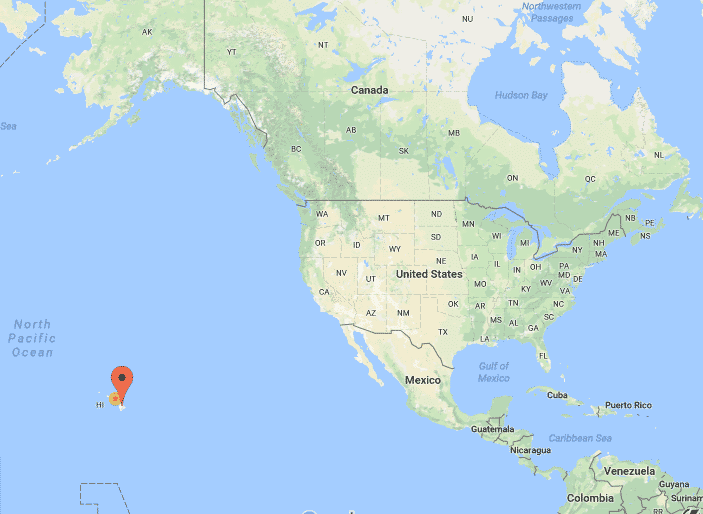
The Transformative Power of a Hawaiian Getaway
Ultimately, the question of “How far is Hawaii?” transcends geographical coordinates. It speaks to the perceived remoteness and the aspirational nature of a trip to this extraordinary destination. What makes Hawaii truly special is not merely its physical isolation, but the unique blend of natural beauty, rich history, and the profound “Aloha Spirit” that defines its people and culture.
The journey to Hawaii is an escape, a transition from the everyday to a realm of tranquility and adventure. It’s a place where bustling cities meet serene beaches, where ancient traditions blend with modern luxury, and where the power of nature is palpable in every volcanic peak and crashing wave. Whether you seek thrilling outdoor activities, deep cultural immersion, luxurious relaxation, or simply the peace of a tropical sunset, Hawaii delivers.
While the miles are indeed vast, the experience of Hawaii is boundless. It’s a journey that promises to reset your perspective, rejuvenate your spirit, and leave you with cherished memories that far outweigh the distance traveled. So, while Hawaii may be far, it is undoubtedly worth every single mile to discover its magic.
LifeOutOfTheBox is a participant in the Amazon Services LLC Associates Program, an affiliate advertising program designed to provide a means for sites to earn advertising fees by advertising and linking to Amazon.com. Amazon, the Amazon logo, AmazonSupply, and the AmazonSupply logo are trademarks of Amazon.com, Inc. or its affiliates. As an Amazon Associate we earn affiliate commissions from qualifying purchases.