
The vast expanse of the Pacific Ocean separates the continental United States from its most isolated state, Hawaii, creating a journey that is both geographically significant and culturally transformative. For many contemplating a tropical escape from the bustling shores of California, the question of distance is often the first logistical hurdle. Understanding this span is key to planning an efficient and enjoyable travel experience, whether by air or sea. This article delves into the precise measurements, common travel methods, and essential considerations for bridging the gap between these two distinct yet beloved destinations.
The Geographical Reality: Bridging Continents and Islands
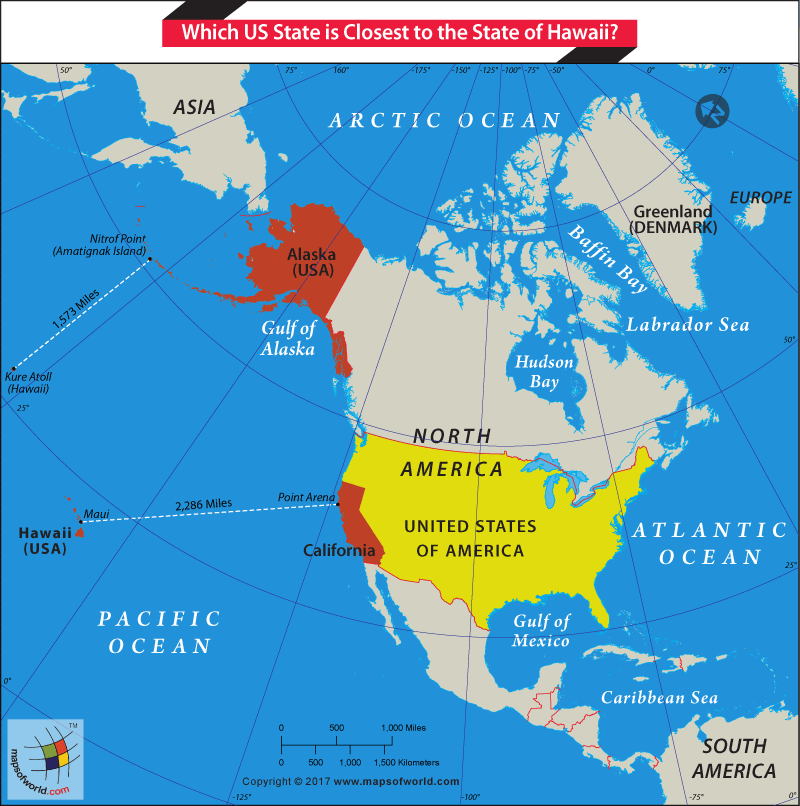
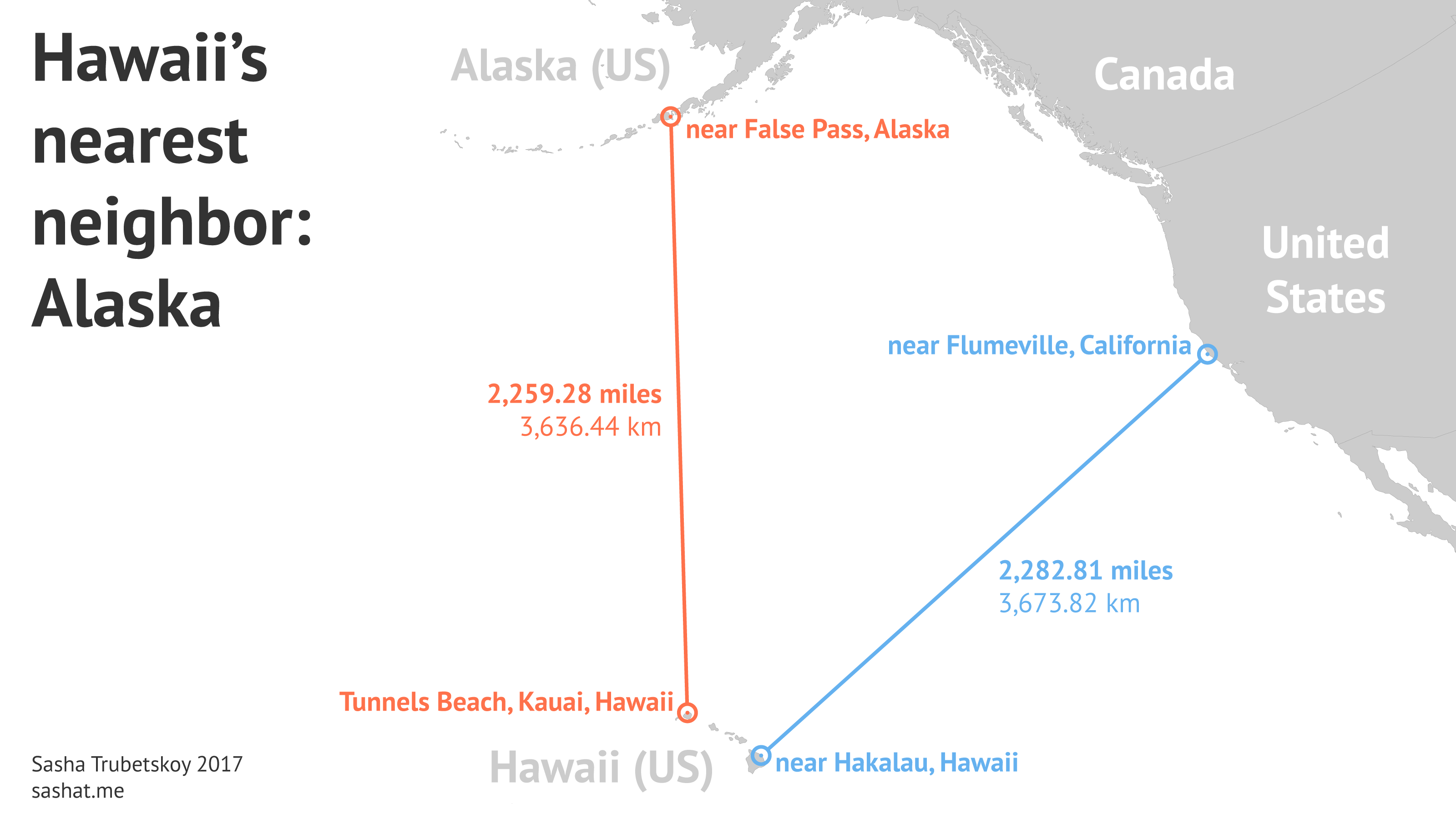
The journey from California to Hawaii involves traversing a considerable stretch of open ocean, making it one of the longest domestic trips within the United States. The distance is not a single, fixed number but varies slightly depending on the specific departure and arrival points. Generally, the heart of the Hawaiian Islands lies approximately 2,500 miles southwest of the California coast.
Measuring the Vastness: Nautical Miles vs. Kilometers
When discussing maritime and aerial distances, nautical miles are often used, with one nautical mile equating to 1.15 statute miles or 1.852 kilometers. For simplicity, most travel planning refers to standard statute miles. From major departure cities along the California coast, such as Los Angeles or San Francisco, to Honolulu on Oahu, the distance typically falls within the range of 2,400 to 2,600 miles (approximately 3,860 to 4,185 kilometers). For instance, the route from Los Angeles to Honolulu is around 2,550 miles, while from San Francisco to Honolulu it is closer to 2,390 miles. These distances highlight the significant undertaking involved in reaching the island paradise.
Key Departure Points in California
Travelers typically embark on their Hawaiian adventure from one of California’s major international airports. Los Angeles International Airport (LAX), San Francisco International Airport (SFO), and San Diego International Airport (SAN) serve as primary gateways, offering numerous direct flights to various Hawaiian Islands. These hubs provide a wide selection of airlines, flight times, and service classes, catering to diverse traveler preferences and budgets. The concentration of flights from these cities underscores their importance as critical nodes in trans-Pacific travel.
The Allure of the Hawaiian Islands
Hawaii itself is an archipelago comprising several major islands, each offering unique landscapes, activities, and cultural experiences. The primary arrival points for most visitors include Honolulu on Oahu (home to the Daniel K. Inouye International Airport – HNL), Kahului on Maui (Kahului Airport – OGG), Kona or Hilo on the Big Island (Kona International Airport – KOA and Hilo International Airport – ITO), and Lihue on Kauai (Lihue Airport – LIH). The choice of destination island will slightly influence the total distance and flight time, but the overarching journey across the Pacific remains the dominant factor.
Air Travel: The Most Common Journey
For the vast majority of travelers, flying is the preferred and most practical method of reaching Hawaii from California. Modern aircraft, efficient air routes, and competitive airline services have made this trans-Pacific crossing relatively swift and accessible.
Flight Durations from Major California Hubs
Direct flights from California’s major airports to Honolulu typically range from 5.5 to 6 hours. For example, a flight from Los Angeles (LAX) to Honolulu (HNL) averages around 5 hours and 45 minutes, while a flight from San Francisco (SFO) to Honolulu (HNL) is usually a bit shorter, around 5 hours and 30 minutes, due to the slightly reduced distance. Flights to other Hawaiian Islands like Maui or the Big Island can be marginally longer, sometimes adding an extra 15-30 minutes, as they are often slightly further east or require a slightly different flight path.
Choosing Your Hawaiian Destination
Several major airlines offer non-stop service from California to Hawaii, including Hawaiian Airlines, United Airlines, Delta Air Lines, American Airlines, Alaska Airlines, and Southwest Airlines. These carriers provide a range of options, from economy class to premium cabins, allowing travelers to tailor their in-flight experience. When selecting a flight, consider not only the price but also factors like departure and arrival times, layover options (though direct is usually preferred for this route), and baggage allowances. Many travelers opt for direct flights to their final island destination to avoid inter-island transfers, which can add time and complexity.
Factors Affecting Flight Times (Winds, Aircraft Type)
While the stated flight durations are good estimates, actual travel times can vary. One significant factor is prevailing winds, particularly the strong jet stream over the Pacific. Flights heading west to Hawaii often face headwinds, which can add 30 minutes or more to the journey. Conversely, return flights eastward to California benefit from tailwinds, often making the trip noticeably shorter, sometimes under 5 hours. The type of aircraft also plays a role; newer, more fuel-efficient planes can sometimes maintain slightly faster cruising speeds. Air traffic control, weather conditions at departure or arrival airports, and even slight route adjustments can also cause minor fluctuations in flight duration.
The Ocean Voyage: Cruising the Pacific
While less common than flying, a cruise from California to Hawaii offers a dramatically different and often more leisurely travel experience. For those who view the journey itself as part of the vacation, a trans-Pacific cruise can be an unforgettable adventure.
Cruise Lines and Itineraries

Several prominent cruise lines offer itineraries between California and Hawaii, typically departing from Los Angeles (often from the Port of Long Beach or San Pedro) or San Diego. Popular operators include Princess Cruises, Holland America Line, Norwegian Cruise Line, and Carnival Cruise Line. These cruises typically follow two main patterns: round-trip voyages that spend several days at sea before visiting multiple Hawaiian Islands and then returning to California, or one-way repositioning cruises. Repositioning cruises are less frequent and occur when a ship is moved from one seasonal cruising region to another, offering a unique opportunity to travel to or from Hawaii as part of a longer journey.
Duration and Experience of a Sea Journey
A typical cruise from California to Hawaii lasts between 10 to 18 nights for a round-trip itinerary. The journey across the open Pacific involves several full days at sea, usually 5-6 days in each direction, depending on the ship’s speed and route. These sea days are a core part of the cruise experience, allowing passengers to enjoy the ship’s amenities, relax by the pool, indulge in fine dining, participate in onboard activities, and simply watch the endless ocean pass by. Unlike air travel, where the focus is solely on reaching the destination, cruising integrates the transit time into the vacation itself, offering a journey filled with leisure and entertainment.
The Romance and Practicalities of Sailing
Choosing a cruise means trading speed for immersion. It’s an opportunity to unplug, unwind, and experience the vastness of the Pacific in a way that flying cannot offer. While the total time commitment is significantly longer than flying, the all-inclusive nature of many cruises (meals, entertainment, and accommodation) can make them an attractive option for those with more time and a desire for a different pace of travel. Practical considerations include potential sea-sickness, the need for a valid passport (even for domestic itineraries, it’s often recommended), and the limited flexibility once on board regarding itinerary changes. However, for many, the allure of waking up to a new Hawaiian island each day after a serene ocean crossing far outweighs these considerations.
Planning Your Trans-Pacific Journey: Tips for Travelers
Regardless of whether you choose to fly or cruise, careful planning is essential for a seamless and enjoyable trip from California to Hawaii.
Best Time to Travel
Hawaii enjoys a tropical climate year-round, but certain seasons are more popular and can affect travel costs and crowd levels. The peak seasons are typically December through April (winter) and June through August (summer). Shoulder seasons, such as April-May and September-November, often offer pleasant weather, fewer crowds, and potentially lower prices for flights and accommodations. Cruising generally aligns with these shoulder and off-peak seasons to avoid hurricane season (June-November), although modern cruise ships are designed to avoid severe weather.
Budgeting for the Trip
Travel to Hawaii can be a significant investment. Flight prices vary widely based on seasonality, booking in advance, and the airline. Expect to pay anywhere from $400 to over $800 for a round-trip economy flight from California to Hawaii. Cruises, while often inclusive, still require budgeting for excursions, specialty dining, drinks, and gratuities. Accommodation, activities, and dining on the islands also need to be factored in. Early booking, especially for flights and popular cruises, can often secure better rates.
Essential Packing and Preparation
Given Hawaii’s tropical climate, light, breathable clothing is a must. Swimsuits, reef-safe sunscreen, hats, sunglasses, and comfortable walking shoes are essential. Consider packing a light jacket or sweater for cooler evenings or higher elevations. If planning outdoor activities, appropriate gear for hiking, snorkeling, or surfing should be included. Always check airline baggage policies to avoid unexpected fees. For cruises, check specific dress codes for formal nights if desired. Remember valid identification for all travelers, and for flights, ensure your carry-on essentials are easily accessible.
Navigating Time Zones and Jet Lag
Hawaii observes Hawaii Standard Time (HST), which does not utilize daylight saving time. This means there is a 2-hour difference from Pacific Standard Time (PST) in California during winter months, and a 3-hour difference from Pacific Daylight Time (PDT) during summer months. Traveling westward, you “gain” hours, making the initial adjustment easier. However, returning eastward often leads to more significant jet lag. Strategies to minimize jet lag include adjusting your sleep schedule gradually before departure, staying hydrated, avoiding excessive caffeine and alcohol, and exposing yourself to natural light upon arrival to help reset your internal clock.
Beyond the Miles: The Transformative Experience
The journey from California to Hawaii, while measured in miles and hours, represents more than just physical distance. It’s a passage from one vibrant culture to another, from the mainland’s fast pace to the serene “Aloha Spirit” of the islands.
Cultural Immersion Upon Arrival
Upon arrival in Hawaii, travelers are immediately enveloped in a distinct Polynesian culture, rich with traditions, music, and a deep respect for the land and sea. From the moment you step off the plane or cruise ship, the vibrant flora, the warm, humid air, and the distinctive scent of plumeria signify a complete departure from the mainland. Engaging with local customs, trying traditional Hawaiian cuisine, and learning about the islands’ history are all integral parts of the travel experience.
The Journey as Part of the Adventure
Whether soaring above the clouds with panoramic views of the Pacific or sailing gracefully across its surface, the act of traveling to Hawaii from California is an integral part of the adventure. The distance, initially a quantitative concern, transforms into anticipation and excitement, paving the way for unforgettable memories in paradise. Understanding the logistics, preparing adequately, and embracing the journey ensure that the transition from the bustling shores of California to the tranquil beauty of Hawaii is as smooth and enjoyable as the destination itself.
LifeOutOfTheBox is a participant in the Amazon Services LLC Associates Program, an affiliate advertising program designed to provide a means for sites to earn advertising fees by advertising and linking to Amazon.com. Amazon, the Amazon logo, AmazonSupply, and the AmazonSupply logo are trademarks of Amazon.com, Inc. or its affiliates. As an Amazon Associate we earn affiliate commissions from qualifying purchases.