
The journey between two of the world’s most iconic metropolises, New York and London, is a transatlantic crossing that has captivated travelers for generations. While the precise distance might seem like a simple geographical query, understanding it unlocks a richer appreciation for the logistics, the experiences, and the sheer scope of this popular travel route. This exploration delves into the nautical and air miles, the historical context of traversing this divide, and the myriad ways travelers bridge this significant gap, making it one of the most frequently undertaken international journeys.
The Measured Divide: Nautical and Air Miles
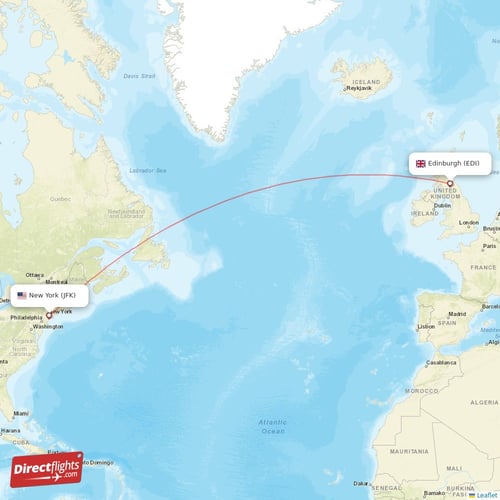
The most fundamental answer to “How far is it from New York to London?” lies in precise measurement. The Earth’s curvature means that direct lines on a flat map are misleading; we must consider the great-circle distance, which represents the shortest path between two points on a sphere.
Nautical Miles and Great-Circle Distance
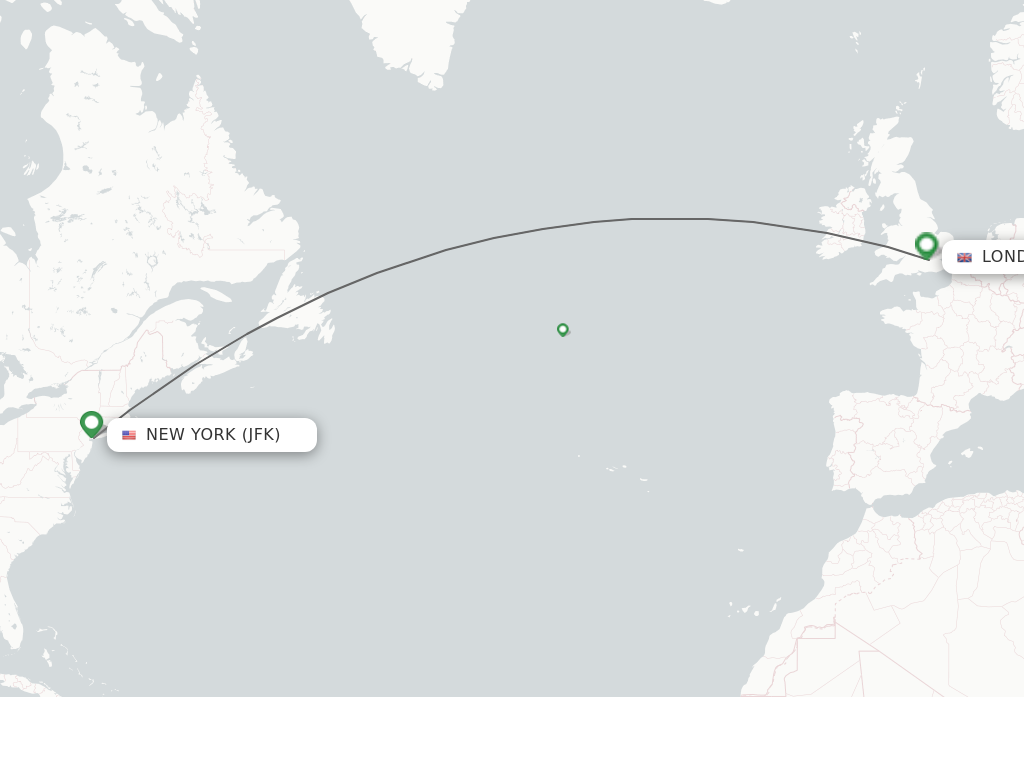
The commonly cited distance between New York and London is approximately 3,460 nautical miles. A nautical mile is based on the circumference of the Earth and is standardized at exactly 1,852 meters (or about 6,076 feet). This unit of measurement is historically significant for maritime navigation and remains relevant for understanding sea travel. The great-circle distance, calculated using spherical trigonometry, is the shortest route an aircraft would ideally follow, though actual flight paths can vary due to weather, air traffic control, and prevailing winds.
Statute Miles and Kilometers
When thinking in more common terrestrial terms, the distance translates to approximately 3,985 statute miles or about 6,413 kilometers. A statute mile is the familiar unit used for road distances, equaling 5,280 feet. These figures provide a tangible grasp of the vastness of the Atlantic Ocean that separates these two global hubs. For those accustomed to kilometers, the 6,413 km figure clearly illustrates the extensive nature of the journey.
The Significance of the Data
Understanding these distances is not merely an academic exercise. It informs flight times, shipping logistics, and the planning of cruise itineraries. For a commercial airliner, the flight duration of roughly 7-8 hours, despite covering over 6,000 kilometers, is a testament to modern aviation speed. For a cargo ship, the same journey can take weeks, highlighting the economic and temporal differences in travel modes.
Historical Journeys and Modern Expeditions
The transatlantic crossing from New York to London is steeped in history, from the earliest explorations to the era of grand ocean liners and the dawn of aviation. Each era has redefined the perception of this distance and the feasibility of traversing it.
From Sail to Steam: The Age of Ocean Liners
Before the advent of powered flight, crossing the Atlantic was a monumental undertaking. The Age of Sail saw voyages that could take months, subject to the whims of wind and weather. With the development of steam power, journeys became more predictable and significantly shorter.
The late 19th and early 20th centuries witnessed the golden age of ocean liners. Ships like the RMS Queen Mary and later the Queen Elizabeth 2 offered luxurious transatlantic crossings. These voyages, while still taking several days (typically 5-7 days), became a symbol of elegance and sophistication, transforming the journey itself into an experience. Passengers could enjoy fine dining, entertainment, and the romance of the sea, making the 3,460 nautical miles a period of leisure and indulgence rather than just a passage.
The Dawn of Aviation: Shrinking the Globe
The Wright brothers’ historic flight in 1903 marked the beginning of a new era, but the first transatlantic flight did not occur until 1919, accomplished by Alcock and Brown. It took decades for commercial air travel to become a viable and widespread means of crossing the Atlantic.
The post-World War II era saw the rise of the jet age, dramatically reducing travel times. The introduction of commercial jet airliners in the late 1950s and early 1960s made the journey from New York to London a matter of hours rather than days. This technological leap fundamentally altered perceptions of distance, effectively shrinking the globe and facilitating unprecedented levels of international business, tourism, and cultural exchange. The 3,985 statute miles became a mere flight, accessible to a much broader segment of the population.
The Modern Travel Experience: Flights and Beyond
Today, the primary method of travel between New York and London is by air. However, the allure of the sea persists, offering a different, more leisurely, and often luxurious, way to experience the transatlantic crossing.
Air Travel: Speed and Accessibility
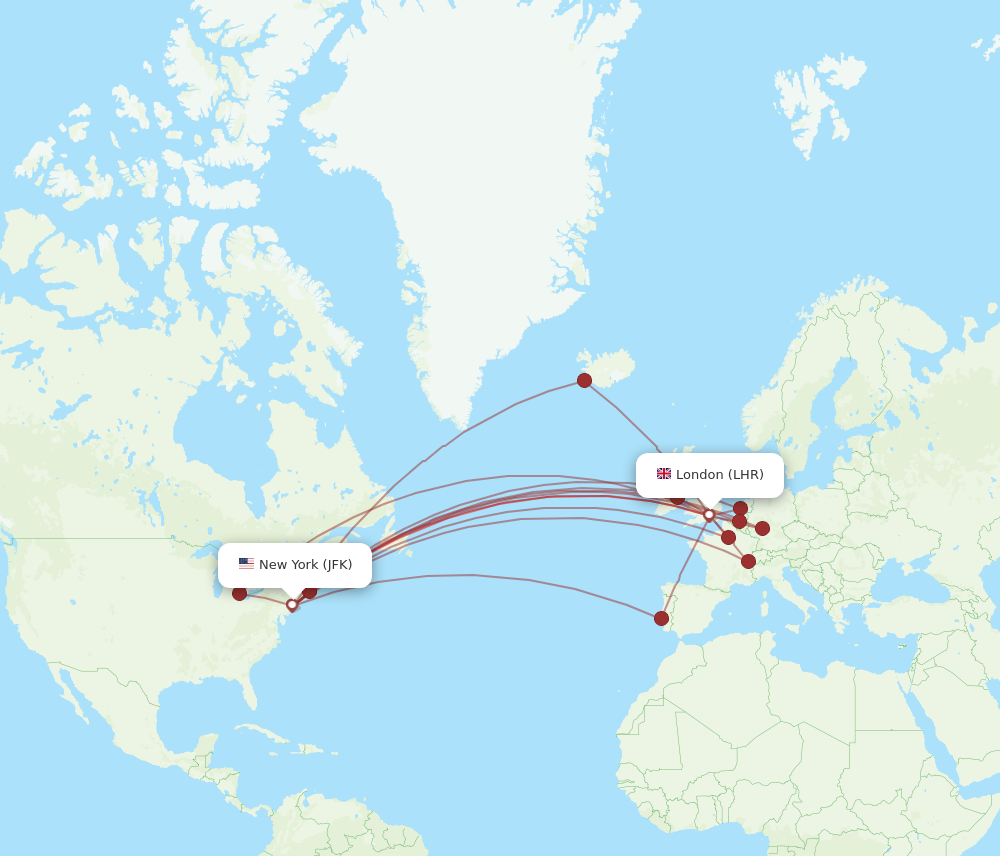
Commercial flights from airports like John F. Kennedy International Airport (JFK) or Newark Liberty International Airport (EWR) in the New York metropolitan area to London Heathrow Airport (LHR) or London Gatwick Airport (LGW) are the most direct and time-efficient options. The flight time typically ranges from 7 to 8 hours, covering the approximately 6,413 kilometers.
Airlines like British Airways, Virgin Atlantic, and Delta Air Lines operate numerous daily flights, offering a range of classes from economy to first class. The experience can vary significantly based on the chosen airline and class of service, but the fundamental aspect remains the rapid transit across the Atlantic. Passengers can depart New York in the morning and arrive in London in the evening, thanks to the time difference, making it feasible for business trips or short city breaks.
Cruise Liners: A Leisurely Approach
For those who prefer a more unhurried and immersive journey, a transatlantic cruise offers an alternative. While significantly longer, taking anywhere from 7 to 14 days depending on the itinerary and port calls, it provides a unique way to experience the ocean.
Major cruise lines, including Cunard Line, often use iconic ships like the Queen Mary 2 for their transatlantic crossings. These voyages are designed for relaxation and enjoyment, mirroring the elegance of the golden age of ocean liners. Passengers can savor gourmet meals, attend lectures, enjoy live music, and simply take in the vastness of the Atlantic Ocean. The journey from port to port, covering the 3,460 nautical miles, becomes a destination in itself, offering a chance to disconnect from the hustle of daily life and reconnect with the rhythm of the sea.
Factors Affecting Travel Time
Several factors can influence the actual travel time for both flights and cruises:
- For Flights: Prevailing winds (especially the jet stream), air traffic congestion, airport delays, and specific flight paths can all contribute to variations in flight duration. Westbound flights from London to New York are often slightly longer due to headwinds.
- For Cruises: Weather conditions at sea play a significant role. While modern ships are designed to handle rough seas, captains may alter routes to ensure passenger comfort and safety, potentially extending voyage times. Port operations, including embarkation and disembarkation, also add to the overall travel duration.
Planning Your Transatlantic Journey
Understanding the distance and the various modes of transport is the first step in planning a trip between New York and London. The choice between a quick flight and a leisurely cruise depends entirely on individual preferences, time constraints, and desired travel experience.
Choosing Your Mode of Transport
- Flights: Ideal for travelers with limited time, business trips, or those prioritizing efficiency. Booking in advance is crucial for securing the best fares. Consider factors like airport convenience, airline reputation, and in-flight amenities.
- Cruises: Perfect for travelers seeking a slower pace, a luxurious experience, or a unique way to travel. These journeys require more time and are often booked further in advance, especially for popular sailings on iconic ships.
The Economic and Environmental Considerations
The choice of transport also has economic and environmental implications. Flights, while fast, have a significant carbon footprint. Cruises, though offering a romantic experience, also have an environmental impact. Travelers are increasingly aware of these factors and may choose options that align with their sustainability goals, such as opting for more fuel-efficient aircraft or seeking cruise lines with robust environmental policies. The cost also varies dramatically, with flights generally being more affordable for a single journey than a transatlantic cruise.
The distance between New York and London – whether measured in nautical miles, statute miles, or kilometers – represents more than just geography. It is a measure of human ingenuity, technological advancement, and the enduring desire to connect distant corners of the world. Whether soaring through the sky or sailing across the waves, bridging this gap remains a quintessential travel experience, offering a profound appreciation for the vastness of our planet and the ease with which we can now explore it.
LifeOutOfTheBox is a participant in the Amazon Services LLC Associates Program, an affiliate advertising program designed to provide a means for sites to earn advertising fees by advertising and linking to Amazon.com. Amazon, the Amazon logo, AmazonSupply, and the AmazonSupply logo are trademarks of Amazon.com, Inc. or its affiliates. As an Amazon Associate we earn affiliate commissions from qualifying purchases.