
California, a land of breathtaking natural beauty, from the towering Redwood National and State Parks to the arid expanses of Death Valley National Park, has long been synonymous with stunning landscapes. However, this same natural splendor, particularly its abundant forests and Mediterranean climate, also makes it exceptionally vulnerable to wildfires. These devastating events, often amplified by weather patterns and human activity, have scarred the state’s history, leaving behind a trail of destruction and loss. Identifying the “worst” fire is a complex endeavor, as “worst” can be measured by acreage burned, lives lost, structures destroyed, economic impact, or long-term environmental consequences. Nevertheless, certain conflagrations stand out due to their sheer scale and catastrophic impact.
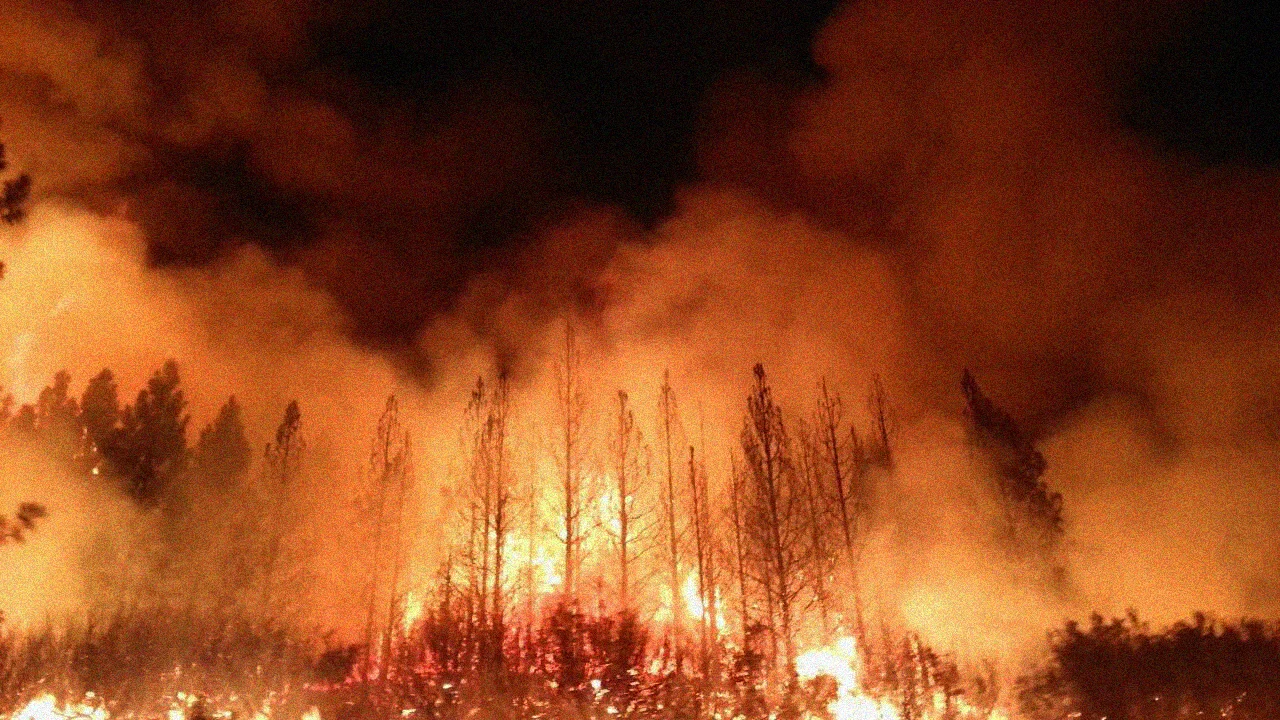
The Reign of the Dixie Fire: A Modern Scourge
When examining the most devastating wildfires in California history, the Dixie Fire of 2021 emerges as a particularly grim contender. This monstrous blaze, which raged for months across several Northern California counties, shattered records and left an indelible mark on the state’s wildland fire landscape.
Scale and Impact
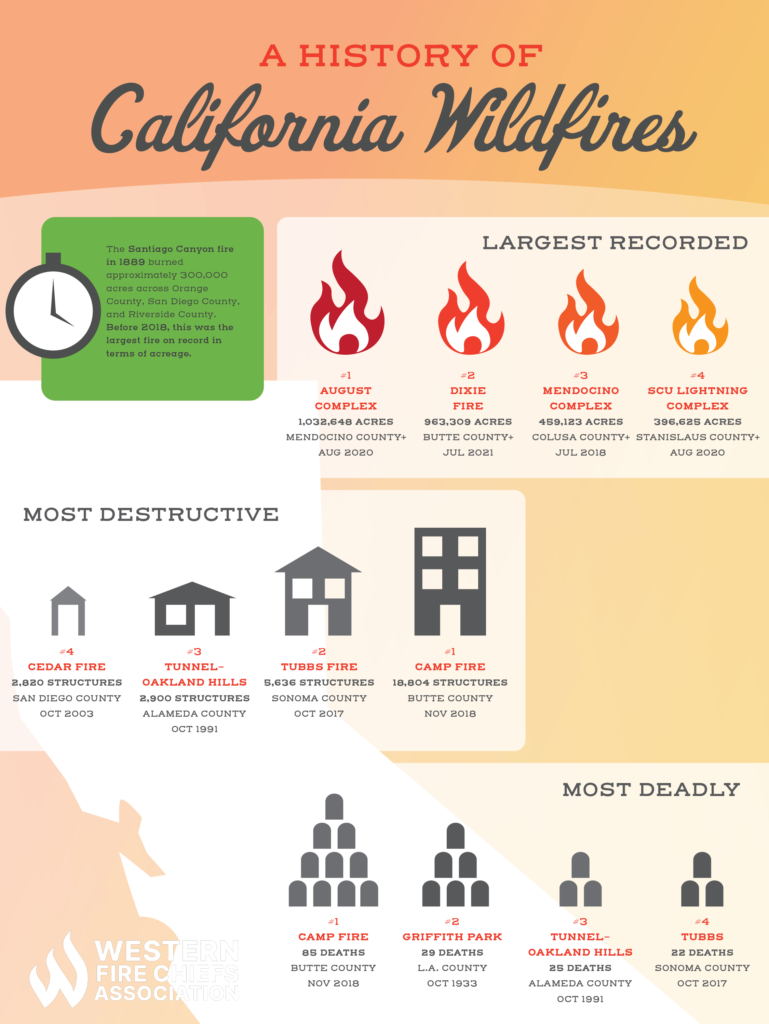
The Dixie Fire stands as the largest single wildfire in California history by acreage burned, scorching an astonishing 963,799 acres. This colossal figure is difficult to comprehend; it encompasses an area larger than many U.S. states. The fire’s relentless spread was fueled by extreme drought conditions, high winds, and an abundance of dry vegetation, creating a perfect storm for rapid and uncontrollable growth.
Beyond the sheer immensity of land consumed, the Dixie Fire had a profound impact on communities. It devastated historic towns and communities, notably the charming Gold Rush-era town of Crestmore. Over 1,300 residential structures and more than 800 non-residential structures were destroyed, displacing thousands of residents and leaving many with nothing but ashes. The economic repercussions were staggering, encompassing lost homes, businesses, timber resources, and the immense costs of firefighting and recovery efforts. The long-term ecological damage to the affected ecosystems is also a significant concern, impacting wildlife habitats and watershed health for years to come.
Origins and Spread
The Dixie Fire originated on July 13, 2021, near Crestmore, California, and was initially attributed to a fallen electrical conductor from a utility pole belonging to Pacific Gas and Electric (PG&E). This ignition point underscored a recurring theme in California’s wildfire crisis: the role of utility infrastructure. The fire quickly grew out of control, propelled by fierce Santa Ana winds and the bone-dry conditions of an ongoing drought. It moved with alarming speed, crossing major roadways and topographical barriers, challenging even the most sophisticated firefighting strategies. Its path led it through multiple counties, including Butte, Plumas, Lassen, Shasta, and Tehama, transforming vast swathes of Northern California into a blackened landscape.
The August Complex: A Precedent-Setting Firestorm
While the Dixie Fire holds the record for the largest single wildfire, the August Complex Fire of 2020 preceded it as a benchmark for devastating wildfire activity in California. This complex of fires, ignited by lightning strikes, became the largest wildfire complex in California history by acreage.
A Merging Inferno
The August Complex Fire was not a single fire but a series of numerous lightning-ignited fires that merged over time into one massive incident. Spanning across Mendocino National Forest, Shasta-Trinity National Forest, Six Rivers National Forest, and Klamath National Forest, it consumed an immense 1,032,648 acres. This figure is often cited as the largest in California history, though it’s crucial to differentiate between a single fire and a complex of fires. Regardless, the scale of destruction was unprecedented.
Impact on Natural Resources and Communities
The August Complex Fire had a profound impact on the delicate ecosystems of Northern California. Vast tracts of old-growth forests, vital habitats for numerous species, were reduced to ash. The economic consequences included significant timber losses, damage to recreational areas, and the substantial costs associated with containment efforts. While the loss of life was relatively low compared to some historical fires, the destruction of homes and infrastructure in remote, often sparsely populated areas, presented significant recovery challenges for the affected communities. The smoke from the August Complex Fire also blanketed much of the western United States, impacting air quality and public health across a vast region.
Historical Context: The Great Fire of 1910 and Beyond
While modern fires like the Dixie Fire and the August Complex Fire dominate recent discussions, historical fires have also left deep scars on California. One of the most significant historical events, though not solely in California, was the Great Fire of 1910.
The Great Fire of 1910
The Great Fire of 1910, also known as the Big Burn, was a series of firestorms that burned across the Inland Empire of Idaho, Montana, and parts of eastern Washington and Oregon. While its primary impact was outside of California, it represents a crucial turning point in forest management policy and the understanding of wildfire’s destructive potential. It burned an estimated 3 million acres, making it one of the largest fire events in U.S. history. The fires spurred the creation of the U.S. Forest Service’s firefighting division and led to a national policy of aggressive fire suppression, which, ironically, contributed to the buildup of flammable fuels in forests over the subsequent decades, setting the stage for the more intense fires we see today.
The Griffith Park Fire of 1933
Within California specifically, the Griffith Park Fire of 1933 stands out for its tragic loss of life. This fire, which swept through Griffith Park in Los Angeles, claimed the lives of 29 people, many of whom were civilians and Civilian Conservation Corps (CCC) workers attempting to fight the blaze. The fire destroyed about 6,000 acres of the park, including the historic Merry-Go-Round building. The loss of life made it one of the deadliest wildfires in the state’s history.
The Evolving Threat: Climate Change and Human Impact
The question of the “worst” fire in California history is not static. The patterns and intensity of wildfires are changing, driven by a confluence of factors, primarily climate change and human development.
The Role of Climate Change
The scientific consensus is clear: climate change is exacerbating wildfire risk in California. Rising global temperatures lead to hotter, drier conditions, creating a longer fire season. Increased frequency and intensity of heatwaves, coupled with prolonged droughts, dry out vegetation, making it more susceptible to ignition and rapid spread. This environmental shift means that even fires that might have been manageable in the past can now escalate into catastrophic events.
Human Influence: From Development to Ignition
Human activity plays a dual role in the wildfire crisis. Firstly, the increasing development of homes and infrastructure in wildland-urban interface areas means more structures are at risk, and the potential for human-caused ignitions rises. Secondly, while natural causes like lightning account for a significant portion of ignitions, human activities – faulty power lines, campfires left unattended, sparks from vehicles, and arson – are also responsible for a substantial number of starts. The combination of more flammable landscapes due to climate change and increased human presence in fire-prone areas creates a perfect storm for devastating fires.

Defining “Worst” in the 21st Century
As we reflect on the “worst” fires in California history, the criteria continue to evolve. The sheer scale of acreage burned by the Dixie Fire and the August Complex Fire is unprecedented in modern times. However, fires like the Camp Fire of 2018, which resulted in the most fatalities and destruction of structures in a single event, also contend for the title of “worst” based on human cost. Ultimately, each of these major fires represents a significant catastrophe, a stark reminder of the ongoing and escalating threat wildfires pose to the natural beauty and human communities of California. The lessons learned from these devastating events are crucial for developing strategies to mitigate future risks and build greater resilience in the face of a changing climate.
LifeOutOfTheBox is a participant in the Amazon Services LLC Associates Program, an affiliate advertising program designed to provide a means for sites to earn advertising fees by advertising and linking to Amazon.com. Amazon, the Amazon logo, AmazonSupply, and the AmazonSupply logo are trademarks of Amazon.com, Inc. or its affiliates. As an Amazon Associate we earn affiliate commissions from qualifying purchases.