
Embarking on a journey to Denver, Colorado requires an understanding of not just geographical distance, but also the multitude of factors that influence travel time and the overall experience. Whether you’re planning a scenic road trip, a quick flight, or contemplating a longer stay, this guide will illuminate the various paths to the Mile High City, focusing on the practicalities and pleasures of reaching this vibrant Rocky Mountain hub. We will explore the distances from key points, the most efficient modes of transport, and what to consider when planning your ultimate adventure to Denver.
Planning Your Journey: Key Considerations for Reaching Denver
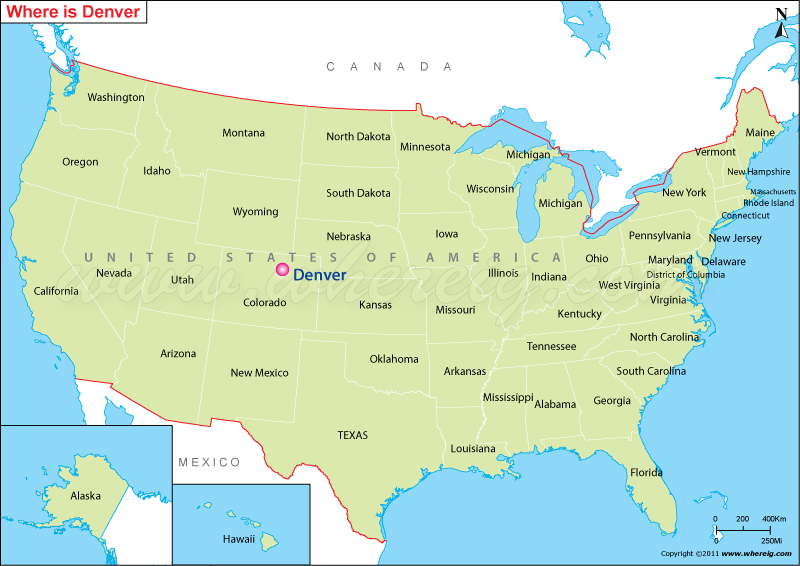
The question of “how far” is relative, depending on your starting point, chosen mode of travel, and desired pace. Denver is a major transportation nexus, serving as a gateway to the Rocky Mountains and a popular destination in its own right. Understanding the logistics of reaching it will significantly enhance your travel planning.
Distance from Major U.S. Cities
The mileage to Denver varies dramatically across the United States. For those embarking on a cross-country adventure, understanding these approximate distances can help in charting your course.
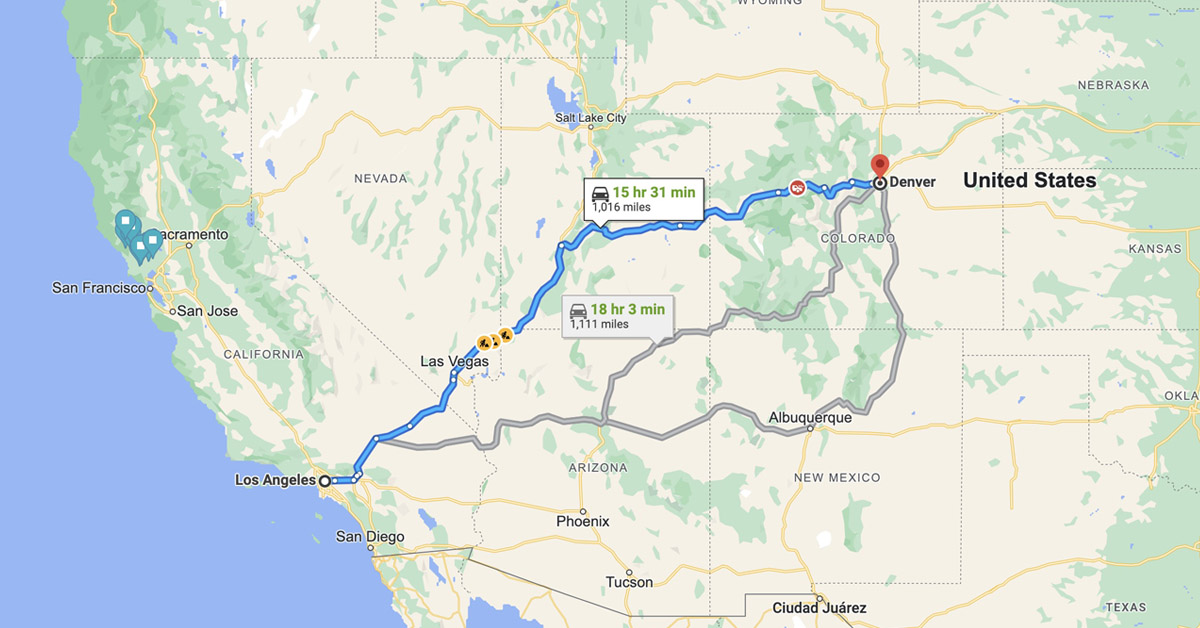
- West Coast: From cities like Los Angeles, California (approximately 1,000 miles) or Seattle, Washington (around 1,300 miles), driving to Denver is a significant undertaking, often best broken down over several days. Flying is a more common and efficient option, with flight times typically around 2.5 to 3 hours.
- Midwest: Cities such as Chicago, Illinois (about 1,000 miles) or Dallas, Texas (roughly 750 miles) offer a slightly shorter driving distance. Driving can be a viable option, especially for those who enjoy the open road and wish to stop at various points of interest along the way. Flight times from these cities are generally in the 2 to 3-hour range.
- East Coast: From major hubs like New York City, New York (over 1,600 miles) or Miami, Florida (over 2,000 miles), driving to Denver is a multi-day expedition. For most travelers, flights are the most practical choice, with durations typically ranging from 4 to 5 hours.
Modes of Transportation: Choosing Your Path
The “how” of getting to Denver is as important as the “how far.” Each mode of transport offers a unique experience and set of considerations.
Flying to Denver International Airport (DEN)
Denver International Airport (DEN) is a major international airport and a hub for several airlines, including United Airlines. It serves millions of passengers annually and is well-connected to cities across the globe.
- Direct Flights: Many major cities offer direct flights to DEN, making it the fastest way to reach Denver.
- Layover Considerations: If direct flights are not available, layovers can extend travel time significantly. It’s wise to factor in potential delays and the time spent in transit lounges.
- Airport Amenities and Transport: Upon arrival, DEN offers a wide array of amenities, including car rentals, taxis, ride-sharing services, and the A-Line train, which provides efficient public transportation into downtown Denver.
Driving to Denver
For those who prefer the freedom and flexibility of a road trip, driving to Denver offers an immersive experience.
- Major Interstates: The primary routes to Denver are Interstate 70 (I-70) from the east and west, and Interstate 25 (I-25) from the north and south.
- Road Conditions and Weather: It’s crucial to monitor road conditions, especially during winter months. Colorado highways, particularly I-70 through the mountains, can experience closures due to snow and ice. Checking the Colorado Department of Transportation website for real-time updates is highly recommended.
- Scenic Routes: Depending on your starting point, you can incorporate scenic detours. For example, driving I-70 through the Rocky Mountains offers breathtaking vistas and opportunities to stop at charming mountain towns.
- Fuel and Rest Stops: Plan for regular stops for fuel, food, and rest. The distances between services can be considerable in some areas, especially in the more remote mountain passes.
Train Travel to Denver
While less common for long-distance travel to Denver from many parts of the country, Amtrak offers a unique perspective for those who choose this mode.
- California Zephyr: This iconic Amtrak route connects Chicago to San Francisco via Denver, traversing some of the most dramatic landscapes in the United States. The journey offers a leisurely pace and opportunities to see the country unfold.
- Southwest Chief: This route connects Chicago to Los Angeles, with a stop in Denver.
- Time Investment: Train travel is significantly slower than flying and can take days to reach Denver from distant origins. It is best suited for travelers with ample time who value the journey itself.
Navigating Denver: Once You Arrive
The distance is covered, and you’ve arrived in Denver. Understanding how to navigate the city and its surroundings will ensure a smooth continuation of your travel experience.
Getting Around the City
Denver has a growing public transportation system and is generally amenable to exploration.
- Public Transit: The Regional Transportation District (RTD) operates buses and light rail services throughout the metropolitan area. The aforementioned A-Line train connects DEN to downtown, and the University of Colorado A Line and the Commuter Rail provide access to various suburbs.
- Ride-Sharing and Taxis: Uber and Lyft are readily available in Denver, and traditional taxi services are also an option.
- Car Rental: If you plan to explore beyond the city limits, particularly the mountain regions, renting a car is highly recommended. Car rental agencies are conveniently located at DEN and in various city locations.
- Biking: Denver is becoming increasingly bike-friendly, with a growing network of bike lanes and a popular bike-sharing program.
Beyond the City Limits: Day Trips and Excursions
The allure of Denver extends to its proximity to stunning natural landscapes and charming towns, making day trips a popular activity.
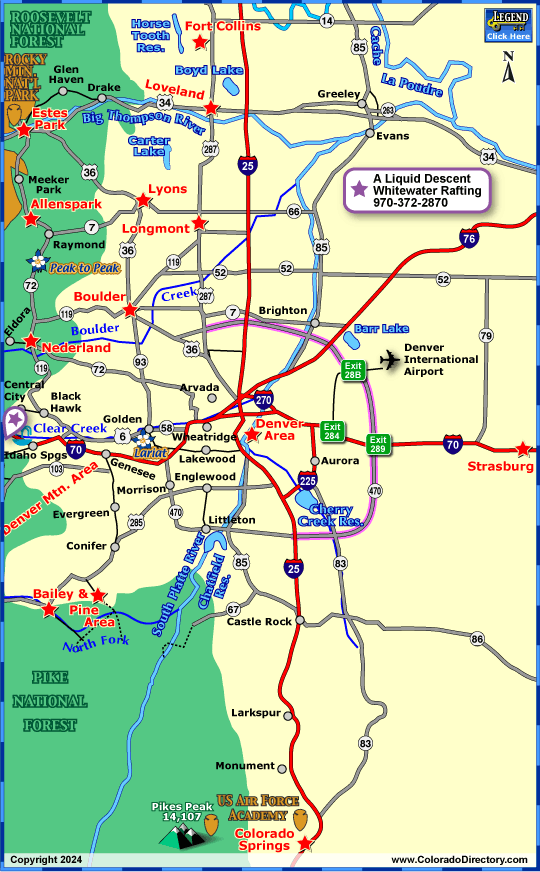
- Rocky Mountains National Park: Approximately 65-75 miles northwest of Denver, this park is a prime destination for hiking, wildlife viewing, and experiencing the majesty of the Rockies. Trail Ridge Road, the highest continuous paved highway in North America, offers unparalleled scenic drives.
- Boulder, Colorado: A vibrant university town located about 30 miles northwest of Denver, known for its Flatirons rock formations, bustling Pearl Street Mall, and outdoor recreation opportunities.
- Colorado Springs, Colorado: Situated about 70 miles south of Denver, this city is home to Garden of the Gods park, with its striking red rock formations, and the famous Pikes Peak mountain.
- Mountain Towns: Numerous ski resorts and historic mining towns like Breckenridge, Vail, and Aspen are within a few hours’ drive, offering different seasonal attractions and a taste of mountain culture.
Factors Influencing Travel Time
While the mileage provides a baseline, actual travel time to Denver can be influenced by several variables. Understanding these can lead to more accurate journey planning.
Time of Year and Seasonal Impacts
The season of your travel will significantly impact your journey.
- Summer: Generally the most popular time to visit Denver and the surrounding Rocky Mountains. Weather is typically pleasant for outdoor activities, but it also means higher airfares, more crowded attractions, and increased road traffic, especially on weekends and holidays.
- Fall: Offers beautiful foliage, particularly in the mountain regions, and fewer crowds than summer. The weather can be unpredictable, with early snowfalls possible in the higher elevations.
- Winter: A prime season for skiing and snowboarding in Colorado. However, winter travel to Denver can be subject to weather delays, road closures (especially on I-70), and flight cancellations. Driving requires careful preparation and vigilance.
- Spring: A transitional period. While the city might be experiencing pleasant spring weather, the mountains are still in their winter prime for snow sports. Mud season can affect some mountain roads.
Traffic and Road Conditions
Even within the city or on major interstates, traffic can be a significant factor.
- Rush Hour: Denver experiences typical urban rush hour congestion, particularly on I-25 and I-70, affecting travel times to and from the airport and within the metropolitan area.
- Construction: Road construction projects are common throughout the warmer months and can cause significant delays on major arteries.
- Weather-Related Incidents: As mentioned, snow, ice, and even heavy rain can lead to accidents and closures, especially in mountainous terrain, dramatically increasing travel times or forcing detours.
Booking in Advance
For any mode of transport, booking your flights, accommodations, or even rental cars well in advance can not only secure better prices but also ensure availability, especially during peak travel seasons. This foresight is a critical component of successfully navigating the journey to Denver.
Ultimately, the question of “How Far Is It To Denver, Colorado?” is more than just a mileage calculation. It’s an invitation to plan, explore, and experience the journey itself, with Denver serving as a rewarding destination at the end of many diverse paths.
LifeOutOfTheBox is a participant in the Amazon Services LLC Associates Program, an affiliate advertising program designed to provide a means for sites to earn advertising fees by advertising and linking to Amazon.com. Amazon, the Amazon logo, AmazonSupply, and the AmazonSupply logo are trademarks of Amazon.com, Inc. or its affiliates. As an Amazon Associate we earn affiliate commissions from qualifying purchases.