
The sun-drenched allure of the Sunshine State beckons travelers year-round, but for many, the quintessential “Florida summer” experience is tied to specific climatic and experiential cues. While the calendar offers a definitive start to the astronomical season, the true beginning of Florida’s summer is a more nuanced affair, encompassing meteorological shifts, peak travel periods, and the vibrant awakening of its iconic destinations. Understanding when Florida’s summer truly begins can significantly enhance a visitor’s planning, allowing them to optimize their trip for the experiences they most desire, whether it’s the thrilling energy of theme parks or the tranquil escape of its pristine beaches.
Meteorological Markers of Summer
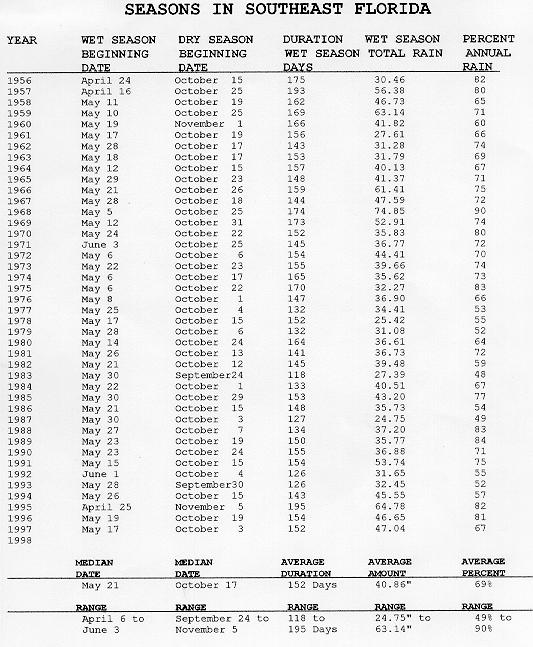
The transition to summer in Florida is not a single, abrupt event but rather a gradual embrace of warmer temperatures, increased humidity, and the distinct pattern of afternoon thunderstorms. While meteorologists define summer by temperature trends, Floridians and visitors often perceive its arrival through a combination of these factors.
The Rise in Temperature and Humidity
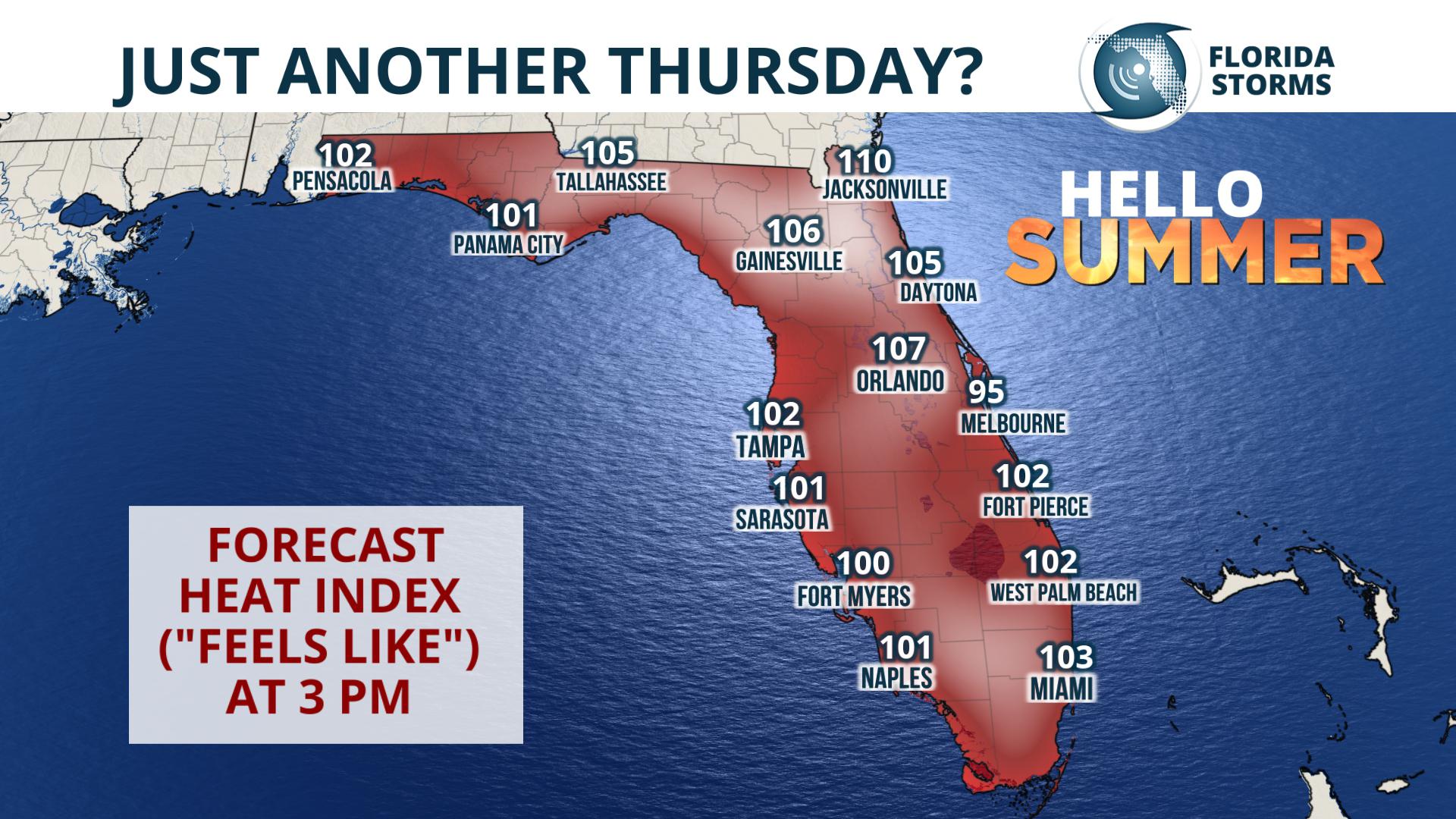
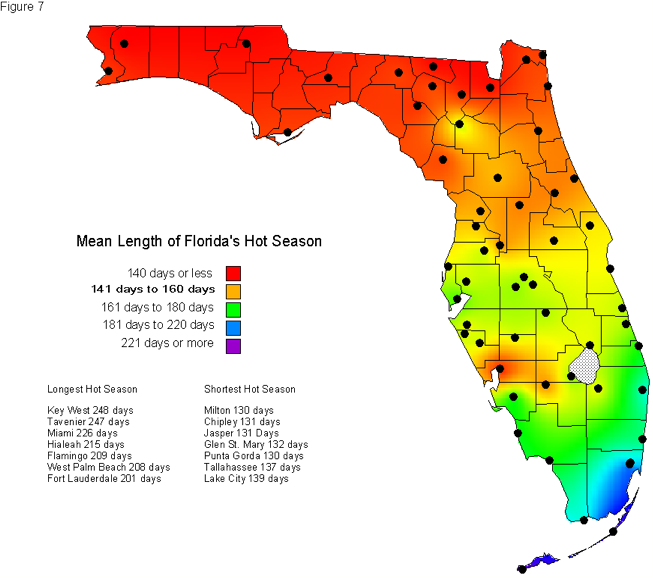
The most immediate indicator of summer’s approach is the sustained rise in average daily temperatures. By May, most of Florida is already experiencing consistently warm weather, with daytime highs frequently reaching the high 80s and even low 90s Fahrenheit across the state. This warmth is amplified by a significant increase in humidity, a hallmark of the Florida climate that can make the air feel even hotter. Coastal areas often benefit from a moderating sea breeze, which can offer some respite, but inland regions, particularly cities like Orlando and Tampa, can feel intensely tropical. The prolonged daylight hours further contribute to the sensation of a full summer season, with evenings remaining warm and inviting well after the sun has set. This atmospheric shift is a clear signal that the traditional summer months have arrived.
The Afternoon Thunderstorm Phenomenon
A defining characteristic of Florida’s summer is the predictable daily occurrence of afternoon thunderstorms. These are not typically the prolonged, drizzly rains of other regions but rather intense, localized downpours accompanied by thunder and lightning. They are fueled by the intense heat and humidity, often building rapidly in the late afternoon. While they can briefly disrupt outdoor plans, these storms also serve a crucial purpose, providing a refreshing cooldown and replenishing the state’s lush vegetation. For visitors, understanding this pattern is key to planning activities. Mornings are often clear and sunny, making them ideal for exploring outdoor attractions or enjoying the beach. The late afternoon and early evening might bring a temporary shower, after which the skies often clear, leading to beautiful, humid evenings. This meteorological dance is an integral part of the Florida summer experience.
Peak Travel Seasons and Experiential Cues
Beyond the purely climatic, the start of Florida’s summer is also marked by shifts in visitor numbers and the opening of seasonal attractions and events. These experiential cues often align with or even precede the meteorological definition of summer.
School Holidays and Family Vacations
The most significant driver of Florida’s summer travel season is the conclusion of the academic year for schoolchildren across the nation. As school doors close in late May and early June, families begin flocking to the state for their annual summer vacations. This influx of visitors dramatically impacts the atmosphere in popular tourist hubs. Theme parks in the Orlando area, such as Walt Disney World Resort and Universal Orlando Resort, see their busiest periods during this time. Beaches along the Gulf Coast and the Atlantic Coast become significantly more crowded, with families seeking sun, sand, and surf. Hotels and vacation rentals experience a surge in demand, and booking accommodations and attraction tickets well in advance becomes essential. This period, generally starting in earnest around Memorial Day weekend, firmly establishes the popular perception of summer in Florida.
Opening of Summer Attractions and Events
Many of Florida’s most beloved summer attractions and events kick off as the weather warms and school holidays begin. Water parks, like Aquatica Orlando and Blizzard Beach, open their gates, offering a cool reprieve from the heat. Outdoor festivals, concerts, and special programming at various attractions become more prevalent. Coastal communities often host summer-long events, from fireworks displays over the ocean to vibrant street fairs and seafood festivals. The energy of these events, coupled with the consistent sunshine and warm weather, creates a palpable sense of summer. For many, the start of these activities signals the true commencement of the summer season, offering a wealth of experiences to dive into.
Preparing for Your Florida Summer Adventure
Understanding when Florida’s summer truly begins is crucial for planning a successful and enjoyable trip. Whether you’re aiming for the peak season excitement or seeking a slightly less crowded experience just before or after, timing is everything.
Optimizing Your Travel Dates
For those who thrive on the energetic buzz of peak season, planning your trip to coincide with the school holidays, from late May through August, will immerse you in the full Florida summer experience. Expect vibrant crowds at all major attractions, lively beach scenes, and a constant stream of events. However, if you prefer a slightly more relaxed atmosphere, consider traveling in the shoulder seasons. Late April and early May can offer beautiful warm weather with fewer crowds, while late August and early September, after most families have returned home, can provide a return to a more tranquil pace while still retaining summer’s warmth. This strategic timing allows you to tailor your visit to your desired level of activity and crowds.
Essential Packing and Preparation
Regardless of when you choose to visit during the summer months, adequate preparation is key. Lightweight, breathable clothing is a must, along with ample sunscreen, hats, and sunglasses to protect against the strong Florida sun. Staying hydrated is paramount; carry a reusable water bottle and make use of the many water fountains available. For those planning to visit theme parks or engage in extensive outdoor activities, comfortable walking shoes are essential. Evenings can remain warm, so light layers might be useful for cooler breezes near the coast or in air-conditioned indoor spaces. Finally, always be prepared for those afternoon thunderstorms with a small, portable umbrella or a quick-drying rain jacket. Embrace the heat, the humidity, and the sunshine, and you’ll be well on your way to experiencing the best of a Florida summer.
LifeOutOfTheBox is a participant in the Amazon Services LLC Associates Program, an affiliate advertising program designed to provide a means for sites to earn advertising fees by advertising and linking to Amazon.com. Amazon, the Amazon logo, AmazonSupply, and the AmazonSupply logo are trademarks of Amazon.com, Inc. or its affiliates. As an Amazon Associate we earn affiliate commissions from qualifying purchases.