
Embarking on a journey from the historic shores of Jacksonville in North Florida to the vibrant, sun-drenched metropolis of Miami in the south offers travelers a comprehensive taste of the Sunshine State’s diverse landscapes, cultures, and attractions. While the primary question might be about the distance, the answer unfolds into a tapestry of travel experiences, each promising unique insights into what makes Florida such a captivating destination. This article delves beyond mere mileage, exploring the various ways to traverse this significant stretch of the state, the intriguing stops one might encounter, and the accommodation and lifestyle choices that define the journey. Whether you’re planning a quick flight for a business meeting, a leisurely road trip with family, or an economical bus ride, understanding the nuances of this route is key to maximizing your travel enjoyment.

The Journey Unveiled: Distance and Travel Time
The distance between Jacksonville and Miami is substantial, spanning nearly the entire length of the Florida peninsula. This considerable stretch offers travelers a variety of options, each with its own advantages in terms of speed, cost, and the overall experience. Understanding these modalities is the first step in planning your perfect trip, whether you prioritize efficiency or the scenic route.
By Road: Driving the Sunshine State
For many, the quintessential American travel experience is a road trip, and the drive from Jacksonville to Miami delivers spectacularly. The approximate driving distance is around 345 to 350 miles (555 to 563 kilometers), depending on the exact starting and ending points within each city. This translates to an estimated driving time of 5.5 to 6.5 hours without significant stops or heavy traffic.
The primary artery connecting these two major cities is Interstate 95 (I-95), a multi-lane highway that runs along Florida’s eastern coast. I-95 is generally well-maintained, though travelers should be prepared for varying traffic conditions, especially around metropolitan areas like Daytona Beach, Orlando (if taking a slight detour), Palm Beach, and Fort Lauderdale. Tolls are minimal on this route, but it’s always wise to have a SunPass or sufficient cash for any unexpected tolls, particularly if veering off the interstate onto expressways in South Florida.
A road trip offers unparalleled flexibility. You can set your own pace, make impromptu stops at roadside attractions, or linger longer in towns that catch your eye. It’s an ideal option for families, those traveling with pets, or anyone looking to transport a significant amount of luggage. Planning for fuel stops, restroom breaks, and perhaps even an overnight stay if you wish to truly explore the intermediate destinations is crucial. The journey itself becomes part of the adventure, traversing diverse landscapes from the pine forests of North Florida to the tropical urban sprawl of the south.
Taking to the Skies: Air Travel Options
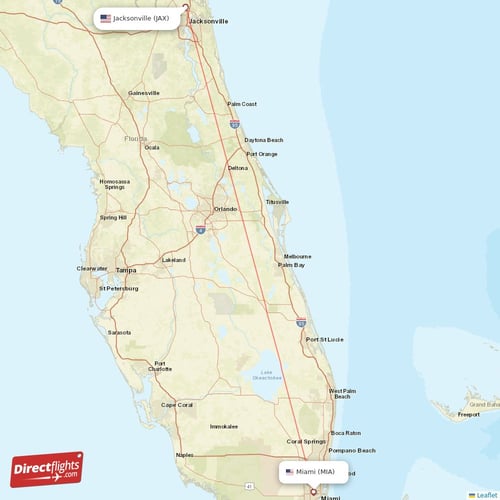
For those prioritizing speed and convenience, flying is undoubtedly the fastest way to travel between Jacksonville and Miami. Direct flights typically have a duration of approximately 1 hour to 1 hour and 15 minutes. When accounting for airport procedures – check-in, security, boarding, and deplaning – the total travel time from city center to city center usually ranges from 3 to 5 hours, depending on airport proximity and traffic.
The main airports for this route are Jacksonville International Airport (JAX) and Miami International Airport (MIA). Both are major hubs offering numerous daily flights, often with competitive pricing, especially if booked in advance. Another popular option for arriving in South Florida is Fort Lauderdale-Hollywood International Airport (FLL), which is about 30 miles (48 km) north of Miami. FLL often serves budget airlines and can sometimes offer more economical flights, though it adds a short drive or ride-share to reach Miami proper.
Air travel is particularly suitable for business travelers, those with limited time, or individuals who prefer to avoid long drives. While it eliminates the scenic aspect of the drive, it significantly cuts down on transit time, allowing more time to enjoy either Jacksonville or Miami.
Rail and Bus: Scenic and Economical Choices
For travelers seeking a more relaxed pace or a budget-friendly option, both rail and bus services connect Jacksonville and Miami.
Rail Travel: Amtrak provides passenger rail service along Florida’s eastern corridor. The journey from Jacksonville Station to Miami Station typically takes 6 to 7 hours, depending on the specific train and any scheduled stops. While slower than driving or flying, Amtrak offers a comfortable experience with spacious seating, dining cars, and the ability to move around during the journey. It’s a great option for enjoying the passing scenery without the stress of driving, and often includes Wi-Fi and power outlets for productivity or entertainment.
Bus Services: Several bus companies operate routes between Jacksonville and Miami, including well-known carriers like Greyhound and more luxurious options such as RedCoach. Bus travel is generally the most economical choice, with tickets often significantly cheaper than air or rail fares, especially when booked in advance. The travel time by bus is comparable to or slightly longer than train travel, usually ranging from 6.5 to 8 hours, depending on the number of stops and traffic conditions. Modern bus services often provide amenities like reclining seats, onboard restrooms, Wi-Fi, and power outlets, making the journey more pleasant. This option is ideal for budget travelers, students, or anyone who enjoys the simplicity and affordability of bus travel.
A Florida Road Trip: Exploring Between Cities
The journey from Jacksonville to Miami, particularly by car, offers an incredible opportunity to discover the diverse tapestry of Florida’s landscapes, history, and vibrant communities. Far from a monotonous drive, the route along I-95 is dotted with potential detours and destinations that can transform a simple transit into an unforgettable road trip adventure.
Northern Florida’s Charms
Starting from Jacksonville, the immediate region offers a wealth of history and natural beauty. Just a short drive south lies St. Augustine, the nation’s oldest continuously inhabited European-established settlement. This enchanting city is a living museum, boasting cobblestone streets, colonial architecture, and the formidable Castillo de San Marcos, a 17th-century Spanish fortress. Visitors can explore historic sites, take a scenic trolley tour, or enjoy the quaint shops and restaurants.
Further south along the coast, Daytona Beach beckons with its world-famous motorsports heritage and expansive sandy shores where, uniquely, cars are permitted to drive. Home to the Daytona International Speedway, it’s a must-see for racing enthusiasts, while its pier and boardwalk offer classic seaside entertainment for families.
For those willing to venture slightly inland, Orlando presents itself as a world-renowned hub of theme park entertainment. While it’s a detour from the direct coastal route, a stop here can transform a journey into a full-fledged family vacation. Iconic destinations like Walt Disney World Resort and Universal Orlando Resort offer endless excitement and are well worth the slight diversion for those with time to spare.
Central Florida’s Coastal Gems

Continuing south, the Space Coast area around Titusville offers a fascinating glimpse into America’s space exploration history. The Kennedy Space Center Visitor Complex is an inspiring stop where visitors can tour launch sites, meet veteran astronauts, and marvel at space shuttles and rockets. It’s an educational and awe-inspiring experience for all ages.
Further down the coast, cities like Melbourne and Vero Beach offer a more laid-back coastal experience. These charming towns are known for their beautiful, less crowded beaches, thriving arts scenes, and excellent opportunities for outdoor activities like surfing, fishing, and kayaking. They provide a tranquil contrast to the bustling theme parks and historic cities.
As you approach South Florida, the opulence of Palm Beach becomes evident. This luxurious island town is famous for its upscale boutiques, fine dining, and Gilded Age mansions. A visit to the Flagler Museum, the opulent former estate of railroad magnate Henry Flagler, offers a window into the lavish lifestyles of America’s early 20th-century elite and the beginnings of Florida’s tourism industry.
South Florida’s Gateways
Before reaching Miami, travelers pass through Fort Lauderdale, often dubbed the “Venice of America” due to its intricate canal system. This city is a vibrant destination in its own right, known for its beautiful beaches, upscale dining, lively nightlife, and the famous Las Olas Boulevard. It’s a popular spot for yachting and water sports, offering a taste of the South Florida lifestyle.
Adjacent to Fort Lauderdale is Hollywood, another coastal city with its own unique charm. Its standout feature is the Hollywood Beach Broadwalk, a brick promenade stretching for nearly two and a half miles along the Atlantic Ocean. It’s perfect for walking, biking, rollerblading, and enjoying oceanfront dining and entertainment.
These intermediate stops not only break up the drive but also provide invaluable opportunities to experience the diverse facets of Florida tourism, from historical immersion to thrilling adventures and luxurious relaxation.
Accommodation and Lifestyle: Enhancing Your Journey
Whether your journey from Jacksonville to Miami is direct or filled with scenic detours, thoughtful planning for accommodation and understanding the local lifestyle will significantly enhance your experience. Florida’s expansive tourism infrastructure ensures that every type of traveler, from luxury seekers to budget-conscious adventurers, finds suitable options.
Diverse Stays Along the Route
Along the I-95 corridor and in the major cities, a vast array of accommodation choices awaits. In cities like St. Augustine, you might find charming bed and breakfasts housed in historic buildings, offering a unique local flavor, alongside modern chain hotels such as Hilton and Marriott properties. These provide reliable comfort and a range of amenities. For those visiting Orlando, the options are almost limitless, from sprawling theme park resorts with extensive amenities to more budget-friendly hotels and vacation rentals perfect for families.
As you move south to areas like Palm Beach or Fort Lauderdale, luxury resorts and boutique hotels become more prevalent, catering to travelers seeking high-end experiences, spas, gourmet dining, and direct beach access. For budget travelers, motels and smaller inns are available in most towns, and vacation rentals through platforms like Airbnb or VRBO offer a home-away-from-home feel, especially beneficial for longer stays or larger groups.
When booking accommodation, it’s always advisable to do so in advance, especially during peak travel seasons or major events in Florida. Utilize comparison websites and read recent reviews to ensure the property meets your expectations. Consider the amenities important to you, whether it’s a pool for the kids, pet-friendly policies, or business facilities.
Experiencing Florida’s Lifestyle and Culture
The lifestyle along the Jacksonville to Miami route is as varied as its geography. In North Florida, you’ll encounter a blend of Southern charm and coastal living, characterized by fresh seafood, historical reenactments, and a relaxed pace. Central Florida shifts towards family-centric entertainment and the awe of space exploration, with culinary offerings ranging from diverse international cuisine in Orlando to local seafood shacks on the coast.
As you head into South Florida, the atmosphere becomes more cosmopolitan and vibrant. Miami in particular is a melting pot of cultures, heavily influenced by its Latin American and Cuban heritage. This is reflected in its lively music scene, world-renowned art districts, and, most notably, its incredible food. From authentic Cuban sandwiches and coffee in Little Havana to high-end fusion dining in South Beach, the culinary landscape is a major draw.
Activities abound across the state. Water sports like paddleboarding, kayaking, and fishing are popular along the entire coast. Golf courses are plentiful and diverse, catering to all skill levels. Shopping opportunities range from outlet malls near Orlando to luxury boutiques in Palm Beach and Miami. Nightlife evolves from casual beach bars in Daytona Beach to the pulsating clubs of Miami.
For families, the theme parks in Orlando are a clear highlight, but many coastal towns also offer family-friendly beaches and attractions. Couples might prefer the romantic ambiance of St. Augustine or the sophisticated nightlife of Miami. Business travelers will find excellent facilities and connectivity in all major cities. Understanding these lifestyle nuances helps travelers tailor their journey to their preferences, whether seeking luxury travel, budget-friendly options, or a mix of experiences.
Arriving in Miami: The Magic City Awaits
Upon arrival, the vibrant energy of Miami is immediately palpable. Known as the “Magic City,” Miami is a dynamic hub of international commerce, culture, and leisure. Its unique blend of tropical allure and urban sophistication makes it a captivating final destination for any traveler coming from Jacksonville.
Key attractions like the iconic South Beach with its pastel-hued Art Deco Historic District invite visitors to soak up the sun, enjoy the vibrant nightlife, and admire the distinctive architecture. For a taste of Cuban heritage, Little Havana offers a sensory explosion of music, food, and culture, where you can watch cigars being rolled and enjoy strong Cuban coffee. The magnificent Vizcaya Museum & Gardens, an opulent estate reminiscent of a European villa, provides a glimpse into Miami’s gilded past amidst stunning bayfront scenery. Other popular areas include the Wynwood Walls for street art, Brickell for its towering skyscrapers and financial district, and Key Biscayne for serene beaches and lighthouse views.
Accommodation in Miami caters to every desire. From lavish five-star hotels and exclusive resorts in South Beach and downtown to stylish boutique hotels in Coconut Grove and more budget-friendly options further inland, the choices are abundant. Many hotels boast luxurious amenities, including rooftop pools, world-class spas, and celebrity chef restaurants, reflecting Miami’s status as a premier global destination.
In conclusion, the journey from Jacksonville to Miami is more than just covering a significant distance of roughly 345 miles; it’s an opportunity to experience the diverse heart of Florida. Whether you choose the efficiency of a short flight, the flexibility and scenic potential of a road trip along I-95, or the relaxed pace of rail or bus travel, each option presents its own unique advantages. Along the way, you can immerse yourself in the rich history of St. Augustine, the thrill of Daytona Beach, the wonders of the Kennedy Space Center Visitor Complex, or the luxury of Palm Beach and Fort Lauderdale. Upon reaching Miami, the reward is a vibrant cultural tapestry, stunning beaches, and a lifestyle that pulses with energy. By planning your travel method, considering potential stops, and understanding the accommodation and cultural offerings along the route, your journey across the Sunshine State can be as enriching and memorable as the destination itself.
LifeOutOfTheBox is a participant in the Amazon Services LLC Associates Program, an affiliate advertising program designed to provide a means for sites to earn advertising fees by advertising and linking to Amazon.com. Amazon, the Amazon logo, AmazonSupply, and the AmazonSupply logo are trademarks of Amazon.com, Inc. or its affiliates. As an Amazon Associate we earn affiliate commissions from qualifying purchases.