
For travelers embarking on an adventure to the rugged beauty of Montana, understanding the local time isn’t just a matter of setting your watch; it’s fundamental to seamlessly navigating your itinerary, from booking a cozy hotel to catching a breathtaking sunrise over the Rocky Mountains. Montana, often called the “Big Sky Country,” operates predominantly within one time zone, simplifying things for visitors yet offering unique considerations for those coming from afar. This guide delves into everything you need to know about Montana’s time, and how it impacts your travel, accommodation, and overall experience in this magnificent Western United States destination.
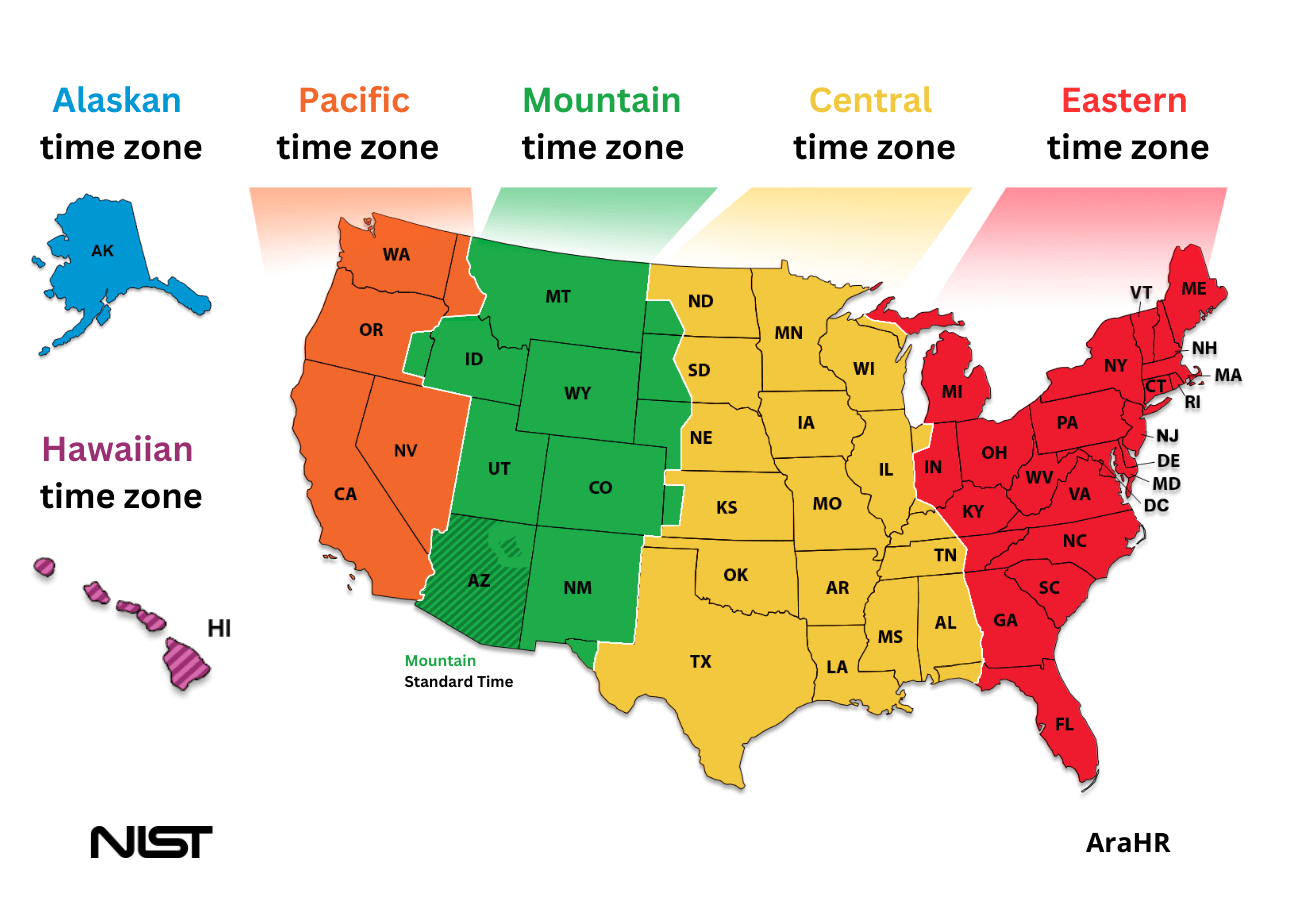
Understanding Montana’s Time Zone: Mountain Time Ascendant
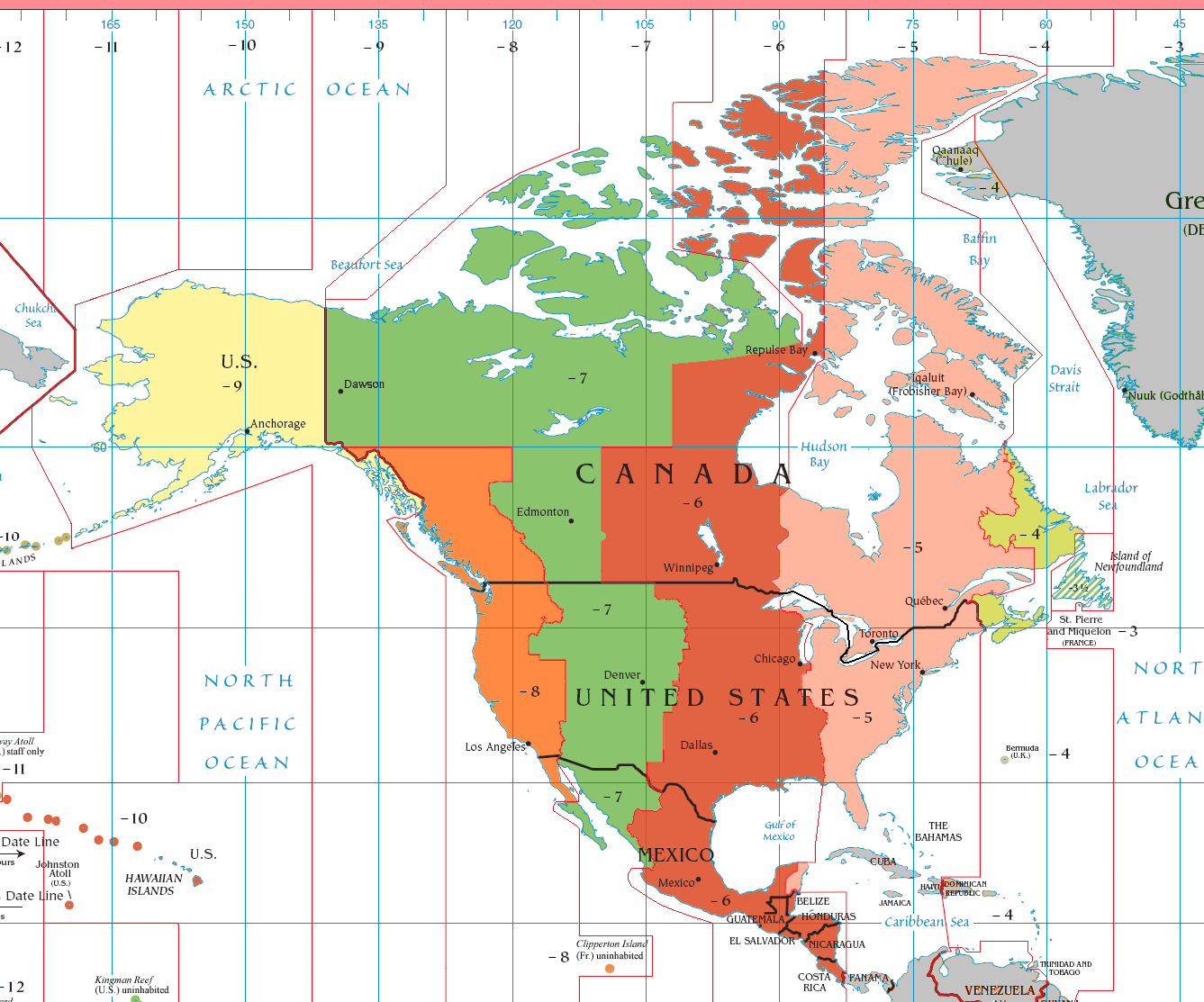
Montana observes the Mountain Time Zone (MT), which is seven hours behind Coordinated Universal Time (UTC-7) during Standard Time and six hours behind during Daylight Saving Time (UTC-6). This means that for much of the year, when most of the United States adjusts for daylight saving, Montana switches from Mountain Standard Time (MST) to Mountain Daylight Time (MDT). The transition typically occurs on the second Sunday in March, when clocks “spring forward” one hour, and reverts on the first Sunday in November, when they “fall back.”
Historically, time zones were a crucial development for the sprawling United States, particularly with the advent of railroad travel. Before their establishment in 1883 by the major railroad companies, each town often kept its own local time, determined by the sun’s position. This chaotic system led to scheduling nightmares. The four standard time zones – Eastern, Central, Mountain, and Pacific – were a pragmatic solution, eventually codified into law. Montana’s placement in the Mountain Time Zone reflects its geographical position, roughly midway between the Central Time Zone to its east and the Pacific Time Zone to its west, aligning it with neighboring states like Wyoming, Idaho (partially), and Colorado.
For travelers arriving from other time zones, particularly the Eastern Time Zone, this can mean a two or three-hour shift. This seemingly small difference can have a significant impact on your body clock, affecting everything from sleep patterns to appetite. Understanding and preparing for this adjustment, often referred to as jet lag, is key to a comfortable and enjoyable trip.
Daylight Saving Time in Montana
Like most of the United States and many other countries, Montana observes Daylight Saving Time. This annual shift means longer daylight hours in the evening during the warmer months, a significant benefit for visitors eager to explore Montana’s natural wonders. From spring through fall, the extra hour of daylight extends opportunities for hiking, fishing, sightseeing, and enjoying outdoor activities late into the evening.
However, this also means that mornings can feel darker for longer, especially in the early spring. While the concept of Daylight Saving Time is often debated, for tourists in Montana, it generally enhances the summer travel experience by maximizing the time available for exploration under the generous Big Sky. Always double-check the exact dates for the time changes if your trip falls around March or November to ensure your schedule remains accurate.
Planning Your Montana Adventure: Time Zone Considerations
Integrating Montana’s time zone into your travel planning goes beyond merely setting your watch. It influences everything from flight schedules and hotel check-ins to dining reservations and coordinating with local tour operators. Thoughtful consideration of these factors will help you make the most of your visit, ensuring a smooth and stress-free experience.
Flights and Arrivals
When booking flights into major Montana airports like Billings Logan International Airport, Missoula International Airport, or Bozeman Yellowstone International Airport, pay close attention to the arrival times listed. These will always be in the local time zone of the destination. If you’re flying from the East Coast, a morning departure could mean an afternoon arrival in Montana, but your body might still feel like it’s dinner time.
Consider scheduling your arrival for later in the day if you anticipate needing immediate rest, or plan for a light day of activities on your first day. Many travelers find it helpful to adjust their sleep schedule gradually in the days leading up to their departure. Hydration and avoiding heavy meals or excessive alcohol during travel can also mitigate the effects of jet lag, ensuring you’re refreshed and ready to experience Montana’s wonders.
Accommodation and Bookings
Hotels, resorts, and other accommodation providers in Montana operate strictly on Mountain Time. Standard check-in times are usually in the afternoon (e.g., 3:00 PM or 4:00 PM local time), and check-out times are typically in the late morning (e.g., 11:00 AM or 12:00 PM local time). If your flight arrives early, inform your chosen hotel or resort in advance. Many establishments, like the luxurious Kimpton Armory Hotel Bozeman or a cozy suite at The Resort at Paws Up, may offer early check-in based on availability, though it’s never guaranteed. Similarly, late check-out might be an option for an additional fee.
When making reservations for dining, tours, or guided experiences, always confirm the scheduled time in Mountain Time. For instance, if you’re planning a horseback riding adventure at Triple Creek Ranch or a visit to Chico Hot Springs Resort, knowing the exact local time for your booking is crucial. For luxury travel experiences, concierge services can often assist with these logistical details, helping you manage your schedule across time zones.
Outdoor Activities and Attractions
Montana’s appeal lies largely in its vast outdoor spaces and iconic landmarks. Timing is critical for many of these experiences. For example, entry gates at Glacier National Park or Yellowstone National Park (which straddles Wyoming, Montana, and Idaho, but largely operates on Mountain Time) have specific opening and closing hours. Popular trails, ranger-led programs, and boat tours on Flathead Lake adhere strictly to local time.
Ski resorts like Big Sky Resort and Whitefish Mountain Resort have set lift operating times. Arriving too early or too late can mean missing out on precious slope time. For activities like fly fishing, river rafting on the Yellowstone River, or exploring the Lewis and Clark Trail sites, guides and outfitters will communicate all timings in Mountain Time. Always confirm your scheduled rendezvous points and times to ensure you don’t miss your adventure.
Embracing Montana’s Rhythms: Daylight, Seasons, and Local Life
Beyond the clock on your wrist, the actual amount of daylight hours can significantly shape your Montana experience. Montana’s northern latitude means dramatic variations in daylight throughout the year, impacting your plans, local culture experiences, and even your body’s natural rhythms.
Long Summer Days and Short Winter Days
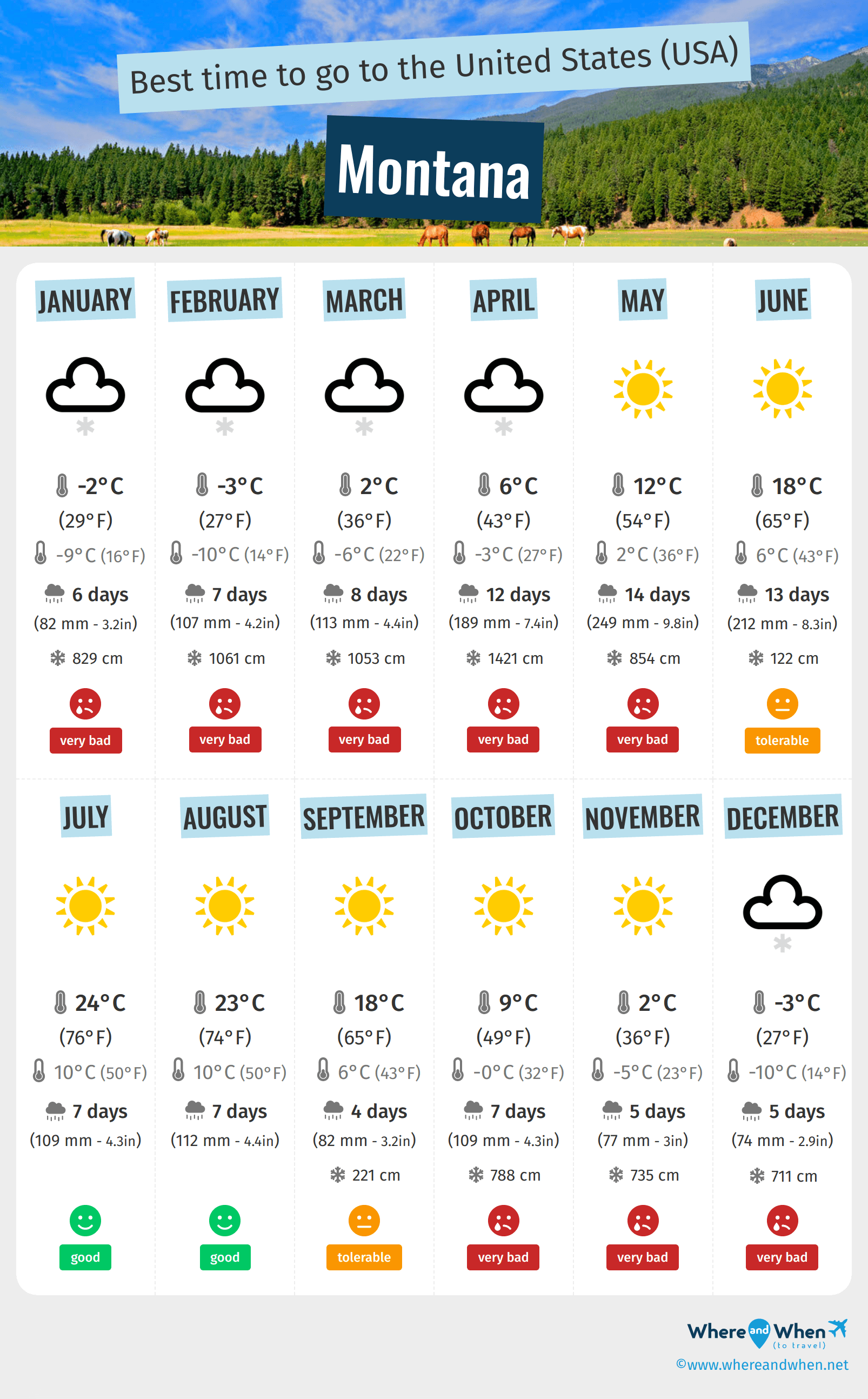
During the peak summer months (June, July, August), Montana enjoys incredibly long days. The sun can rise as early as 5:30 AM and set as late as 9:30 PM, providing up to 16 hours of daylight. This extended daylight is a boon for travelers, allowing for longer hikes, scenic drives, and evening barbecues under a lingering twilight. It’s the perfect time for maximizing your exploration of national parks, embarking on multi-day travel experiences, or enjoying relaxed evenings on the patio of your resort or villa.
Conversely, winter in Montana brings shorter days and longer nights. In December and January, daylight hours can shrink to around eight or nine hours, with the sun rising around 8:00 AM and setting by 5:00 PM. This shift influences winter tourism and activities such as skiing, snowboarding, and snowshoeing, which are often concentrated during the peak daylight hours. It also creates a cozy, intimate atmosphere, perfect for enjoying fireside relaxation at a rustic cabin or unwinding at places like Fairmont Hot Springs Resort after a day on the slopes. Planning for indoor attractions or nighttime wildlife viewing (with proper gear) can fill the evening hours during winter trips.
Sunrise and Sunset Spectacles
For photographers, romantics, or simply those who appreciate natural beauty, understanding Montana’s sunrise and sunset times is essential. The vast, unobstructed horizons of the Big Sky Country offer some of the most spectacular displays of color. Early morning risers can catch the golden hour light illuminating peaks in Glacier National Park or the mist rising from the Yellowstone River. Evening sunsets paint the sky with vibrant hues, perfect for a memorable end to a day of exploration.
Timing your drives, hikes, or dinner reservations to coincide with these natural spectacles can elevate your travel experience. Imagine enjoying a meal with panoramic views as the sun dips below the horizon, or setting up your camera to capture the first light touching a distant mountain range. Apps and websites dedicated to sunrise/sunset times can be invaluable tools for planning these moments, ensuring you’re in the right place at the right time.
Respecting Local Schedules and Culture
While Montana is famous for its laid-back atmosphere, local businesses and attractions adhere to specific operating hours, which are always in Mountain Time. Smaller towns and rural areas might have earlier closing times for shops and restaurants compared to larger cities like Bozeman or Missoula. Museums like the Museum of the Rockies in Bozeman or historical sites like Grant-Kohrs Ranch National Historic Site will have defined visitor hours.
For tourism that involves local culture and community events, timings are equally important. Whether it’s a farmers market in Kalispell, a rodeo in a small town, or a music festival in Helena, these events follow strict local schedules. Being aware of and respecting these timings shows consideration and helps you integrate more smoothly into the local rhythm. Always check websites or call ahead for the most current operating hours, especially during off-peak seasons when some establishments might have reduced hours.
Making the Most of Your Montana Stay
Effective time management, particularly regarding time zone adjustments, can significantly enhance your Montana journey. From choosing the right accommodation to structuring your daily itinerary, a mindful approach to time ensures you capture every moment of this incredible destination.
Choosing Accommodation with Time in Mind
When selecting your accommodation, consider how it can aid in your time zone adjustment and maximize your experience. Many hotels and resorts, especially those catering to luxury travel or family trips, offer amenities designed for traveler comfort. Look for properties with blackout curtains to help regulate sleep cycles, or on-site dining options for convenient meals if you’re experiencing jet lag. Hotels like Delta Hotels by Marriott Helena Colonial or various resorts in Big Sky offer a blend of comfort and convenience that can be crucial after a long journey.
For longer stays or those on a budget travel plan, apartments or villas with kitchens allow you more flexibility with meal times, adapting to your internal clock rather than restaurant hours. Reviews and comparison sites on Life Out of the Box can help you find the perfect match for your needs, ensuring your chosen stay supports your overall wellbeing and travel goals.
Maximizing Daylight and Minimizing Downtime
To truly immerse yourself in Montana’s grandeur, particularly during the long summer days, strategize your daily guides to take full advantage of daylight. Schedule high-energy outdoor activities for the morning and early afternoon, when you’re likely to be most alert. Use the late afternoon and evening for scenic drives, leisurely dining, or enjoying a quiet moment watching the sunset.
During shorter winter days, prioritize your outdoor adventures during the available daylight, and plan indoor attractions or cozy lifestyle activities like reading by the fire or visiting local breweries for the darker hours. Being mindful of the sun’s trajectory can help you avoid feeling rushed or missing out on key experiences due to poor timing.
In conclusion, understanding “What Time Is It In Montana?” is more than a simple query; it’s a foundational element of successful and enjoyable travel through this remarkable state. By knowing Montana operates on Mountain Time, appreciating the nuances of Daylight Saving Time, and planning your itinerary with the rhythm of the sun in mind, you’ll ensure your Montana adventure unfolds seamlessly, leaving you with unforgettable memories under the vast, inspiring Big Sky.
LifeOutOfTheBox is a participant in the Amazon Services LLC Associates Program, an affiliate advertising program designed to provide a means for sites to earn advertising fees by advertising and linking to Amazon.com. Amazon, the Amazon logo, AmazonSupply, and the AmazonSupply logo are trademarks of Amazon.com, Inc. or its affiliates. As an Amazon Associate we earn affiliate commissions from qualifying purchases.