
Planning a road trip through the Sunshine State offers a fantastic opportunity to explore diverse landscapes and vibrant city cultures. The journey from Jacksonville, Florida to Fort Lauderdale, Florida is a classic Florida excursion, traversing a significant portion of the state’s eastern coastline. This route is popular not only for its directness but also for the various points of interest one can encounter along the way. Understanding the distance, estimated travel time, and the best routes will help you optimize your travel experience, whether you’re seeking a speedy transit or a scenic adventure.

The Direct Route: Distance and Estimated Travel Time
The most straightforward and commonly used route connecting Jacksonville and Fort Lauderdale is primarily via Interstate 95 (I-95) South. This major interstate highway is the backbone of eastern Florida’s transportation network, facilitating travel between numerous cities and attractions.
Driving Distance
The total driving distance between Jacksonville, Florida and Fort Lauderdale, Florida is approximately 340 to 350 miles, depending on the specific starting and ending points within each city and minor variations in the GPS route. This distance positions the drive as a substantial undertaking, requiring a full day of travel or the consideration of an overnight stop for a more relaxed pace.
Estimated Driving Time
Under ideal traffic conditions, the estimated driving time for this 340-350 mile journey is typically between 5 hours and 5.5 hours. However, it is crucial to factor in potential delays. Florida roadways, particularly I-95, can experience significant traffic congestion, especially during peak commuting hours, holiday weekends, and major events. Construction projects are also a common occurrence and can lead to substantial slowdowns. Therefore, a more realistic estimate, accounting for average traffic and a brief stop for fuel or a quick break, would be 6 to 7 hours. For those planning to drive during rush hour in either city or on a Friday afternoon heading into the weekend, extending this estimate to 7.5 to 8 hours might be prudent.
Key Highway Considerations
- Interstate 95 (I-95) South: This is the primary artery for this trip. It is a well-maintained, multi-lane highway that generally offers a smooth driving experience.
- Tolls: While I-95 itself is largely toll-free for this segment, some connecting roads or alternative routes might involve tolls. It’s advisable to have a SunPass transponder or be prepared to pay cash at toll plazas if you deviate from the main interstate.
- Speed Limits: The speed limit on I-95 is typically 70 mph in many sections, though it can vary. Adhering to posted speed limits is essential for safety and to avoid costly traffic citations.
- Service Areas: Numerous rest stops and service plazas are available along I-95, offering restrooms, fuel, and dining options. Planning your stops can help break up the drive and ensure you remain comfortable and energized.
Alternative Routes and Scenic Detours
While I-95 offers the most direct path, exploring alternative routes can transform the journey into a more engaging travel experience. These options may add time but provide opportunities to see different facets of Florida.
Utilizing U.S. Route 1
For a more leisurely and potentially scenic drive, consider incorporating portions of U.S. Route 1. This historic highway parallels I-95 for much of its length and passes directly through many towns and cities.
- Benefits: U.S. 1 offers a glimpse into local life, passing through charming downtowns, historic districts, and roadside attractions. You’ll have more opportunities for spontaneous stops at local diners, antique shops, and lesser-known natural areas.
- Drawbacks: Travel time will be significantly increased due to lower speed limits, traffic lights, and the need to navigate through populated areas. This route is best suited for travelers who prioritize exploration and have ample time.
- Example: You could use U.S. 1 to explore cities like St. Augustine (the nation’s oldest continuously inhabited European-established settlement), Daytona Beach, or West Palm Beach in more detail before rejoining I-95 or continuing south towards Fort Lauderdale.
The East Coast Greenway
For the adventurous cyclist or a driver seeking a more immersive experience, portions of the East Coast Greenway can be incorporated. While not a direct driving route, it highlights routes that offer scenic beauty and a slower pace. This would typically involve off-interstate travel and dedicated bike paths or rural roads.
- Considerations: This is not a practical option for a standard car trip aiming for efficiency. It is mentioned here for those interested in a multi-modal approach or exploring the landscape at a very deliberate speed.
Points of Interest Along the Way
The stretch between Jacksonville and Fort Lauderdale is rich with destinations that can easily transform a long drive into a memorable road trip. Here are a few highlights:
Northern Florida Stops
- St. Augustine: As mentioned, this historic city is a must-see for history buffs. Explore the Castillo de San Marcos National Monument, wander through the colonial streets, and learn about its fascinating past. It’s a slight detour but well worth the time.
- Daytona Beach: Famous for its hard-packed sand that allows driving on the beach, Daytona Beach also hosts the iconic Daytona International Speedway, a pilgrimage site for motorsport enthusiasts.
- Kennedy Space Center Visitor Complex: Located on Merritt Island, this is a phenomenal stop for anyone interested in space exploration. The exhibits, rocket garden, and IMAX films offer an inspiring and educational experience. It’s a worthwhile detour off I-95, typically adding a few hours to your day.
Central and Southern Florida Attractions
- Orlando Area Attractions: While a significant detour inland, if time permits and your interests lie in theme parks, the Orlando area is accessible. Walt Disney World Resort, Universal Orlando Resort, and SeaWorld Orlando are world-renowned destinations.
- Florida’s Turnpike: In some sections south of Orlando, you might merge with or cross Florida’s Turnpike, another major toll road that heads towards South Florida. While it also connects to the broader Miami metropolitan area, it’s an alternative to I-95 for the final leg.
- West Palm Beach and the Treasure Coast: As you get closer to South Florida, towns like West Palm Beach, Jupiter, and the surrounding “Treasure Coast” offer beautiful beaches, upscale dining, and cultural attractions such as the Norton Museum of Art.
Arrival in Fort Lauderdale
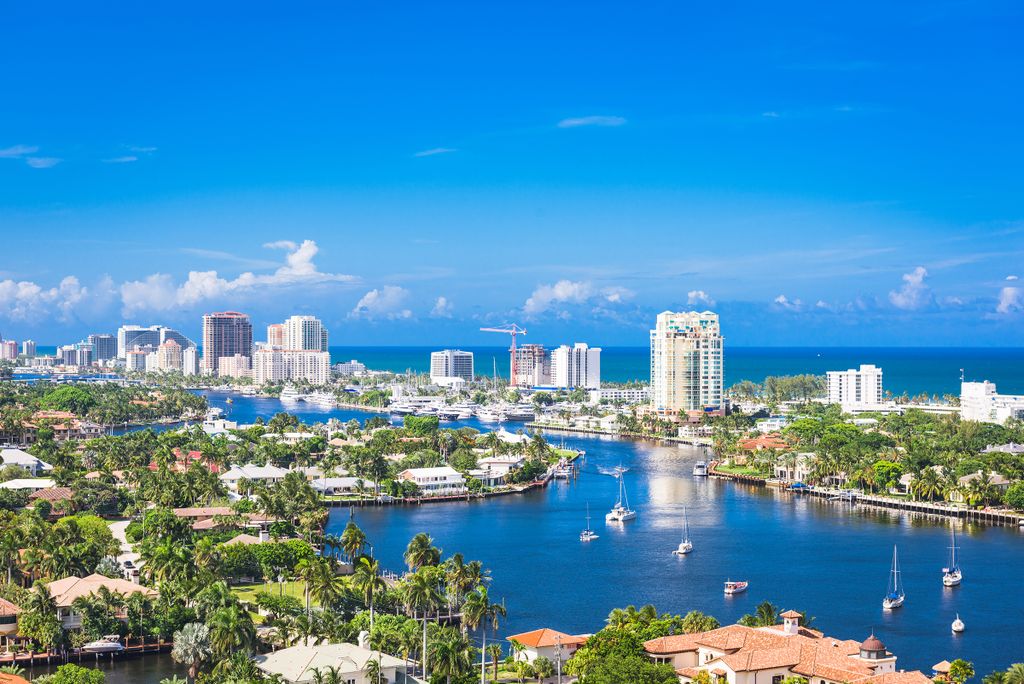
Upon approaching Fort Lauderdale, you’ll notice the landscape transition to the vibrant South Florida atmosphere. The city itself is renowned for its canals, beaches, and lively entertainment districts. Depending on your final destination within Fort Lauderdale, you might navigate through coastal roads or utilize local highways that connect directly to I-95.
Planning Your Drive: Tips for a Smooth Journey
To ensure your trip from Jacksonville to Fort Lauderdale is as enjoyable and efficient as possible, consider these practical tips:
Timing Your Departure
- Avoid Peak Hours: Leaving Jacksonville early in the morning, before the morning rush hour, or mid-morning after it subsides, can help you avoid significant delays exiting the city. Similarly, aiming to arrive in Fort Lauderdale outside of typical commuting times will ease your entry into the metropolitan area.
- Consider an Overnight Stay: For a less rushed experience, especially if you plan to sightsee, breaking the journey into two days is highly recommended. Cities like St. Augustine, Orlando, or even a coastal town along the Treasure Coast offer excellent overnight options.
Vehicle Preparation and Essentials
- Vehicle Check: Ensure your vehicle is in good condition. Check tire pressure, fluid levels, and brakes before embarking on a 300+ mile drive.
- Navigation: Utilize GPS navigation apps (e.g., Google Maps, Waze) which provide real-time traffic updates and can suggest alternative routes if major delays occur.
- Snacks and Drinks: While service areas are plentiful, packing your own snacks and water can save time and money.
- Emergency Kit: A basic emergency kit, including jumper cables, a first-aid kit, and a flashlight, is always a good idea for any long road trip.
Accommodation and Stops
- Booking Ahead: If you decide to break your journey, book accommodations in advance, especially during peak tourist seasons or holidays. Popular hotels range from budget-friendly motels to upscale resorts in cities like Orlando or along the coast.
- Restroom Breaks: Plan for regular stops to stretch your legs and refresh. I-95 service plazas are convenient, but you can also find amenities in the smaller towns if you opt for U.S. 1.
The drive from Jacksonville to Fort Lauderdale is a quintessential Florida road trip, offering a blend of efficiency via I-95 and the potential for rich exploration through its numerous towns and attractions. Whether you prioritize speed or the journey itself, a little planning ensures a memorable arrival at your South Florida destination.
LifeOutOfTheBox is a participant in the Amazon Services LLC Associates Program, an affiliate advertising program designed to provide a means for sites to earn advertising fees by advertising and linking to Amazon.com. Amazon, the Amazon logo, AmazonSupply, and the AmazonSupply logo are trademarks of Amazon.com, Inc. or its affiliates. As an Amazon Associate we earn affiliate commissions from qualifying purchases.