
Puerto Rico’s political status is a complex and often misunderstood topic, even for many who consider visiting or have already experienced its vibrant culture and stunning landscapes. The island territory, a commonwealth of the United States, navigates a unique position that elicits frequent questions. Understanding this relationship is crucial for appreciating the nuances of travel to Puerto Rico, from immigration procedures to the local economy and infrastructure. While it functions in many ways like a state, its distinct legal and political standing has significant implications for residents and visitors alike.
Navigating the Political Landscape
The question of Puerto Rico’s statehood has been a recurring theme throughout its history. It is not a state, but rather a territory of the United States. This distinction carries weight. Citizens of Puerto Rico are United States citizens by birth, allowing them to travel freely between the island and the mainland without passports or visas. This ease of travel is a significant factor for many tourists planning a trip. However, unlike residents of the fifty states, Puerto Ricans generally do not pay federal income tax on income earned within the island. This is a key difference that shapes the island’s economy and its relationship with the federal government.

Commonwealth Status Explained
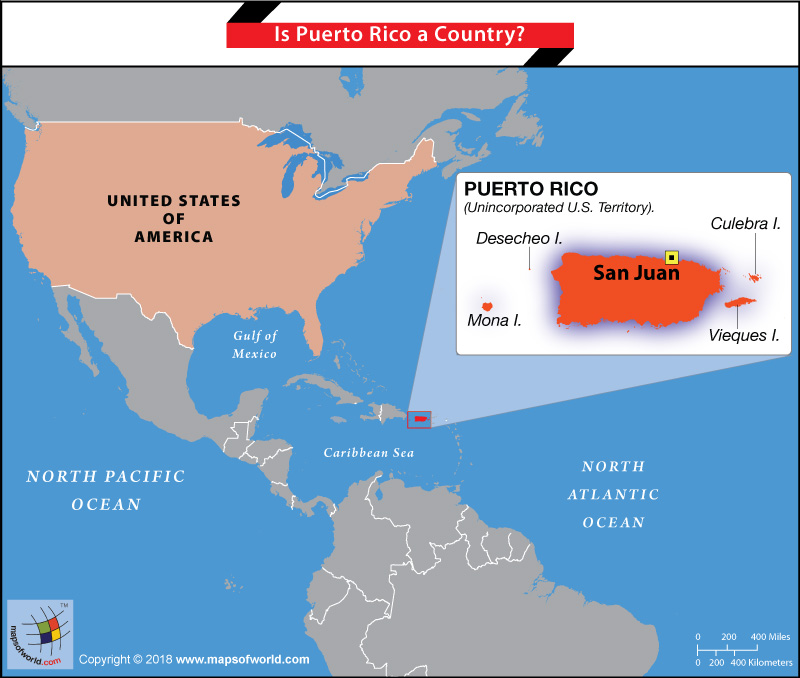
The current political status of Puerto Rico is that of an unincorporated territory. This means that the United States Constitution does not fully apply to the island, and its residents do not have full representation in the United States Congress. While there is a non-voting resident commissioner in the House of Representatives, they cannot vote on legislation. This “commonwealth” status has been a source of debate and discussion for decades, with various plebiscites and political movements advocating for different outcomes: statehood, independence, or enhanced commonwealth status.
Historical Context
The United States acquired Puerto Rico from Spain in 1898 following the Spanish-American War. Initially, it was governed under military rule before being organized as an unincorporated territory by the Foraker Act of 1900. The Jones-Shafroth Act of 1917 granted United States statutory citizenship to the people of Puerto Rico. The island’s relationship with the mainland has evolved through various legislative acts and Supreme Court decisions, each shaping its current status as a commonwealth.
Implications for Travelers
For the average tourist, the distinction between a state and a territory might seem minor. However, it subtly influences the travel experience. The absence of passport requirements is a major convenience, making spontaneous trips from the United States mainland as simple as flying to another state. You will use the United States dollar as currency, and United States postal services operate on the island.
Infrastructure and Services
The infrastructure in popular tourist areas, particularly around San Juan, is generally well-developed, comparable to many United States cities. This includes a network of highways, modern airports like Luis Muñoz Marín International Airport, and a range of accommodations from luxury resorts to boutique hotels. However, as a territory, Puerto Rico often receives less federal funding for infrastructure projects compared to states, which can sometimes lead to challenges in certain areas.
Healthcare
Travelers should be aware that while United States health insurance plans are often accepted in Puerto Rico, there can be variations in coverage. It is advisable to check with your insurance provider before your trip. Emergency services operate under the United States system, and medical facilities in major cities are generally equipped to handle a wide range of needs.
Economic Considerations
The economic landscape of Puerto Rico is intrinsically linked to its territorial status. The absence of federal income tax for residents on island-earned income, for example, has historically influenced investment and business operations. While many businesses operate under United States federal regulations, local laws and economic policies are also significant. For visitors, this translates to a familiar currency and a generally stable economic environment for commerce, though the island has faced significant economic challenges in recent years, including recovery efforts from natural disasters.
Doing Business in Puerto Rico
For those considering business ventures, understanding the legal framework governing territories is essential. While there are incentives for businesses, the regulatory environment is distinct from that of the fifty states. This is a factor that investors and entrepreneurs must thoroughly research.
Cultural Identity and Autonomy
Beyond the legalities, Puerto Rico possesses a rich and distinct cultural identity. Its heritage is a vibrant tapestry woven from Indigenous Taíno, Spanish, African, and American influences. This cultural richness is a major draw for tourists, evident in its music, dance, cuisine, and festivals. While a United States territory, Puerto Rico maintains its own government, headed by a governor, and has a bicameral legislature. The relationship with the United States is one of shared citizenship and federal oversight, but it does not diminish the island’s unique character and aspirations.
Language
Spanish and English are the official languages of Puerto Rico. While English is widely spoken in tourist areas and by government officials, Spanish remains the dominant language in daily life. Visitors will find that knowing a few basic Spanish phrases can enhance their experience and interactions with locals.
Local Governance
The island’s local government operates with a degree of autonomy. The governor is elected by popular vote, and the legislative assembly makes laws for the island. Federal laws enacted by the United States Congress apply to Puerto Rico, but the island has considerable latitude in managing its internal affairs.
The Ongoing Debate: Statehood, Independence, or Status Quo?
The question of Puerto Rico’s future political status remains a central issue for its residents. Multiple referendums have been held, with varying results and levels of participation, reflecting the deep divisions and differing visions for the island’s destiny.
Arguments for Statehood
Proponents of statehood argue that it would provide full political representation, economic parity, and an end to the second-class citizenship that some feel territorial status imposes. They believe statehood would bring more federal funding and a stronger integration with the United States economy, potentially leading to greater prosperity and stability.
Arguments for Independence
Advocates for independence believe that Puerto Rico should have complete sovereignty to chart its own course, free from the oversight of the United States. They emphasize self-determination and the right of the Puerto Rican people to govern themselves fully. This option often highlights the desire to forge a unique national identity separate from the United States.
Arguments for Enhanced Commonwealth
Others advocate for an enhanced commonwealth status, seeking greater autonomy and self-governance while maintaining a close relationship with the United States. This position often aims to preserve aspects of Puerto Rican identity and culture while benefiting from United States citizenship and economic ties.
Conclusion: A Territory with a Unique Identity
In summary, Puerto Rico is not a United States state. It is an unincorporated territory of the United States, a commonwealth with a complex political status. This status grants United States citizenship to its residents and allows for visa-free travel from the mainland, but it also comes with political and economic limitations. For travelers, this means a familiar currency and easy access, coupled with the opportunity to experience a distinct culture and vibrant history that make Puerto Rico a truly unique destination. Understanding its political reality enriches the appreciation of this captivating Caribbean gem.
LifeOutOfTheBox is a participant in the Amazon Services LLC Associates Program, an affiliate advertising program designed to provide a means for sites to earn advertising fees by advertising and linking to Amazon.com. Amazon, the Amazon logo, AmazonSupply, and the AmazonSupply logo are trademarks of Amazon.com, Inc. or its affiliates. As an Amazon Associate we earn affiliate commissions from qualifying purchases.