
The journey from California, United States, to Japan represents one of the most significant trans-Pacific routes, connecting North America to Asia. This flight path spans vast distances, crossing the entirety of the Pacific Ocean and typically requiring a substantial amount of time in the air. Understanding the specifics of this journey involves more than just a simple mileage calculation; it encompasses factors like air currents, aircraft technology, and logistical considerations that influence the overall travel experience.
The Pacific Ocean Crossing: A True Trans-Pacific Journey
At its core, flying from California to Japan is a quintessential trans-Pacific voyage. This vast expanse of water is a major determinant in both the duration and nature of the flight.
Understanding Geographical Distance
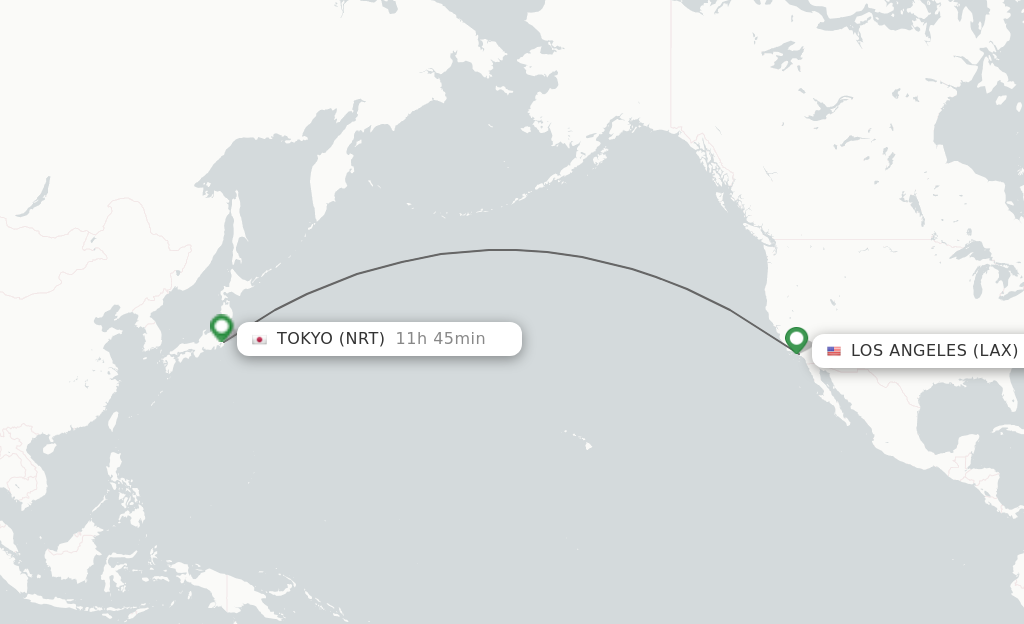
The straight-line, or “as the crow flies,” distance between major cities in California and Japan can vary slightly depending on the specific origin and destination points. For instance, the approximate great-circle distance (the shortest distance between two points on a sphere) from Los Angeles to Tokyo is around 5,477 miles (8,814 kilometers). From San Francisco to Tokyo, it’s roughly 5,160 miles (8,305 kilometers). These distances underscore the immense scale of the journey. While these figures represent the theoretical minimum, actual flight paths are often longer due to operational factors.
Air Routes and Great Circle Paths
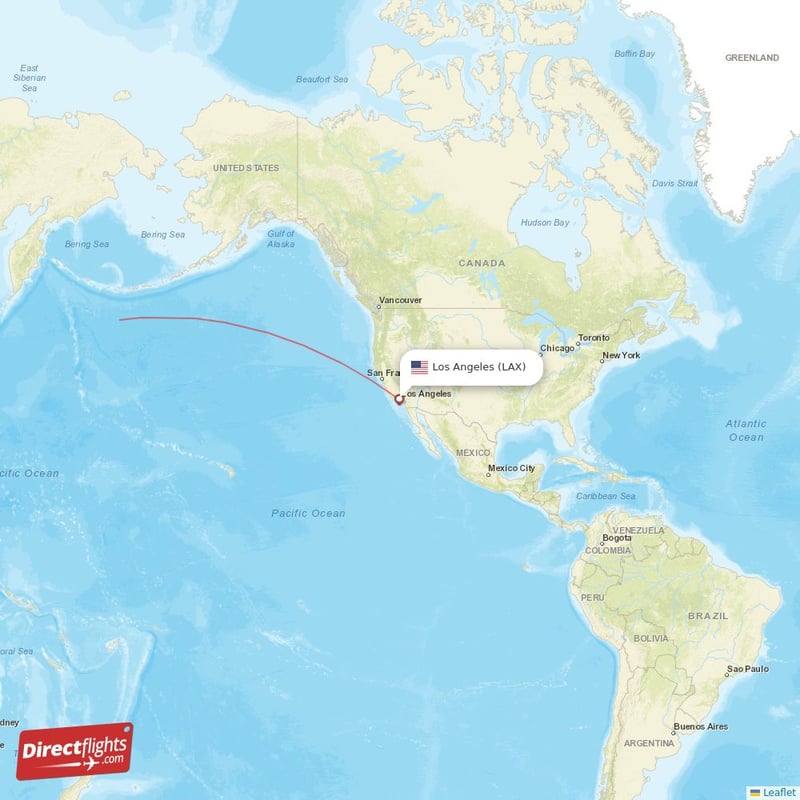
A common misconception is that planes fly in straight lines on a flat map. In reality, aircraft follow great circle routes, which appear curved when projected onto a two-dimensional map but are the shortest path between two points on the spherical Earth. For flights between California and Japan, this means routes often arc northward, sometimes passing close to the Aleutian Islands or even slightly over Alaskan airspace before descending towards Japan. This routing optimizes fuel consumption and flight time by taking advantage of the Earth’s curvature. Air traffic control, weather patterns, and prevailing winds also play a significant role in determining the exact flight path on any given day, adding slight variations to the journey’s length.
Typical Flight Durations and Factors Affecting Them
The total time spent in the air for a direct flight between California and Japan typically ranges from 9.5 to 12 hours. However, several critical factors can influence this duration.
Direct Flights vs. Layovers
For travelers seeking the quickest journey, direct flights are undoubtedly the preferred option. Most major airlines operate non-stop services from prominent California airports to Japan’s main international hubs. Flights with layovers, while sometimes more economical, significantly extend travel time. A one-stop journey could easily add 4-8 hours or more to the total transit, depending on the layover duration and the efficiency of the connecting flight. These layovers often occur in other major North American or Asian cities.
Aircraft Type and Speed
Modern long-haul aircraft are designed for efficiency and speed over vast distances. Planes like the Boeing 787 Dreamliner, Airbus A350, and Boeing 777 are commonly used for this route. These aircraft cruise at speeds typically around 550-600 miles per hour (885-965 kilometers per hour). The specific model can slightly affect flight duration, with newer, more aerodynamic planes often completing the journey marginally faster and with greater fuel efficiency. Older aircraft, such as the Boeing 747, might have slightly different performance characteristics.
Headwinds, Tailwinds, and Weather Patterns
One of the most significant variables affecting flight time is the presence of headwinds or tailwinds. Flights from California to Japan often benefit from prevailing tailwinds (winds blowing in the direction of travel) across the Pacific at cruising altitudes, which can significantly reduce flight times. Conversely, the return journey from Japan to California frequently encounters strong headwinds, leading to longer flight durations, sometimes extending the trip by an hour or more. Pilots and air traffic controllers continuously monitor these conditions to select the most favorable flight paths and altitudes. Major weather systems, like typhoons in the Pacific or severe storms over land, can also necessitate diversions or delays, impacting the overall travel time.
Time Zones and Jet Lag Considerations
Crossing the Pacific Ocean from California to Japan involves traversing at least 16 time zones (e.g., Pacific Standard Time to Japan Standard Time). This drastic shift inevitably leads to jet lag. While the flight duration itself is a set number of hours, the perceived length of the day changes dramatically. Traveling westward to Japan means you “gain” time in terms of the clock, potentially leading to a feeling of a very long “day” upon arrival, as you land at a local time that is significantly later than your body clock expects. Proper preparation, such as adjusting sleep schedules before departure and staying hydrated, can help mitigate the effects of this significant time difference.
Major Departure and Arrival Hubs
The specific airports chosen for departure and arrival also play a role in the logistics and duration of the journey. Larger hubs generally offer more direct flight options and greater flexibility.
California’s Key Airports
California boasts several major international airports that serve as primary gateways for trans-Pacific travel:
- Los Angeles International Airport (LAX): As one of the busiest airports in the world, LAX offers numerous daily direct flights to Japan from a wide array of airlines. Its extensive network makes it a top choice for travelers.
- San Francisco International Airport (SFO): Serving the Bay Area, SFO is another vital hub with frequent non-stop services to Japan, particularly popular with business and tech travelers.
- San Diego International Airport (SAN): While fewer direct options than LAX or SFO, San Diego has seen increasing international service, including occasional direct flights or convenient connections to Japan.
- Sacramento International Airport (SMF): Typically, travelers from Sacramento and other regional airports will connect through LAX or SFO for their international flights to Japan.
Japan’s International Gateways
Upon arrival, most international flights from California land at one of Japan’s major international airports:
- Narita International Airport (NRT): Located outside of central Tokyo, Narita has historically been Japan’s primary gateway for international travel, offering extensive connections to cities worldwide.
- Haneda Airport (HND): Closer to downtown Tokyo, Haneda has expanded its international routes significantly, becoming a highly convenient option for travelers heading directly to the capital.
- Kansai International Airport (KIX): Serving the Osaka/Kyoto region, KIX is a major hub for western Japan and offers direct flights from California, particularly from LAX and SFO.
Planning Your Trans-Pacific Flight
Successful trans-Pacific travel involves careful planning beyond just knowing the flight duration.
Best Time to Book and Travel
Flight prices and availability can fluctuate dramatically based on seasonality, demand, and how far in advance you book. Generally, booking 2-4 months ahead of your desired travel date can yield better prices. Peak travel seasons to Japan often coincide with the cherry blossom season (spring) and autumn foliage, as well as major holidays. Traveling during the shoulder seasons (late spring/early summer or late autumn/early winter) can offer a balance of good weather and potentially lower fares. Weekday flights are often less expensive than weekend departures.
Essential Pre-Flight Preparations
Given the length of the journey, preparation is key for a comfortable experience.
- Visa and Entry Requirements: Ensure your passport is valid for at least six months beyond your intended stay and check Japan’s current visa requirements for your nationality.
- Health and Wellness: Consult your doctor regarding any necessary vaccinations or health precautions. Consider strategies to combat jet lag, such as gradually shifting your sleep schedule a few days before departure, staying hydrated, and avoiding excessive alcohol or caffeine on the flight.
- In-flight Comfort: Long flights necessitate planning for comfort. This includes wearing loose clothing, bringing entertainment (books, loaded devices), a neck pillow, eye mask, and noise-canceling headphones. Many airlines provide amenities, but personal items can greatly enhance the experience.
- Connectivity: While most long-haul flights offer Wi-Fi, it can be expensive and inconsistent. Plan for offline entertainment or work. Upon arrival, consider purchasing a local SIM card or renting a pocket Wi-Fi device for easy connectivity in Japan.
In summary, the journey by plane from California to Japan is a significant undertaking spanning thousands of miles and many hours. With direct flights typically ranging from 9.5 to 12 hours, a robust understanding of the factors at play—from great circle routes and aircraft performance to time zone shifts and airport logistics—is essential for any traveler embarking on this fascinating trans-Pacific adventure.
LifeOutOfTheBox is a participant in the Amazon Services LLC Associates Program, an affiliate advertising program designed to provide a means for sites to earn advertising fees by advertising and linking to Amazon.com. Amazon, the Amazon logo, AmazonSupply, and the AmazonSupply logo are trademarks of Amazon.com, Inc. or its affiliates. As an Amazon Associate we earn affiliate commissions from qualifying purchases.