
The vast expanse of the Pacific Ocean separates two of the world’s most vibrant and influential metropolises: Tokyo and New York City. The question “How far is Japan from New York?” delves into more than just geographical distance; it encompasses the logistical considerations, temporal shifts, and cultural experiences that define this significant intercontinental journey. Understanding this distance is crucial for any traveler planning an adventure across the globe, impacting everything from flight durations and jet lag to packing strategies and itinerary planning.
The Geographical Divide: Kilometers and Miles
At its core, the distance between Japan and New York is a matter of geography, measured in thousands of kilometers or miles. The most direct routes, typically flown by commercial aircraft, traverse the northern hemisphere, crossing North America, the Arctic region, and parts of Europe or Asia depending on the specific flight path.
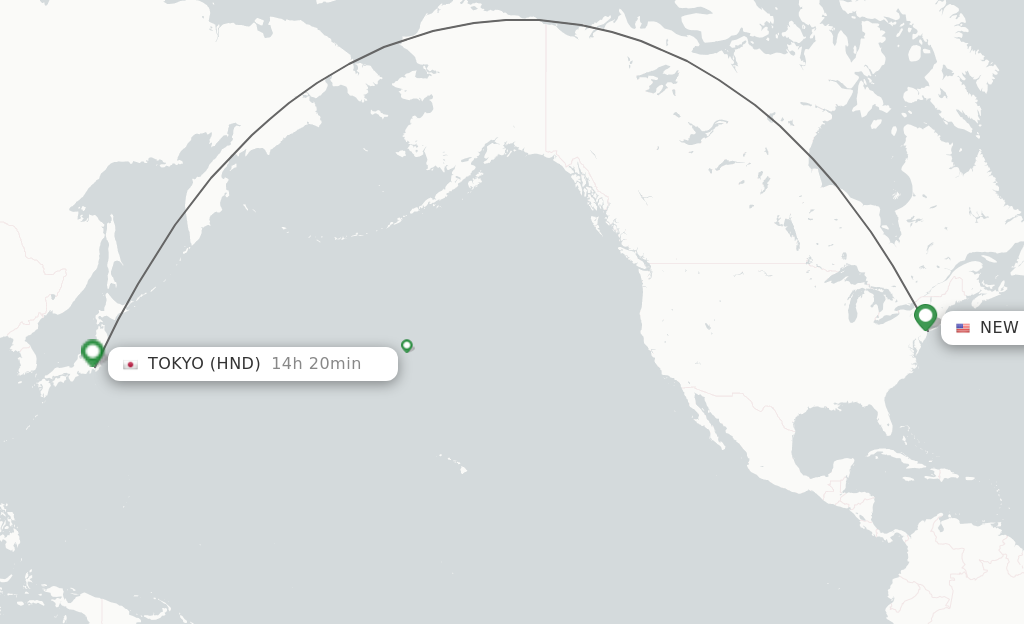
Direct Flight Distances
The great-circle distance, which represents the shortest distance between two points on the surface of a sphere, between New York City and Tokyo is approximately 10,864 kilometers (or about 6,750 miles). This figure serves as a baseline, but actual flight paths can vary due to air traffic control, weather patterns, and prevailing winds, often making the airborne distance slightly longer.
Time Zones and Temporal Discrepancies
The considerable geographical separation is mirrored in a significant time zone difference. New York City operates on Eastern Standard Time (EST) or Eastern Daylight Time (EDT), which is UTC-5 or UTC-4, respectively. Japan observes Japan Standard Time (JST), which is UTC+9. This means there is a 13-hour difference between New York and Tokyo when New York is on EST and Japan is on JST. When New York observes Daylight Saving Time, the difference becomes 14 hours. This substantial time shift is a primary factor travelers must contend with when planning their arrival and acclimatization.
The Journey: Flight Duration and Practicalities
The question of “how far” is intrinsically linked to how one travels. For most international travelers, the journey between Japan and New York is undertaken via air. Understanding flight durations and the associated logistical considerations is paramount for a smooth travel experience.
Direct Flights
Direct flights between New York and Tokyo are the most convenient option, though they are not always the most frequent. These flights typically depart from major New York airports like John F. Kennedy International Airport (JFK) or Newark Liberty International Airport (EWR) and arrive at Tokyo Narita International Airport (NRT) or Tokyo Haneda Airport (HND). The flight time for a direct journey is generally between 13.5 to 14.5 hours, traveling eastbound from New York to Japan. Traveling westbound, from Japan to New York, the flight duration can be slightly longer, around 14 to 15 hours, due to prevailing westerly winds.
Flights with Layover(s)
Many travelers opt for flights with one or more layovers, often due to cost or availability. These flights can significantly increase the total travel time. Common layover cities include hubs in Canada (such as Vancouver or Toronto), Europe (like Amsterdam or London), or other parts of Asia (such as Seoul or Shanghai). The total journey time for flights with layovers can range from 18 hours to well over 30 hours, depending on the length and location of the stops.
Choosing the Right Flight
When planning a trip, travelers should consider their priorities. For maximum efficiency, a direct flight is ideal. However, if budget is a primary concern, flights with layovers might offer significant savings. It’s also worth noting that some layovers can be strategically planned to allow for a brief exploration of a transit city, adding another dimension to the travel experience. Researching different airlines and routes, and being flexible with travel dates, can often lead to better options.

Navigating the Pacific: Beyond Kilometers
The “distance” between Japan and New York is not just a number on a map; it represents a transition across cultures, economies, and lifestyles. This vast geographical separation necessitates careful planning for a rewarding travel experience.
Jet Lag Management
The 13- to 14-hour time difference is the primary cause of jet lag. This condition, characterized by fatigue, insomnia, headaches, and digestive issues, can significantly impact the initial days of a trip. Effective strategies for mitigating jet lag include gradually adjusting sleep schedules in the days leading up to departure, staying hydrated on the flight, avoiding excessive alcohol and caffeine, and immediately adopting the local time zone upon arrival. Exposure to natural light during the day and minimizing screen time before bed in Japan can help reset the body’s internal clock.
Packing and Preparation
The vast distance also implies significant climatic differences between New York and Japan, depending on the season and specific locations. New York experiences four distinct seasons, with cold winters and hot, humid summers. Japan also has varied seasons, from snowy winters in the north to hot and humid summers in the south, with pleasant spring and autumn. Travelers must pack accordingly, considering the expected weather conditions in their destination cities. This includes layers for temperature fluctuations, comfortable walking shoes for exploring cities like Kyoto or Osaka, and any necessary travel adapters for electronic devices, as plug types and voltage differ between the two countries.
Cultural Immersion
The physical distance is a gateway to a rich tapestry of cultural experiences. Japan offers a unique blend of ancient traditions and cutting-edge modernity. From the serene temples of Kyoto and the bustling streets of Tokyo to the natural beauty of Mount Fuji and the historical significance of Hiroshima, the country provides a wealth of attractions. Understanding basic Japanese etiquette, learning a few key phrases, and being open to new culinary experiences will greatly enhance a traveler’s journey. The “distance” is, in essence, an invitation to explore a world profoundly different yet remarkably accessible from New York.
Planning Your Trans-Pacific Adventure
Embarking on a journey from New York to Japan is a significant undertaking that rewards meticulous planning. The geographical expanse and temporal shift are fundamental elements to consider when structuring your travel itinerary.
Visa and Entry Requirements
Before embarking on a trans-Pacific journey, it is imperative for U.S. citizens to verify the current visa and entry requirements for Japan. For short tourist stays, visa-free entry is typically granted. However, regulations can change, and it is always advisable to consult official government websites or the Japanese embassy or consulate well in advance of travel. Ensuring all passport and travel documents are up-to-date is a critical first step.
Best Times to Visit
The “distance” to Japan also dictates when it might be most pleasant to visit. Spring (March to May) offers the breathtaking beauty of cherry blossoms, making it a highly sought-after time. Autumn (September to November) provides vibrant fall foliage and comfortable temperatures, ideal for exploring cities and natural landscapes. Summer (June to August) can be hot and humid, especially in central and southern regions, but it is also a time for lively festivals. Winter (December to February) is best for snow sports in northern regions like Hokkaido and can be pleasantly crisp in the major cities. The timing of your visit will influence the types of activities you can enjoy and the clothing you will need, further emphasizing the practical implications of the geographical separation.

Budget Considerations
The considerable distance naturally translates into higher travel costs for flights. However, once in Japan, travelers can find a wide range of accommodation and dining options to suit various budgets. From luxury hotels in Ginza to budget-friendly hostels and business hotels, and from Michelin-starred restaurants to delicious and affordable street food, Japan can cater to different financial plans. Planning for transportation within Japan, such as the efficient bullet train system (Shinkansen), is also a key budget consideration.
The journey from New York to Japan is a testament to human ingenuity in bridging vast geographical divides. It is a distance measured not just in miles or hours, but in experiences, discoveries, and the profound sense of connecting with a different part of our world.
LifeOutOfTheBox is a participant in the Amazon Services LLC Associates Program, an affiliate advertising program designed to provide a means for sites to earn advertising fees by advertising and linking to Amazon.com. Amazon, the Amazon logo, AmazonSupply, and the AmazonSupply logo are trademarks of Amazon.com, Inc. or its affiliates. As an Amazon Associate we earn affiliate commissions from qualifying purchases.