
When planning a visit to Portland, Oregon, understanding its climate is key to a successful trip. While often perceived as a perpetually rainy city, Portland also experiences its share of winter weather, including snowfall. The amount of snow can vary significantly from year to year and even within different neighborhoods of the city, influenced by its unique geographical setting between the Coast Range and the Cascade Mountains.
Understanding Portland’s Winter Climate
Portland’s climate is characterized by mild, wet winters and warm, dry summers, largely due to its location in the Willamette Valley. The proximity to the Pacific Ocean moderates temperatures, preventing extreme cold. However, the city’s elevation and its position relative to mountain ranges play a crucial role in determining snowfall.

Typical Snowfall Patterns
On average, Portland receives a relatively modest amount of snow. Annual snowfall averages are typically in the range of 4 to 7 inches. This is considerably less than many other major cities in the United States, particularly those further east or at higher elevations.
However, this average can be misleading. There are years when Portland experiences very little to no measurable snow, and other years when a significant storm can drop a considerable amount, disrupting daily life and creating a winter wonderland. These heavier snow events are not the norm but are memorable when they occur.
Factors Influencing Snowfall
Several factors contribute to Portland’s snowfall variability:
- Elevation: While much of the city sits at a relatively low elevation, neighborhoods in the west hills or further east towards the Gorge can receive slightly more snow due to being at higher altitudes.
- Pacific Storms: Portland primarily receives its precipitation from storms originating in the Pacific Ocean. For snow to fall, the temperature needs to be at or below freezing at the surface and in the lower atmosphere. This balance is delicate; even a few degrees warmer can result in rain instead of snow.
- Arctic Outbreaks: Occasionally, cold air masses can push south from Canada, bringing significantly colder temperatures. When these air masses coincide with moisture-bearing systems from the Pacific, Portland can experience heavier and more prolonged snowfall events.
- Orographic Lift: The Coast Range to the west and the Cascade Mountains to the east can influence weather patterns. Moisture-laden air forced upward by these ranges can cool and condense, leading to increased precipitation, which can manifest as snow at higher elevations and sometimes in the city itself.
Comparing Portland to Nearby Areas
It’s helpful to compare Portland’s snowfall to that of other destinations in the region to put its numbers into perspective:
- Mount Hood: Within a couple of hours’ drive of Portland, the slopes of Mount Hood receive abundant snowfall, often measured in feet, not inches. Ski resorts like Timberline Lodge and Mt. Hood Meadows are renowned for their winter sports, highlighting the significant difference in snow accumulation just a short distance away.
- Seattle, Washington: Seattle generally receives a similar, sometimes slightly higher, average snowfall to Portland, with both cities experiencing unpredictable winter weather.
- Eastern Oregon: Cities east of the Cascades, such as Bend, Oregon, are in a more continental climate and typically receive substantially more snow than Portland.
When Does Portland Typically Get Snow?
The winter months in Portland run from December through February, and this is when snow is most likely to occur. However, isolated snowfall events can sometimes happen in late November or early March.
December: The Start of Winter
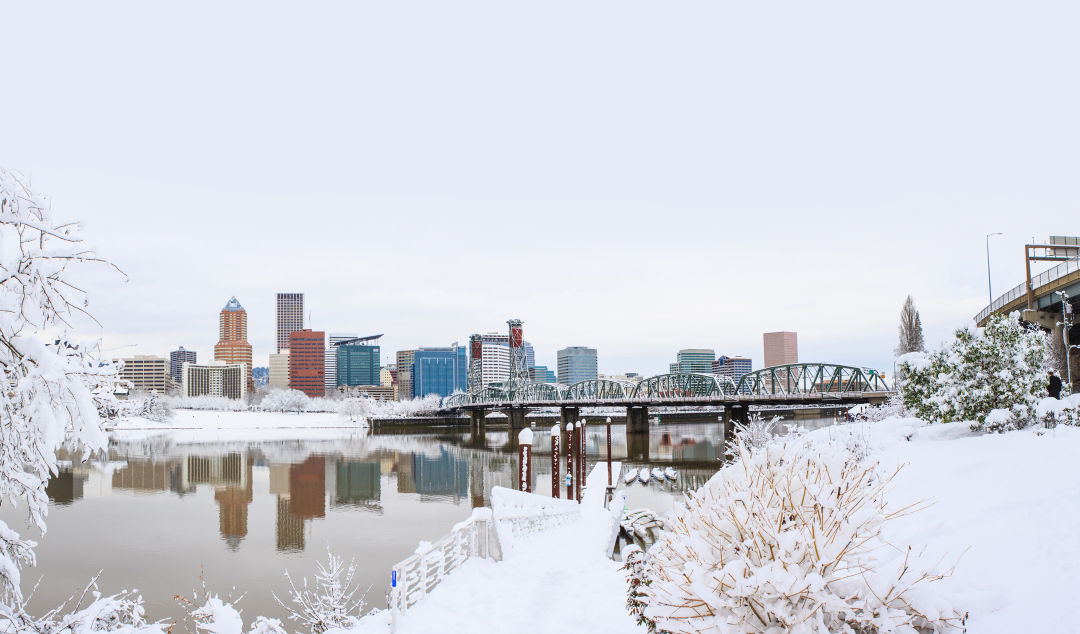
December is often the first month when temperatures begin to consistently hover around freezing, making snow a possibility. While many Decembers pass with little to no snow, it’s not uncommon for the city to experience its first dusting or even a significant snowfall in this month. The holiday season in Portland can sometimes be accompanied by a charming, if brief, blanket of white.
January: The Coldest Month
January is statistically Portland’s coldest month, and therefore, the most likely time to see snow. Many of the city’s more memorable snow events have occurred in January. When cold air is in place and moisture arrives, January can deliver the most significant accumulations.
February: Lingering Possibilities
While February is generally milder than January, winter’s grip can still extend into this month. Snowfall in February is less common than in January but still a distinct possibility. As the days begin to lengthen, the chances of prolonged snow events decrease, but short-lived accumulations can still occur.
Unpredictable Events
It is crucial to remember that Portland’s snow patterns are highly unpredictable. A year with no snow can be followed by a year with several inches accumulating over multiple days. These surprise snowfalls often bring the city to a standstill, as infrastructure and residents are not always prepared for significant snow accumulation.
Experiencing a Snowy Portland
When Portland does receive snow, it transforms the city. Parks become popular sledding spots, and many residents, unaccustomed to such weather, embrace the novelty.
Winter Activities and Attractions
While Portland isn’t a ski resort town, snow can still enhance visitor experiences:
- Scenic Drives: Even a few inches of snow can make the city’s lush green landscapes look magical. Driving through neighborhoods with mature trees, like the Laurelhurst neighborhood, can be a beautiful experience.
- Winter Markets and Festivals: Many of Portland’s popular holiday markets and winter events, such as the Portland Winter Light Festival, can gain an extra charm with a dusting of snow.
- Day Trips to the Mountains: For those seeking a true winter wonderland, a day trip to the nearby Cascade Mountains or the Oregon Coast Range offers guaranteed snow and opportunities for skiing, snowboarding, or snowshoeing.
Practical Considerations for Visitors
If you are planning a trip to Portland during the winter months, it’s wise to be prepared for the possibility of snow.
- Transportation: Snow can cause significant disruptions to Portland’s transportation system. Public transport may be delayed or suspended, and driving can be hazardous. Many residents do not own snow tires or chains, and roads can quickly become icy or impassable. It’s advisable to check local traffic conditions and transit updates if snow is in the forecast. Renting a car with all-wheel drive might be a consideration if you plan to explore outside the immediate city center.
- Accommodations: Hotels in Portland, such as the The Nines, a Luxury Collection Hotel, Portland, or the Kimpton RiverPlace Hotel, are equipped to handle winter guests, but booking in advance is always recommended, especially during holiday periods. While snow is not a constant, booking with flexible cancellation policies can offer peace of mind.
- What to Pack: Even if a heavy snow event seems unlikely, packing layers is essential for Portland’s winter weather. Include waterproof outer layers, a warm hat, gloves, and sturdy, waterproof footwear. You might also want to pack a small umbrella, as rain is far more common than snow.

Conclusion: Embrace the Variability
The question of “How much snow does Portland, Oregon get?” doesn’t have a simple, consistent answer. Its snowfall is a fascinating aspect of its Pacific Northwest climate, characterized by variability and occasional dramatic surprises. While the average is modest, a memorable snowstorm can transform the city into a picturesque winter landscape. For visitors, understanding these patterns allows for better planning, ensuring that whether the city is bathed in rain or dusted with snow, the experience of visiting Portland remains enjoyable and memorable. Always check the local weather forecast closer to your travel dates for the most accurate information.
LifeOutOfTheBox is a participant in the Amazon Services LLC Associates Program, an affiliate advertising program designed to provide a means for sites to earn advertising fees by advertising and linking to Amazon.com. Amazon, the Amazon logo, AmazonSupply, and the AmazonSupply logo are trademarks of Amazon.com, Inc. or its affiliates. As an Amazon Associate we earn affiliate commissions from qualifying purchases.