
Embarking on a journey between two of Missouri‘s most prominent cities, Kansas City and St. Louis, is a common undertaking for travelers, locals, and business professionals alike. Understanding the distance and travel time is crucial for planning an efficient and enjoyable trip. This guide will delve into the specifics of the mileage, driving duration, and alternative travel methods, offering insights that cater to various lifestyle preferences, from budget travel to more luxurious experiences. Whether you’re planning a spontaneous weekend getaway or a carefully scheduled business trip, this information will serve as your roadmap to navigating the approximately 250 miles that separate these two vibrant metropolises.
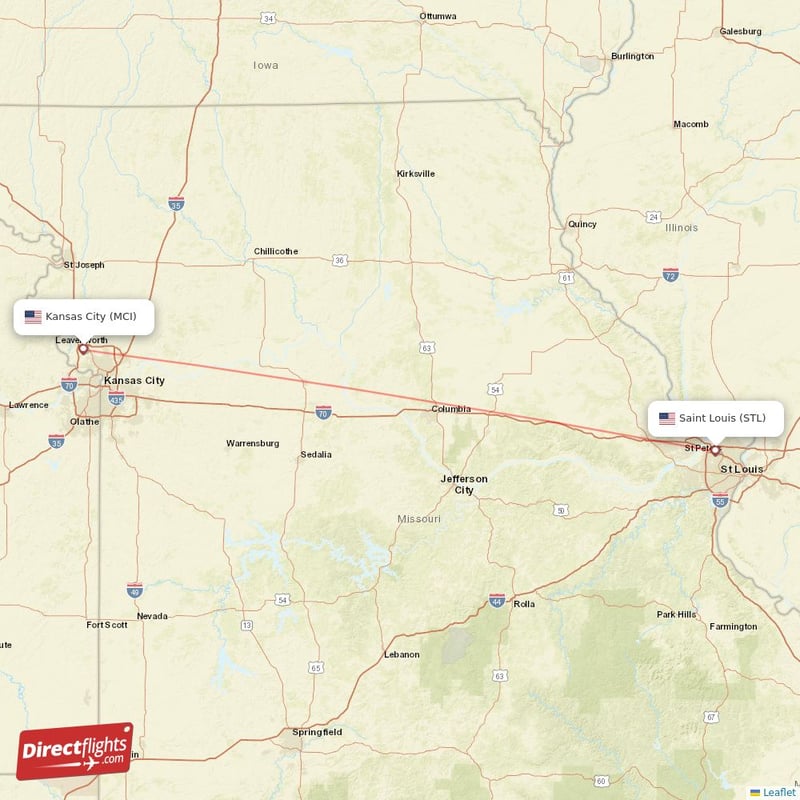
The Road Less Traveled: Driving Between Kansas City and St. Louis
The most popular and perhaps the most flexible way to travel between Kansas City and St. Louis is by car. This method offers the freedom to set your own schedule, make spontaneous stops, and pack according to your needs. The primary route connecting these two cities is Interstate 70 (I-70), a well-maintained highway that stretches across the state.
Distance and Estimated Driving Time
The direct driving distance between Kansas City, Missouri and St. Louis, Missouri is approximately 245 to 250 miles, depending on the specific starting and ending points within each city. This mileage translates to an estimated driving time of around 3.5 to 4 hours. However, this is a baseline figure and can be significantly influenced by several factors.
Factors Affecting Driving Time:
- Traffic Conditions: Interstate 70 can experience considerable traffic, especially during peak commuting hours in both Kansas City and St. Louis, as well as in the suburban areas along the route. Weekends and holiday periods can also see increased congestion.
- Road Construction: As with most major highways, I-70 is subject to ongoing maintenance and construction projects. These can lead to lane closures and significant delays. It’s always advisable to check local traffic reports or use navigation apps that provide real-time updates before and during your journey.
- Weather: Inclement weather, such as heavy rain, snow, or ice, can drastically slow down travel times and, more importantly, impact safety. Driving conditions can become hazardous, necessitating slower speeds and increased caution.
- Stops: The estimated driving time typically does not include stops for fuel, food, or rest. For a comfortable family trip, planning for at least one or two stops is essential. This allows drivers to rest and passengers to stretch their legs, making the journey more pleasant.
For those seeking to optimize their travel time, departing early in the morning, particularly on weekdays, can often help avoid the worst of the traffic. Similarly, traveling during off-peak hours can contribute to a smoother and quicker drive.
Navigating I-70: Key Points and Potential Stops
Interstate 70 is a major artery that traverses Missouri from west to east. The drive offers a glimpse into the diverse landscapes of the state, transitioning from the rolling plains near Kansas City to the more varied terrain as you approach St. Louis.
Along the route, there are several cities and towns that offer services such as gas stations, restaurants, and rest stops. Some of the more notable communities you’ll pass through or near include:
- Columbia, Missouri: A vibrant college town, home to the University of Missouri. It offers a good selection of dining and shopping options, making it a potential stop for lunch or a break.
- Kingdom City, Missouri: A common junction point where I-70 meets I-57.
- St. Charles, Missouri: A historic city with a charming downtown area, located just west of St. Louis. It can be a good place to stop if you’re looking for a more picturesque break.
For travelers interested in landmarks or unique experiences, planning a slight detour might be appealing. For instance, if you have extra time and are interested in history, you could consider a brief stop in Arrow Rock, a historic river town and state historic site, though this would add significant time to your journey.
Vehicle Considerations for the Road Trip
When planning a road trip of this distance, ensuring your vehicle is in good condition is paramount. A pre-trip check of tires, oil, brakes, and other essential fluids will help prevent unexpected breakdowns. For those undertaking frequent trips or who prefer not to use their personal vehicle, renting a car is a viable option. Rental companies are readily available in both Kansas City and St. Louis, offering a range of vehicles to suit different needs, from economical sedans for budget travel to larger SUVs for more comfortable family trips.
Beyond the Wheel: Alternative Travel Options
While driving offers unparalleled flexibility, other modes of transportation are available for those who prefer not to navigate the highways themselves, or who are looking for different travel experiences.
Amtrak: A Scenic and Relaxing Journey
For a more relaxed approach, Amtrak offers passenger train service between Kansas City and St. Louis. The Missouri River Runner route provides a comfortable and scenic way to travel, allowing you to sit back, relax, and enjoy the passing countryside without the stress of driving.
The train journey typically takes around 4.5 to 5 hours, which is slightly longer than the direct driving time. However, this includes the time you would otherwise spend driving, parking, and navigating traffic. Amtrak stations are conveniently located in both cities, offering accessibility for many travelers.

Benefits of Amtrak Travel:
- Comfort: Trains offer more spacious seating than airline or even car travel, with the ability to walk around and access dining or lounge cars.
- Scenery: The Missouri River Runner route offers picturesque views of the Missouri River valley and rural Missouri, which can be a significant part of the travel experience.
- Productivity/Relaxation: Travelers can use the journey to read, work, or simply unwind, making it a productive or relaxing option for business stays or leisure.
- Environmental Friendliness: Train travel is generally considered more environmentally friendly than driving, which can appeal to those conscious of their carbon footprint.
Amtrak offers various seating options, from coach class to more private accommodations, catering to different lifestyle preferences and budget travel needs. Booking tickets in advance is recommended, especially during peak travel seasons, to secure the best fares and availability.
Air Travel: The Fastest, But Least Direct, Route
While Kansas City and St. Louis are relatively close for driving, they are not directly served by frequent commercial flights between the two cities themselves. Most air travel would involve flying out of one city to a major hub and then connecting to the other city, making it a time-consuming and often costly option for this specific route.
Kansas City International Airport (MCI) and St. Louis Lambert International Airport (STL) are the main air travel gateways for their respective regions. However, direct flights between MCI and STL are rare, if they exist at all on a consistent basis. Therefore, flying is generally not the most practical or economical choice for traveling between these two Missouri cities, unless it’s part of a much longer itinerary. The time spent traveling to and from airports, going through security, and potential layovers would likely negate any time savings compared to driving or taking the train.
Making the Most of Your Journey: Accommodation and Local Experiences
Regardless of how you choose to travel, your visit to either Kansas City or St. Louis will undoubtedly be enhanced by exploring the unique attractions, local culture, and culinary delights each city offers. Planning your stay in advance, particularly your accommodation, is key to a seamless and enjoyable trip.
Choosing Your Base: Hotels and Accommodation in Both Cities
Both Kansas City and St. Louis boast a wide array of accommodation options to suit every lifestyle and budget. From luxurious resorts and boutique hotels to budget-friendly motels and convenient apartment rentals, you’ll find a place that fits your needs.
In Kansas City, you might consider staying in the vibrant Country Club Plaza area for its upscale shopping and dining, or downtown for proximity to business districts and landmarks like the National WWI Museum and Memorial. The Crossroads Arts District offers a more bohemian vibe with galleries and unique boutiques.
St. Louis offers a similar diversity. Staying near the iconic Gateway Arch provides breathtaking views and easy access to the Gateway Arch National Park. The Central West End is known for its historic architecture, upscale shops, and vibrant nightlife. For families, areas closer to Forest Park offer proximity to museums and the St. Louis Zoo.
When searching for hotels, resorts, apartments, or villas, consider factors such as desired amenities (pool, gym, free breakfast), proximity to attractions you plan to visit, and your budget. Websites offering booking, reviews, and comparison services can be invaluable tools in finding the perfect lodging. For those planning a long-term stay, serviced apartments or extended-stay hotels might be more suitable.

Embracing the Local Flavor: Attractions and Tourism
The distance between Kansas City and St. Louis is not just a physical measurement; it also represents the distinct cultural identities of these two great Missouri cities. Understanding these differences can enrich your travel experience.
Kansas City is renowned for its:
- Barbecue: Often debated as the “Barbecue Capital of the World,” Kansas City boasts a rich BBQ tradition with numerous world-class smokehouses to explore. This is a must-try culinary experience.
- Jazz Music: The historic 18th & Vine Jazz District is a testament to the city’s deep roots in jazz music. Visiting the American Jazz Museum is highly recommended.
- Museums: Beyond the National WWI Museum and Memorial, Kansas City offers the Nelson-Atkins Museum of Art and the Negro Leagues Baseball Museum, among others.
- Architecture: The city features a blend of architectural styles, with notable areas like the Country Club Plaza showcasing Spanish-inspired design.
St. Louis, on the other hand, is celebrated for:
- The Gateway Arch: A national monument symbolizing the westward expansion of the United States, offering stunning views from its observation deck.
- Forest Park: One of the largest urban parks in the United States, housing the St. Louis Zoo, the St. Louis Art Museum, the Missouri History Museum, and the Saint Louis Science Center.
- Anheuser-Busch Brewery: A historic landmark offering tours and tastings of its famous beers.
- Unique Food Scene: While St. Louis has its own distinct BBQ style, it’s also known for dishes like toasted ravioli and gooey butter cake.
When planning your trip, consider dedicating time to explore the tourism offerings of your chosen destination. Local guides, tips, and activities can help you uncover hidden gems and make the most of your visit, whether you’re interested in history, nature, or vibrant city life.
Ultimately, the journey from Kansas City to St. Louis is more than just covering miles; it’s an opportunity to experience the diverse tapestry of Missouri. Whether you opt for the open road, the relaxing train, or a quick flight (if applicable), understanding the distance and planning your travel and accommodation wisely will ensure a memorable and fulfilling trip.
LifeOutOfTheBox is a participant in the Amazon Services LLC Associates Program, an affiliate advertising program designed to provide a means for sites to earn advertising fees by advertising and linking to Amazon.com. Amazon, the Amazon logo, AmazonSupply, and the AmazonSupply logo are trademarks of Amazon.com, Inc. or its affiliates. As an Amazon Associate we earn affiliate commissions from qualifying purchases.