
Embarking on a journey from the landlocked, majestic Rocky Mountains of Denver, Colorado, to the sun-drenched, palm-fringed shores of Hawaii is a dream for many. While the allure of the Aloha State is undeniable, a common and crucial question for prospective travelers is: “How long is a flight to Hawaii from Denver?” This comprehensive guide will not only answer that question but also delve into the myriad factors influencing flight duration, offer tips for a comfortable journey, and provide a glimpse into what awaits you in this Pacific Ocean paradise. Understanding the logistics of this significant trans-oceanic flight is the first step in planning an unforgettable Hawaiian escape.

Understanding the Direct Flight Duration
The journey from the heart of the continental United States to the remote Hawaiian archipelago covers a substantial distance, making it a considerable flight. For most travelers, opting for a direct flight is the preferred choice to minimize travel time and maximize relaxation.
Typical Non-Stop Flight Times
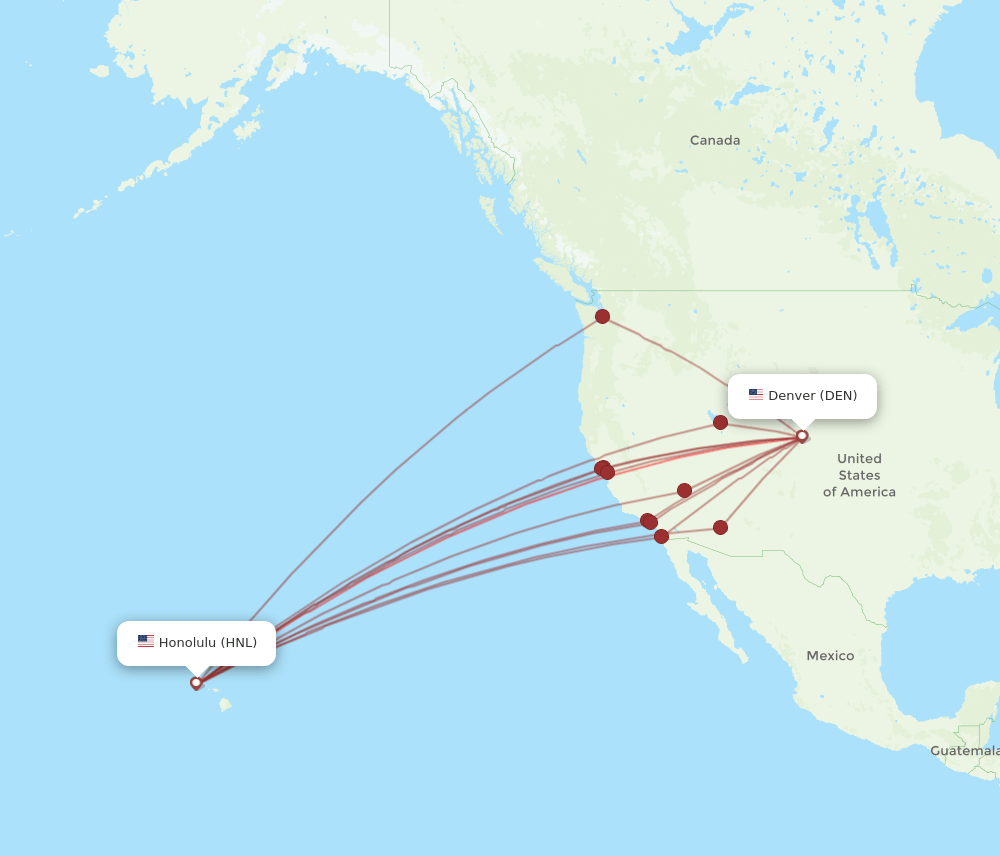
A non-stop flight from Denver International Airport (DEN) to major airports in Hawaii typically ranges from 7 hours to 8 hours and 30 minutes. This duration can vary slightly based on the specific Hawaiian island you’re flying to and the airline. For instance, flights to Oahu, home to Honolulu and the bustling Daniel K. Inouye International Airport (HNL), tend to be on the shorter end of this spectrum, given its central location. Flights to islands like Maui or the Big Island (also known as Hawaii Island) might be marginally longer due to slightly different flight paths or airport specificities.
It’s important to note that the return flight often feels shorter, not just due to the anticipation of returning home, but because of prevailing Pacific Ocean wind patterns, particularly the jet stream, which can provide a tailwind boost. A return flight from Honolulu to Denver might clock in around 6 hours and 30 minutes to 7 hours and 30 minutes.
Major Airports in Hawaii and Their Impact on Flight Time
Hawaii boasts several international airports, each serving as a gateway to its respective island. The choice of your final destination airport will have a minor but noticeable impact on your total flight time:
- Daniel K. Inouye International Airport (HNL), Oahu: This is the primary international gateway to Hawaii and generally the destination for the shortest direct flights from Denver.
- Kahului Airport (OGG), Maui: Direct flights to Maui are also common, with durations often similar to Oahu or just slightly longer.
- Kona International Airport (KOA) & Hilo International Airport (ITO), Big Island: Flights to the Big Island may be marginally longer due to its more westerly and southerly position within the archipelago.
- Lihue Airport (LIH), Kauai: Direct options to Kauai also exist, with similar flight times to Maui or Oahu.
While direct flights typically target these larger airports, if your ultimate destination is a smaller island or a remote area, you might need an additional inter-island connection, which will add to your overall travel time.
Factors Influencing Your Flight Duration
Beyond the direct distance between Denver and Hawaii, several variables can subtly or significantly alter the actual flight time. Understanding these can help set realistic expectations for your journey.
Aircraft Type and Speed
Modern aircraft are designed for efficiency and speed. The type of plane used for your flight can influence the duration. Wide-body jets, often used for long-haul routes like Denver to Hawaii, such as the Boeing 787 Dreamliner or Airbus A330, are optimized for fuel efficiency and higher cruising speeds over long distances. While differences between models might only account for tens of minutes on an 8-hour flight, they are a factor. Newer aircraft also often feature more advanced aerodynamics and engine technology, contributing to slightly faster travel.
Wind Patterns and Jet Streams
This is perhaps one of the most significant natural factors affecting flight times, particularly for eastbound vs. westbound routes. The jet stream, a narrow band of strong winds high in the atmosphere, flows predominantly from west to east.
- Westbound (to Hawaii): Flying against the jet stream or other prevailing headwind patterns will increase flight duration. This is why the outbound flight from Denver to Hawaii is typically longer.
- Eastbound (from Hawaii): Flying with the jet stream or with prevailing tailwinds will decrease flight duration, making the return journey often quicker.
A strong headwind can easily add 30-60 minutes to a flight, while a significant tailwind can shave off a similar amount of time. Pilots and air traffic controllers account for these conditions when planning routes and estimating arrival times.
Air Traffic Control and Route Optimization
The skies are a complex network, and air traffic control (ATC) plays a crucial role in managing aircraft flow. Factors like congestion at departure or arrival airports, weather systems along the route, or temporary flight restrictions can necessitate deviations from the most direct path. While airlines aim for optimal, fuel-efficient routes, ATC might reroute flights to ensure safety and manage traffic density, potentially adding a few minutes to the total time. Furthermore, the specific route taken over the Pacific Ocean can be adjusted to avoid turbulence or capitalize on favorable winds, subtly impacting the journey length.
Layover and Connecting Flights
While the original query focuses on direct flights, it’s worth noting that if you opt for or are compelled to take a connecting flight, your total travel time will increase significantly. A layover in a city like Los Angeles, San Francisco, or Seattle could easily turn an 8-hour flight into a 12-15 hour travel day, depending on the duration of your stop. Always factor in layover times when calculating your door-to-door travel duration.
Planning Your Journey: Beyond Flight Time
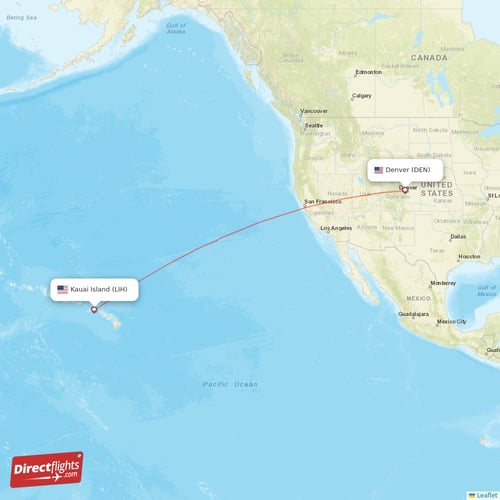
Understanding the flight duration is just one piece of the puzzle. A truly successful trip to Hawaii from Denver requires comprehensive planning.
Best Time to Fly to Hawaii
Hawaii enjoys a tropical climate year-round, but there are nuances.
- Peak Season: Mid-December to March and June to August are peak times, coinciding with holidays and school breaks. Prices for flights and accommodation tend to be higher, and crowds larger.
- Shoulder Season: April to May and September to November often offer the best balance of good weather, fewer crowds, and more affordable rates. This might be an ideal time to snag better flight deals from Denver.
- Rainy Season: November to March is considered the rainy season, though showers are often brief and localized, rarely impacting an entire trip.
Airlines Offering Service from Denver
Several reputable airlines offer direct flights from Denver to various Hawaiian islands. The primary carriers often include:
- United Airlines
- Southwest Airlines
- Delta Air Lines
- Hawaiian Airlines (often through codeshares or connecting flights, though they do offer direct to some major hubs).
It’s advisable to compare prices, flight times, and amenities (such as in-flight entertainment, meal service, and baggage policies) across different airlines to find the best option for your travel needs and budget.
Preparing for a Long-Haul Flight
An 8-hour flight is a significant commitment. Preparation is key to ensuring a comfortable journey:
- Choose Your Seat Wisely: If possible, select a seat with extra legroom (exit row, bulkhead) or an aisle seat for easier movement.
- Stay Hydrated: Drink plenty of water before and during the flight. Avoid excessive alcohol and caffeine, which can lead to dehydration.
- Dress Comfortably: Wear loose, layered clothing and comfortable shoes. The temperature in the cabin can fluctuate.
- Pack Essentials in Carry-On: Include medications, a change of clothes, toiletries, a neck pillow, eye mask, earplugs/noise-canceling headphones, and entertainment.
Maximizing Comfort on Your Flight to Paradise
Turning a long flight into an enjoyable part of your vacation is entirely possible with a few strategic approaches.
Essential Packing Tips for Long Flights
Beyond the basics, consider these items for enhanced comfort:
- Compression Socks: These can help prevent swelling and reduce the risk of deep vein thrombosis (DVT) on long flights.
- Snacks: While airlines offer meals, having your favorite healthy snacks on hand can curb hunger pangs and cater to specific dietary needs.
- Personal Entertainment: Download movies, TV shows, podcasts, or audiobooks to your devices. While most long-haul flights offer in-flight entertainment, having your own backup is always a good idea.
- Moisturizer and Lip Balm: The dry cabin air can take a toll on your skin.
- Reusable Water Bottle: Fill it up after security to stay hydrated without constantly asking for refills.
In-Flight Entertainment and Connectivity
Most modern aircraft flying routes like Denver to Hawaii come equipped with personal seat-back entertainment systems offering a wide selection of movies, TV shows, music, and games. Many also provide Wi-Fi connectivity for a fee, allowing you to stay connected with loved ones or catch up on work, though speeds can vary over the Pacific Ocean. Utilize these amenities to pass the time pleasantly and arrive feeling refreshed.
Managing Time Zones and Jet Lag
Traveling from Denver, which observes Mountain Time Zone (MDT), to Hawaii, which observes Hawaii Standard Time (HST), involves a significant time difference. During Denver’s daylight saving time, Hawaii is 4 hours behind. When Denver is on standard time, Hawaii is 3 hours behind. This shift can contribute to jet lag.
- Adjust Gradually: Try to adjust your sleep schedule a few days before your trip by going to bed a bit earlier or later.
- On Arrival: Expose yourself to natural light upon arrival, even if you feel tired. Try to stay awake until the local bedtime.
- Stay Active: Gentle exercise, like walking, can help your body adjust to the new time zone.
- Patience: Give your body a couple of days to fully adapt to the new time.
What Awaits You in the Aloha State
After navigating the skies for several hours, the reward is immeasurable. Stepping off the plane in Hawaii is an experience in itself, filled with the warm, humid air and the fragrant scent of plumeria.
First Impressions and Arrival Logistics
Upon arrival at any of Hawaii’s airports, you’ll immediately feel the transition to island life. The relaxed pace, the traditional “E Komo Mai” (welcome) greetings, and often, the live Hawaiian music, set the tone. Collect your luggage, and if you’ve arranged a rental car, proceed to the car rental shuttle pick-up point, as most rental facilities are off-site. Taxis, ride-sharing services, and public transportation (depending on the island and airport) are also readily available.
Popular Hawaiian Islands and Their Unique Appeals
Each Hawaiian island offers a distinct personality and range of experiences:
- Oahu: The “Gathering Place,” home to the vibrant city of Honolulu, Waikiki Beach, and historical sites like Pearl Harbor. Perfect for those seeking a mix of city life, surfing, and cultural exploration.
- Maui: The “Valley Isle,” renowned for its luxurious resorts, stunning Hana Highway, and the majestic sunrise at Haleakala volcano. Ideal for romantic getaways and outdoor adventurers.
- Kauai: The “Garden Isle,” famous for its lush landscapes, dramatic Na Pali Coast, and the breathtaking Waimea Canyon. A haven for nature lovers and hikers.
- Big Island (Hawaii Island): The youngest and largest island, featuring active volcanoes at Hawaii Volcanoes National Park, black sand beaches, and diverse ecosystems from lava fields to snow-capped peaks. A must for geology enthusiasts and explorers.
Embracing the Spirit of Aloha
Beyond the stunning scenery, Hawaii offers a unique cultural experience centered around the spirit of Aloha – a philosophy of love, peace, compassion, and mutual respect. Embrace this spirit by respecting local customs, being mindful of the environment, and engaging with the warm, welcoming locals. Your journey from Denver to Hawaii, while long, is merely the prelude to an enriching and unforgettable adventure in one of the world’s most beautiful destinations. Plan well, travel comfortably, and prepare to be enchanted.
LifeOutOfTheBox is a participant in the Amazon Services LLC Associates Program, an affiliate advertising program designed to provide a means for sites to earn advertising fees by advertising and linking to Amazon.com. Amazon, the Amazon logo, AmazonSupply, and the AmazonSupply logo are trademarks of Amazon.com, Inc. or its affiliates. As an Amazon Associate we earn affiliate commissions from qualifying purchases.