
Embarking on a journey between two distinct yet equally captivating cities in Louisiana is a common traveler’s aspiration. The question of “How far is Lafayette, LA from New Orleans?” often kicks off the planning for an adventure that promises a delightful blend of culture, cuisine, and unique regional charm. These two Louisiana gems, while sharing a state, offer vastly different experiences, and understanding the distance between them is the first step in unlocking the treasures each holds.
The approximately 130-mile distance separating Lafayette, LA and New Orleans is not merely a geographical measurement; it’s a gateway to exploring the diverse tapestry of South Louisiana. This stretch of highway, primarily Interstate 10, traverses through the heart of the Acadiana region, a land steeped in French, Spanish, African, and Native American influences. This cultural amalgamation is palpable as one travels west from the vibrant, jazz-filled streets of New Orleans to the heart of Cajun Country in Lafayette, LA.
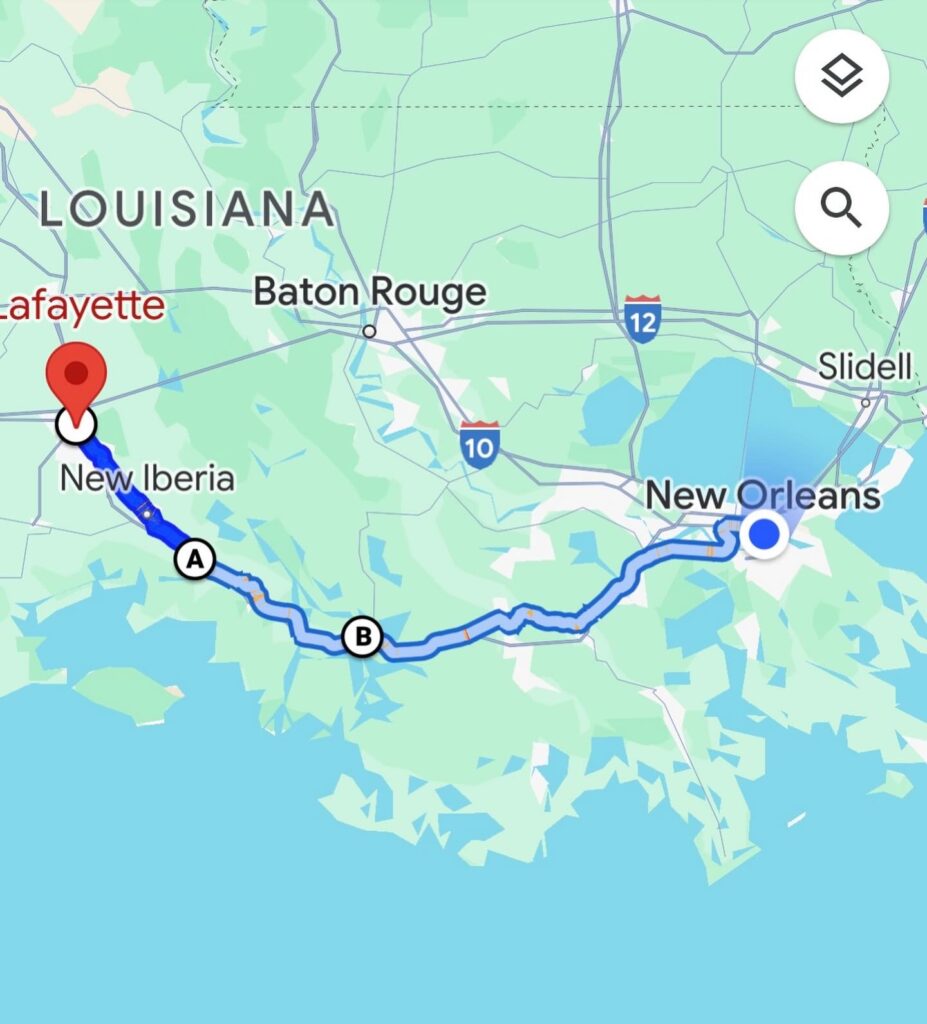
The Journey: Navigating the Route
The most direct and popular route for traveling between Lafayette, LA and New Orleans is via Interstate 10 West. This interstate highway provides a straightforward and generally well-maintained path, making the drive relatively easy for most travelers.
Driving Distance and Time
The driving distance from Lafayette, LA to New Orleans is approximately 130 miles. Under normal traffic conditions, the journey typically takes around two to two and a half hours. However, it is crucial to factor in potential traffic delays, especially when departing from or arriving in New Orleans, which can experience significant congestion during peak hours, holidays, and special events like Mardi Gras.
Several factors can influence your travel time:
- Time of Day: Driving during rush hour in either city can add considerable time to your trip. Early mornings or late evenings are generally less congested.
- Day of the Week: Weekends, particularly Fridays and Sundays, can see increased traffic as people travel to and from their destinations.
- Weather Conditions: Louisiana’s weather can be unpredictable. Heavy rain, fog, or even hurricane season can impact driving conditions and speed.
- Road Construction: As with any major highway, construction projects can cause temporary lane closures and delays on Interstate 10. It’s always advisable to check local traffic reports before setting out.
Alternative Modes of Transportation
While driving is the most common and flexible way to travel between Lafayette, LA and New Orleans, other options exist for those who prefer not to drive or are looking for a different travel experience.
- Bus Services: Several intercity bus companies, such as Greyhound, often operate routes connecting these two cities. This can be a budget-friendly option, though travel times may be longer due to multiple stops. The convenience of being dropped off in or near the city centers can be appealing, allowing travelers to immediately begin exploring without worrying about parking.
- Ridesharing Services: For a more personalized but potentially more expensive option, ridesharing services like Uber or Lyft can be arranged. This offers door-to-door service but is typically a premium choice for this distance.
- Train Travel: While not as direct as driving or bus services, train travel might be an option through Amtrak, often requiring a transfer. This can provide a more relaxed journey, allowing passengers to enjoy the scenery. However, schedules and station locations should be carefully reviewed to ensure they align with your travel plans.
Exploring the Stops Along the Way
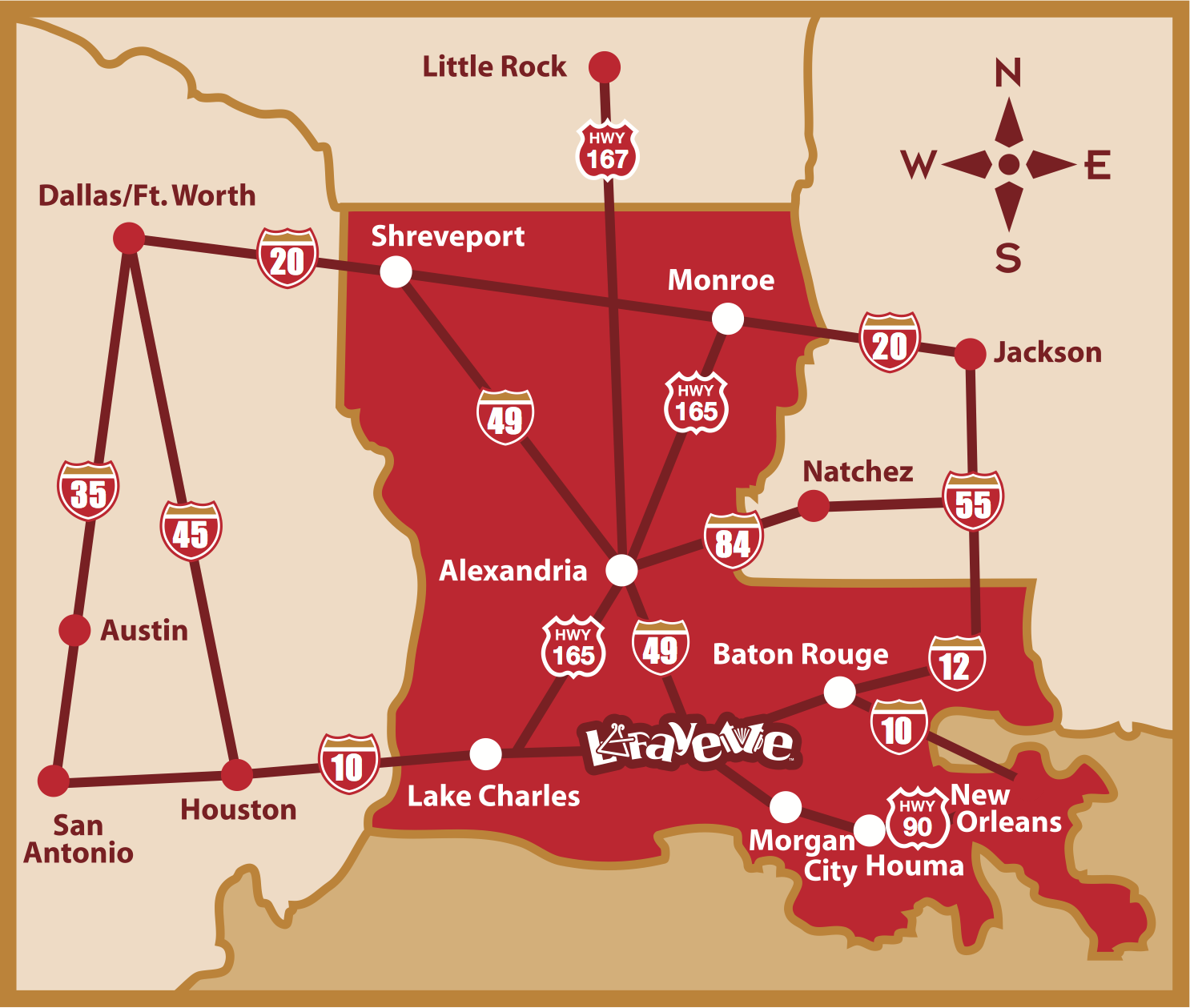
The journey from New Orleans to Lafayette, LA is more than just a transit; it’s an opportunity to delve into the unique landscape and culture of South Louisiana. As you drive west on Interstate 10, the urban sprawl of New Orleans gradually gives way to the picturesque bayous, sugarcane fields, and charming small towns characteristic of Acadiana.
Notable Attractions and Towns
While the primary focus might be reaching Lafayette, LA, there are several points of interest that can enrich the travel experience.
- Baton Rouge: The capital of Louisiana, Baton Rouge, is located about an hour west of New Orleans on Interstate 10. While it’s not directly on the path to Lafayette, LA if you stay on I-10, a slight detour allows for exploration of its significant landmarks. The Old Louisiana State Capitol, a stunning Gothic Revival building, and the more modern Louisiana State Capitol, the tallest state capitol building in the United States, are must-sees. The USS Kidd Veterans Museum, a preserved World War II destroyer, offers a fascinating glimpse into naval history.
- The Atchafalaya Basin: As you continue west on Interstate 10, you will cross the expansive Atchafalaya Basin, the largest contiguous block of wetland and swamp habitat in the United States. The sheer scale of this natural wonder is impressive, with its cypress trees draped in Spanish moss, teeming with wildlife. While driving across the basin, you’ll see numerous bridges and waterways. For a more immersive experience, consider stopping at one of the access points for activities like swamp tours or fishing.
- Breaux Bridge: Situated just before Lafayette, LA, Breaux Bridge is renowned as the “Crawfish Capital of Louisiana” and a hub for authentic Cajun culture and music. This charming town is a perfect place to stop for a taste of genuine Cajun cuisine. Many local restaurants offer fresh crawfish dishes, boudin, and other regional specialties. On weekends, you might find live Cajun music performances, offering a vibrant prelude to the cultural immersion awaiting in Lafayette, LA.
Culinary Delights on the Road
The culinary landscape between New Orleans and Lafayette, LA is a testament to the rich food traditions of Louisiana. As you venture westward, the distinct flavors of Creole cuisine in New Orleans gradually blend with the robust and spicy offerings of Cajun cooking.
- Swamp Tours and Seafood: Many establishments catering to travelers near the Atchafalaya Basin offer opportunities to sample fresh, local seafood, particularly crawfish, shrimp, and catfish. These stops often combine a taste of the local bounty with the chance to learn about the unique ecosystem.
- Boudin and Cracklins: A true South Louisiana experience is incomplete without trying boudin, a seasoned pork sausage with rice, and its crispy counterpart, cracklins. Numerous roadside stands and small eateries between Breaux Bridge and Lafayette, LA are famous for these delicacies. These are not just snacks; they are an integral part of the regional food culture.
- Traditional Cajun Restaurants: In towns like Breaux Bridge, you can find family-owned restaurants serving classic Cajun dishes such as gumbo, jambalaya, étouffée, and fried seafood platters. These establishments often provide a warm, welcoming atmosphere and live Cajun music, making for a memorable stop.
Arriving in Lafayette, LA: The Heart of Cajun Country
Upon completing the roughly 130-mile journey from New Orleans, you arrive in Lafayette, LA, a city that proudly embraces its identity as the heart of Cajun Country and the cultural capital of Acadiana. While New Orleans captivates with its historic architecture, vibrant music scene, and distinctly Creole heritage, Lafayette, LA offers a more laid-back, yet equally rich, immersion into the Cajun way of life.
What to Expect in Lafayette, LA
Lafayette, LA is a city where tradition and modernity intertwine seamlessly. It boasts a lively downtown area, a burgeoning culinary scene, and a deep-seated connection to its Cajun roots. The city is an ideal base for exploring the surrounding prairies and bayous, offering a different perspective on Louisiana’s diverse cultural landscape.
- Cultural Immersion: Lafayette, LA is home to several institutions that celebrate Cajun and Creole heritage. The Vermilionville Historic Village is an immersive living history museum where visitors can explore restored 18th and 19th-century homes and learn about the daily lives of early settlers. The Acadian Village offers a similar experience, showcasing traditional Acadiana architecture and crafts.
- Culinary Capital: Often hailed as a culinary hotspot, Lafayette, LA is a paradise for food lovers. The city’s restaurants offer an authentic taste of Cajun cuisine, characterized by its bold flavors, spicy kick, and fresh, local ingredients. From humble roadside stands selling boudin to upscale eateries serving innovative interpretations of classic dishes, the culinary scene here is diverse and exciting.
- Music and Festivals: Music is the heartbeat of Lafayette, LA. Fiddles, accordions, and lively vocals fill the air, especially on weekends. Numerous venues host live Cajun and Zydeco music, inviting visitors to dance the night away. The city also hosts several renowned festivals throughout the year, such as the Festival International de Louisiane, which celebrates arts and culture from around the world with a distinct Cajun flair.
Accommodation and Lifestyle Considerations
When planning your trip between New Orleans and Lafayette, LA, considering accommodation and lifestyle preferences is key to a fulfilling experience. Both cities offer a range of options to suit different budgets and travel styles.
- Hotels in Lafayette, LA: Lafayette, LA provides a variety of lodging options, from budget-friendly motels and comfortable chain hotels to boutique inns and charming bed and breakfasts. For those seeking a more upscale experience, there are several well-appointed hotels such as the Homewood Suites by Hilton Lafayette, LA or the Hyatt Regency New Orleans (though the latter is in New Orleans, highlighting comparison). Travelers looking for extended stays might find apartment-style accommodations. The choice of hotel can significantly impact the overall travel experience, with amenities like swimming pools, on-site dining, and proximity to attractions being important factors.
- Luxury vs. Budget Travel: Both New Orleans and Lafayette, LA cater to both luxury and budget travelers. In New Orleans, luxury seekers might opt for historic hotels in the French Quarter or the chic accommodations in the Arts District. Budget travelers can find hostels, guesthouses, and more affordable hotels outside the immediate tourist hotspots. Similarly, Lafayette, LA offers a range of options, allowing visitors to tailor their stay to their financial plan, whether it’s a splurge on fine dining and luxurious lodging or a more economical approach focusing on the authentic experiences.
- Family and Business Stays: For families, Lafayette, LA offers attractions like the Alexandria Zoological Park (a short drive away) and various parks, making it a good destination for a family road trip. Many hotels offer family suites and kid-friendly amenities. Business travelers will find Lafayette, LA to be a convenient hub with modern business facilities and hotels equipped for corporate needs, alongside its cultural attractions that can provide a welcome respite after a day of work.
In conclusion, the 130-mile journey from New Orleans to Lafayette, LA is a relatively short but incredibly rewarding trip. It’s a transition from the vibrant, historic energy of one of America’s most unique cities to the warm, down-to-earth charm of Cajun Country. Understanding the distance and the travel options allows for a well-planned itinerary, whether you’re seeking the pulsating rhythm of jazz or the infectious beat of Cajun music, or simply a delicious plate of crawfish étouffée.
LifeOutOfTheBox is a participant in the Amazon Services LLC Associates Program, an affiliate advertising program designed to provide a means for sites to earn advertising fees by advertising and linking to Amazon.com. Amazon, the Amazon logo, AmazonSupply, and the AmazonSupply logo are trademarks of Amazon.com, Inc. or its affiliates. As an Amazon Associate we earn affiliate commissions from qualifying purchases.